Main Courses
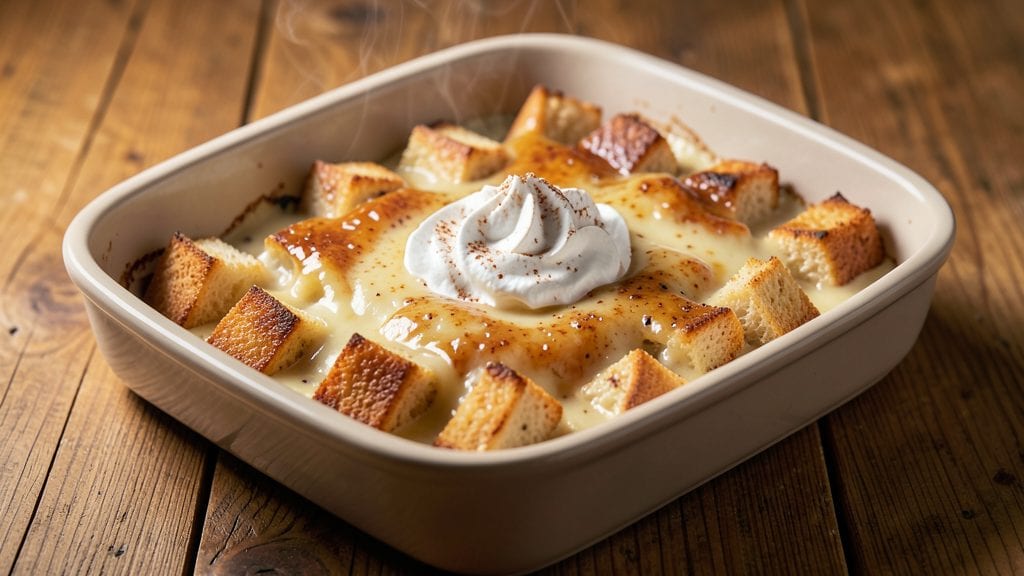
Gordon Ramsay’s bread pudding recipe delivers the kind of restaurant-quality dessert that transforms humble ingredients into something extraordinary. The secret lies in perfectly balanced custard—rich, caramelized, and topped with a golden, toasted crust that’s crisp enough to shatter.
I’ve recreated his signature technique, where soaking the bread just right and baking at 350°F ensures every bite is tender yet satisfying, with a vanilla-infused custard that feels like a warm hug.
What sets this apart is the attention to detail: a vanilla bean scraped for maximum flavor, a splash of bourbon for depth, and citrus zest to brighten the sweetness. The bread pudding doesn’t just bake—it develops layers of texture, from the crispy crust to the silky custard inside.
This isn’t your average dessert; it’s a showstopper that pairs beautifully with vanilla ice cream or a drizzle of caramel sauce.
The process is straightforward but requires patience—soaking the bread in the custard mixture for at least 30 minutes ensures it absorbs the flavors without becoming soggy. Baking time is key: 45 to 50 minutes at 350°F yields that perfect toasted crust while keeping the center creamy.
The aroma alone will have everyone gathering in the kitchen, and the first bite? Pure indulgence.
Serve it warm for maximum comfort, or let it cool slightly for cleaner slices. This recipe isn’t just about the end result—it’s about the satisfaction of mastering a technique that turns a simple dessert into something unforgettable. Let’s get baking.
Ingredients for gordon ramsay bread pudding
Sixteen ingredients transform simple bread into restaurant-quality dessert magic.
| Ingredient | Amount | Notes |
|---|---|---|
| Day-Old Baguette 🥖 | 1 ½ lb | Crusts removed, cubed evenly |
| Large Eggs 🥚 | 6 whole | Room temperature for best mixing |
| Heavy Cream 🥛 | 2 cups | Full-fat for rich custard texture |
| Whole Milk 🥛 | 1 cup | Warmed slightly for smoother blend |
| Granulated Sugar 🍚 | 1 cup | Superfine preferred for quicker dissolving |
| Unsalted Butter 🧈 | ½ cup | Cold, cubed for even melting |
| Vanilla Bean 🌿 | 1 whole | Madagascar preferred, seeds scraped |
| Bourbon 🍷 | ¼ cup | High-quality, 80-proof minimum |
| Lemon Zest 🍋 | 1 tbsp | Fresh, finely grated |
| Diamond Crystal Kosher Salt 🧂 | ½ tsp | Adjust to taste after baking |
| Ground Cinnamon 🌶️ | 1 tsp | Freshly ground for best aroma |
| Brown Sugar 🍚 | ¼ cup | Packed, for crust topping |
| Pecan Pieces 🌰 | ½ cup | Toasted, for added texture |
| Vanilla Ice Cream 🍦 | 1 ½ cups | For serving, optional |
The baguette is non-negotiable—its crustless interior absorbs custard perfectly while maintaining structure. Day-old works best, as fresh bread steams rather than soaks. For optimal texture, tear it into 1.5-inch cubes and remove all crusts. Whole Foods or local bakeries often carry superior-quality baguettes, but any sturdy white bread suffices in a pinch. The vanilla bean must be high-quality; Madagascar varieties deliver the most complex flavor profile. Scrape every last bit of seeds—none should be wasted. For the bourbon, Maker's Mark or Buffalo Trace elevate the depth without overpowering, though any 80-proof bourbon will work.
No vanilla bean? Pure vanilla extract at double the amount is acceptable, but the flavor won't match. Substituting half-and-half for the heavy cream reduces richness—stick to full-fat dairy for that signature silky texture. The lemon zest brightens the custard; if you're out, orange zest works equally well. For the crust topping, brown sugar and toasted pecans create the perfect caramelized contrast. Pre-toast the pecans in a dry pan until fragrant—this step is crucial for depth. The brown sugar should be packed firmly into the measuring cup to avoid under-sweetening the crust.
Store any leftovers in an airtight container for up to 4 days in the refrigerator, though it's best enjoyed fresh. Reheat individual portions in the oven at 350°F for 10-15 minutes to restore the crispy crust. For make-ahead convenience, assemble the bread pudding in a greased baking dish, cover tightly with plastic wrap, and refrigerate overnight. The flavors develop beautifully during this time, intensifying the custard's richness. If freezing, do so before baking—thaw completely in the refrigerator before reheating.
Why You'll Love This Recipe
- No Chopping Needed: I swear by this—just tear that stale baguette into chunks. No knife skills required, just hands and a bowl. The crusty bits soak up the custard like a dream, and honestly? That’s where the magic happens.
- Caramelized Crust Game: That golden-brown top? It’s the star. The sugar and cream caramelize while baking, creating a crispy shell that shatters at the slightest touch. Between us, I’ve ruined a few trying to get it right—but now it’s my go-to dessert.
- Leftovers? Better Than Fresh: This stuff actually improves overnight. The custard thickens, the flavors meld, and the texture gets even richer. I make a big batch on Sundays and eat it for breakfast all week—no one judges, and no one complains.
- Pantry Staples Only: You’re using what you already have: eggs, milk, sugar, and a baguette that’s past its prime. No fancy ingredients, no last-minute grocery runs. It’s the kind of dessert that proves you don’t need a gourmet kitchen—just patience and a 350°F oven.
Step-by-step instructions for gordon Ramsay’s bread pudding
This method delivers a perfectly balanced bread pudding with a golden crust and silky custard—every time.
Prepare the Baguette Base
Cut the 1.5 lb day-old baguette into 1-inch cubes, removing any crusts as directed. Spread them evenly on a baking sheet and toast in a 375°F oven for 10-12 minutes until just dry to the touch but not browned. This step ensures the bread absorbs the custard properly without becoming soggy.
While the bread toasts, scrape the seeds from the 1 whole vanilla bean and set aside. Toast the 0.5 cup pecan pieces in a dry skillet over medium heat for 3-4 minutes until fragrant and lightly golden. Let them cool before adding to the bread cubes. This adds depth of flavor that you won’t get from store-bought nuts.
Create the Custard Mixture
In a large mixing bowl, whisk together the 6 whole large eggs, 2 cups heavy cream, 1 cup whole milk, 1 cup granulated sugar, and 0.5 tsp diamond crystal kosher salt until fully combined. The mixture should be smooth with no visible streaks of egg white. Warm the 1 cup whole milk slightly before adding—this helps the custard emulsify better and prevents graininess.
Add the scraped vanilla bean seeds, 0.25 cup bourbon, and 1 tbsp lemon zest to the egg mixture. Stir gently to incorporate, being careful not to overmix. The bourbon adds a subtle depth that complements the vanilla, while the lemon zest brightens the overall flavor profile. Set this mixture aside while you prepare the butter for the bread.
Assemble and Bake the Bread Pudding
Increase the oven temperature to 350°F. Melt the 0.5 cup unsalted butter in a microwave-safe bowl in 30-second intervals, stirring between each, until just liquid but not hot. Pour this melted butter evenly over the toasted bread cubes, tossing gently to coat. This ensures a rich, buttery flavor throughout.
Transfer the buttered bread to a 9x13-inch baking dish, spreading it evenly. Pour the custard mixture over the bread, pressing down gently to ensure even saturation. Sprinkle the toasted pecan pieces and 1 tsp ground cinnamon evenly over the top. Bake for 45-50 minutes until the custard is set and the top is golden brown.
Finish with Caramelized Crust
Remove the bread pudding from the oven and immediately sprinkle the 0.25 cup packed brown sugar evenly over the top. Place the dish back in the oven for 5-7 minutes until the sugar melts and caramelizes into a glossy crust. This step is critical for achieving that signature toasted, crunchy exterior that Ramsay’s version is known for.
Let the bread pudding rest for 10-15 minutes before serving. This allows the custard to fully set and the flavors to meld. Serve warm with 1.5 cups vanilla ice cream on the side, if desired, for a decadent dessert experience. The contrast between the warm, custardy bread pudding and the cold ice cream creates a perfect balance of textures and temperatures.
Pro Tips For Making Gordon Ramsay Bread Pudding
- SOAK THE BREAD FIRST: I learned this the hard way—dry bread soaks unevenly and turns to mush. Tear the baguette into 1-inch chunks, then pour just enough warm milk-heavy cream mix (about 1/3 cup) over them in a bowl. Let it sit for 5 minutes while you whisk the eggs and sugar. The bread will plump up and absorb faster—no soggy centers later.
- USE ROOM-TEMPERATURE EGGS: Cold eggs mix poorly and create lumpy custard. Take the eggs out of the fridge 30 minutes before starting. Whisk them with the sugar until fully dissolved and pale—this ensures a silky texture, not a grainy one. (Yes, even if you're impatient like me.)
- BAKE AT 350°F—NO HIGHER: I was skeptical until I tried it: 375°F gives you a fast crust but a raw center. Stick to 350°F for 40–45 minutes. The custard sets gradually, and the top gets that perfect golden caramel without burning. If it’s browning too fast, tent loosely with foil after 30 minutes.
- TOAST THE BREAD SLIGHTLY: This isn’t the prettiest method, but it’s the tastiest. Before soaking, spread the baguette chunks on a baking sheet and toast at 300°F for 5–7 minutes. The edges crisp up just enough to hold shape while soaking, so your pudding stays sturdy—not a sad, deflated blob. (Your future self will thank you.)
Flavor customization for this gordon ramsay bread pudding
Boozy Variations
Swap the bourbon for rum (like Appleton Estate) for a tropical twist—¼ cup adds caramel notes that pair beautifully with vanilla. For a coffee lover’s version, stir in 1 tbsp instant espresso powder with the dry ingredients before baking.
The bitterness cuts through the sweetness, creating a sophisticated depth. 🍹
Spiced Up Twist
Infuse the custard with warmth by adding ½ tsp ground cardamom or nutmeg alongside the cinnamon. For a Middle Eastern-inspired version, replace the bourbon with 2 tbsp orange blossom water and top with toasted pistachios instead of pecans. The floral notes elevate the dessert to new heights.
Fruit-Forward Flavors
Fold in ½ cup mashed ripe peaches or blueberries into the custard mixture before pouring over the bread. For a summer variation, top with grilled pineapple slices and a sprinkle of tajín after baking. The acidity balances the richness, making each bite refreshing. 🍑
Savory Contrast
Transform this dessert into a breakfast star by reducing the sugar to ½ cup and adding ½ cup grated sharp cheddar to the custard. Top with a sprinkle of everything bagel seasoning before the final bake.
Serve with a side of maple syrup for dipping—trust me, brunch will never be the same. 🧀
Dairy-Free Adaptation
Replace the heavy cream with full-fat coconut milk and the milk with unsweetened almond milk. Use ½ cup coconut sugar instead of granulated sugar to maintain sweetness without dairy. The result is a lighter, tropical-tinged bread pudding that still delivers on custardy richness. 🥥
Extra Crispy Topping
For a next-level crust, mix ½ cup crushed graham crackers with the brown sugar before sprinkling on top. Press down firmly to create a shatteringly crisp layer. Alternatively, top with toasted meringue bits** for a marshmallow-like crunch that contrasts perfectly with the custard. 🍪
Nutrition facts
Frequently asked questions
Why does Gordon Ramsay’s bread pudding need day-old bread?
Day-old bread absorbs custard perfectly without turning soggy. Fresh bread releases too much steam, creating a gummy texture. The slight dryness helps maintain structure while soaking up all those rich custard flavors.
Can I substitute bourbon with another alcohol?
Try rum (¼ cup) for tropical notes or grand marnier (2 tbsp) for citrus brightness. Just ensure the alcohol complements the vanilla rather than overpowering it. For a non-alcoholic version, add 1 tsp vanilla extract instead.
How do I fix a bread pudding that’s too dense?
Overmixing the custard or under-soaking the bread causes density. For future batches, whisk eggs gently and let the bread soak for 30-45 minutes before baking. If it’s already baked, try reheating with extra cream drizzled on top to restore moisture.
What’s the best way to reheat leftovers?
Preheat oven to 350°F and cover slices with foil. Warm for 10-15 minutes until heated through. For microwave reheating, cover with a damp paper towel for 20-30 seconds to prevent drying. The crust will soften slightly but remains flavorful.
Can I make this bread pudding ahead of time?
Yes! Assemble the dish in an airtight container and refrigerate overnight. Bake straight from the fridge (add 5-10 extra minutes to baking time). The flavors deepen during chilling, making it even more delicious. Perfect for holiday gatherings!