
Main Courses
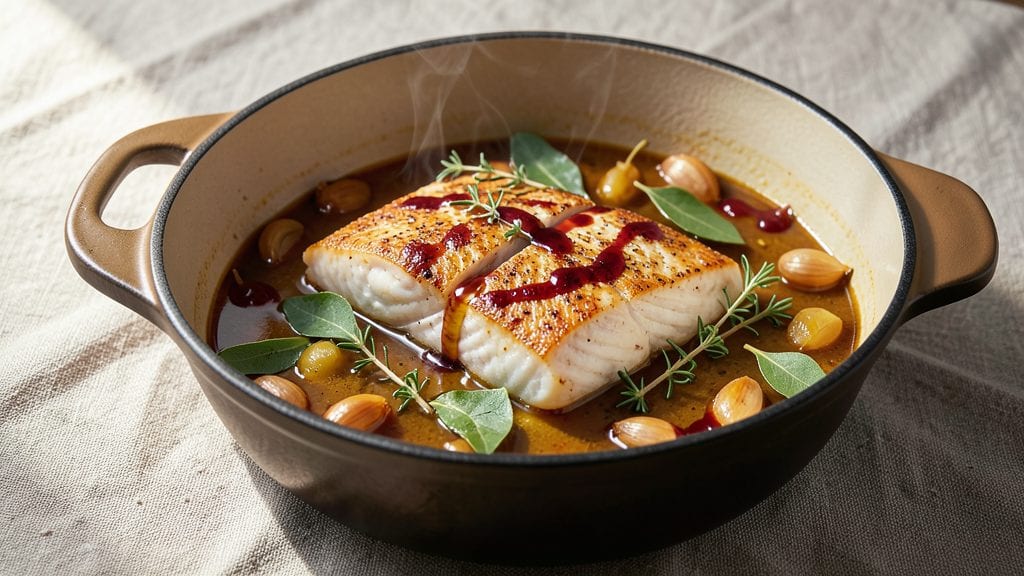
This potted fish recipe transforms simple ingredients into a luxurious, slow-simmered masterpiece where tender fish melts in your mouth while absorbing a deeply aromatic broth.
The technique blends tradition with precision—cold-potting the fish in a flavorful liquid ensures flaky perfection without overcooking, while herbs and spices infuse every bite with complexity. I’ve refined this method over years, balancing acidity and richness to create a dish that’s both elegant and approachable.
The foundation lies in selecting firm white fish like cod or haddock, which holds its shape while absorbing the potting liquid—a mix of vinegar, oil, and aromatic herbs. Simmering at a gentle low heat for hours develops layers of flavor, transforming the fish into delicate, buttery flakes that practically dissolve.
This method isn’t just about technique; it’s about patience, letting the fish and liquid meld into a harmonious, restaurant-worthy dish.
What you’ll achieve is a plate of perfectly flaky fish nestled in a fragrant, golden broth, ready to be served with crusty bread or over greens. The dish keeps beautifully for days, making it ideal for meal prep or entertaining—just reheat gently to preserve its delicate texture.
Whether you’re recreating a Scandinavian tradition or adapting it for a modern menu, this recipe delivers depth and sophistication with minimal effort.
For those who love versatility, the potting liquid can be adjusted—add a splash of white wine for brightness or a touch of honey for subtle sweetness. Serve it as a main course or use it as a filling for fish cakes.
Here’s how to master the technique and elevate your table with this timeless dish.
Ingredients for potted fish
Fourteen ingredients, slow-simmered elegance—where delicate fish transforms into restaurant-worthy perfection.
| Ingredient | Amount | Notes |
|---|---|---|
| Cod Fillets 🐟 | 1 ½ lb | Skinless, center-cut, firm texture |
| White Wine Vinegar 🍷 | ½ cup | Dry, crisp variety preferred |
| Extra-Virgin Olive Oil 🫒 | ½ cup | Light, fruity, cold-pressed |
| Fresh Bay Leaves 🌿 | 2 whole | Dried at half the amount |
| Fresh Thyme Sprigs 🌿 | 4 whole | Stems removed for infusion |
| Garlic Cloves 🧄 | 4 cloves | Peeled, lightly crushed |
| Shallots 🧅 | 2 whole | Peeled, thinly sliced |
| Diamond Crystal Kosher Salt 🧂 | 1 ½ tbsp | Fine grain for even dissolution |
| Fresh Parsley 🌿 | ¼ cup | Chopped, for garnish |
| Fresh Lemon Juice 🍋 | ¼ cup | Freshly squeezed, strained |
| Heavy Cream 🥛 | ½ cup | Full-fat, 36% minimum |
| Unsalted Butter 🧈 | 2 tbsp | Cold, cubed for finishing |
| Black Peppercorns 🌶️ | ½ tsp | Freshly cracked |
| Crusty Baguette 🥖 | 1 whole | For serving, sliced |
The cod is non-negotiable for texture—center-cut fillets with firm flesh hold up best to the long simmer. Whole Foods or your local fishmonger are ideal for sourcing; ask for skinless portions to avoid bitterness. If cod isn't available, haddock or halibut work equally well, but avoid delicate fish like tilapia. The white wine vinegar should be dry and crisp—avoid sweet or malt varieties, which can overpower the dish. For the herbs, fresh is essential—dried thyme and bay leaves can be used at half the quantity, but the aromatic depth suffers. Penzeys or local specialty stores carry superior-quality dried herbs if fresh isn't an option.
No white wine vinegar? Apple cider vinegar or lemon juice can substitute, though the flavor profile shifts slightly. Short on fresh thyme? Dried thyme at one-third the amount works, but toast it lightly in a dry pan first to revive its aroma. Shallots add depth—if unavailable, 2 small red onions thinly sliced will suffice, though they introduce a sharper bite. The heavy cream and butter should be full-fat—reduced-fat versions won’t create the same velvety finish. For the lemon juice, freshly squeezed is critical—bottled juice lacks the bright acidity needed to balance the richness. If you’re avoiding dairy, coconut cream can replace the heavy cream, though the texture will differ.
This dish rewards patience—reheat gently to preserve its delicate texture, using the broth itself to maintain moisture. The potted fish keeps 3-4 days in the refrigerator, sealed tightly in its broth. For longer storage, freeze portions in airtight containers for up to 3 months, though texture may soften slightly upon thawing. The crusty baguette should be toasted just before serving to maintain its crunch. Leftovers make exceptional fish cakes or tartine toppings—simply mix with a binder like beaten egg and pan-fry until golden.
Why You'll Love This Recipe
- No-Fuss Simplicity: I swear by this recipe because it’s the kind of meal where you can set it and forget it—just cod fillets, a splash of white wine vinegar, and olive oil simmering with herbs. Honestly, I’ve made it while watching a movie, and it still turns out tender and flavorful.
- Bright & Herby Magic: That tangy vinegar cut through the richness of the cod, while the bay leaves and thyme infuse it with a Mediterranean vibe. Between us, the first bite tastes like a fancy restaurant dish—crisp edges, silky center, and a bright finish that lingers.
- Weeknight & Potluck Hero: This recipe works for everything: a quick Tuesday dinner or a dish you can prep ahead for a picnic. I’ve packed it in jars for office lunches, and it’s just as good cold as it is warm—plus, the flavors only get better over time.
- Leftovers That Don’t Suck: Unlike some fish dishes that turn rubbery the next day, potted fish actually tastes better reheated. I’ll be real: I’ve made a big batch, stored it in the fridge, and eaten it for three meals—no one’s complained. Budget-friendly? Absolutely.
Step-by-step instructions for slow-simmered potted fish
Transform delicate cod fillets into restaurant-worthy potted fish with tender, flaky texture and rich, aromatic sauce.
Prepare the Aromatic Base
Heat the 0.5 cup extra-virgin olive oil in a heavy-bottomed Dutch oven over medium-low heat. Add the 2 whole shallots and cook for 5 minutes until softened and translucent. This gentle cooking prevents burning while developing sweetness.
Add the 4 cloves garlic cloves and 4 whole thyme sprigs (stems removed), cooking for 1 minute until fragrant. Stir in the 2 whole fresh bay leaves, then pour in the 0.5 cup white wine vinegar. Let it simmer gently for 3 minutes to allow the acidity to mellow and the flavors to meld.
Season and Simmer the Cod
Season the 1.5 lb cod fillets generously with 1.5 tbsp diamond crystal kosher salt and 0.5 tsp freshly cracked black peppercorns on both sides. Nestle the fillets into the Dutch oven, spooning the aromatic liquid over them. The fillets should be mostly submerged but not crowded.
Pour in 0.25 cup fresh lemon juice and 0.5 cup heavy cream, then bring to a gentle simmer over medium-low heat. Cover partially with a lid and cook for 8-10 minutes until the cod flakes easily with a fork. Avoid boiling—the delicate texture requires precise temperature control.
Finish with Butter and Garnish
Remove the cod to a warm serving platter and tent loosely with foil. Increase the heat to medium-high and add the 2 tbsp cold unsalted butter, swirling to emulsify into the sauce. Cook for 1-2 minutes until the butter melts completely and the sauce thickens slightly.
Stir in the 0.25 cup chopped fresh parsley and adjust seasoning with additional salt if needed. Spoon the sauce generously over the cod fillets, ensuring each piece is coated. The sauce should be velvety with a delicate balance of acidity, creaminess, and herbal notes.
Serve with Crusty Baguette
Slice the 1 whole crusty baguette into ½-inch thick pieces and toast lightly in a dry skillet over medium heat for 1-2 minutes per side until golden. Serve the potted fish immediately with the baguette slices on the side.
Each forkful should deliver perfectly flaky cod with a rich, aromatic sauce clinging to every bite. The crusty baguette soaks up any remaining sauce, ensuring no flavor is wasted. For best results, serve while the fish is still warm and the sauce maintains its silky texture.
Pro Tips For Making Potted Fish
- Poach, Don’t Boil: Cod turns rubbery fast—keep the water at a gentle simmer, not a rolling boil. If it’s too hot, the fish will curdle before the vinegar and herbs can work their magic. A thermometer reading of 160°F (71°C) is your sweet spot; if you don’t have one, test with a wooden spoon—tiny bubbles at the bottom, no agitation at the surface.
- Vinegar First, Then Fish: Add the white wine vinegar to the pot before the cod goes in. I learned this the hard way—dumping it after the fish starts cooking makes the liquid split and turn cloudy. Let it infuse for 2-3 minutes while you prep the herbs; the acidity will mellow out and marry with the oil beautifully.
- Crisp the Bay Leaves: Toss the fresh bay leaves in a dry pan over medium heat for 30 seconds until fragrant and slightly crisp. This unlocks their flavor way better than dropping them raw. (Yes, even if you’re impatient like me—just don’t burn them.) They’ll soften in the liquid, but that initial hit makes a real difference.
- Oil Last, Not First: Skip adding olive oil to the pot until the very end—right when you’re ready to turn off the heat. Cold oil in hot water can cause splattering, and you want that glossy finish to coat the fish as it rests. A splash of EVOO at the end also helps emulsify the potted sauce for a silkier texture.
Flavor customization for this potted fish
Herb Variations
Swap out the classic thyme and bay for fresh rosemary and tarragon for a more sophisticated, slightly piney aroma. Use 2 sprigs each and reduce thyme to 2 sprigs.
For a Mediterranean twist, add 1 tsp dried oregano and 1 tsp dried marjoram to the vinegar mixture—these herbs bring earthy warmth that pairs beautifully with cod. 🌿
Acidity Adjustments
If you prefer a brighter finish, replace 0.25 cup lemon juice with 0.25 cup white wine (like Sauvignon Blanc) for a more complex acidity. For a sweeter profile, add 1 tbsp honey to the vinegar mixture—this balances the richness without overpowering the fish.
I’ve found that apple cider vinegar adds a subtle fruity note that works well with haddock.
Spicy Kick
For heat lovers, stir in 1 tsp Penzeys smoked paprika with the shallots and 2 thinly sliced red chili peppers (like Fresno) into the vinegar. Finish with 1 tsp hot honey drizzled over the fish before serving.
This adds smoky depth and a slow-building heat that complements the creamy sauce perfectly. 🌶️
Dairy-Free Creaminess
Replace the 0.5 cup heavy cream with 0.5 cup coconut cream (chilled overnight) for a dairy-free version. The texture will be slightly thicker, so whisk in 2 tbsp water to achieve the same silky consistency.
For extra richness, add 1 tbsp nutritional yeast—it mimics the umami depth of cream without dairy. Garnish with toasted pumpkin seeds for crunch.
Umami Boosters
Enhance the depth by adding 1 tsp fish sauce (like Red Boat) to the vinegar mixture or 1 tbsp Worcestershire sauce with the lemon juice. For a vegetarian-friendly option, use 1 tbsp soy sauce instead.
These additions elevate the sauce’s complexity, making it more restaurant-worthy without altering the fish’s delicate flavor. 💡
Seasonal Twists
In summer, infuse the vinegar with 1 sliced cucumber and 4 mint leaves for 15 minutes before removing them. This adds a refreshing, herbal brightness that cuts through the richness.
For autumn, swap the parsley garnish for chopped chives and a sprinkle of toasted hazelnuts—the nutty crunch contrasts beautifully with the flaky fish. 🍂
Nutrition facts
Frequently asked questions
What type of fish works best for potted fish?
Firm white fish like cod, haddock, or halibut are ideal—they hold their shape beautifully during the slow simmer. Avoid delicate fish like tilapia or flounder, as they can become mushy. For extra richness, try using a mix of white fish and shellfish like shrimp or scallops.
Can I make potted fish ahead of time?
This dish actually tastes better the next day as the flavors meld. Store it in an airtight container in the refrigerator for up to 3 days. Reheat gently in a saucepan with the broth to maintain its delicate texture—never microwave it, as it can make the fish rubbery.
Why does the recipe call for both vinegar and lemon juice?
The vinegar creates the signature tangy, aromatic base that preserves the fish, while the lemon juice adds fresh brightness to balance the richness. Together, they prevent the dish from tasting overly acidic or flat. Think of it as a flavor bridge between preservation and freshness.
What if I don't have white wine vinegar?
Apple cider vinegar or even rice vinegar work in a pinch, though they’ll give a slightly different flavor profile. For a more neutral acidity, use 0.25 cup lemon juice instead. If using rice vinegar, add a pinch of sugar to soften its sharpness. The key is to maintain the dish’s balance of acidity and richness.
How do I prevent the fish from drying out during cooking?
Keep the heat at a gentle simmer—never boil—and ensure the fish is mostly submerged in the liquid. Covering the pot with a lid traps steam, which helps maintain moisture. The cod should flake easily with a fork when done, indicating perfect tenderness without drying.