Snacks
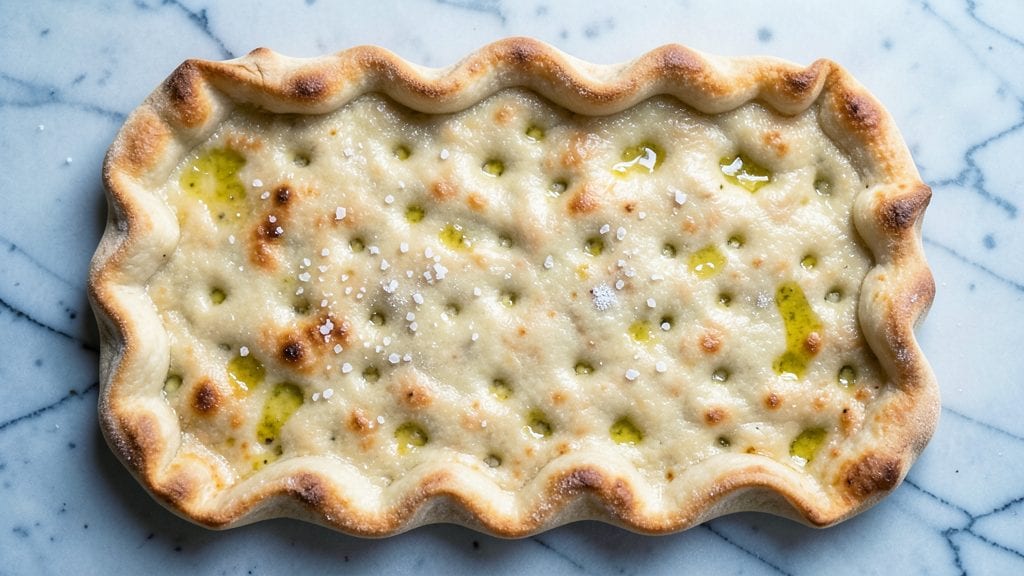
This copycat Domino’s pizza dough recipe unlocks the secret to that signature airy, stretchy texture that makes every bite worth the effort. This copycat recipe delivers the same light, pillowy crust you know and love, with a foolproof method that ensures consistent results every time.
The secret lies in precise ingredient ratios and careful proofing—no shortcuts here, just professional-quality dough that rivals the original.
What sets this dough apart is its ability to stretch thin without tearing, creating that iconic crispy-yet-chewy texture Domino's is famous for. The recipe uses simple ingredients you likely already have, but the technique is what transforms ordinary flour into extraordinary pizza crust.
With just 15 minutes of active prep and 2 hours of proofing, you'll have dough ready for your favorite toppings—no pizza delivery needed.
The result is a dough that's impossibly light, with a delicate airiness that makes it perfect for thin crust or stuffed crust pizzas alike. Each slice will have that signature Domino's flavor and texture, proving you can achieve restaurant-quality results in your own kitchen.
Whether you're feeding a crowd or treating yourself to a personal pizza night, this dough delivers every time.
This recipe maintains the traditional method for authenticity, but I'll share pro tips for adjusting the dough to your preferred thickness or texture. Ready to make pizza night legendary? Let's get started with the ingredients and instructions that bring Domino's dough to life at home.
Ingredients for copycat domino's pizza dough
Nine simple ingredients transform into that iconic Domino's stretchy, airy pizza dough you crave.
| Ingredient | Amount | Notes |
|---|---|---|
| All-Purpose Flour 🌾 | 4 ½ cups | Spooned and leveled, not scooped |
| Instant Yeast 🍞 | ¼ tsp | Fresh or active dry (adjust time) |
| Granulated Sugar 🍬 | ½ tsp | Feeds yeast for activation |
| Salt 🧂 | 1 tsp | Kosher or sea salt preferred |
| Olive Oil 🫒 | ½ tsp | Light, not extra-virgin |
| Warm Water 💧 | 1 ¼ cups | 110°F (43°C) ideal |
| Cornmeal 🌽 | ¼ cup | For dusting work surface |
| Semolina Flour 🌾 | ¼ cup | Or extra flour for dusting |
| Vegetable Oil 🫒 | 1 tbsp | For greasing bowl |
The flour is non-negotiable here—King Arthur or Gold Medal are my go-tos for that signature lightness. Bulk bins at Whole Foods save money if you bake often, but the grocery store stuff works fine. The yeast? Fresh is best—check the date and make sure it's not expired. For the water, warm but not hot (like bathwater) is key. Too hot kills the yeast, too cold slows it down. If you're using active dry yeast, let it bloom in the water for 5 minutes before adding flour—you'll see tiny bubbles forming. That's your sign it's alive and ready to party.
No instant yeast? Active dry works too, but proofing time will stretch to 3-4 hours. Short on olive oil? Vegetable or canola oil does the job just fine—no need to splurge. The sugar feeds the yeast, but don't go overboard—half a teaspoon is perfect. Want to make it gluten-free? Swap the flour for a 1:1 gluten-free pizza flour blend, but expect a slightly denser crust. The cornmeal and semolina are just for dusting—all-purpose flour works in a pinch if you're out. And if your dough feels sticky? That's normal—it's supposed to be like Play-Doh when you're done.
This dough is a 2-hour commitment, but it's worth it. Store it in the fridge for up to 48 hours if you're not using it right away—just let it sit at room temp for 30 minutes before shaping. For the best texture, proof it at 75°F (24°C). Too cold? It'll take forever. Too warm? It'll rise too fast and collapse. If you're prepping ahead, portion and freeze the dough balls—they'll keep for 3 months. Just thaw overnight in the fridge before using. And pro tip: Don't overwork the dough when shaping—handle it gently to keep that airy texture.
Why You'll Love This Recipe
- No-Knead Magic: I swear by this dough—just mix, let it rise, and boom. No standing at the counter, no overworking the gluten. The instant yeast does all the heavy lifting while I sip my coffee.
- Cheese Pulls Like Gold: That crispy, caramelized crust with a pillowy center? It’s all in the olive oil and sugar combo. Top it with pepperoni, and you’ll understand why Domino’s fans lose their minds over this.
- Game for Any Night: Weeknight dinner? Sunday funday? This dough handles it all. Double the batch, freeze half—next time you’re craving pizza at midnight, you’re golden.
- Pantry to Plate for Pennies: Five ingredients, zero specialty stuff. The sugar and yeast team up to give you that signature Domino’s taste without the $15 delivery fee. Leftovers? Reheat and devour.
Step-by-step instructions for copycat Domino's pizza dough
Here's how to make Domino's signature dough at home—light, airy, and stretchy just like the original.
Mix the Dough Ingredients
In a large mixing bowl, combine the 4.5 cups all-purpose flour, 0.25 teaspoon instant yeast, 0.5 teaspoon granulated sugar, and 1 teaspoon salt. Whisk these dry ingredients together until fully blended—this ensures even distribution of the yeast and salt throughout the dough.
Next, add the 0.5 teaspoon olive oil and mix again to coat the flour evenly. Create a well in the center and pour in the 1.25 cups warm water (about 110°F). Let the mixture sit for 5 minutes—this gives the yeast time to activate and start working. You'll see small bubbles forming around the edges as the yeast begins to hydrate.
Knead the Dough Until Smooth
Using a wooden spoon or your hands, gradually incorporate the water into the flour until a shaggy dough forms. Once it comes together, turn it out onto a lightly floured surface (use the 0.25 cup semolina flour for dusting) and knead for 8-10 minutes by hand. The dough should become smooth, elastic, and slightly tacky—this indicates proper gluten development, which gives the dough its signature stretch.
If the dough feels too sticky, add small amounts of the 0.25 cup cornmeal or extra flour as needed, but don't overdo it. The goal is a dough that's soft but not wet. Once kneaded, shape it into a ball and place it back in the bowl. Cover loosely with a clean kitchen towel and let it rise in a warm spot for 1 hour or until it has nearly doubled in size.
Shape and Proof the Dough
After the first rise, punch down the dough to release any air bubbles, then divide it into 4 equal portions (about 1 pound each). Roll each portion into a smooth ball, cover again, and let them rest for 15 minutes. This short rest prevents the dough from shrinking when you stretch it later.
To shape each ball for pizza, gently press the center with your fingers and stretch outward toward the edges, rotating the dough as you go. Avoid pulling too hard—let gravity do the work. The dough should be thin enough to see light through it but still hold together. Place the shaped dough on a floured surface and cover with a towel while you prepare your toppings.
Pre-Bake the Dough (Optional for Toppings)
Preheat your oven to 375°F. If you're adding heavy toppings, place the stretched dough on a parchment-lined baking sheet and bake for 5-7 minutes until the edges just begin to firm up. This step prevents a soggy crust when you add sauce and cheese later. For lighter toppings, you can skip this and bake directly with toppings.
Once pre-baked, remove the dough from the oven and add your sauce, cheese, and toppings immediately. Return to the oven and bake until the cheese is bubbly and the crust is golden brown—usually 10-15 minutes more, depending on your toppings. The result? A crispy, airy crust that's just like Domino's, with that perfect chew and stretch.
Pro Tips For Making Copycat Domino'S Pizza Dough
- MEASURE FLOUR BY WEIGHT: The Domino’s dough recipe relies on precision—don’t scoop flour from the bag. Use a food scale for the 3 cups (about 360g) and level it off with a knife. Packing it down changes the hydration, and this dough is fussy about moisture balance.
- LET THE YEAST BLOOM FIRST: Sprinkle the yeast and sugar into warm water (110°F) and wait 5 minutes before adding flour. You’ll see tiny bubbles—this guarantees the yeast is active. Skipping this step means your dough might rise unevenly or take forever.
- KNEAD UNTIL GLUTEN STRETCHES: This isn’t a light, airy dough—it needs serious work. After mixing, knead by hand for 8–10 minutes until the gluten pulls into a smooth, elastic sheet when you stretch it. No windowpane? Keep going. Under-kneaded dough won’t hold its shape when stretched thin.
- REST DOUGH IN THE FRIDGE: After the first rise, chill the dough for 12–24 hours. Cold slows fermentation, deepens flavor, and makes stretching easier later. I used to skip this—my crust was flat and bland. Now? Crispy, chewy perfection with zero extra effort.
Health benefits of this dish
Lightweight Carbs
This pizza dough delivers a satisfying portion of complex carbohydrates from the all-purpose flour, but with a lighter texture than traditional dough.
A single serving (about ¼ of the recipe) provides roughly 180 calories and 35 grams of carbohydrates, with only 2 grams of fat—making it a leaner option compared to many restaurant-style crusts.
The airy texture means you get more volume per bite, which can help curb overeating while still satisfying pizza cravings. 🌾
Protein Boost
While not a high-protein dish, this dough contains about 6 grams of protein per serving, primarily from the flour and yeast. The protein content is modest but contributes to muscle maintenance and satiety.
For a protein upgrade, consider adding 1 tablespoon of vital wheat gluten per pound of dough, which can increase protein by 20-30% without altering texture significantly.
Yeast Benefits
The instant yeast in this recipe is a probiotic powerhouse, containing live cultures that support gut health. Consuming fermented foods like this dough can help maintain a healthy gut microbiome, which is linked to improved digestion and immune function.
The small amount of sugar in the recipe also helps activate the yeast, creating that signature lightness while providing a quick energy boost. 💪
Low-Fat Option
With only 2 grams of fat per serving, this dough is naturally low in fat compared to many commercial pizza crusts. The olive oil used is minimal (0.5 teaspoon per recipe), ensuring the dough remains light and airy.
For an even lighter option, you can reduce the oil to 0.25 teaspoon without compromising texture, making it ideal for those watching their fat intake.
Gluten-Free Adaptation
While traditional pizza dough contains gluten, you can adapt this recipe for gluten-free diets by substituting the all-purpose flour with a 1:1 gluten-free pizza flour blend (such as King Arthur's Gluten-Free Measure for Measure). This swap maintains the dough's structure while accommodating gluten-sensitive individuals.
The texture will be slightly denser, but the airy quality remains achievable with proper kneading and proofing. Always ensure your gluten-free flour contains xanthan gum for best results. ✨
Nutrition facts
Frequently asked questions
Why does Domino's pizza dough stretch so easily?
The key lies in proper gluten development during kneading and the right hydration level. This recipe uses 1.25 cups warm water for 4.5 cups flour, creating a dough with just enough moisture to be stretchy without tearing. The 8-10 minute kneading builds elastic gluten strands that give the signature stretch. Too little kneading makes it brittle, while overworking it tightens the dough.
Can I make this dough ahead of time?
Yes! Shape the dough balls and refrigerate them for up to 48 hours before using. Let them sit at room temperature for 30 minutes before shaping to prevent cracking. For longer storage, freeze the dough balls for 3 months. Thaw overnight in the fridge before using. The cold slows yeast activity, preserving freshness.
What if my dough doesn't rise properly?
Check these common issues: expired yeast, water that's too hot (>120°F kills yeast), or a cold environment (<75°F slows rising). For a quick test, mix 0.25 tsp yeast with 2 tbsp warm water and 0.5 tsp sugar—it should bubble in 5 minutes. If not, your yeast is dead. Use a warm oven with the light on or a proofing box for consistent results.
How thin should I stretch the dough?
Aim for 1/8-inch thickness for classic Domino's style—thin enough to see light through but still sturdy. For stuffed crust, stretch slightly thicker (1/4-inch). The secret is gentle stretching: press the center and rotate the dough while pulling outward. Over-stretching causes tears, while under-stretching makes it too thick. Practice makes perfect!
Can I use this dough for deep-dish pizza?
This recipe is optimized for thin/hand-tossed styles, but you can adapt it! For deep-dish, reduce water to 1 cup and increase flour to 5 cups for a stiffer dough. Press it into a thick crust in your pan, then bake longer at 350°F for 25-30 minutes. The yeast and sugar ratios stay the same, but expect a denser texture.