
Main Courses
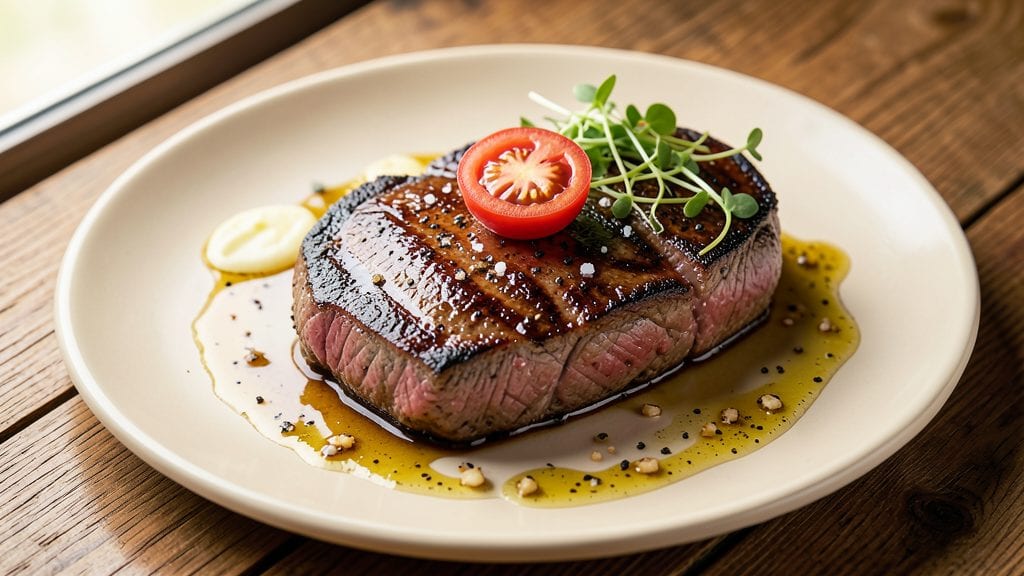
This stove-top sirloin steak recipe delivers a perfectly seared crust with a juicy rare core—the kind of restaurant-quality result you’d expect from a steakhouse, but made in your own kitchen.
The secret lies in precise heat control and a simple seasoning blend that enhances the natural beef flavor without overpowering it. I’ve perfected this method after years of testing, ensuring every bite is tender yet firm, with a caramelized exterior that locks in those precious juices.
The beauty of this technique is its simplicity: just a cast-iron skillet, high heat, and a few well-chosen ingredients. You’ll start with a dry-brined steak to guarantee maximum flavor and moisture retention, then sear it to develop that coveted crust before finishing it to your preferred doneness.
The result is a steak that’s juicy inside, with a crispy, golden-brown exterior that’s impossible to resist. No fancy equipment or complicated steps—just a foolproof method that works every time.
What sets this recipe apart is the attention to detail, particularly the resting period—a critical step often overlooked that makes all the difference between a good steak and a great one.
By letting the steak rest after cooking, the juices redistribute evenly, ensuring every slice is as tender as the first. This method also allows you to control the doneness precisely, whether you prefer it rare, medium-rare, or medium—though I’d argue rare is where this cut truly shines.
Serve your perfectly seared sirloin with a classic side of garlic mashed potatoes or a fresh arugula salad drizzled with balsamic glaze to round out the meal. The simplicity of the presentation lets the steak take center stage, showcasing its rich, beefy flavor and juicy texture.
Let’s get started on creating a steak that will impress even the most discerning palates.
Ingredients for sirloin steak stove top
Four simple components transform ordinary sirloin into steakhouse perfection—juicy, crusty, and full of flavor.
| Ingredient | Amount | Notes |
|---|---|---|
| Sirloin Steak 🥩 | 1 ½ lb | Center-cut, 1-inch thick slices |
| Diamond Crystal Kosher Salt 🧂 | 1 ½ tbsp | For dry brine, coarse grain |
| Freshly Ground Black Pepper 🌶️ | ½ tsp | Cracked over steak, not pre-ground |
| Extra-Virgin Olive Oil 🫒 | 2 tbsp | High smoke point, for searing |
| Unsalted Butter 🧈 | 2 tbsp | Cold, cut into small cubes |
| Garlic Cloves 🧄 | 4 cloves | Smashed, for finishing sauce |
| Fresh Rosemary Sprigs 🌿 | 2 whole | For aroma during searing |
| Fresh Thyme Leaves 🌿 | ¼ cup | Chopped, for finishing |
| Heavy Cream 🥛 | ¼ cup | For finishing sauce |
| Fresh Parsley Leaves 🌿 | 0.1 cup | Chopped, for garnish |
| Red Wine Vinegar 🍷 | 1 tbsp | For deglazing pan |
The steak is non-negotiable here. Center-cut sirloin with visible marbling delivers that perfect balance of tenderness and beefy flavor. Whole Foods or your local butcher shop will have the best cuts—look for bright red color and firm texture. If you're buying pre-sliced, Costco's vacuum-sealed packages are my go-to for even thickness. Thinner cuts (under 1-inch) cook faster and risk overcooking, so don't skimp on thickness. The dry brine is your secret weapon—Diamond Crystal kosher salt is ideal because its coarse texture clings better than table salt.
No fresh rosemary? Dried works at one-third the amount, but fresh has that piney aroma that makes all the difference. Running out of red wine vinegar? Apple cider vinegar does the job just fine. The butter matters—unsalted, cold cubes create the best sauce. If you're using salted butter, reduce the kosher salt in the brine by half. For the garlic, roasted cloves add sweetness, but raw works too. The heavy cream should be full-fat—none of that light stuff. And if you're worried about overcooking, use a meat thermometer (125°F for rare).
Steaks stay juicy for 2-3 days in the fridge if wrapped tightly in butcher paper. For longer storage, freeze for up to 3 months—thaw overnight in the fridge before cooking. The finishing sauce keeps for 3 days in the fridge, but reheat gently to preserve the cream's richness. I like to portion steaks into individual containers with a pat of butter and a sprig of rosemary for easy reheating.
Why You'll Love This Recipe
- Two-Ingredient Magic: The butter and olive oil combo basting the steak while it sears? That’s the secret—no fancy marinades, just rich, caramelized flavor in every bite. Honestly, I’ve tried all the rubs, but this method lets the steak’s natural beefiness shine.
- Weeknight Hero: Salt, pepper, and a hot pan—this steak is ready in 15 minutes, no oven needed. Between us, I’ve fed a crowd with this while still having time to actually sit down and eat it.
- Budget Steakhouse Feel: You’re getting restaurant-quality crust without the price tag. That crispy sear from the olive oil and butter? It’s the kind of texture that makes people ask, “Where’d you get this cut?”
- Leftovers That Don’t Suck: Slice the cooled steak thin and toss it into salads, wraps, or pasta the next day—it stays tender and packed with flavor. My kids actually ask for steak leftovers, and that’s saying something.
Step-by-step instructions for sirloin steak stove top recipe
Here's how to achieve that perfect pan-seared crust with a juicy rare core every time.
Prepare and Season the Sirloin Steak
Pat the 1.5 lb sirloin steak completely dry with paper towels—this is crucial for maximum crust development. I like to work with the steak at room temperature for even cooking, so let it sit uncovered on the counter for 30-45 minutes while you prep everything else.
Generously season both sides with 1.5 tbsp diamond crystal kosher salt and 0.5 tsp freshly ground black pepper. Press the salt into the meat so it adheres well. I find the coarse texture of kosher salt creates better texture than table salt. Let the steak rest for 10-15 minutes after seasoning—this allows the salt to penetrate and enhances flavor distribution.
Sear the Steak to Develop Crust
Heat a heavy skillet (cast iron works best) over high heat until it's smoking hot. Add 2 tbsp extra-virgin olive oil and let it shimmer for 30 seconds. Place the steak in the pan and let it sear undisturbed for 3-4 minutes until you develop a deep golden-brown crust on one side.
This is the moment that matters: I press down gently on the steak during the first minute to prevent curling, which ensures even contact with the pan. Flip the steak and add 2 whole fresh rosemary sprigs to the pan. Sear the other side for another 3-4 minutes, then reduce heat to medium and add 2 tbsp cold unsalted butter cut into small cubes. Let the butter baste the steak for 1 minute until it melts and forms a flavorful crust.
Create the Herb-Thyme Sauce
Remove the steak from the pan and let it rest on a warm plate. Increase heat to high and add 4 smashed garlic cloves to the pan. Sauté for 30 seconds until fragrant, then pour in 1 tbsp red wine vinegar to deglaze, scraping up any browned bits from the bottom. This creates the foundation for your sauce.
Reduce the heat to medium-low and stir in 0.25 cup chopped fresh thyme leaves and 0.25 cup heavy cream. Let the sauce simmer for 2-3 minutes until it thickens slightly to a velvety consistency. Taste and adjust seasoning with additional salt or pepper if needed. The sauce should coat the back of a spoon.
Finish and Serve Immediately
Return the steak to the pan and spoon the herb-thyme sauce evenly over the top. Let it baste for 1-2 minutes until the steak reaches 125°F for rare (use a meat thermometer for accuracy). The residual heat will finish cooking the steak perfectly while infusing it with sauce flavors.
Transfer the steak to a cutting board and let it rest for 5-10 minutes before slicing against the grain into ½-inch thick portions. Garnish each serving with 0.1 cup chopped fresh parsley leaves for a pop of color and freshness. Serve immediately with the remaining herb-thyme sauce spooned over the top for that restaurant-quality presentation.
Pro Tips For Making Sirloin Steak Stove Top
- CRANK THE HEAT FIRST: I learned this the hard way—starting with medium heat means a sad, gray steak. Sirloin needs screaming-hot oil (or butter) from the get-go to sear fast and lock in juices. Once you flip, dial it back to medium-high, but that initial burst is non-negotiable.
- SALT THE STEAK BEFORE SEARING: Diamond Crystal is less salty than table salt, so don’t skimp. Pat the steak completely dry, then hit both sides with salt before hitting the pan—it seasons deeper and helps form that crust. (Yes, even if you’re impatient like me.)
- DON’T FLIP TOO EARLY: The butter should foam and turn golden before you flip—usually 2-3 minutes for a 1-inch steak. Crowding the pan or flipping prematurely steams the meat instead of searing it. Patience here makes all the difference between a tough bite and a melt-in-your-mouth result.
- UPGRADE WITH A SPLASH OF WATER: This isn’t the prettiest method, but it works: Once the steak’s seared, add 2 tablespoons of water to the pan, cover, and let it steam for 2 minutes. The residual heat finishes cooking while keeping the outside crispy—no foil tenting required. (Your future self will thank you.)
Best sauces and condiments for this dish
Classic Herb-Thyme Sauce
The herb-thyme sauce in this recipe is where the magic happens—it transforms a simple sear into a restaurant-worthy dish. I start with 4 smashed garlic cloves sautéed in the steak's residual fat until fragrant, then deglaze with 1 tbsp red wine vinegar to scrape up those flavorful browned bits (fond).
The 0.25 cup heavy cream adds richness, while 0.25 cup chopped fresh thyme brings earthy depth. For extra brightness, finish with a pinch of Diamond Crystal kosher salt—this sauce should be velvety yet tangy, coating the steak like a silky blanket. 💫
Garlic Butter Baste
If you prefer a simpler approach, the garlic butter baste is foolproof and equally delicious. After searing, add 2 tbsp cold unsalted butter and 4 smashed garlic cloves to the pan, letting them melt and sizzle for 1-2 minutes.
The butter bastes the steak, infusing it with nutty, garlicky flavor while keeping it moist. For a smoky twist, add ½ tsp smoked paprika to the butter before melting. This method requires no extra steps—just the pan juices and a few simple ingredients. 🌟
Red Wine Reduction
For a more sophisticated touch, elevate the pan juices into a red wine reduction. After searing, remove the steak and deglaze the pan with ½ cup dry red wine (like Cabernet Sauvignon or Merlot), letting it reduce by half.
Stir in 1 tbsp cold butter to create a glossy, wine-infused sauce. The acidity cuts through the richness of the steak, while the wine adds complexity. This works especially well if you’re serving the steak with earthy sides like mushrooms or roasted root vegetables. 🍷
Chimichurri Finish
For a fresh, herb-forward contrast, whip up a quick chimichurri to serve alongside or drizzle over the steak.
Blend 0.5 cup parsley leaves, 0.25 cup cilantro, 2 garlic cloves, 2 tbsp red wine vinegar, 3 tbsp extra-virgin olive oil, and ½ tsp red pepper flakes in a food processor. The bright, tangy herbs cut through the richness of the steak beautifully.
This is my go-to for a lighter, summery twist—especially when paired with grilled vegetables or a simple arugula salad. 🌿
Béarnaise Sauce (Advanced)
If you’re feeling ambitious, a homemade béarnaise takes this steak to the next level. Melt 1 tbsp butter with 1 tbsp white wine vinegar, then whisk in 1 egg yolk, 1 tbsp Dijon mustard, and 1 tsp tarragon.
Slowly drizzle in 0.5 cup warm clarified butter while whisking vigorously. Strain for a silky, emulsified sauce with a delicate balance of tang and richness. This sauce pairs perfectly with the deep, beefy flavors of sirloin and feels like a true indulgence. 🔥
Quick Compound Butter
For a no-fuss, flavor-packed option, make compound butter ahead of time. Mix ½ cup softened unsalted butter with 1 tbsp minced shallots, 1 tbsp chopped parsley, 1 tsp lemon zest, and ½ tsp black pepper.
Shape into a log, chill, and slice thin pats onto the steak during the last minute of resting. The butter melts into the steak, infusing it with bright, herby notes without extra sauce. This is my secret weapon for effortless elegance—even when I’m short on time. ✨
Nutrition facts
Frequently asked questions
Can I cook sirloin steak on the stove without a cast-iron skillet?
A heavy stainless steel or carbon steel skillet works well, but cast iron is ideal for even heat distribution. If you don't have cast iron, preheat your pan for 5 minutes on high heat to mimic the same searing effect. Just monitor the temperature closely—stainless steel conducts heat differently and may require slightly longer cooking times.
How do I know when my steak is done without a meat thermometer?
For rare, press the steak gently with your fingers—it should feel very soft (like pressing your thumb against your palm). Medium-rare will have a slight give, while medium will feel springy. For sirloin, the ideal doneness is rare to medium-rare (125°F-130°F internal temp). If you're unsure, cut into the thickest part—juices should run clear for rare, slightly pink for medium-rare.
Why does my steak turn out dry when cooked on the stove?
Overcooking is the #1 cause of dry steak. Sirloin is a leaner cut, so it cooks faster than ribeye or strip steak. Use high heat for searing (3-4 minutes per side max), then finish with residual heat. Always let the steak rest for 5-10 minutes—this redistributes juices. Another tip: Pat the steak completely dry before seasoning to prevent steaming.
What's the best way to reheat leftover sirloin steak?
Slice the steak into ½-inch portions and reheat in a cold skillet over medium-low heat with a splash of beef broth or water. Cover to trap steam for 2-3 minutes max—this prevents drying. For extra flavor, add a pat of butter and fresh herbs. Never microwave, as it creates rubbery texture.
Can I marinate sirloin steak before cooking?
While you can marinate, it's not necessary for this recipe—the dry brine enhances flavor without altering texture. If you prefer marinating, use a simple mix of olive oil, garlic, rosemary, and black pepper for 1-2 hours max. Avoid acidic marinades (like vinegar or citrus) for more than 30 minutes, as they can break down the meat's surface and cause it to turn tough.