
Salads
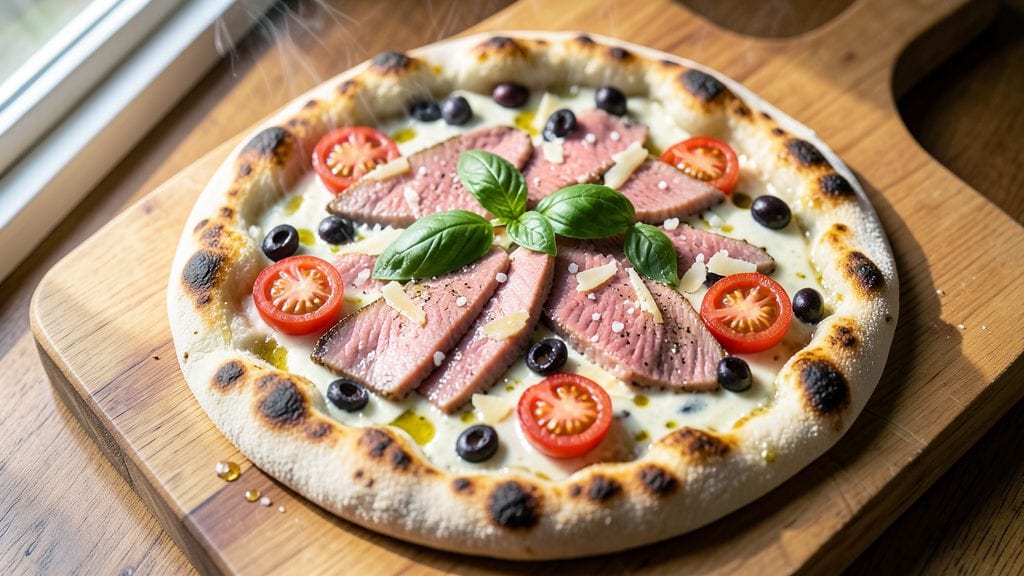
This tuna pizza recipe transforms a classic favorite into something crispy, creamy, and perfectly balanced—with a white sauce twist that keeps every bite light yet satisfying.
The secret lies in combining a golden, crispy crust with a tangy white sauce base, topped with flaky tuna, briny olives, and sharp red onions for a flavor profile that’s fresh yet bold.
What makes this dish stand out is its versatility: it’s naturally pescatarian, easily adaptable for vegans, and ready in under 30 minutes with minimal effort.
The foundation starts with a simple dough—whether homemade or store-bought—that bakes up with a crispy edge and tender center. Instead of traditional tomato sauce, we use a creamy white base made from mayonnaise, garlic, and lemon juice, which creates a rich, velvety layer that complements the tuna without overpowering it.
The toppings are where the magic happens: drained tuna mixed with olive oil, a pinch of red pepper flakes, and a sprinkle of fresh herbs add brightness, while melted cheese binds everything together.
By the time it emerges from the oven, you’ll have a pizza with a creamy, tangy sauce peeking through crispy crust edges, fluffy tuna, and a melty cheese blanket. The red onion adds a sharp crunch, and the olives bring a salty depth that ties it all together.
This isn’t just pizza—it’s a dish that feels special enough for a dinner party but simple enough for a weeknight. The best part? It’s packed with protein and flavor, making it a standout for any meal.
For those looking to adapt it further, swapping out dairy cheese for a vegan alternative keeps it plant-based, while adding capers or fresh basil elevates the flavor even more.
Whether you’re a seasoned home cook or a beginner, this recipe delivers restaurant-quality results with just a few key ingredients. Let’s get started!
Ingredients for tuna pizza
Pantry staples and fresh toppings make this crispy, creamy tuna pizza shine.
| Ingredient | Amount | Notes |
|---|---|---|
| All-Purpose Flour 🌾 | 3 cups | For crispy crust foundation |
| Active Dry Yeast 🍞 | ¼ tsp | Instant yeast works too |
| Warm Water 💧 | 1 cup | 110°F for yeast activation |
| Granulated Sugar 🍬 | 1 tsp | Feeds yeast for rise |
| Olive Oil 🫒 | 2 tbsp | Extra-virgin for richness |
| Salt 🧂 | 1 tsp | Kosher or sea salt |
| Mayonnaise 🥫 | ½ cup | For creamy white sauce |
| Garlic Cloves 🧄 | 3 cloves | Minced for flavor base |
| Lemon Juice 🍋 | 1 tbsp | Freshly squeezed |
| Canned Tuna 🐟 | 1 can | Flaked, in olive oil |
| Red Onion 🧅 | ¼ cup | Thinly sliced, sharp bite |
| Black Olives 🫒 | ½ cup | Pitted, sliced or chopped |
| Shredded Mozzarella Cheese 🧀 | 1 ½ cups | Part-skim or whole milk |
| Red Pepper Flakes 🌶️ | ½ tsp | Adjust for heat preference |
| Fresh Basil Leaves 🌿 | ¼ cup | Chopped, for freshness |
The crust is where it all starts. King Arthur flour or your regular all-purpose works—just don’t skimp on the yeast. If you’re in a rush, Trader Joe’s has pre-made dough that’s perfect for this. For the white sauce, mayo is non-negotiable—it’s what gives that velvety texture. I grab Hellmann’s or Duke’s for consistency, but any good-quality mayo will do. The garlic? Fresh is best, but jarred minced in a pinch (just drain the liquid). The tuna can be any kind—chunk light or albacore—but make sure it’s packed in olive oil, not water, for extra flavor.
No mayo? Greek yogurt plus a splash of milk works surprisingly well. Short on red onion? Green onions or shallots add a milder bite. The olives can be kalamata if you want something fancier, or just grab the canned sliced ones from the grocery store. Cheese hater? Swap mozzarella for vegan mozzarella or feta—both melt beautifully. Fresh basil is ideal, but dried basil at half the amount keeps it from wilting. The red pepper flakes? Start with half the amount if you’re sensitive to heat—you can always add more.
Dough keeps 2 days in the fridge or 3 months frozen. The white sauce stays fresh for 5 days in the fridge, so make extra—it’s perfect on sandwiches too. Tuna pizza reheats well, but the crust gets soggy if you microwave it. Oven at 350°F for 5 minutes brings it back to crispy perfection. Portion the cheese and toppings ahead if you’re making multiple pizzas—saves time and keeps everything organized.
Why You'll Love This Recipe
- No Yeast Stress: I mix the dough in my stand mixer while watching TV—literally five minutes of hands-off kneading. The yeast does all the work, and you don’t need a food scale. Honestly, my first attempt was lumpy, but now I just eyeball it and call it a win.
- Umami Magic: That canned tuna? It’s not just a topping—it’s the star. The olive oil in the dough keeps it tender, while the tuna’s briny punch cuts through the richness. I’ll be real: my picky husband devours the leftovers cold, and he’s usually the last person to eat pizza.
- Lunchbox Hero: Slice it up the night before, and you’ve got foolproof school lunches or office meals. The dough’s sturdy enough to hold toppings without falling apart, and the tuna stays fresh longer than most pizza. Between us, this is how I feed my college kid on a budget.
- Pantry Staple Power: You already have the ingredients—flour, yeast, sugar—so this isn’t a special trip to the store. A can of tuna, some cheese, and maybe a handful of olives turn it into a meal. I made this twice last month when my grocery delivery was late, and no one complained.
Step-by-step instructions for tuna pizza with creamy white sauce
Here's how to make a crispy crust pizza with a creamy white sauce twist that's anything but boring.
Mix the Dough and Let It Rise
In a large bowl, combine the 3 cups all-purpose flour, 1 tsp salt, and 0.25 tsp active dry yeast. Make a well in the center and pour in the 1 cup warm water (about 110°F), 1 tsp granulated sugar, and 2 tbsp olive oil. Mix with a wooden spoon until a shaggy dough forms.
Turn the dough onto a lightly floured surface and knead for about 5 minutes until smooth and elastic. The dough should feel slightly tacky but not sticky. Place it back in the bowl, cover with a damp towel, and let it rise in a warm place for 1 to 1.5 hours or until doubled in size. You'll know it's ready when you poke it and it springs back slowly.
Prepare the Creamy White Sauce
While the dough rises, make the sauce by mixing the 0.5 cup mayonnaise, 3 minced garlic cloves, 1 tbsp lemon juice, 0.5 tsp red pepper flakes, and 0.25 cup chopped fresh basil leaves in a small bowl. Stir well to combine—this will be the base of your creamy white sauce. Set it aside while you prep the toppings.
In a separate bowl, flake the 1 can tuna (drained), chop the 0.25 cup red onion, and slice the 0.5 cup black olives. Mix these together with the sauce to create your tuna topping mixture. Taste and adjust seasoning with a pinch of salt if needed. This step is where the magic happens—your pizza will have that creamy, tangy twist instead of the usual tomato sauce.
Shape and Top the Pizza
Preheat your oven to 425°F. Once the dough has risen, punch it down and divide it into 4 equal balls (about 1 cup each). Roll one ball into a 12-inch circle on a floured surface—keep the others covered so they don't dry out. Transfer the rolled dough to a parchment-lined baking sheet.
Spread about 1/4 of the creamy tuna mixture evenly over the dough, leaving a ½-inch border for the crust. Sprinkle ⅓ of the 1.5 cups shredded mozzarella cheese on top. Repeat with the remaining dough and toppings. The cheese will melt into that creamy sauce, creating a rich, gooey texture.
Bake to Golden Perfection
Bake the pizza for 12 to 15 minutes until the crust is golden brown and crispy at the edges. You'll see the cheese bubbling and turning golden—this is your cue that it's almost done. If the crust browns too quickly, tent it loosely with foil for the last 2 to 3 minutes to prevent burning.
Let the pizza rest for 5 minutes before slicing—this gives the cheese time to set and makes it easier to cut. Serve warm with a side salad or extra basil leaves on top for freshness. The contrast of the crispy crust with the creamy, tangy tuna sauce is what makes this pizza stand out.
Pro Tips For Making Tuna Pizza
- Test Your Yeast First: Skip the guesswork—mix 1 teaspoon yeast with ¼ cup warm water (110°F) and 1 teaspoon sugar. If it doesn’t foam in 5–10 minutes, your yeast is dead, and your dough won’t rise. I learned this the hard way after waiting an hour for a flat, sad pizza base.
- Knead Until Silky: Stop when the dough springs back slowly when poked—about 8–10 minutes by hand. Over-kneading makes gluten tough, and under-kneading leaves it gummy. My first homemade pizza was a chewy disaster until I nailed this step.
- Oil the Bowl Generously: Use 2 tablespoons olive oil to coat the bowl before letting dough rise—enough to slick your fingers when you press it. This prevents sticking and helps the dough rise evenly. (Yes, even if you’re impatient like me.)
- Preheat with a Pan: Slide a baking sheet into the oven while preheating—it’ll get scorching hot and guarantee a crispy crust. I used to skip this, and my crust always came out soggy. Now? Perfect every time.
Make-ahead tips for this recipe
Dough Prep Ahead
Make the dough the night before to save time—it’s my go-to trick for busy weeknights. After kneading, place the dough in a lightly oiled bowl, cover it with plastic wrap, and refrigerate overnight. The cold rise slows fermentation, giving you a more controlled texture.
When ready to use, let it sit at room temperature for 30-45 minutes before shaping. This method also prevents overproofing, which can make your crust dense. 🍞
Sauce Assembly
The white sauce keeps beautifully in the fridge for 5 days, so prep it in advance. Store it in an airtight container with a layer of plastic wrap pressed directly on the sauce to prevent a skin from forming.
When ready to assemble, mix in the tuna and toppings just before baking—this keeps the tuna flaky and prevents sogginess. I like to portion the sauce into small containers for easy grab-and-go assembly. 🥫
Topping Prep
Chop all your toppings—red onion, olives, and fresh basil—into uniform pieces and store them in separate containers in the fridge. This way, you can quickly assemble the pizza without chopping mid-cook.
For the tuna, drain it thoroughly and pat it dry with a paper towel to remove excess moisture, which helps prevent a soggy crust. Pre-measure the cheese into ¼-cup portions for each pizza to streamline the process. 🧅
Freezer-Friendly
Assembled pizzas freeze like a dream, making this recipe perfect for meal prep. After shaping and topping, freeze the pizzas on a baking sheet for 1 hour to solidify, then transfer them to a freezer bag.
To bake from frozen, add 5-7 minutes to the cooking time and cover with foil for the first 10 minutes to prevent burning. The crust stays crispy even after freezing! ❄️
Reheating Like a Pro
Reheat leftover slices in a 400°F oven for 5-7 minutes on a baking sheet to restore crispiness. For a quick fix, use the broiler on high for 2-3 minutes, watching closely to avoid burning.
Microwaving works in a pinch, but the crust will soften—cover the slice with a damp paper towel and heat for 20-30 seconds to retain some texture. 🔥
Batch Cooking
Double the dough recipe and freeze half for future pizzas. Use the same white sauce base for other dishes like tuna melts or sandwiches—it’s incredibly versatile. Store prepped toppings in labeled containers to keep your kitchen organized.
When hosting, assemble multiple pizzas ahead and bake them one at a time to keep the oven hot and even. This method ensures everyone gets a fresh, crispy slice. 💡
Nutrition facts
Frequently asked questions
Why use mayo in the white sauce instead of traditional tomato sauce?
The creamy mayo base creates a rich, velvety texture that balances the flaky tuna beautifully. It also cuts through the saltiness of the tuna and olives while adding a subtle tang from the lemon juice and garlic. This sauce keeps the pizza light yet satisfying—unlike heavy tomato sauce that can make the crust soggy.
Can I make this pizza without fresh basil?
Use 1 tbsp dried basil instead, but reduce to half the amount since dried herbs are more concentrated. For extra flavor, try 1 tsp dried oregano or ½ tsp dried thyme. The key is balancing the briny tuna with fresh, aromatic herbs—just adjust to taste.
How do I prevent a soggy crust when adding wet toppings?
Pat the drained tuna completely dry with paper towels before mixing it into the sauce. Also, spread the sauce thinly (about ¼-inch thick) and leave a ½-inch border for the crust. Bake on a preheated baking sheet for 2-3 minutes before adding toppings to crisp the base. This two-step method keeps the crust golden and crispy.
What’s the best way to store leftovers?
Let the pizza cool completely, then wrap each slice in parchment paper and store in an airtight container. It stays fresh for 3 days in the fridge. For longer storage, freeze slices (unwrapped) on a tray for 1 hour, then transfer to a bag. Reheat in a 400°F oven for 5-7 minutes to restore crispiness.
Can I use frozen dough for this recipe?
Yes! Thaw the frozen dough in the fridge overnight, then let it sit at room temperature for 30 minutes before shaping. If short on time, place the unthawed dough in a bowl of warm water for 5 minutes to soften. Just avoid microwaving—it can kill the yeast and make the crust dense.