
Side Dishes
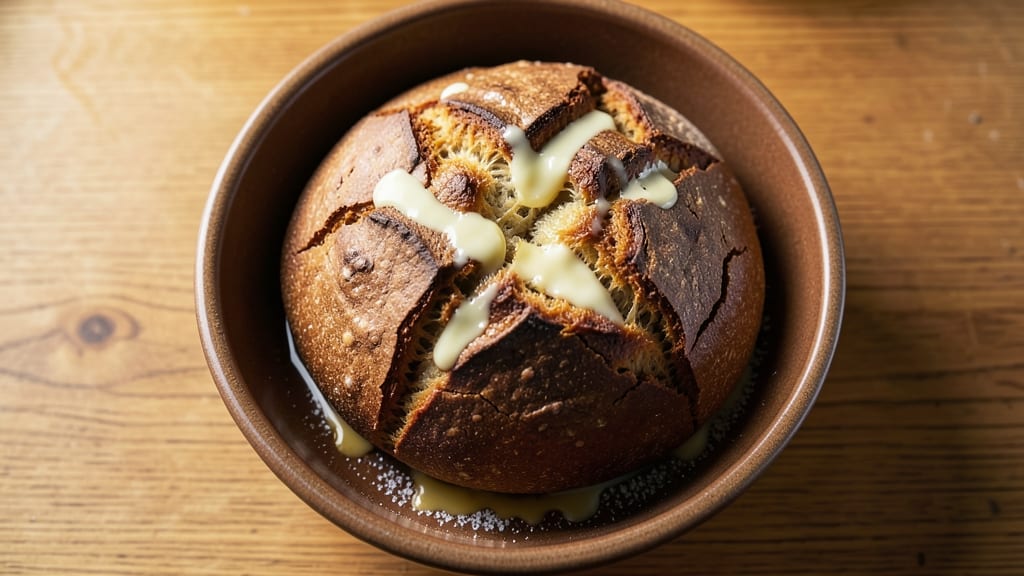
This ale bread recipe transforms ordinary loaves into a savory, beer-infused masterpiece with a crusty crunch that rivals artisanal bakeries. The secret lies in using ale—not just any beer, but a malty, flavorful variety—to create a loaf with depth and complexity that dry flour alone can't match.
I developed this recipe after years of experimenting with beer-based breads, and the difference in texture and taste is night and day compared to traditional sourdough or white bread.
What makes this ale bread special is its versatility—it works as a hearty side for soups and stews, a sturdy base for sandwiches, or even a showstopping centerpiece when sliced and toasted with butter.
The ale contributes a subtle malt sweetness while enhancing the bread's structure, resulting in a loaf that's both tender inside and crispy on the outside.
The process is straightforward, but the fermentation time allows flavors to meld perfectly, ensuring every bite delivers that satisfying blend of savory and slightly sweet notes.
By the time you pull this loaf from the oven, you'll have a golden-brown crust that snaps satisfyingly under your fingers, while the interior remains soft and airy. The aroma alone—warm, malty, and inviting—will have everyone at the table asking for seconds.
Whether you're serving it alongside a hearty beef stew or using it to soak up gravy, this bread elevates any meal with its rich, beer-infused character.
The best part? You can customize it further by adding herbs, cheese, or even a touch of honey to the dough before baking. Let’s get started on creating a loaf that’s as impressive as it is delicious.
Ingredients for ale bread
Pantry basics meet craft brew magic—this ale bread needs just 12 ingredients for a loaf with restaurant-worthy crust.
| Ingredient | Amount | Notes |
|---|---|---|
| Dark Ale Beer 🍺 | 1 ½ cups | Malty, flavorful variety preferred |
| All-Purpose Flour 🌾 | 5 cups | High-protein for chewy texture |
| Active Dry Yeast 🍞 | 2 ¼ tsp | Fresh yeast preferred if available |
| Granulated Sugar 🍬 | 1 tbsp | Feeds yeast for fermentation |
| Unsalted Butter 🧈 | ½ cup | Cold, cubed for dough |
| Warm Water 💧 | 1 ¼ cups | 110°F for yeast activation |
| Diamond Crystal Kosher Salt 🧂 | 1 ½ tsp | Adjust to taste |
| Cornmeal 🌽 | ¼ cup | For dusting baking sheet |
| Coarse Sea Salt 🧂 | 1 tbsp | For final crust sprinkle |
| Garlic Powder 🧄 | 1 tsp | Optional, for savory depth |
| Fresh Rosemary 🌿 | 1 tbsp | Chopped, for herb variation |
| Ice Water ❄️ | ½ cup | For final dough chilling |
The ale is non-negotiable—skip the light lagers. Stout or porter adds depth, but amber ales from craft breweries like Allagash or Sierra Nevada are my go-tos. If you're using a bottle, let it warm to room temp first (cold beer kills yeast). For flour, King Arthur or Caputo make all the difference in texture. The yeast? If it's been sitting in your pantry for years, test it first—sprinkle in warm water with sugar, wait 10 minutes. No bubbles? Hit the store for fresh. And trust me on the butter—full-fat, unsalted gives that perfect crumb.
No dark ale? Substitute with stout or porter—just add 1 tbsp extra sugar to balance bitterness. Running low on rosemary? Thyme or oregano work too. For a sweeter loaf, swap 1 tbsp of the water for honey. The cornmeal is key for that crisp crust—don't skip it. If you're making this ahead, freeze the shaped loaf before baking. Thaw overnight in the fridge, then bake as directed. The dough will be sticky, but wet hands and a dough scraper make handling easier. And if your kitchen's hot, chill the dough for 30 minutes before shaping—it prevents overproofing.
This bread keeps 3 days at room temp wrapped in a towel, or 1 week refrigerated in an airtight bag. For longer storage, freeze the whole loaf—wrap tightly in foil first, then plastic. To revive, warm at 350°F for 10 minutes. The crust gets even better the next day. I always make a double batch—one for toasting with butter, one for sandwiches. The rosemary version? Perfect with soups, but the plain loaf soaks up gravy like a dream. And if you're feeling fancy, brush warm loaves with melted butter before serving.
Why You'll Love This Recipe
- No-Knead Magic: I swear by this—just mix, let it rise overnight, and bake. The beer does all the work while I sleep, and honestly? That’s my kind of cooking.
- Rich, Deep Bite: That dark ale isn’t just flavor—it’s character. The caramel and malt notes from the beer shine through, especially when you toast it with butter. (Yes, even on a Tuesday night.)
- Weeknight & Weekend Hero: Toss a loaf in the oven while you grill burgers or roast veggies—it’s the perfect side. Slice it thick for sandwiches or serve it warm with soup. My go-to for any meal.
- Budget-Friendly Staple: A single loaf costs pennies to make, and it keeps for days. Freeze slices for quick toast later, or use stale pieces in croutons. Between us? This is how I stretch my grocery budget without sacrificing taste.
Step-by-step instructions for ale bread recipe
Here's the method for a rich, chewy loaf with a crisp crust—beer-infused perfection awaits.
Activate the Yeast with Warm Beer and Sugar
In a small bowl, combine the 1.5 cups dark ale beer and 1 tbsp granulated sugar. Stir until the sugar fully dissolves, then sprinkle the 2.25 tsp active dry yeast over the surface. Let this mixture sit for 5-10 minutes until it becomes foamy and bubbly—this confirms your yeast is active and ready to work.
I always test the beer's temperature first—it should be between 90-100°F. If it's too cold, place the bowl in warm water for 2-3 minutes to activate the yeast properly. The foamy bubbles indicate the yeast is consuming the sugar and releasing carbon dioxide, which is essential for a light, airy crumb in your bread.
Mix the Dough and Incorporate Butter
In a large mixing bowl, whisk together the 5 cups all-purpose flour and 1.5 tsp diamond crystal kosher salt. Make a well in the center and pour in the yeast mixture along with the 1.25 cups warm water. Using a wooden spoon, stir until a shaggy dough forms—this should take about 1-2 minutes. The dough will be sticky, which is normal.
Add the 0.5 cup cold unsalted butter, cut into small cubes, and the 1 tsp garlic powder. Mix until the butter is fully incorporated and the dough begins to come together. If the dough feels too dry, add 1 tablespoon of ice water at a time until it reaches a soft, pliable consistency. The goal is a dough that's slightly tacky but not wet—this ensures proper gluten development during kneading.
Knead and Develop Gluten for Maximum Chewiness
Turn the dough onto a lightly floured surface and knead for 8-10 minutes by hand, or use a stand mixer with a dough hook on medium speed for 5-6 minutes. You'll know it's ready when the dough springs back slowly when poked and forms a smooth, elastic ball. The gluten development is crucial here—it creates the chewy texture that makes this ale bread so satisfying.
Real talk: if your kitchen is humid, you might need to add a bit more flour to prevent sticking. But don't overdo it—too much flour will result in a dense, dry loaf. Once kneaded, place the dough in a lightly oiled bowl, cover it with a damp towel, and let it rise in a warm place for 1-1.5 hours, or until it has nearly doubled in size. You'll see the dough puff up and feel light when pressed gently.
Shape and Second Rise with Herb Infusion
Punch down the risen dough to release air, then turn it onto a floured surface. Gently shape it into a 9x5-inch loaf pan, tucking the edges under as you go. This ensures an even rise and a uniform shape. Brush the top with a bit of ice water to help the herbs adhere, then sprinkle evenly with the 1 tbsp chopped fresh rosemary and 1 tbsp coarse sea salt. The salt will create that coveted crispy crust while the rosemary adds an aromatic depth.
Cover the loaf pan with a damp towel and let it rise again for 30-45 minutes, or until the dough has risen about 1 inch above the pan. This second rise is essential for achieving that airy, open crumb. Preheat your oven to 375°F during this time—you want the oven fully heated before baking begins.
Bake to Golden Perfection with Cornmeal Crust
Once the oven is preheated, place the loaf pan on the middle rack. Bake for 35-40 minutes until the bread is deep golden brown and sounds hollow when tapped on the bottom. For extra crustiness, sprinkle 0.25 cup cornmeal over the top during the last 5 minutes of baking. The cornmeal adds texture and prevents the crust from becoming too soft.
Remove the bread from the oven and let it cool in the pan for 10 minutes, then transfer it to a wire rack to cool completely. Here's the thing—resist the urge to slice it immediately. Letting it cool for at least 30 minutes ensures the crumb sets properly, preventing a gummy texture. Once cooled, slice and serve warm for the ultimate ale bread experience—crispy crust, chewy interior, and that malty beer flavor throughout.
Pro Tips For Making Ale Bread
- Use Room-Temp Beer: DESCRIPTION: Cold beer kills yeast faster than a winter walk. Pour that dark ale into a warm bowl (75°F or so) and let it sit for 10 minutes before mixing—your dough will rise twice as fast, and you’ll avoid that sad, flat loaf look.
- Measure Flour Right: DESCRIPTION: Scoop and level—that’s the rule. Packing flour into your measuring cup traps air, making your bread dense and chewy. Spoon it in, then swipe off the top with a knife. Trust me, your bread’s texture will thank you.
- Don’t Over-Knead: DESCRIPTION: I used to think more kneading = better bread. Wrong. Dark ale dough is delicate—knead just until it pulls away cleanly from the bowl (about 8-10 minutes by hand). Overwork it, and you’ll end up with a tough, dry loaf instead of that perfect chewy crumb.
- Brush Butter Cold: DESCRIPTION: Skip the melted butter on top—it’ll sink in and make your crust soggy. Instead, brush softened (not melted) unsalted butter over the shaped loaf before baking. It’ll brown beautifully and give that rich, buttery finish without turning your bread into a science experiment.
Perfect pairings for ale bread
Beer Pairings
The ale you bake with is just the beginning—pairing your finished loaf with the right beer elevates every bite. I recommend a Belgian-style witbier like Hoegaarden for its citrusy notes that complement the malty sweetness of the bread.
The effervescence cuts through the richness beautifully. For something bolder, try a dark porter—the roasted flavors mirror the bread's depth. 🍺
Butter and Jam
Warm slices of this ale bread with European-style cultured butter> (like Plugrá) and a drizzle of spiced apple butter creates a perfect balance of savory and sweet.
The butter's tang enhances the beer's maltiness while the jam adds a fruity contrast. For a savory twist, try garlic-herb butter> with a sprinkle of flaky sea salt.
Soup Companions
This bread is a game-changer with hearty soups. A creamy mushroom risotto> lets the bread soak up the rich broth, while a spicy tomato bisque> benefits from the bread's crispy crust.
For a lighter option, pair with a lemon-herb chicken soup>—the ale bread's malty notes complement the citrus perfectly. The key is serving the bread warm.
Cheese Boards
Create a showstopping cheese board by pairing ale bread with aged cheddar>, blue cheese>, and goat cheese>. The bread's chewy texture contrasts beautifully with creamy brie or sharp gouda.
Add cured meats> like prosciutto or salami, and finish with honeycomb> or fig jam> for that perfect sweet-savory balance.
Breakfast Twist
Who says ale bread is just for dinner? Toast thick slices and top with scrambled eggs>, crispy bacon>, and a sprinkle of fresh chives>. The beer's maltiness adds depth to breakfast, while the crusty exterior holds up perfectly.
For a sweeter morning, try it with cinnamon-raisin butter> and a drizzle of maple syrup. 🥞
Gravy Soaker
This bread is a dream for soaking up gravies—especially after a roast beef dinner. The crispy crust> stays intact while the interior absorbs the rich flavors. For maximum effect, cut the bread into thick slices> and serve with homemade beef gravy> or a mushroom-wine reduction>.
The ale's malty notes enhance the gravy's depth, making every bite unforgettable.
Nutrition facts
Frequently asked questions
Can I substitute ale with another type of beer?
The best results come from malty, flavorful beers like stout or porter, but you can use amber ale or even a light lager in a pinch. Just add 1 extra tablespoon of sugar if using a bitter beer to balance the flavor. Avoid highly carbonated beers—they can make the dough too airy and affect texture.
Why does my ale bread turn out dense instead of chewy?
Dense bread usually means underproofed dough or over-kneading. Let the dough rise until it nearly doubles in size, and knead just until smooth (about 8-10 minutes). Also, ensure your yeast is fresh—old yeast won't activate properly, leading to poor fermentation.
How do I store ale bread to keep it fresh?
Wrap the cooled loaf in a clean kitchen towel and store at room temperature for 3 days. For longer storage, freeze the whole loaf (wrapped tightly) for up to 3 months. To revive, warm at 350°F for 10 minutes—the crust gets even better the next day!
Can I make ale bread without a loaf pan?
Shape the dough into a free-form round or oval, place on a parchment-lined baking sheet, and bake at 375°F for 25-30 minutes. For extra crustiness, sprinkle with cornmeal or coarse salt before baking. The texture will be slightly different but still delicious!
What’s the secret to a crispy crust?
Three keys:
- Steam—place a baking tray with boiling water in the oven while preheating.
- Salt—sprinkle coarse sea salt on top before baking.
- Cornmeal—add it in the last 5 minutes of baking. The combination creates that perfect snap!