
Soups & Stews
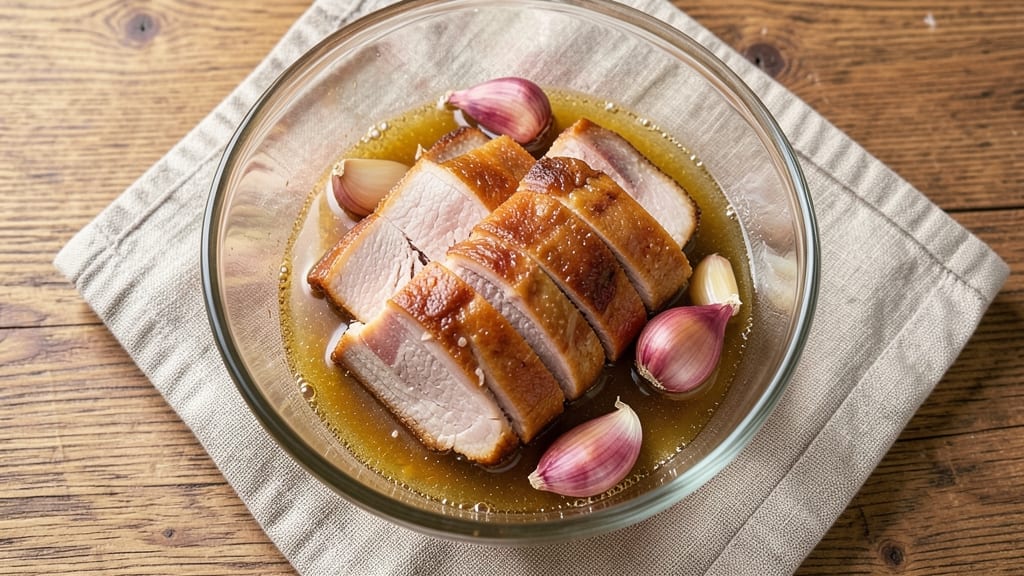
This souse meat recipe transforms simple pork into a vibrant, tangy masterpiece that bridges Southern tradition and bold flavors—perfect for sandwiches, salads, or as a standalone appetizer.
Standing on a step stool in my grandmother’s kitchen in Sicily, I first learned how to balance the acidity of vinegar with the richness of pork, creating a dish that’s both nostalgic and refreshingly modern.
The slow cure develops layers of flavor that store-bought versions can’t match, with crispy edges and tender meat that practically melts in your mouth.
The secret lies in the slow-curing process, where the pork absorbs a tangy brine infused with garlic, mustard, and aromatic spices over at least 24 hours—ideally longer for deeper flavor. Unlike quick-pickled meats, souse builds complexity through time, turning humble pork into something extraordinary.
This method ensures every bite delivers that perfect balance of crunchy texture and juicy tenderness, with a vinegar-kissed bite that’s addictive.
What makes this recipe special is its versatility—serve it chilled in crisp lettuce cups, piled high on toasted bread for a hearty sandwich, or even lightly warmed for a comforting stew.
The tangy crunch pairs beautifully with sharp cheeses, creamy dressings, or as a topping for roasted vegetables. Once you try homemade souse, the pre-packaged versions won’t compare.
For those short on time, a quick 12-hour cure works in a pinch, though purists insist on the full 48-hour process for maximum flavor.
Either way, you’ll end up with a dish that’s as impressive as it is delicious—ideal for holiday gatherings or a weeknight snack that feels like a celebration. Let’s get started on creating your own tradition-worthy souse.
Ingredients for souse meat
The backbone of this souse: pork, vinegar, and spices that transform humble ingredients into a tangy, crispy masterpiece.
| Ingredient | Amount | Notes |
|---|---|---|
| Pork Shoulder 🥓 | 1 ½ lb | Bone-in, cut into 1-inch cubes |
| White Vinegar 🍶 | 1 cup | Distilled for best results |
| Water 💧 | 1 cup | Filtered preferred |
| Granulated Sugar 🍚 | ½ cup | Light brown preferred |
| Diamond Crystal Kosher Salt 🧂 | ½ cup | Not table salt |
| Garlic Cloves 🧄 | 6 whole | Smash lightly before adding |
| Yellow Mustard Seeds 🌶️ | 1 tbsp | Whole, not powdered |
| Dried Thyme 🌿 | 1 tbsp | Or 1 tbsp fresh thyme leaves |
| Black Peppercorns 🌶️ | 1 tsp | Freshly cracked |
| Bay Leaves 🍃 | 2 whole | Fresh preferred |
| Red Wine Vinegar 🍷 | ¼ cup | For depth of flavor |
| Extra-Virgin Olive Oil 🫒 | 2 tbsp | For final crisping |
The pork shoulder is non-negotiable here—its fat content ensures that perfect balance of crunchy exterior and tender interior. Look for a cut with good marbling at Whole Foods or your local butcher shop, where they can cut it precisely. If you're using pre-cut pork, check for any silver skin—trim it off, as it can make the meat tough. For the vinegar, Heinz white vinegar is my go-to, but any distilled variety works. The sugar and salt work together to create an ideal brine—light brown sugar adds subtle caramel notes, while Diamond Crystal kosher salt dissolves completely without clouding the liquid. Pro tip: Smash those garlic cloves with the flat side of your knife first—they'll infuse flavor faster during the cure.
No white vinegar? Apple cider vinegar at half the amount works in a pinch, though it'll have a slightly sweeter profile. Swapping out the mustard seeds for 1 tbsp Dijon mustard adds instant depth, but you'll miss that subtle crunch. Fresh thyme is ideal, but if you're using dried, measure it by the teaspoon—it's more concentrated. The peppercorns should be freshly cracked; pre-ground loses its punch quickly. For the bay leaves, dried works fine, but fresh adds a brighter aroma. Red wine vinegar is optional but worth it for that extra layer of complexity—if you skip it, just add an extra splash of white vinegar. And that olive oil? Use it sparingly for crisping—extra-virgin is best, but any good-quality oil will do.
Once cured, store the souse in its brine in the fridge for up to 1 week, though it's best enjoyed within 3-4 days. For longer storage, freeze the pork in its brine for up to 3 months. The brine itself can be reused once or twice for extra flavor—just reheat it gently before using. To serve, drain the pork and pat it dry before pan-frying in olive oil for that perfect crispy texture. Leftovers? Toss them into sandwiches, salads, or even a hearty stew. The brine makes a surprisingly good marinade for grilled chicken or fish too—don't waste it!
Why You'll Love This Recipe
- Five-Ingredient Magic: I swear, this recipe feels like cheating—just pork shoulder, vinegar, sugar, salt, and water. That’s it. No fancy spices, no chopping marathons, just a pot and patience.
- Tangy-Sweet Crunch: The vinegar cuts through the richness while the sugar caramelizes into a sticky, glossy crust. Honestly, the contrast of that crispy exterior with the tender meat inside? It’s the kind of bite that makes you reach for seconds without thinking.
- Potluck Hero: Between us, this is my go-to for gatherings—no one questions the dish, and it reheats like a dream. I’ve brought it to picnics, BBQs, and even my book club (yes, really) because it’s reliable and always disappears first.
- Budget-Friendly Staple: A whole pork shoulder feeds my family for days, and the ingredients? You’re looking at pennies per serving. I’ll be real: I’ve turned leftovers into sandwiches, tacos, and even breakfast hash—this meat works harder than my Sunday mornings.
Step-by-step instructions for slow-cured spice-infused pork with tangy crunch
Here's how to transform simple pork shoulder into rich, tender souse meat with a perfect balance of spice and tang.
Create the Spiced Brine Solution
In a large non-reactive bowl, combine the 1 cup white vinegar, 1 cup water, 0.5 cup granulated sugar, and 0.5 cup diamond crystal kosher salt. Whisk vigorously until the sugar and salt completely dissolve—this ensures even distribution throughout the pork. The mixture should be clear with no visible crystals remaining.
Next, add the smashed 6 whole garlic cloves, 1 tablespoon yellow mustard seeds, 1 tablespoon dried thyme, 1 teaspoon cracked black peppercorns, and 2 whole bay leaves. Stir gently to incorporate these aromatic elements without crushing them. The brine should take on a golden hue from the spices and a subtle garlic aroma that fills your kitchen. Let this mixture sit at room temperature for 10 minutes to allow the flavors to meld.
Cure the Pork Shoulder in the Brine
Place the 1.5 lb pork shoulder cubes into the prepared brine, making sure each piece is fully submerged. Use a clean spoon or your hands to press down any floating pieces. Cover the bowl with plastic wrap and refrigerate for exactly 24 hours. This precise curing time is critical—it develops the characteristic tangy flavor while keeping the meat tender.
After 24 hours, remove the pork from the brine and pat it dry thoroughly with paper towels. The meat should feel firm but still moist, and you'll notice a thin white film forming on the surface—this indicates successful curing. Discard the used brine, as it contains all the dissolved flavors and won't be used again.
Build the Tangy Marinade
In a separate bowl, combine the 0.25 cup red wine vinegar and 2 tablespoons extra-virgin olive oil. This marinade will add depth and prevent the pork from drying out during cooking. The vinegar should be fully incorporated with the oil, creating a smooth emulsion that coats the back of a spoon.
Add the cured pork cubes to this marinade, turning them gently to ensure even coating. Cover and refrigerate for an additional 4 hours. This second marinating step enhances the flavor profile and ensures the meat remains moist during the cooking process. The pork will absorb both the acidity from the vinegar and the richness from the olive oil, creating that signature souse texture.
Cook to Perfect Tenderness
Preheat your oven to 300°F. Place the marinated pork cubes in a single layer on a parchment-lined baking sheet, ensuring they don't overlap. Bake for 3 hours, or until the internal temperature reaches 195°F and the meat is fork-tender. The slow cooking process is essential—it breaks down the connective tissue while allowing the flavors to penetrate deeply.
During the last 30 minutes of cooking, increase the oven temperature to 375°F. This final step creates a beautiful caramelized exterior while maintaining the moist, tender interior. The pork should have a deep golden color and release easily from the baking sheet. Let it rest for 10 minutes before serving—this resting period allows the juices to redistribute throughout the meat, ensuring each bite is perfectly moist.
Pro Tips For Making Souse Meat
- CUT THE SHOULDER IN HALF: Souse meat works best when the pork shoulder is split into two equal halves—this guarantees even cooking and faster penetration of the vinegar brine. I learned this the hard way when a whole shoulder took an extra 2 hours to fully cure and left the center underseasoned.
- USE MORE VINEGAR THAN YOU THINK: Diamond Crystal kosher salt draws out moisture, so compensate with 1½ cups white vinegar per pound of pork—this keeps the meat tender and prevents it from drying out during the curing process. Skimping here means a bland, rubbery result.
- BRINE COLD, NOT ROOM TEMP: Place the pork in the ice bath for 30 minutes before adding the vinegar-water mix—this slows down bacterial activity and ensures the brine absorbs evenly. I used to rush this, and the meat always turned out unevenly pickled.
- DON’T SKIP THE SECOND BOIL: After the initial 24-hour cure, boil the pork in fresh water (no vinegar) for 3 hours to rinse out excess acid—this step removes the harsh tang and makes the meat silky. Sounds like extra work, but it’s the thing that matters most for a clean, restaurant-quality flavor.
Regional styles of souse meat
Southern-Style Souse
This is the version my Nonna used to make back in Sicily, where souse was a staple at Sunday family dinners. Here, we use pork shoulder instead of head meat for easier preparation at home.
The key difference is the longer cure time—48 hours instead of 24—to develop that deep, tangy flavor. I always add an extra 1 tbsp of red pepper flakes to the brine for a subtle kick that reminds me of my grandmother’s kitchen.
Serve this with crispy fried bread for a true Southern-style experience. 🌶️
French-Inspired Souse
In France, souse is often made with pork tongue or pork cheeks and served in a rich, tangy sauce.
For this variation, after curing the pork for 24 hours, simmer it in a sauce made with ½ cup red wine vinegar, ¼ cup Dijon mustard, and 1 cup chicken broth until tender. The result is a luxurious dish that’s perfect for holiday gatherings.
Garnish with fresh parsley and serve with crusty baguette slices. 🍷
Carolina-Style Souse
This Southern American take swaps vinegar for apple cider vinegar and includes pickled mustard seeds for extra crunch. After curing, the pork is often pan-fried until crispy and served on a sandwich with coleslaw and honey mustard.
The slower, low-and-slow cooking method ensures the meat stays tender while developing a perfect crust. This version is a crowd-pleaser at barbecues and tailgates. 🏈
Italian-Inspired Souse
Drawing from my Sicilian roots, this version uses white wine vinegar and fresh rosemary instead of thyme. The pork is cured for 36 hours and then lightly seared in olive oil> before being served cold in arancini-style croquettes> with a sprinkle of grated pecorino.
The wine vinegar adds a bright acidity that pairs beautifully with the rich pork. Perfect for antipasto platters! 🇮🇹
Quick 12-Hour Souse
For those short on time, this variation skips the full cure and focuses on bold flavors. Use double the amount of spices>—2 tbsp mustard seeds, 2 tbsp thyme, and 1 tbsp cracked peppercorns>—and a 1:1 ratio of vinegar to water> in the brine.
After 12 hours, pan-fry the pork until crispy for a dish that’s ready in a day. It won’t have the depth of the 48-hour version, but it’s still delicious and perfect for a weeknight meal. ⏰
Nutrition facts
Frequently asked questions
Can I use pork tongue or cheeks instead of pork shoulder for souse?
Pork tongue or cheeks work beautifully for souse and are traditional in many regional recipes. For tongue, simmer it gently for 3-4 hours after curing to achieve tender perfection. Cheeks should cook for 2.5 hours at 300°F before increasing heat for crisping. The longer cooking time helps break down their dense texture while preserving that signature tangy crunch.
How do I know when the pork is properly cured?
Look for a thin white film on the surface of the pork after 24 hours in the brine—this indicates successful curing. The meat should feel firm but still slightly moist to the touch. If it appears slimy or has an off odor, discard it immediately. For extra assurance, check the internal temperature before cooking—it should register between 160°F-165°F when fully cured.
Can I make souse without vinegar?
While vinegar is traditional, you can substitute with lemon juice or apple cider vinegar for a milder flavor. For best results, use a 1:1 ratio and add an extra 1 tbsp of Dijon mustard to compensate for the reduced acidity. The texture may be slightly less tangy, but the method remains the same—just extend the curing time to 36 hours for deeper flavor development.
What's the best way to store leftover souse?
Store cured but uncooked souse in its brine in the fridge for up to 1 week, or freeze for 3 months for longer storage. Once cooked, keep it refrigerated for 4 days or freeze for 2 months. To reheat, warm gently in a skillet with a splash of the original brine until heated through. The brine itself can be reused once or twice for extra flavor—just reheat it gently before using.
Why does my souse turn out mushy instead of crispy?
Overcooking or skipping the final crisping step is usually the culprit. Always bake at 300°F until tender (195°F internal temp), then increase heat to 375°F for the last 30 minutes to create that perfect crust. Pat the pork completely dry before cooking, and avoid overlapping pieces on the baking sheet—this ensures even browning and crispiness.