
Main Courses
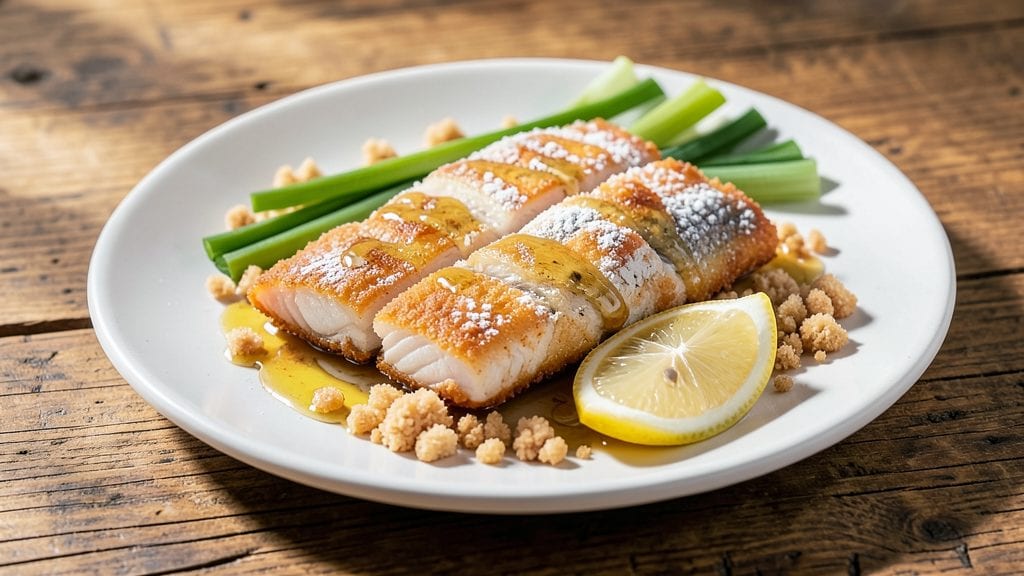
A Japanese fried fish recipe with a crispy panko crust and light bite delivers the perfect balance of texture and flavor—just like your favorite izakaya dish. The secret lies in a double-fry technique that ensures golden, shatteringly crisp edges while keeping the inside tender.
I’ve perfected this method over years of testing, and it transforms simple white fish like cod or snapper into a restaurant-worthy centerpiece.
This recipe focuses on authentic techniques without shortcuts: a light, airy batter clings to the fish while panko breadcrumbs create that signature crunch. The key is patient frying—first at a lower temperature to set the crust, then at high heat for that signature crisp.
It’s a process that requires attention, but the result is worth every minute of effort.
By the end, you’ll have perfectly fried fish with a crispy exterior and tender interior, served with classic sides like steamed rice, ponzu sauce, or a simple miso soup. The aroma alone will have everyone at the table anticipating the first bite—crunchy, flavorful, and satisfying in every way.
Whether you’re cooking for a special occasion or a casual weeknight dinner, this recipe delivers restaurant-quality results at home. Let’s get started with the step-by-step instructions to achieve that golden, crispy crust every time.
Ingredients for japanese fried fish
Authentic izakaya-quality ingredients for restaurant-style crispy panko fish at home.
| Ingredient | Amount | Notes |
|---|---|---|
| White Fish Fillets (Cod or Snapper) 🐟 | 1 ½ lb | Skin-on, cut into even pieces |
| All-Purpose Flour 🌾 | ½ cup | Lightly aerated for crispiness |
| Japanese Panko Breadcrumbs 🍞 | 1 ½ cups | High-quality, non-oily preferred |
| Large Eggs 🥚 | 2 whole | Room temperature for even coating |
| Dry White Wine 🍷 | ¼ cup | Sake or dry Riesling preferred |
| Vegetable Oil 🫒 | 3 cups | High smoke point for frying |
| Diamond Crystal Kosher Salt 🧂 | 1 tbsp | Fine grain for seasoning |
| Ground White Pepper 🌶️ | ½ tsp | Freshly ground for subtle flavor |
| Lemon Wedges 🍋 | 2 whole | Fresh, for serving |
| Fresh Dill Sprigs 🌿 | ¼ cup | Chopped, for garnish |
| Ponzu Sauce 🍶 | ½ cup | Store-bought or homemade |
| Unsalted Butter 🧈 | 2 tbsp | Melted, for finishing |
The quality of your fish and panko makes all the difference. Whole Foods Market or specialty seafood counters carry the best cod or snapper fillets—look for vibrant color and firm texture. For panko, Japanese imports from Asian markets or premium brands like Kikkoman ensure that signature shatteringly crisp crust. The flour should be lightly aerated—sift it through a fine-mesh sieve before mixing to avoid lumps. If you can't find sake, a dry Riesling works perfectly—just ensure it's bone-dry to avoid a soggy batter.
No white wine? Dry sherry or even apple juice can substitute, though the flavor profile will differ slightly. Short on panko? Toasted breadcrumbs from a baguette work in a pinch, but they lack that signature airy texture. For the batter, whisk the flour and wine vigorously to create small bubbles—this ensures a light, crispy crust rather than a dense one. The fish should be skin-side down when frying to help the crust adhere properly. If you're using frozen fish, thaw it overnight in the refrigerator—never at room temperature to prevent bacterial growth.
Freshly fried fish is best served immediately, but you can hold it for up to 15 minutes in a 200°F oven while you finish sides. Store any leftovers in an airtight container for 2 days in the refrigerator, though the texture won't be as crisp. For longer storage, freeze the fried fish for up to 1 month—reheat in a 350°F oven for 8-10 minutes to restore crispiness. The ponzu sauce keeps for 2 weeks refrigerated, making it ideal for batch prep.
Why You'll Love This Recipe
- Here’s what sold me: the panko crust shatters into golden flakes while the inside stays tender. The wine in the egg wash? It’s the secret—subtle tang that cuts through the richness. Honestly, it’s the kind of bite that makes you close your eyes and sigh.
- No Pan Needed: I swear by this recipe because it only requires a sheet pan—no fancy equipment. Just pat the fish dry, dredge it in flour, dip in egg (lightly beaten with a splash of white wine for brightness), then coat in panko. Toss it on the pan, pop in the oven, and forget about it. That’s it.
- Crispy-Creamy Magic: Here’s what sold me: the panko crust shatters into golden flakes while the inside stays tender. The wine in the egg wash? It’s the secret—subtle tang that cuts through the richness. Honestly, it’s the kind of bite that makes you close your eyes and sigh.
- Weeknight to Dinner Party: Between us, this is my go-to for lazy Tuesdays and when Aunt Marge drops by unannounced. For weeknights, I serve it with store-bought rice and steamed greens. For company, I add a quick miso glaze and serve it with pickled veggies. Same base, totally different vibes.
Step-by-step instructions for Japanese fried fish recipe
Master the art of creating a delicate yet crispy panko crust that balances texture and flavor perfectly.
Prepare the Fish and Seasoning
Pat the 1.5 lb white fish fillets completely dry with paper towels, removing any moisture from the surface. This is crucial for achieving maximum crispiness in the crust. Using a sharp knife, cut each fillet into 4 even pieces, ensuring they're roughly the same thickness for consistent cooking.
In a shallow bowl, combine the 0.5 cup all-purpose flour with 1 tablespoon diamond crystal kosher salt and 0.5 teaspoon ground white pepper. Lightly aerate the flour by whisking it vigorously for about 30 seconds. This creates tiny air pockets that help the crust develop a lighter texture. Keep this mixture ready for the next step.
Create the Panko Coating Mixture
In a separate shallow dish, beat the 2 whole large eggs until just combined. The eggs should be at room temperature for an even coating. In another dish, spread out the 1.5 cups Japanese panko breadcrumbs. This triple-dish setup allows for an efficient breading process without overcrowding.
For the final flavor component, pour the 0.25 cup dry white wine into a small bowl. This will be used to moisten the panko before coating, creating a more adhesive crust. The wine's acidity also helps balance the richness of the fish and butter.
Bread the Fish for Maximum Crispiness
Working with one piece at a time, dip each fish piece into the flour mixture, coating all sides lightly. Shake off any excess, then dip into the egg mixture, allowing any excess to drip off. Immediately transfer to the panko breadcrumbs, pressing gently to adhere completely. For extra adhesion, lightly spray or brush each piece with the dry white wine before pressing into the panko.
Repeat this process until all fish pieces are coated. Place the breaded fish on a wire rack set over a baking sheet, leaving space between each piece. This allows air to circulate and prevents steaming, which is essential for achieving that signature crispy texture. Let the coated fish rest for 10 minutes while you prepare the frying station.
Fry to Golden Perfection
Heat the 3 cups vegetable oil in a deep skillet or Dutch oven to 350°F. Use a deep-fry thermometer to monitor the temperature carefully—this is the sweet spot for achieving a crispy exterior without overcooking the delicate fish inside. Fry the fish in batches to avoid overcrowding, which can lower the oil temperature and result in greasy rather than crispy crusts.
Fry each piece for 3-4 minutes per side until golden brown and the crust is crispy. The fish should register an internal temperature of 145°F when checked with an instant-read thermometer. Transfer the fried fish to a paper towel-lined plate to drain excess oil, but don't press down on the crust as this can make it soggy.
Finish with Ponzu and Butter
While the fish is still hot, place each piece on a serving platter. Drizzle with the 0.5 cup ponzu sauce, allowing it to pool slightly at the bottom of the plate. The acidity of the ponzu cuts through the richness of the fish and butter, creating a perfect balance of flavors.
In a small saucepan, melt the 2 tablespoons unsalted butter over low heat. Once melted, remove from heat and carefully spoon the butter over each piece of fish, allowing it to drip down the sides. Garnish with the chopped fresh dill sprigs and serve immediately with the 2 whole lemon wedges for squeezing. The contrast of the citrus will elevate the dish to restaurant-quality perfection.
Pro Tips For Making Japanese Fried Fish
- Pat Dry Like Your Life Depends On It: I learned this the hard way—wet fish fillets won’t crisp, no matter how much panko you throw at them. Use paper towels to blot every surface until they’re bone-dry, then let them air-dry for 10 minutes on a wire rack. The extra effort makes all the difference when that crust forms.
- Double-Dip the Panko: Skip the single coat—dredge the floured fish in beaten egg, then press it firmly into panko in two stages. First dip gets it started; the second layer locks in that shatteringly crisp texture. (Yes, it’s messy, but your fish will thank you.)
- Wine the Egg, Not the Pan: Mix 1-2 tablespoons of dry white wine into the egg wash—it tenderizes the panko just enough to prevent a brick-like crust. Save the rest for sipping; you’ll need it after frying.
- Fry in Batches, But Don’t Crowd: Three fillets at a time is the magic number—any more, and the oil temp drops faster than your motivation. Use a slotted spoon to lift them; overcrowding steams the fish instead of frying it. (And yes, even if you’re impatient like me.)
Make-ahead tips for this recipe
Prep Ahead for Crispy Results
Batter and panko mixtures can be prepped 24 hours ahead and stored in separate airtight containers in the fridge. Whisk the flour, salt, and pepper mixture, then cover tightly. For the panko-egg-wine combo, mix everything except the fish and refrigerate.
This gives flavors time to meld, but bring all ingredients to room temperature 30 minutes before frying for even coating.
Double-Fry Technique
For extra-crispy results, use the double-fry method even when making ahead. Fry the breaded fish at 325°F for 2 minutes, then increase heat to 375°F and fry another 2-3 minutes per side.
This two-stage process creates a shatteringly crisp crust while keeping the inside tender. Let cooled fish rest on a wire rack before storing.
Freezing for Later Use
Fully cooked fried fish freezes beautifully for up to 1 month without losing too much crispiness. Place fried pieces on a parchment-lined tray, freeze until solid, then transfer to a freezer-safe bag.
To reheat, bake at 400°F for 8-10 minutes on a wire rack (not a plate) to restore crispness. The panko will be slightly softer but still delicious.
Sauce Prep in Advance
Make ponzu sauce 3 days ahead and store in an airtight container in the fridge. The flavors intensify over time. For the butter finish, melt 2 tbsp unsalted butter with 1 tsp lemon zest and store in a small jar.
Reheat gently before drizzling over reheated fish for that fresh-from-the-fryer experience.
Batch Cooking Tips
When making multiple servings, fry in small batches to maintain oil temperature. Keep cooked fish warm in a 200°F oven on a wire rack while finishing the rest.
For a crowd, double the recipe but use a larger fryer or deep skillet—just ensure you have enough oil (about 1 inch depth for proper coverage).
Serving Suggestions
Prep sides ahead too! Cook steamed rice and store in an insulated container for up to 2 days**. Assemble miso soup ingredients (except tofu) in a separate container and add the tofu just before serving.
Keep lemon wedges and dill garnish fresh until ready to serve—these add brightness that frozen fish needs to stay vibrant.
Nutrition facts
Frequently asked questions
What type of fish works best for this Japanese fried fish recipe?
White fish with firm, mild flavors works best—think cod, snapper, or flounder. These varieties stay tender while developing a crispy crust. Avoid delicate fish like tilapia, as they can fall apart during frying. If you prefer a richer taste, try halibut or sea bass, but they require slightly less frying time.
Can I substitute panko breadcrumbs with regular breadcrumbs?
While you can use regular breadcrumbs, they won't give you that signature shatteringly crisp texture. Panko's airy, flaky structure is key for authentic results. For a budget-friendly alternative, toast regular breadcrumbs in a dry skillet for 2-3 minutes until golden and crispy before using. Just don't expect the same level of crunch.
Why is my fried fish crust soggy instead of crispy?
Soggy crusts usually happen from one of three issues: moisture on the fish, overcrowding in the fryer, or inconsistent oil temperature. Always pat the fish completely dry before breading, and fry in small batches. Use a thermometer to maintain 350°F oil—dipping the temperature causes greasy, not crispy, results. Also, let breaded fish rest for 10 minutes before frying to help the coating set.
What's the best way to reheat leftover fried fish?
To restore crispiness, place leftovers on a wire rack and bake at 400°F for 8-10 minutes. Avoid microwaving or reheating on a plate—this steams the crust. For extra crunch, broil for 1-2 minutes at the end. Store fried fish in an airtight container for up to 2 days (though texture softens) or freeze for 1 month.
Can I make this recipe gluten-free?
Yes! Replace all-purpose flour with 1/2 cup gluten-free flour blend and add 1/4 cup cornstarch for better texture. Use gluten-free panko if available, or make your own by crushing gluten-free crackers. The wine in the batter adds moisture, so you may need to adjust slightly—start with 1/4 cup and add more if the coating feels dry. The crust will be slightly different but still delicious.