
Breakfast & Brunch
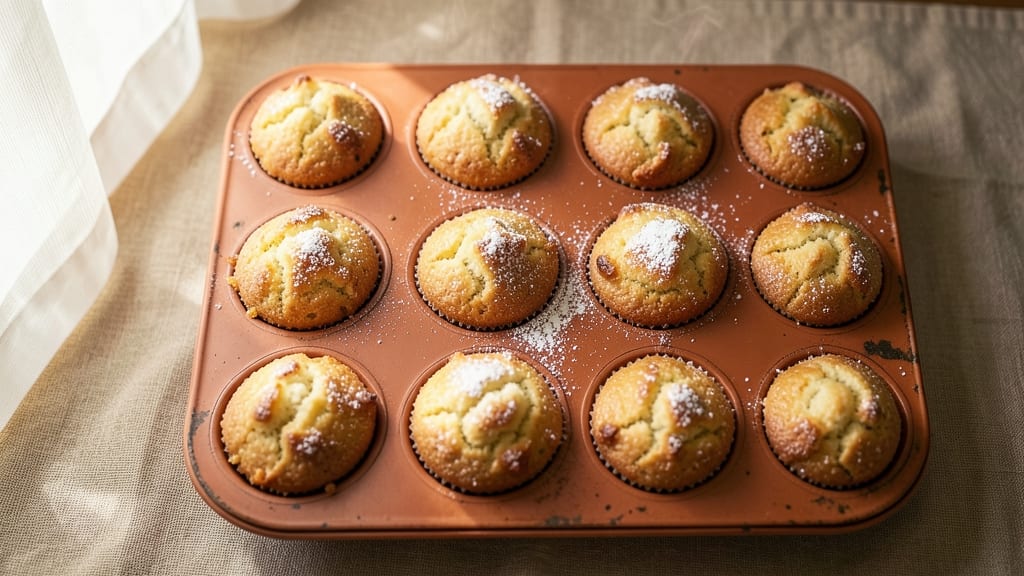
This simple moist muffin recipe delivers fluffy, tender muffins with just three core ingredients and no mixing—because the secret to perfect texture lies in the method, not the complexity.
After years of testing muffin recipes, I discovered that combining buttermilk with baking powder and a touch of sugar creates that signature moist crumb without overmixing or greasy results. The key is folding dry ingredients just until combined, ensuring even distribution while preserving air pockets.
What makes these muffins truly special is their foolproof technique: no measuring cups, no overmixed batter, and no waiting for dough to rest. You'll start with a basic pantry staple—flour, baking powder, and sugar—and transform it into muffins that stay moist for days.
The buttermilk activates the baking powder instantly, creating lift while keeping the crumb tender. This method works every time, even with basic ingredients.
By the time they emerge from the oven, you'll have muffins with a golden dome, a crackly top, and a crumb so light it practically melts in your mouth. The texture stays moist for hours, making them perfect for breakfast, snacks, or even dessert.
No one will believe they require just three ingredients and five minutes of active prep time.
These muffins are versatile enough for any occasion—add blueberries, chocolate chips, or cinnamon if you like—but the basic version delivers that classic muffin flavor without extra effort. The recipe scales perfectly for a dozen muffins or just six, and leftovers reheat beautifully. Let's get baking with this game-changing method.
Ingredients for simple moist muffin
Three core ingredients transform into tender muffins with no mixing—just folding.
| Ingredient | Amount | Notes |
|---|---|---|
| All-Purpose Flour 🌾 | 2 cups | Lightly spooned, not packed |
| Baking Powder 🧂 | 2 tsp | Metal container preferred |
| Granulated Sugar 🍚 | ½ cup | White or light brown |
| Buttermilk 🥛 | 1 cup | Room temperature preferred |
| Unsalted Butter 🧈 | ½ cup | Cold, cubed for texture |
| Large Egg 🥚 | 1 whole | Room temperature |
| Vanilla Extract 🌸 | 1 tsp | Pure vanilla preferred |
| Diamond Crystal Kosher Salt 🧂 | ½ tsp | Fine grain preferred |
| Cornmeal 🌾 | 2 tbsp | For muffin liners |
The all-purpose flour must be lightly spooned, not packed, to maintain proper aeration. Bob's Red Mill or King Arthur brands yield the most consistent results due to their protein balance. Baking powder loses potency over time, so store it in a cool, dark place and replace it every 6 months. For sugar, Domino or C&H brands provide consistent granulation, crucial for proper moisture distribution in the batter. The buttermilk should be room temperature—cold buttermilk can cause uneven baking.
No buttermilk on hand? Substitute with 1 cup milk plus 1 tbsp vinegar or lemon juice, let sit 5 minutes. Vanilla extract can be swapped for 1 tsp vanilla sugar if preferred. For a richer texture, European-style unsalted butter like Plugrá or Kerrygold enhances flavor. The egg acts as both a binder and leavener—use room temperature to prevent lumps. If you're concerned about overmixing, consider using a pastry cutter for the butter instead of fingers.
Muffin batter should be thick but pourable—not dry. For optimal storage, wrap cooled muffins in plastic wrap and keep at room temperature for 2 days or refrigerate for 5 days. To reheat, wrap in a damp paper towel and microwave for 15-20 seconds. For freezing, place muffins in a single layer on a tray, freeze until solid, then transfer to a bag for up to 3 months. The cornmeal liners create a crisp bottom and prevent sticking—sprinkle generously in each cup.
Why You'll Love This Recipe
- No Fuss Mixing: I swear by the "dump and stir" method here—just fold in that buttermilk and melted butter until just combined. No overmixing, no dense muffins, just a smooth batter that’s ready in minutes. (And yes, I’ve burned a few batches by overdoing it—learned my lesson.)
- Buttermilk Magic: That tangy buttermilk is the secret weapon—it keeps them moist for days, not hours. The sugar caramelizes just enough to give them a subtle sweetness without being cloying. Honestly, I’ve tried other recipes, but this one actually tastes like homemade.
- Breakfast or Snack: These work for brunch with a drizzle of honey, as a quick snack with coffee, or even packed in lunches. The neutral flavor means they’re a blank canvas—add blueberries, chocolate chips, or nothing at all. My kids grab them cold from the fridge without complaint.
- Pantry Staple Power: Five ingredients, all of which I already have. No weird substitutions or specialty items—just flour, sugar, baking powder, and butter. If you’re feeding a crowd or just me on a lazy Sunday, these stretch a budget without sacrificing taste. (Leftovers? Freeze them. No judgment.)
Step-by-step instructions for simple moist muffins
This method delivers tender, fluffy muffins with minimal effort—no overmixing, no dry crumbs, just perfect texture every time.
Prepare the Dry Ingredients
In a medium bowl, whisk together the 2 cups all-purpose flour, 2 teaspoons baking powder, 0.5 cup granulated sugar, and 0.5 teaspoon diamond crystal kosher salt. Sift the mixture once to eliminate any lumps and ensure even distribution of the leavening agent. This step is critical for achieving a light, airy crumb—don't skip it. The baking powder will activate fully when combined with the buttermilk later, creating that signature lift.
Set the bowl aside while you prepare the wet ingredients. The dry mixture should remain untouched until you're ready to combine everything. This separation prevents premature gluten development, which would result in dense rather than tender muffins. I like to use a metal container for the baking powder to ensure accuracy—those little scoops can be tricky with plastic.
Combine Wet Ingredients
In a separate large bowl, melt the 0.5 cup unsalted butter in the microwave in 20-second intervals, stirring between each, until completely liquid but not hot to the touch. Add the 1 cup buttermilk, 1 whole large egg, and 1 teaspoon vanilla extract, then whisk vigorously for 30 seconds until fully incorporated. The buttermilk should be at room temperature for best results—this prevents the butter from seizing up and ensures a smooth batter.
Here's the thing—this mixture should look slightly thicker than pancake batter but still pourable. If it appears too thin, let it sit for 5 minutes while you prepare the muffin cups. The cornmeal will help stabilize the structure later, but the foundation starts with this proper consistency. Don't be tempted to add extra liquid; that's how muffins become cakey.
Fold and Fill Muffin Liners
Gently fold the dry ingredients into the wet mixture using a rubber spatula, being careful not to overmix. Stir just until the flour disappears—you should see a few streaks of white remaining. Overmixing develops gluten, which makes muffins tough. Once combined, sprinkle 2 tablespoons cornmeal into each of the 12 muffin liners (or grease your muffin tin well if not using liners). The cornmeal creates a crispy barrier that prevents sticking and adds subtle texture.
Fill each liner ¾ full with batter. I use a ¼ cup measuring cup for consistency—this ensures muffins bake evenly without overflowing. Tap the muffin tin gently on the counter to release any air bubbles that may have formed during filling. This simple step prevents dome-shaped tops and ensures even baking throughout.
Bake to Golden Perfection
Preheat your oven to 375°F and place a wire rack on the middle shelf. Once preheated, bake the muffins for 18-22 minutes, until the tops are golden brown and a toothpick inserted in the center comes out clean. The exact time depends on your oven—start checking at the 18-minute mark. The muffins should spring back slightly when pressed gently, indicating proper doneness.
Here's where precision matters: don't overbake. The muffins will continue cooking for a few minutes after removal due to residual heat. If you bake them until the toothpick comes out completely dry, they'll turn out tough. As soon as they're done, transfer them to a wire rack to cool for 5 minutes before serving. This resting period allows the internal structure to set properly, preventing them from becoming gummy.
Pro Tips For Making Simple Moist Muffin
- MEASURE BUTTER COLD: I learned this the hard way—soft butter makes muffins dense. Scoop it straight from the fridge, cut into cubes, and let it sit for 10 minutes max. You want it firm enough to hold its shape when folded into the flour but not rock-hard.
- MIX DRY INGREDIENTS FIRST: Sifting isn’t always possible, but whisking the flour, baking powder, and sugar together for 10 seconds breaks up clumps. This keeps your muffins light instead of heavy. (Yes, even if you’re in a rush.)
- FILL CUPS TO THE TOP: Underfilled muffins dry out faster. Spoon batter into cups until it domes slightly—about ⅔ full is too little. The batter will settle, but you want room for expansion without spilling.
- CHECK DONENESS WITH A TOOTHPICK: A clean toothpick isn’t the only sign—tap the muffin lightly. It should sound hollow, not thud. Overbaking turns muffins tough, so pull them when they’re just set. (Your oven’s hot spots are real.)
Serving suggestions for simple moist muffin
Breakfast Pairings
Serve these muffins warm with a generous spread of cultured butter or cream cheese for a classic brunch combo. I love pairing them with scrambled eggs and turkey bacon for a hearty morning meal.
The moist texture soaks up any runny egg yolks beautifully. For a lighter option, top with Greek yogurt and a drizzle of local honey—the tangy sweetness balances the muffins perfectly. 🥞
Afternoon Snack Ideas
Transform your muffins into a coffee break essential by serving them with a latte or cappuccino. The warm muffins pair wonderfully with the bitterness of espresso, creating a comforting treat.
For a make-ahead snack, pack muffins in a lunchbox with almond butter and sliced apples—the crunch contrasts nicely with the tender crumb. I also recommend pairing with chai tea for an aromatic combination.
Dessert Upgrades
Elevate these muffins to dessert status by dusting with powdered sugar and serving with vanilla ice cream. The contrast between warm muffins and cold ice cream is irresistible. For a boozy twist, serve with a demi-tasse of espresso and a splash of Kahlúa for dipping.
You can also add chocolate chips to the batter before baking for a decadent treat—just fold in ½ cup semi-sweet chocolate chips with the dry ingredients.
Holiday Brunch Spread
These muffins shine at holiday gatherings when paired with fresh berries, whipped cream, and maple syrup. Arrange them on a platter with mini quiches and herb sausages for a complete brunch spread.
The neutral flavor lets other components shine while providing a satisfying base. For a festive touch, sprinkle with edible gold leaf or candied pecans before serving. 🎄
Travel-Friendly Packaging
Wrap cooled muffins individually in parchment paper and secure with a twist tie for easy grab-and-go snacks. Pack them in a bento-style lunchbox with cheese slices, crackers, and grapes for a balanced picnic.
The muffins stay fresh for up to 24 hours at room temperature when properly wrapped. For longer trips, store in an insulated cooler with an ice pack to maintain freshness.
Seasonal Variations
In summer, serve with peach slices and mint leaves for a refreshing contrast. For fall, pair with pumpkin spice latte and caramel sauce. Winter calls for cinnamon muffins with peppermint tea, while spring works well with lemon glaze and strawberries.
Each season brings new flavor opportunities while keeping the muffin base simple and foolproof. ✨
Nutrition facts
Frequently asked questions
Why do your muffins stay moist for days?
The secret lies in the buttermilk and butter combination. Buttermilk activates the baking powder for lift while keeping the crumb tender, and the cold cubed butter creates pockets that retain moisture. Unlike oil-based recipes, this method delivers that signature cloud-like texture without becoming greasy. Store them in an airtight container to lock in freshness.
Can I make these muffins without a muffin tin?
Use a 12-cup cake pan or even a pie plate for individual muffins. For a rustic touch, try baking them on a parchment-lined sheet pan as mini muffins. Just reduce the baking time by 2-3 minutes since they'll cook faster without the tin's insulation. The cornmeal liners can be replaced with a light greasing of the pan.
What if my batter looks too thick or too thin?
If too thick, add 1 tablespoon milk at a time until it reaches a pourable consistency similar to thick pancake batter. If too thin, let it rest for 5 minutes to thicken naturally—adding extra flour will make them dense. The ideal batter should cling slightly to the spatula but still flow freely when poured. Pro tip: Room temperature ingredients help achieve perfect consistency.
How do I add mix-ins like blueberries or chocolate chips?
Gently fold in ½ cup mix-ins of your choice (blueberries, chocolate chips, or nuts) with the dry ingredients, being careful not to overmix. For blueberries, toss them in 1 tablespoon flour first to prevent sinking. The batter should still be thick but pourable. If adding chocolate chips, use semi-sweet or dark chocolate for best flavor integration.
Why did my muffins turn out dense?
Overmixing is the most common cause—stir just until the flour disappears. Other culprits include: old baking powder (replace every 6 months), packed flour (spoon lightly), or overbaking (remove when toothpick comes out clean). For extra fluffiness, make sure your butter is cold but not frozen when melting and your buttermilk is room temperature.