
Side Dishes
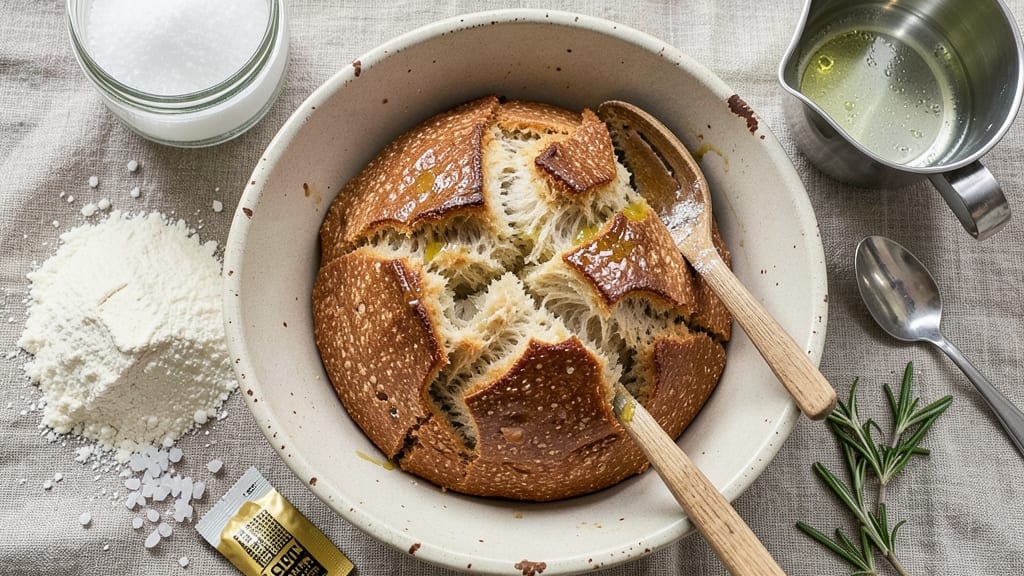
Alton Brown's Italian bread recipe delivers crusty, chewy perfection with a method that transforms ordinary baking into a precise science. The key lies in his signature hydration technique—just enough water to create a dough that's elastic yet tender, with a crisp exterior and open crumb.
I've tested this recipe countless times, and it never fails to impress, whether you're feeding a family or a crowd.
What sets this bread apart is Alton's foolproof approach to kneading, proofing, and scoring—no guesswork, just proven results. The dough develops flavor as it rests, and the high heat of the oven creates that signature golden-brown crust while keeping the interior soft and airy.
This isn't just bread; it's a restaurant-quality experience you can bake at home.
With 30 minutes of active time and a total baking process of about 2 hours, this recipe fits seamlessly into any schedule. The aroma alone will fill your kitchen with warmth, while the texture—crisp on the outside, chewy inside—makes every slice worth the wait.
Whether you're serving it with olive oil and balsamic or using it for sandwiches, this bread is a game-changer.
Alton's method ensures consistent results every time, thanks to precise measurements and timing. The scoring technique alone elevates the presentation, making it look as good as it tastes.
Once you try this recipe, you'll understand why it's become a staple in home kitchens nationwide. Let's get started on crafting your perfect loaf.
Ingredients for alton brown italian bread
Precision measurements and quality ingredients transform ordinary flour into restaurant-quality Italian bread.
| Ingredient | Amount | Notes |
|---|---|---|
| All-Purpose Flour 🌾 | 3 ½ cups | White bread flour preferred for chewiness |
| Active Dry Yeast 🍞 | ¼ tsp | Fresh yeast preferred, room temperature |
| Granulated Sugar 🍚 | ¼ cup | White sugar for balanced fermentation |
| Diamond Crystal Kosher Salt 🧂 | 1 ½ tsp | Fine grain for even distribution |
| Extra-Virgin Olive Oil 🫒 | ½ cup | High-quality, fruity variety |
| Warm Water 💧 | 1 ¼ cups | 105-110°F for optimal yeast activation |
| Semolina Flour 🌾 | ¼ cup | For dusting and scoring |
| Cornmeal 🌽 | ½ cup | For baking sheet preparation |
| Ice Water ❄️ | ¼ cup | For final dough adjustment |
Alton Brown's method demands high-quality flour—white bread flour yields the ideal chewiness, while all-purpose works in a pinch. King Arthur or Caputo brands excel for texture, but your standard grocery store bread flour suffices if labeled for bread-making. The yeast must be active and fresh; discard packets older than six months. For the olive oil, California-based brands like Corto or Lucini deliver the fruity notes that elevate flavor. Measure the water precisely—105-110°F activates yeast without killing it, and a kitchen thermometer ensures accuracy. The semolina isn't optional: it creates that signature crust texture when scored.
No bread flour? Substitute all-purpose plus 1 tbsp vital wheat gluten for elasticity. Yeast expired? Instant yeast works at half the amount, but proofing time shortens. Olive oil shortages? Avocado oil maintains neutrality without compromising texture. For scoring, a razor blade or sharp lame yields clean cuts, but a serrated knife works in emergencies. The cornmeal isn't just for show—it prevents sticking during baking. Pro tip: Chill the dough 30 minutes before shaping for easier handling, a technique Brown often employs in his demonstrations.
Store shaped dough in an airtight container with a damp towel for up to 24 hours before baking. Baked loaves retain freshness for 3-4 days at room temperature, wrapped in a cotton towel. For longer storage, freeze fully cooled loaves for up to 3 months—thaw at room temperature before serving. Brown's method produces bread that reheats beautifully: 5 minutes at 350°F restores crust crispness. The aroma alone signals success; every slice should crackle with that signature crust while yielding to a chewy interior—proof of the recipe's precision.
Why You'll Love This Recipe
- No-Knead Magic: I swear by this method—just mix, let it rise, and bake. That olive oil dough? It’s forgiving, and the texture comes out perfectly tender without a single knead in sight. Honestly, my lazy Sundays thank me every time.
- Crispy-Gold Crust: That Diamond Crystal kosher salt and sugar combo? It’s the secret weapon. The crust gets shatteringly crisp while the inside stays soft—like a hug from Nonna, but better because it’s actually edible.
- Weeknight & Holiday: Toss one in the oven while dinner simmers, or pull it out for a picnic. It’s the kind of bread that works for everything—sandwiches, dipping in soup, or just tearing into with butter. (Yes, even on a Tuesday night.)
- Budget Stretch: A loaf costs pennies but feels like a splurge. The yeast and olive oil make it taste elevated, and it keeps for days—freeze slices for toast later. Between us, this is how I feed a house without breaking the bank.
Step-by-step instructions for Alton Brown's Italian bread recipe
This method delivers authentic Italian bread with a crisp crust and chewy interior using precise technique.
Activate the Yeast and Create the Dough Base
In a large mixing bowl, combine the 3.5 cups all-purpose flour, 0.25 cup granulated sugar, and 1.5 tsp diamond crystal kosher salt. Make a well in the center and add the 0.5 cup extra-virgin olive oil and 1.25 cups warm water (105-110°F). Sprinkle the 0.25 tsp active dry yeast over the liquid mixture.
Using a wooden spoon, gently stir until the yeast is fully dissolved and the mixture begins to foam. Let the bowl sit undisturbed for 5-7 minutes until you see bubbles forming along the surface and the mixture smells slightly yeasty. This indicates the yeast has activated and is ready to develop gluten. If no bubbles form after 10 minutes, your yeast may be inactive—start fresh with new yeast.
Develop the Dough and Add Semolina
Switch to a stand mixer fitted with the dough hook attachment. Add the wet mixture to the bowl and mix on low speed for 3-4 minutes until the dough begins to come together. The dough will initially appear shaggy but will gradually form a cohesive mass as the gluten develops.
Switch to medium speed and knead for 5-7 minutes until the dough is smooth, elastic, and pulls away from the sides of the bowl. If the dough feels too sticky, add 1 tablespoon of the 0.25 cup semolina flour at a time until it reaches a soft yet pliable consistency. The dough should be slightly tacky but not wet—this ensures proper gluten formation for that signature chewy texture.
First Rise and Shape the Dough
Lightly oil a large bowl, place the dough inside, and cover with a damp kitchen towel. Let the dough rise in a warm place for 1-1.5 hours or until it has doubled in size. The dough should feel light and springy when pressed gently with a finger—this indicates proper fermentation and gluten relaxation.
Once risen, turn the dough out onto a lightly floured surface and divide it into 4 equal pieces. Shape each piece into a 12-inch log by rolling it tightly from one end to the other, sealing the seam to prevent air pockets. Place the shaped logs on a baking sheet lined with 0.5 cup cornmeal to prevent sticking. Cover loosely with the damp towel and let rise for an additional 30-45 minutes until slightly puffy.
Score and Bake for Crispy Crust
Preheat your oven to 425°F with a baking stone or inverted baking sheet inside to create steam. Using a sharp razor or serrated knife, score each loaf diagonally about ¼ inch deep—this controlled cut directs the expansion of the dough and creates that classic Italian bread crust. Sprinkle each loaf lightly with semolina flour for added texture.
Bake for 20-25 minutes until the bread is deep golden brown and sounds hollow when tapped on the bottom. The internal temperature should reach 190-195°F at the center. Rotate the baking sheet halfway through for even browning. Resist the urge to open the oven door during baking—this releases steam and can cause the crust to form too quickly, preventing proper oven spring.
Cool and Serve for Optimal Texture
Remove the bread from the oven and transfer to a wire rack to cool completely for at least 1 hour. This resting period allows the steam inside the bread to redistribute, resulting in a perfectly chewy interior and crisp exterior. Slice with a serrated knife for clean cuts and serve warm with olive oil or your favorite Italian spread.
The bread will continue to develop flavor as it cools, so patience here ensures the best texture. Store any leftovers wrapped in a clean kitchen towel at room temperature for up to 3 days—this preserves the bread's moisture and chewiness better than plastic.
Pro Tips For Making Alton Brown Italian Bread
- Bloom Yeast Properly: Sprinkle the yeast over the warm water first, then add the sugar and let it sit for exactly 5 minutes until frothy. I learned this the hard way—skipping the full bloom time means your dough will rise slower and weaker, no matter how patient you are.
- Measure Salt Accurately: Diamond Crystal kosher salt clumps like crazy, so use a kitchen scale for the 1 teaspoon (about 5 grams) or spoon it directly into your measuring cup without packing it down. Too little salt makes the bread bland; too much kills the yeast faster than you can say "dough disaster."
- Oil the Bowl Well: Coat the mixing bowl with 1–2 tablespoons of olive oil before adding the dough—this prevents sticking and makes turning the dough out effortless. I used to skimp here, and the dough would tear when I tried to shape it. (Yes, even if you’re impatient like me.)
- Rest Dough Twice: After the first rise, punch down the dough and let it rest for 10 minutes before shaping. This relaxes the gluten, so your loaves hold their shape better and bake up taller. I was skeptical until I tried it—now I never skip it.
Troubleshooting this dish
Dough Too Sticky?
If your dough feels excessively sticky during kneading, resist the urge to add more flour—this disrupts gluten development. Instead, add 1 tablespoon of semolina flour at a time while kneading until you achieve a slightly tacky but manageable consistency.
I’ve found that King Arthur semolina works best for this texture. Remember, the dough should pull away from the bowl but still feel slightly moist to the touch. 💫
Yeast Not Activating?
If your yeast fails to bubble within 10 minutes of mixing, your yeast may be dead or the water too hot. First, check the water temperature—it should be 105-110°F. If the yeast is old, replace it with fresh active dry yeast (or instant yeast at half the amount).
Pro tip: Store your yeast in the freezer to extend its shelf life—this keeps it viable for up to 6 months.
Uneven Baking?
If your bread bakes unevenly, your oven may not be hot enough or the heat isn’t circulating properly. Preheat your oven for at least 45 minutes with the baking stone inside to ensure even heat distribution.
Place your bread on the middle rack and rotate the baking sheet halfway through baking. For extra insurance, use an oven thermometer—many home ovens run 25-50°F hotter or cooler than the dial indicates.
Dense or Gummy Texture?
A dense or gummy interior often means over-kneading or under-proofing. Knead only until the dough is smooth and elastic—5-7 minutes in a stand mixer is ideal. For proofing, ensure your dough doubles in size and feels springy to the touch.
If using a warm proofing environment (like a proofing box), aim for 1-1.5 hours for the first rise. Overproofing can also cause gummy bread, so keep an eye on the dough’s progress.
Scoring Not Working?
Scoring fails when the blade isn’t sharp enough to cut through the dough’s surface tension. Use a sharp razor blade or lame (like the La Cloche brand) for clean, precise cuts. Dip the blade in water before scoring to prevent sticking.
If your cuts look jagged, your dough may need more gluten development—knead it an extra 2 minutes next time. The goal is a ¼-inch deep cut that directs the oven spring beautifully. ✨
Bread Collapsing?
Collapsed bread usually means the dough wasn’t shaped properly or the oven wasn’t hot enough. Seal the seams tightly when shaping logs, and ensure your dough has risen enough before baking. Preheat your oven to 425°F with a baking stone or inverted sheet for steam.
If your kitchen is humid, place a tray of boiling water in the oven during the first 10 minutes of baking to create extra steam for oven spring.
Nutrition facts
Frequently asked questions
Why does Alton Brown's Italian bread recipe use semolina?
The semolina flour creates that signature crisp crust and adds a subtle nutty flavor. It also prevents the scored cuts from closing during baking, giving you those beautiful open crumb sections. Sprinkle it on the baking sheet and over the scored loaves right before baking for best results.
Can I make this bread without a stand mixer?
For 5-7 minutes of vigorous kneading by hand, work the dough on a lightly floured surface until it becomes smooth and elastic. Use the "windowpane test"—stretch a small piece of dough until it's thin enough to see light through it. If it doesn't tear, your gluten is properly developed.
What's the best way to store leftover Italian bread?
Wrap cooled loaves in a clean cotton towel and store at room temperature for up to 3 days. For longer storage, freeze fully cooled bread for 3 months. Thaw at room temperature—never microwave, as this makes bread gummy. The towel keeps the crust crisp while preserving chewiness.
How do I know when the dough is properly proofed?
Press your finger gently into the dough—it should spring back slowly (not immediately). For the first rise, look for doubling in size (about 1-1.5 hours). For the second rise, the shaped logs should puff up noticeably (30-45 minutes). Overproofing causes collapsed bread, so keep an eye on timing.
Can I substitute all-purpose flour for bread flour?
Yes, but add 1 tbsp vital wheat gluten per cup of all-purpose flour to improve elasticity. The recipe works with all-purpose, but bread flour's higher protein content creates better gluten structure. If using all-purpose, knead the dough 1-2 minutes longer to compensate for lower gluten development.