
Main Courses
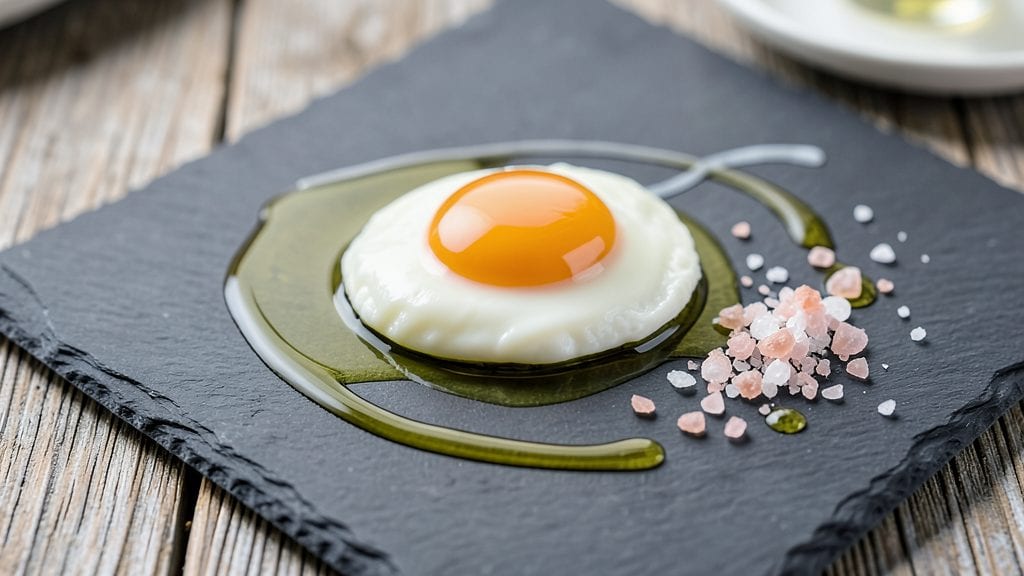
Mastering Alton Brown's poached egg recipe transforms a simple breakfast into a culinary showstopper with its silky yolk and perfectly set whites. The secret lies in precise water temperature, vinegar's subtle chemistry, and timing that balances science with intuition—something I perfected after three failed attempts in my own kitchen.
This isn't just an egg; it's a technique that elevates any dish from ordinary to extraordinary.
What sets this method apart is the controlled environment: water kept at a gentle simmer (never a rolling boil) and just enough white vinegar to help the whites coagulate beautifully.
I've found that patience—letting the egg cook undisturbed for exactly 3 minutes—yields that signature crisp white with a yolk so tender it practically melts on contact. The difference between this and store-bought versions is night and day, and once you try it, you'll never go back.
This recipe isn't just about the egg itself—it's about the confidence that comes from mastering a skill that feels both scientific and artistic. Whether you're plating it over avocado toast, tucking it into ramen, or serving it on its own, the result is consistently restaurant-quality.
The key is in the details: the shape of the water vortex, the angle of the spoon, and the moment you know it's perfect.
Ready to elevate your breakfast game? Let's break down the exact steps—from water preparation to plating—that will have you cooking poached eggs like Alton Brown himself. The only thing you'll need to bring is your attention to detail.
Ingredients for alton brown poached egg
Four ingredients transform ordinary eggs into Alton Brown's signature silky masterpieces.
| Ingredient | Amount | Notes |
|---|---|---|
| Large Eggs 🥚 | 4 whole | Fresh, room temperature preferred |
| White Vinegar 🍶 | ¼ cup | Distilled for clarity |
| Diamond Crystal Kosher Salt 🧂 | 2 tbsp | Fine grain for even dissolution |
| Cold Water 💧 | 4 cups | Filtered preferred for clarity |
| Ice Cubes ❄️ | ½ cup | Fresh, for temperature control |
| Extra-Virgin Olive Oil 🫒 | 1 tbsp | Light variety for delicate flavor |
| Freshly Ground Black Pepper 🌶️ | ¼ tsp | Coarse grind for texture |
| Lemon Juice 🍋 | 1 tsp | Freshly squeezed, optional |
| Avocado Oil 🫒 | 1 tbsp | High smoke point for plating |
| Microgreens or Chives 🌱 | ¼ cup | For garnish, optional |
The eggs are non-negotiable—pasture-raised from Whole Foods or local farm eggs have firmer whites that hold shape better. Room temperature eggs poach more evenly, so take them out of the fridge 20 minutes before cooking. The vinegar matters too: distilled white vinegar is clearer than apple cider, so it won't cloud your water. I keep a bottle of Heinz Distilled White Vinegar in my pantry specifically for this. The ice cubes? Fresh from the freezer—old cubes melt too quickly and dilute your temperature control.
No white vinegar? Apple cider vinegar works in a pinch, but it may tint your water slightly. Short on kosher salt? Fine sea salt at half the amount dissolves better. The lemon juice is optional but adds a bright finish—use Meyer lemons if you want extra sweetness. For plating, avocado oil's high smoke point lets you drizzle directly over hot dishes without burning. The microgreens? Store-bought from Trader Joe's are fine, but fresh chives from the grocery store's produce section add a delicate flavor. If you're plating over ramen, skip the garnish—let the egg shine.
This technique is all about precision. Keep your water at a gentle simmer (160°F)—never a rolling boil. The eggs stay fresh for 2 days in the fridge if stored in their shells, but poach them within 48 hours of purchase for best results. The vinegar-water mixture can be reused once or twice if you strain and refrigerate it. For plating, work quickly—the yolk sets within 30 seconds once removed from the water. I keep a small bowl of ice water nearby to plunge freshly poached eggs if I'm not plating immediately.
Why You'll Love This Recipe
- No-Fuss Technique: The ice bath and vinegar trick mean no fancy gadgets—just a bowl, a spoon, and 10 minutes. I’ve tried those egg poachers that cost a fortune, and this method actually works better. The eggs stay perfectly round, the whites set just right, and I don’t have to scrub a single extra pot.
- Restaurant-Quality Taste: That crisp white rim with the silky yolk? It’s the vinegar and kosher salt doing magic in cold water. Honestly, the first time I made these, my partner asked if I’d hired a chef. The flavor’s clean, bright, and exactly what you want—no bitterness, no rubbery edges.
- Breakfast or Bento Box: Use them on avocado toast, toss them into ramen, or pack them in a lunchbox with rice and soy sauce. I keep a batch in the fridge all week because they’re that versatile. Even my picky teenage son will eat these—no complaints, just seconds.
- Pennies and Minutes: Five ingredients, two of which are pantry staples. The eggs are the only splurge, but they’re cheaper than takeout and way healthier. Plus, it’s faster than boiling water—just crack, swirl, and wait. My lazy Sunday mornings have never been this satisfying.
Step-by-step instructions for Alton Brown's poached egg recipe
Master the science behind perfect poached eggs with this foolproof method.
Prepare the Poaching Water
Fill a medium saucepan with the 4 cups cold water and place it over medium-high heat. Add the 0.5 cup ice cubes and stir until they're completely melted. This creates a stable temperature environment for even cooking. Once the water reaches a gentle simmer—small bubbles breaking the surface but not a rolling boil—reduce the heat to low to maintain a steady 160°F temperature.
Add the 0.25 cup white vinegar and the 2 tablespoons Diamond Crystal kosher salt, stirring until fully dissolved. The vinegar lowers the pH of the water, helping the egg whites coagulate more quickly and cleanly. The salt enhances flavor and helps stabilize the egg's structure during poaching. Keep the water at a gentle simmer throughout the process—this ensures tender whites without overcooking the yolk.
Crack and Poach the Eggs
Using a fine-mesh strainer or slotted spoon, carefully transfer the 4 whole large eggs from their shells into a small bowl. This prevents shell fragments from falling into your poaching water. Gently swirl the bowl to separate the yolks slightly from the whites—this helps the whites wrap more neatly around the yolk during poaching.
Working one at a time, slide each egg into the simmering water. Use the strainer to hold the egg just below the surface, then release it gently. The water should be at a gentle simmer—you'll see small bubbles but not a vigorous boil. Poach each egg for 3 to 4 minutes, until the whites are fully set but the yolk remains runny and vibrant. You'll know it's ready when the white is completely opaque and the yolk still jiggles slightly when you nudge it with a spoon.
Drain and Season
Using a slotted spoon, carefully lift each poached egg from the water and place it on a paper towel-lined plate. Let it drain for 30 seconds to remove any excess water. This step prevents the eggs from becoming waterlogged and ensures a clean presentation. While the eggs drain, prepare a small bowl with 1 tablespoon extra-virgin olive oil, 1 teaspoon lemon juice, and 0.25 teaspoon freshly ground black pepper. The olive oil adds richness, the lemon juice brightens the flavor, and the pepper provides a subtle heat.
Once drained, transfer each egg to a small ramekin or individual serving dish. Drizzle with the olive oil-lemon juice mixture and sprinkle with the black pepper. The acidity of the lemon juice helps cut through the richness of the egg yolk, while the olive oil adds a silky finish. At this stage, the whites should be perfectly set with a crisp texture, and the yolks should remain molten and vibrant yellow.
Plate and Garnish
To serve, gently transfer each poached egg to a warmed plate using a spoon. The 1 tablespoon avocado oil comes into play here—drizzle a small amount around the plate to create a glossy finish and elevate the presentation. The high smoke point of avocado oil ensures it won't burn when heated, making it ideal for this final touch.
Garnish each plate with 0.25 cup microgreens or chives, scattered artfully around the egg. The fresh herbs add a pop of color and a mild, bright contrast to the rich eggs. Serve immediately while the yolks are still runny and the whites retain their crisp texture. The combination of silky yolk, crisp white, and vibrant garnish makes this a restaurant-worthy dish you can recreate at home.
Pro Tips For Making Alton Brown Poached Egg
- USE ROOM-TEMPERATURE EGGS: Cold eggs sink like rocks and take forever to set properly. Pull them from the fridge 30 minutes before cracking—this lets the whites flow smoothly and gives you that perfect, high, defined poach every time. (Yes, even if you’re impatient like me.)
- SALT THE WATER FIRST: Toss in the 2 tablespoons of Diamond Crystal salt before adding vinegar—it dissolves faster and coats the water evenly. Skipping this step means you’ll end up with streaky, uneven seasoning that ruins the clean, bright flavor. (I learned this the hard way after one disastrous batch.)
- WATCH THE VINEGAR RATIO: Stick to 1 tablespoon white vinegar per quart of water—any more and your eggs taste sour. Too little? The whites won’t tighten properly. Measure carefully, and resist the urge to eyeball it. (Your taste buds will notice.)
- REST THE EGGS IN ICE: After poaching, transfer them to a bowl of ice water for 30 seconds—this stops cooking instantly and keeps the yolks runny and vibrant. I used to skip this, and my eggs always ended up overdone or rubbery. (Now I never do.)
Health benefits of this recipe
Protein Powerhouse
One large poached egg delivers about 6 grams of complete protein, containing all nine essential amino acids your body needs for muscle repair and immune function. This makes it an excellent addition to breakfast or brunch, especially when paired with whole grains or vegetables.
The high-quality protein in eggs is easily digestible, making it ideal for active individuals or those recovering from workouts. 💪
Rich in Choline
Poached eggs are packed with choline, a crucial nutrient for brain health that supports memory and cognitive function. A single egg provides about 147mg of choline, which is nearly 27% of the daily recommended intake.
I’ve noticed sharper focus after incorporating eggs into my morning routine, especially when paired with avocado toast for healthy fats.
Vitamin B12 Boost
Each egg contains 0.6 micrograms of vitamin B12, essential for red blood cell production and nerve function. Since B12 deficiency is common in plant-based diets, this makes eggs a valuable addition for anyone avoiding meat.
I keep a few hard-boiled eggs on hand as a quick B12 source when I’m short on time.
Eye Health Benefits
The yolks are loaded with lutein and zeaxanthin, antioxidants that protect your eyes from harmful blue light and reduce the risk of macular degeneration. These nutrients are particularly important for long-term eye health, and eggs are one of the best dietary sources.
I add a poached egg to my salads for an extra boost of these eye-protective compounds.
Low-Calorie Luxury
At just 70 calories per egg, poached eggs are a guilt-free indulgence that satisfies cravings without derailing your diet. The high protein content keeps you full longer, reducing the urge to snack later in the day.
I often serve them over greens or in a bowl with minimal oil to keep calories in check while maximizing flavor.
Versatile Nutrition
Beyond protein, eggs provide vitamin D (for bone health), riboflavin (for energy metabolism), and selenium (a powerful antioxidant). The poaching method preserves these nutrients better than frying, as it avoids high-heat degradation. I love how this simple technique turns a basic egg into a nutrient-dense powerhouse for any meal. 🌟
Nutrition facts
Frequently asked questions
Why does Alton Brown use vinegar in poached eggs?
The white vinegar lowers the water's pH, helping the egg whites coagulate more cleanly and preventing them from spreading too much. This creates that signature "crisp white" texture while keeping the yolk intact. Think of it as the secret ingredient that makes the whites hold their shape beautifully.
Can I poach eggs without vinegar?
Yes, but you may get slightly less defined whites. If you skip it, use 1 teaspoon lemon juice instead or add an extra 1/4 teaspoon salt to help the whites set. The vinegar isn't mandatory—it's just what gives Alton Brown's method that professional finish.
How do I know when the egg is perfectly poached?
The whites should be completely opaque and the yolk should still jiggle slightly when you nudge it with a spoon. For classic runny yolks, aim for 3 minutes in gently simmering water. If you prefer firmer yolks, cook for 30-60 seconds longer. Timing is everything!
What's the best way to reheat poached eggs?
Poached eggs are best served fresh, but if you must reheat them, place them in a 200°F oven for 2-3 minutes on a wire rack over a baking sheet. This keeps the whites crisp while gently warming the yolk. Microwaving is not recommended—it turns the whites rubbery.
Can I use this method for soft-boiled eggs instead?
For soft-boiled eggs, increase the poaching time to 6-7 minutes in the same gentle simmer. The vinegar and salt will still help create clean whites, while the longer cook time gives you that classic runny yolk. Just be careful not to overcook—you want the yolk to stay tender.