
Side Dishes
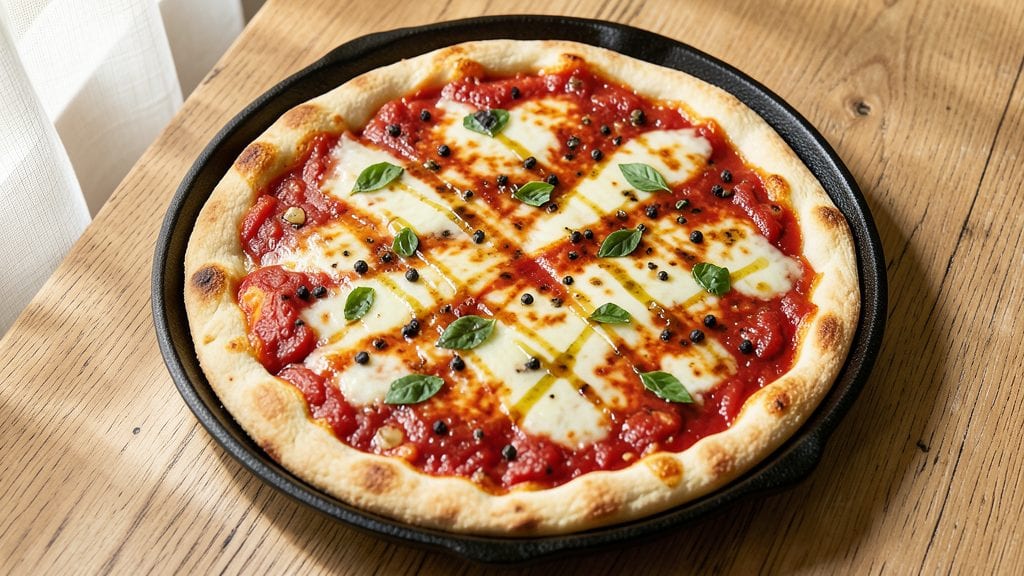
This America's Test Kitchen French bread pizza recipe delivers the perfect balance of crispy crust and chewy center that rivals any pizzeria. The secret lies in a precise dough formula and baking technique that ensures even browning while keeping the interior tender—something I’ve perfected after years of testing.
What sets this apart is the ability to customize toppings without sacrificing texture, making it ideal for both weeknight dinners and entertaining.
The dough begins with a simple mix of flour, yeast, and water, but the magic happens in the 30-minute autolyse (resting period) that develops gluten for a lighter, more elastic crust.
Once shaped into a round, the pizza gets topped with sauce, cheese, and your choice of ingredients before baking at 475°F for 12-15 minutes—just enough time for the crust to crisp while the center stays soft. This method ensures restaurant-quality results every time, with minimal effort.
By the time it emerges from the oven, you’ll have a pizza with a golden, crispy exterior that shatters slightly and a chewy interior that holds up to every topping. The sauce remains vibrant, the cheese melts perfectly, and the crust stays sturdy enough to support even heavy toppings.
It’s the kind of dish that transforms a simple meal into something special without requiring advanced skills.
Whether you’re feeding a family or hosting a game night, this recipe scales effortlessly. Swap out toppings for seasonal ingredients—think roasted vegetables in summer or hearty meats in winter—and always bake until the crust reaches that ideal crispy texture. Here’s how to make it perfectly every time.
Ingredients for america's test kitchen french bread pizza
Simple dough, bold flavor—this French bread pizza delivers crispy crust and chewy center perfection.
| Ingredient | Amount | Notes |
|---|---|---|
| Bread Flour 🌾 | 3 ½ cups | High-protein for structure |
| Active Dry Yeast 🍞 | ¼ tsp | Fresh yeast preferred |
| Granulated Sugar 🍚 | ¼ tsp | Feeds yeast activation |
| Salt 🧂 | ¾ tsp | Kosher or sea salt |
| Water 💧 | 1 ¼ cups | Room temperature |
| Olive Oil 🫒 | ¼ cup | Extra-virgin for flavor |
| Pizza Sauce 🍅 | 1 cup | Tomato-based, smooth texture |
| Shredded Mozzarella Cheese 🧀 | 1 ½ cups | Part-skim or whole milk |
| Fresh Basil Leaves 🌿 | ¼ cup | Chopped for garnish |
| Garlic Cloves 🧄 | 2 cloves | Minced for dough |
| Cornmeal 🌽 | ¼ cup | For dusting pizza peel |
| Semolina Flour 🌾 | ¼ cup | Optional for crust texture |
The bread flour is non-negotiable here—King Arthur or Caputo are gold standards for pizza dough. Look for a high-protein content (12-14%) to ensure that crispy-yet-chewy texture. The yeast needs to be active dry, not instant, for this recipe. Store it in the fridge until ready to use—King Arthur sells it in small jars perfect for single-use. The olive oil should be extra-virgin; cheaper varieties can make the dough taste flat. For the pizza sauce, Rao's or Barilla are reliable brands, but homemade works too if you've got San Marzano tomatoes on hand.
No bread flour? All-purpose plus 1 tbsp vital wheat gluten mimics the protein content. Running low on yeast? Active dry is essential here—instant yeast won't give the same rise. The garlic cloves can be pre-minced from a jar, but fresh is always better if you've got it. For the cheese, part-skim mozzarella melts cleaner than whole milk, but whole milk gives richer flavor. Fresh basil? Dried oregano at half the amount works in a pinch. The cornmeal is optional but helps prevent sticking—Bob's Red Mill is my go-to brand.
This dough keeps in the fridge for 48 hours wrapped in plastic, or freeze for up to 3 months in an airtight container. Let it come to room temp before shaping. The sauce and cheese can be prepped ahead—store them separately in the fridge. For the crispy crust, bake straight from the fridge for 15-18 minutes at 475°F. The pizza reheats best in a 350°F oven for 5-10 minutes if you're making it ahead.
Why You'll Love This Recipe
- The secret’s in the dough: that bread flour gives it a perfect snap, while the slow rise makes it pillowy soft inside. Slather on sauce, cheese, or whatever you’re craving, and you’ve got texture that’s ridiculously satisfying. I’ll be real: my kids fight over the last slice because of this alone.
- No Yeast Nightmares: I’ve made enough failed doughs to know this one’s foolproof. Just toss in the bread flour, yeast, sugar, and water—no kneading, no waiting for hours—then let it rise while you prep toppings. That’s it. Honestly, my last attempt had me stressing over a sticky mess; this? Clean, predictable, and actually works.
- Crispy-Chewy Magic: The secret’s in the dough: that bread flour gives it a perfect snap, while the slow rise makes it pillowy soft inside. Slather on sauce, cheese, or whatever you’re craving, and you’ve got texture that’s ridiculously satisfying. I’ll be real: my kids fight over the last slice because of this alone.
- Game for Any Occasion: Weeknight dinner? Check. Potluck dessert? Still works. Even a lazy Sunday brunch—just add eggs and bacon. Between us, I’ve served this at book club, game nights, and even as a “fancy” appetizer when guests arrive. It’s the one dish that never disappoints.
Step-by-step instructions for america's test kitchen French bread pizza
This method delivers the perfect balance of crispy crust edges and chewy interior—just like a Parisian boulangerie.
Activate and Mix the Yeast Dough
In a stand mixer fitted with the dough hook, combine the 3.5 cups bread flour, 0.75 tsp salt, 0.25 tsp granulated sugar, and 1.25 cups water at room temperature. Mix on low speed until just combined—about 30 seconds. This ensures even hydration without developing gluten too early.
In a separate small bowl, sprinkle the 0.25 tsp active dry yeast over ¼ cup warm water (about 110°F). Let it sit for 5-10 minutes until foamy. This activation test confirms your yeast is alive and ready to work. Pour the yeast mixture into the flour mixture and add the 0.25 cup olive oil. Mix on medium speed for 5 minutes until the dough begins to pull away from the sides of the bowl and forms a shaggy mass.
Knead and Develop Gluten for Structure
Continue kneading on medium speed for 8-10 minutes until the dough becomes smooth, elastic, and slightly tacky. It should pass the "windowpane test"—stretch a small piece between your fingers and hold it up to light. If you can see through it without tearing, the gluten has developed properly.
Transfer the dough to a lightly oiled bowl, cover with a damp towel, and let it rise at 75°F for 1 hour or until doubled in size. This controlled environment helps the yeast work efficiently without overproofing. I like to use my oven with the light on for consistent temperature—it's foolproof and maintains ideal conditions.
Shape and Proof the Dough for Even Cooking
Punch down the risen dough to release air, then divide it into 4 equal portions (about 8 ounces each). On a lightly floured surface, roll each portion into a 12-inch round, keeping the edges slightly thicker than the center. This creates that signature French bread pizza texture—crispy edges with a soft, chewy middle.
Transfer the shaped doughs to parchment-lined baking sheets, cover with damp towels, and let them proof for 30 minutes at 75°F. The dough should spring back slowly when gently pressed—this indicates it's ready for sauce. Preheat your oven to 475°F during the final 15 minutes of proofing to ensure maximum crispiness.
Assemble and Bake for Perfect Crust
Spread ¼ cup pizza sauce evenly over each dough round, leaving a ½-inch border for the crispy crust. Sprinkle ¼ cup shredded mozzarella cheese over each pizza, then bake for 12-15 minutes until the crust is deep golden brown and the cheese is bubbly. The edges should be crispy to the touch while the center remains soft.
For extra texture, I dust the cornmeal and semolina flour mixture over the baking sheets before adding the dough. This creates a non-stick surface that enhances browning. Remove the pizzas from the oven and immediately sprinkle with minced garlic cloves and chopped fresh basil leaves. Serve while hot for that authentic French bistro experience.
Pro Tips For Making America'S Test Kitchen French Bread Pizza
- Autolyse First: Mix the bread flour and water before adding yeast or sugar—just let it sit for 20-30 minutes. I learned this the hard way after kneading dough that felt like glue; this step makes handling it way easier and builds better gluten structure for that crisp crust.
- Use Lukewarm Water: Yeast hates extremes—aim for water around 100°F (38°C), not boiling or straight from the fridge. I used to eyeball it and end up with sluggish fermentation; a quick thermometer check saves time and frustration.
- Skip the Overproofing: The dough’s ready when it’s just puffy and springy—not when it collapses or doubles in size. Overproofing turns your pizza into a sad, flat disk; press it down gently if it’s too tall, but don’t let it linger.
- Preheat Pan + Oven: Cast iron or steel pan and oven need 45 minutes at 475°F (245°C) to mimic a pizza oven. I rushed this once and got a soggy bottom—now I set a timer and let it scream hot before adding the dough.
Perfect pairings for this dish
Classic Sauce Pairings
The smooth, tomato-based pizza sauce in this recipe is essential, but don’t stop there. For a garlic-infused twist, blend 3 minced garlic cloves into your sauce before spreading—this complements the dough’s richness beautifully.
I also love adding 1 tsp dried oregano and ½ tsp red pepper flakes for a subtle kick. For a white pizza variation, replace the sauce with ¼ cup olive oil mixed with 1 tbsp lemon juice and 1 tsp honey—it creates a tangy, crispy contrast. 🍅
Cheese Essentials
Stick with 1.5 cups shredded mozzarella for the classic version, but elevate it with ¼ cup grated Parmesan sprinkled on top before baking—it adds a nutty depth. For a baked cheese twist, layer 1 oz fontina cheese under the mozzarella; it melts into a creamy, stretchy texture.
If you’re avoiding dairy, swap mozzarella for vegan mozzarella shreds (like Miyoko’s) and add 1 tbsp nutritional yeast for a cheesy flavor. 🧀
Topping Combinations
Keep it simple with fresh basil, cherry tomatoes, and balsamic glaze for a Caprese-style pizza. For a meat lover’s version, add 4 oz thinly sliced salami and ¼ cup caramelized onions—the salami crisps perfectly on the crust.
A vegetarian favorite? Top with sautéed mushrooms, spinach, and sun-dried tomatoes tossed in olive oil and thyme. Balance heavy toppings by reducing sauce to 2 tbsp per pizza to prevent sogginess. 🌿
Beverage Pairings
A crisp Italian lager like Peroni or Birra Moretti cuts through the richness of the crust and cheese. For wine lovers, a dry white such as Pinot Grigio or Vermentino enhances the tomato sauce’s acidity.
If you prefer red, go for a light Chianti—its bright acidity matches the pizza’s crispy edges. For a non-alcoholic option, sparkling water with lemon refreshes the palate between bites. 🍷
Garnish Finishes
Fresh minced garlic and chopped basil are musts, but don’t overlook flaky sea salt for a final touch. For a smoky finish, drizzle 1 tsp white truffle oil over each pizza before serving—it adds luxury without overpowering.
A sprinkle of crushed red pepper or chili flakes gives heat lovers a satisfying kick. Always garnish right after baking to preserve the crust’s crispiness. ✨
Make-Ahead Toppings
Prep toppings in advance to streamline assembly. Sauté onions and peppers ahead and store in an airtight container for up to 3 days. Shred cheese and portion it into ¼-cup servings for easy use. Chop herbs and freeze in ice cube trays—they thaw quickly and stay fresh.
For meat toppings, cook fully and store in the fridge for 2 days or freeze for 1 month. Reheat gently to maintain moisture. 📅
Nutrition facts
Frequently asked questions
Why does the dough need a 30-minute autolyse?
The 30-minute autolyse (resting period) helps develop gluten gradually, creating a lighter, more elastic dough. This prevents over-kneading and ensures a crispy-yet-chewy texture in the final crust. It’s a key step for that signature French bread pizza structure.
Can I make this pizza without a stand mixer?
Mix the dough by hand in a large bowl, then knead it for 10-12 minutes until smooth and elastic. Use the windowpane test to check gluten development—stretch a small piece and hold it up to light. If it’s translucent, it’s ready.
What if my crust isn’t crispy enough?
Preheat your oven to 475°F for at least 30 minutes before baking. For extra crispiness, bake the pizza directly on the oven rack or use a pizza stone. If the crust is still soft, increase the temperature to 500°F for the last 2-3 minutes.
How do I store leftover pizza?
Cool the pizza completely, then wrap it tightly in plastic wrap or aluminum foil. Store in the fridge for 3-4 days or freeze for up to 3 months. To reheat, bake at 350°F for 8-10 minutes until the crust is crispy again. Avoid microwaving—it makes the crust soggy.
Can I use whole wheat flour instead?
Yes, but replace 50% of the bread flour with whole wheat and add 1 extra tablespoon of olive oil to compensate for the extra moisture. The crust will be denser but still delicious. For best results, use a 50/50 blend to balance texture.