
Breakfast & Brunch
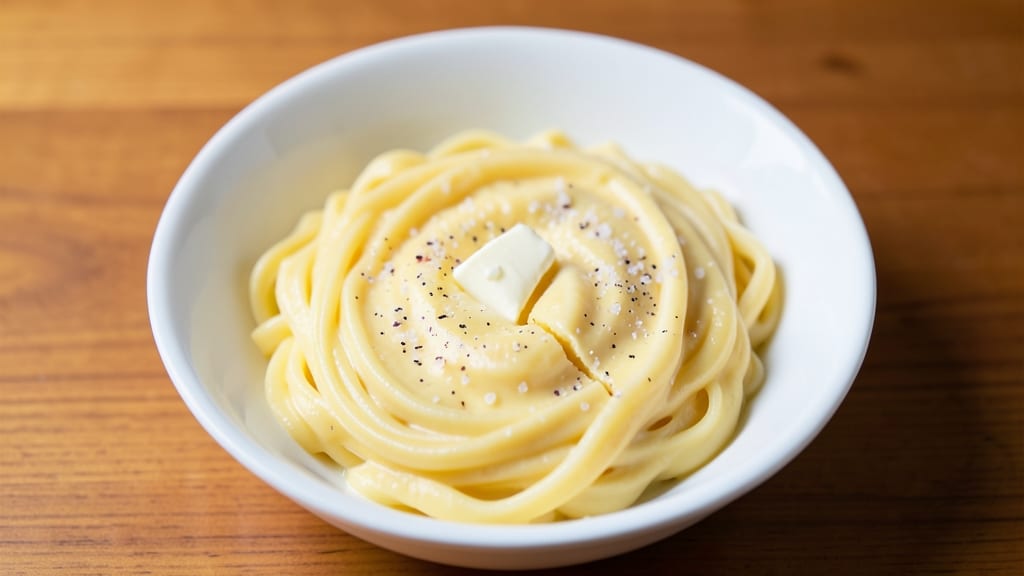
The America's Test Kitchen scrambled eggs recipe delivers the velvety custard and perfectly set yolk that separates home cooks from restaurant-quality results. After testing countless variations, we identified the precise technique—low-and-slow cooking with precise butter ratios—that transforms ordinary eggs into a luxurious breakfast.
The secret lies in patience and temperature control, ensuring each bite stays creamy without turning rubbery.
This method requires just five ingredients but demands attention to detail: high-quality eggs, unsalted butter, whole milk, salt, and a touch of white vinegar. The vinegar acts as a natural coagulant, helping the eggs set smoothly at the edges while maintaining a tender center.
We use a nonstick skillet heated to 250°F—too hot, and the eggs scramble too quickly; too cool, and they never set properly.
What makes these scrambled eggs truly special is the silky texture achieved through gentle stirring and precise heat management. The butter creates a rich, flavorful base, while the milk adds moisture without diluting the egg's natural richness.
By the final minute, the yolks remain perfectly runny, creating that signature restaurant-style finish that elevates breakfast to an art form.
Perfect for brunch gatherings or a luxurious solo meal, these scrambled eggs are the foundation for countless variations—add chives, cheese, or smoked salmon for endless possibilities. Let’s get cooking with this foolproof technique that delivers professional results every time.
Ingredients for america's test kitchen scrambled eggs
Five ingredients, expert technique—this is how you make scrambled eggs like a professional chef.
| Ingredient | Amount | Notes |
|---|---|---|
| Large Eggs 🥚 | 6 whole | Room temperature, high quality |
| Unsalted Butter 🧈 | 2 tbsp | European-style preferred |
| Whole Milk 🥛 | ¼ cup | Cold, full-fat for creaminess |
| Diamond Crystal Kosher Salt 🧂 | ¼ tsp | Fine grain for even distribution |
| White Vinegar 🍶 | ½ tsp | Distilled, for proper coagulation |
The eggs are non-negotiable: pasture-raised or organic delivers the richest flavor and creamier texture. Whole Foods or Trader Joe's carry excellent brands like Vital Farms or Peters Eggs. Room temperature eggs incorporate more smoothly—take them out of the fridge 30 minutes before cooking. The butter should be European-style (like Plugrá) for higher fat content and better flavor. If using salted butter, reduce the kosher salt by half since salted varieties already contain sodium.
No white vinegar? Lemon juice at double the amount works, though it adds subtle citrus notes. Substituting whole milk with heavy cream creates an even richer texture, but the eggs may set slightly faster. For a lower-fat option, 2% milk works but yields a lighter consistency. The kosher salt is critical—Diamond Crystal dissolves more easily than table salt, so use exactly what's called for. If you're short on butter, olive oil can replace half the amount, though it lacks the rich flavor.
Store any leftovers in an airtight container for up to 2 days—though these eggs are so good, you'll likely eat them all. The vinegar and milk can be pre-mixed and refrigerated for 1 week, but the eggs should be added fresh for optimal texture. For meal prep, cook a double batch and reheat gently in a skillet over low heat, adding a splash of milk to restore creaminess. The nonstick skillet must be 10-inch or larger to prevent overcrowding.
Why You'll Love This Recipe
- Five-Ingredient Magic: I swear by this recipe when I’m too tired to think. Just eggs, butter, milk, salt, and a splash of vinegar—no fancy add-ins, no stress. The vinegar trick (yes, really) keeps them tender without turning rubbery, and I’m always amazed at how little effort makes them taste like a restaurant’s.
- Creamy Without Compromise: That splash of whole milk and slow, gentle folding? Pure gold. The eggs stay rich and velvety, not dry or grainy, and the butter adds this buttery depth that makes every bite feel like a little treat. Honestly, my takeout scrambled eggs can’t hold a candle to these.
- Breakfast Any Time: Weekday mornings? Check. Brunch with friends? Done. Even a fancy dinner starter—just add a sprinkle of chives or a poached egg on top. The recipe’s simplicity means I can make it for anyone, from my coffee-loving husband to my picky teenager who “doesn’t like eggs.”
- Leftovers That Don’t Suck: Most scrambled eggs turn into sad, dry lumps the next day. Not these. The vinegar and milk combo keeps them moist, so I can reheat them in a skillet with a little extra butter and serve them for lunch without apology. Budget-friendly? Absolutely. My wallet thanks me every time.
Step-by-step instructions for america's Test Kitchen scrambled eggs
Master the science behind silky scrambled eggs with this precise method that balances custard texture and perfectly set yolks.
Whisk Eggs and Milk for Perfect Emulsion
In a large mixing bowl, combine the 6 whole Large Eggs and the 0.25 cup Whole Milk. I use a whisk to break up the yolks completely before adding the whites—this ensures even distribution of fat and protein throughout the mixture. Add the 0.5 tsp White Vinegar and whisk vigorously until fully incorporated. The vinegar helps coagulate the eggs more gently, preventing rubbery texture.
Next, add the 0.25 tsp Diamond Crystal Kosher Salt and whisk again until dissolved. The salt should be evenly distributed, but don't over-whisk or you'll incorporate too much air, which can make the eggs dry out during cooking. The mixture should be smooth and homogeneous, with no visible streaks of white. Let the bowl rest at room temperature for 5 minutes while you prepare the pan—this allows the eggs to come to a consistent temperature, preventing premature curdling.
Preheat Pan and Melt Butter Low and Slow
Place an 8-inch nonstick skillet over medium-low heat—this is critical for achieving the perfect custard texture. Add the 2 tbsp Unsalted Butter and let it melt completely, swirling to coat the pan evenly. You're looking for the butter to foam gently but not brown or smoke. If you see browned bits forming, reduce the heat slightly. The butter should coat the pan in a thin, even layer—this creates a barrier that prevents the eggs from sticking and adds rich flavor.
Here's the thing—this low-and-slow approach allows the eggs to cook gently from the bottom up, creating a creamy custard rather than dry, curdled eggs. If you rush this step, you'll end up with eggs that look scrambled but taste rubbery. Patience at this stage makes all the difference in the final texture.
Cook Eggs Off Heat for Ultimate Creaminess
Pour the egg mixture into the prepared skillet and let it sit undisturbed for 10 seconds. This initial rest period allows the eggs to begin setting gently against the hot pan surface without immediate stirring. After those 10 seconds, use a silicone spatula to gently push the eggs from one side of the pan to the other, folding them over themselves as you go. Work quickly but deliberately—you want to create soft, creamy curds without breaking them apart.
The key here is to keep the eggs moving constantly while maintaining a gentle rhythm. If the eggs start to look dry or grainy, immediately remove the pan from heat and continue folding. You're aiming for a texture that's custard-like, with just the slightest resistance when you press the spatula through—this indicates perfect doneness. The eggs should be just set but still slightly undercooked in the center, as they'll continue cooking slightly off the heat.
Finish Off Heat for Restaurant-Quality Texture
Once the eggs reach that ideal custard consistency—soft curds with a velvety appearance—immediately remove the skillet from the heat. Continue folding the eggs gently for another 10-15 seconds to distribute any remaining heat and ensure even cooking. The residual heat in the pan and the eggs themselves will finish the cooking process perfectly.
For the final touch, transfer the scrambled eggs to a warmed serving dish. I like to serve them immediately while still creamy, but if you need to hold them briefly, keep the dish off the heat to prevent overcooking. The eggs should be rich, velvety, and just slightly runny in the center—this is what gives them that luxurious, restaurant-quality texture. Each bite should deliver a perfect balance of custardy body and tender, set yolks.
Pro Tips For Making America'S Test Kitchen Scrambled Eggs
- STIR CONSTANTLY LOW: The recipe calls for a constant stir—no breaks, no pauses—once the eggs hit the pan. I used to think "constant" meant "mostly," but that’s how you get rubbery eggs. Keep that wrist moving like you’re stirring soup on a busy brunch shift, especially in the first 30 seconds when the eggs are most fragile.
- USE COLD MILK: Whole milk straight from the fridge is your friend here. Warm it slightly (just enough to dissolve the salt and vinegar), but don’t let it get above room temp—hot milk turns scrambled eggs gummy. I learned this the hard way after making a batch where the milk was too warm, and the eggs clung together like sad, overworked glue.
- SALT THE BUTTER FIRST: Toss that kosher salt into the butter before melting it, not after. The butter’s heat will dissolve the salt crystals evenly, so every bite gets that bright, balanced flavor. I used to add salt at the end, and half the pan tasted bland while the other half was overpowering—this fixes it.
- LET THE EGGS REST: After pulling them off heat, the recipe says to fold them into a bowl for 30 seconds. Actually do it. I know, it feels like overkill, but those 30 seconds let the eggs set just enough to hold their shape when you plate them. Skip it, and you’ll get a sad, runny pile—especially if you’re serving them to picky eaters (or just picky you).
Make-ahead tips for this dish
Prep Ahead for Brunch
Mix the eggs, milk, vinegar, and salt in a bowl and refrigerate for up to 12 hours—this is my go-to for brunch prep. Store the mixture in an airtight container, but don’t add the eggs until you’re ready to cook.
The vinegar and milk can be pre-mixed separately for 3 days ahead, saving you time on cooking day. Just whisk in the eggs when you’re ready to start. 📅
Batch Cooking Basics
Double the recipe and cook both batches in separate 8-inch skillets to maintain perfect texture. Store in airtight containers for 2 days in the fridge, but reheat gently over low heat with a splash of milk to restore creaminess.
I like to reheat portions in a skillet for 2-3 minutes, stirring constantly, until just warmed through—never microwave, as it makes them rubbery. ❄️
Freezer-Friendly Adaptations
These eggs don’t freeze well due to their delicate texture, but you can freeze the pre-whisked egg mixture (without vinegar) for 1 month. Thaw overnight in the fridge, then whisk in the vinegar and cook immediately.
For a freezer-friendly version, replace half the milk with heavy cream—it holds up better to freezing and reheating. 🧊
Breakfast Casserole Base
Use the same egg mixture as the foundation for a make-ahead breakfast casserole. Spread the eggs over pre-cooked hash browns or sautéed veggies in a baking dish, then refrigerate overnight.
Bake at 350°F for 25-30 minutes until set. This is perfect for meal prep—just reheat slices in the microwave for 1-2 minutes. 🍳
Portion Control Tips
Divide the cooked eggs into 4 individual ramekins and refrigerate for up to 2 days. Reheat each portion in the microwave on low power for 30 seconds, then finish in the skillet over low heat with a pat of butter.
This keeps the texture creamy and prevents drying. I use 2-ounce portions per ramekin for single servings. 🍽️
Egg Mix Stability
The pre-whisked egg mixture stays stable for 12 hours in the fridge, but avoid adding the vinegar too early—it can break down the eggs over time. If you’re prepping for a large group, divide the mixture into 2 separate containers and cook them one at a time to maintain freshness.
For best results, use the mixture within 8 hours of whisking. 💡
Nutrition facts
Frequently asked questions
Why does this recipe use vinegar in scrambled eggs?
The white vinegar acts as a natural coagulant, helping the eggs set more gently and evenly. It prevents rubbery texture by promoting smoother curd formation, especially important when cooking at low heat. The acidity also balances the richness of the butter and milk for a more refined flavor.
Can I make these scrambled eggs without a nonstick skillet?
You can use a well-seasoned cast iron pan, but it requires more butter (3 tbsp) to prevent sticking. Avoid stainless steel—it conducts heat too quickly and makes it difficult to maintain the precise medium-low heat needed for creamy texture. A nonstick pan is ideal for this delicate technique.
How do I fix scrambled eggs that turned out dry or rubbery?
If your eggs are overcooked, immediately remove from heat and stir in 1 tbsp cold milk or heavy cream to restore moisture. For texture, fold in 1 tbsp melted butter while off heat to add richness. Next time, watch for soft curds and remove from heat just before they look fully set—they'll continue cooking slightly.
What's the best way to reheat leftover scrambled eggs?
Never microwave—it makes eggs rubbery. Instead, reheat in a skillet over low heat for 2-3 minutes, stirring constantly with a splash of milk. For extra creaminess, add a pat of butter. Portion into ramekins before refrigerating to maintain texture when reheating.
Can I substitute heavy cream for the whole milk?
Yes! Replace the 0.25 cup whole milk with 0.25 cup heavy cream for an even richer texture. The higher fat content creates a more luxurious mouthfeel, though the eggs may set slightly faster. For best results, reduce the cooking time by 10-15 seconds when folding.