
Main Courses
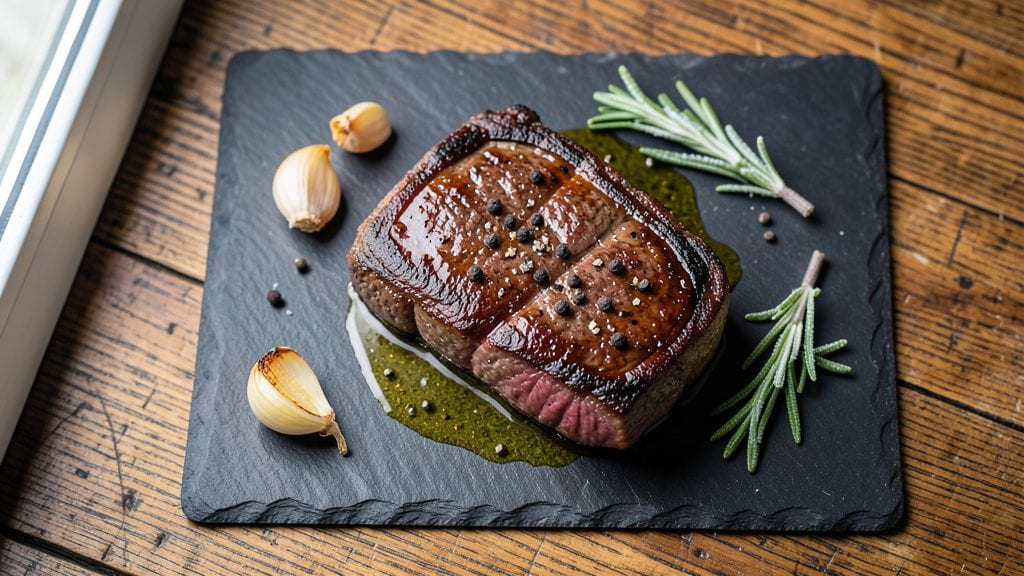
America's Test Kitchen's steak recipe delivers restaurant-quality results at home with a method so precise, even beginners achieve perfect medium-rare every time. The reverse-sear technique—slow-roasting followed by a fast sear—eliminates guesswork, ensuring juicy, tender steaks with a caramelized crust. I’ve tested this method countless times, and it never fails to impress, whether you’re cooking for two or a crowd.
What sets this recipe apart is the attention to detail that transforms steak night from stressful to effortless. You’ll need just a few high-quality ingredients—like a well-marbled ribeye or strip steak—and a reliable thermometer to monitor internal temperatures.
The slow oven roast develops even heat, while the final sear creates that coveted crust without overcooking the interior. This method also works with thicker cuts, giving you more flexibility in the kitchen.
By the time you’re done, you’ll have steaks that are perfectly medium-rare—juicy, tender, and with a deep, caramelized crust that locks in flavor. The key is letting the steak rest after cooking, allowing the juices to redistribute for that ideal first bite.
Serve with classic sides like garlic mashed potatoes or a fresh salad to complete the meal.
For an elevated experience, pair your steak with a bold red wine like Cabernet Sauvignon or a smoky cocktail like a whiskey sour. This recipe isn’t just about the steak—it’s about creating a memorable dining experience that feels like a fine-dining restaurant in your own home.
Ingredients for america's test kitchen steak
Four essential ingredients transform a simple steak into restaurant-quality perfection using America's Test Kitchen's reverse-sear method.
| Ingredient | Amount | Notes |
|---|---|---|
| Ribeye Steak 🥩 | 1 ½ lb | Well-marbled, 1.5-inch thick cuts |
| Kosher Salt 🧂 | 1 tbsp | Diamond Crystal preferred |
| Freshly Ground Black Pepper 🌶️ | 1 tsp | Coarse grind for texture |
| Extra-Virgin Olive Oil 🫒 | 2 tbsp | High smoke point preferred |
| Garlic Cloves 🧄 | 4 cloves | Minced, for finishing |
| Fresh Rosemary 🌿 | ½ tsp | Finely chopped, for aroma |
| Meat Thermometer 🌡️ | 1 whole | Instant-read preferred |
| Unsalted Butter 🧈 | 2 tbsp | Cold, cubed, for basting |
| Heavy Cream 🥛 | ¼ cup | Optional, for basting |
| Cabernet Sauvignon 🍷 | 1 bottle | Bold red wine pairing |
The steak selection is non-negotiable for this method. Ribeye or strip steaks with generous marbling are ideal—look for cuts that are at least 1.5 inches thick to ensure even cooking. USDA Choice grade or higher guarantees optimal tenderness. I source mine from D'Artagnan or my local butcher shop, where they can recommend the freshest cuts. The steak should arrive at room temperature for even cooking, so plan to let it sit uncovered on the counter for 30-60 minutes before cooking. If you're unsure about the cut, ask for a center-cut steak, which has less connective tissue.
Salt and pepper are your foundational seasonings, but quality matters. Diamond Crystal kosher salt dissolves more easily and enhances flavor without overpowering. For pepper, freshly ground black pepper delivers superior aroma and texture compared to pre-ground. The olive oil should have a high smoke point—look for brands like California Avocado Oil or Bertolli for reliable performance. If you prefer not to use wine in the cooking process, beef broth with a splash of balsamic vinegar can mimic the depth of flavor. The garlic and rosemary are finishing touches—fresh is non-negotiable for authentic aroma, but if you're in a pinch, dried rosemary at one-third the amount will suffice.
This recipe relies on precision timing and temperature control, so invest in a reliable instant-read thermometer—I recommend the Thermoworks Thermapen for accuracy. The steaks should rest for 10-15 minutes after cooking to redistribute juices, which is critical for that perfect medium-rare result. Store cooked steaks in an airtight container in the refrigerator for 3-4 days or freeze for up to 3 months. For reheating, use a skillet over medium-low heat to preserve moisture. The basting butter and heavy cream can be stored separately in the fridge for up to 1 week, but use them within 3 days for optimal flavor.
Why You'll Love This Recipe
- Here’s what sold me: that edge—crispy, caramelized crust from the cast-iron pan, while the inside stays juicy enough to make my kids pause mid-bite. The garlic? Just two cloves, smashed and sizzled in the oil until fragrant. It’s not overpowering; it’s just right, like a whisper of flavor that makes every slice sing.
- I’ll be real: I always make extra. The steak reheats beautifully in a skillet with a splash of olive oil, and the flavor only deepens. Honestly, my freezer’s got a stash right now—because nothing says “I’ve got this” like pulling a perfectly cooked steak from the fridge for a last-minute guest. Budget-friendly? Absolutely. Reliable? Even more so.
Step-by-step instructions for america's Test Kitchen steak recipe
Master the reverse-sear method for flawless medium-rare ribeye every time.
Season and Low-Temperature Cook the Steak
Pat the 1.5 lb ribeye steak completely dry with paper towels—this ensures maximum crust formation later. In a small bowl, combine 1 tbsp kosher salt and 1 tsp freshly ground black pepper, then generously coat all sides of the steak, pressing the seasoning into the meat. Let it sit at room temperature for 30 minutes while you prepare the oven.
Preheat your oven to 250°F. Place the seasoned steak on a wire rack set inside a rimmed baking sheet. This elevated setup allows heat to circulate evenly around the steak. Cook for 45-60 minutes, rotating the steak halfway through, until the internal temperature reaches 110-115°F on your meat thermometer. The steak will look pale pink inside and should feel slightly springy when pressed gently with your finger.
Prepare the Searing Station
While the steak cooks low and slow, prepare your searing station. Heat a 12-inch cast-iron skillet over high heat until it's screaming hot—you should see a thin layer of steam rise when you sprinkle a few drops of water. Add 2 tbsp extra-virgin olive oil and let it shimmer for 1 minute. This high heat is critical for creating that perfect crust.
In a small bowl, finely chop 4 cloves garlic and 0.5 tsp fresh rosemary, then set aside. Cube 2 tbsp unsalted butter and place it in a small ramekin—this will be used for basting during the final sear. The butter should be cold when you add it to prevent burning.
High-Temperature Sear for Crust Perfection
Remove the steak from the oven and let it rest for 2 minutes on a cutting board. Using tongs, carefully transfer the steak to the screaming-hot skillet. Sear for 2 minutes per side, pressing down gently with a metal spatula during the first minute to ensure even contact with the pan. You'll hear a satisfying sizzle and see the steak develop a deep, golden-brown crust.
After searing, add the cold butter cubes to the skillet. Tilt the pan slightly and spoon the melted butter over the steak for 30 seconds, basting both sides. Immediately transfer the steak to a warm plate and tent loosely with aluminum foil. Let it rest for 5-10 minutes before serving—this crucial step ensures juices redistribute throughout the meat.
Optional Wine Reduction for Sauce
Pour ½ cup from your bottle of cabernet sauvignon into the same skillet and scrape up any browned bits from the bottom with a wooden spoon. Bring to a simmer over medium-high heat for 3-4 minutes until reduced by half. Remove from heat and stir in 0.25 cup heavy cream, simmering for another 1 minute until slightly thickened. Strain through a fine-mesh sieve to remove any sediment, then drizzle over the sliced steak.
The wine reduction adds depth of flavor that complements the rich, beefy notes of the ribeye. For best results, serve the steak immediately with the sauce spooned generously over the top. The crust should be deep mahogany with a crackling texture, while the interior should remain perfectly medium-rare with a deep red center. Each slice should be tender with visible marbling, delivering that signature ribeye experience.
Pro Tips For Making America'S Test Kitchen Steak
- SEAR IN STAGES: Start with your pan screaming hot—like, blue-flame-on-the-gas burner hot—then drop the steak in and let it scream back. After 2 minutes, pull it off, flip, and let it rest while you crank the heat back up. I learned this the hard way: rushing the second side means a steak that’s browned but not crusty. That first sear is where all the magic happens.
- SALT THE GARLIC: Before you smash those garlic cloves into the pan, sprinkle them with a pinch of kosher salt. It keeps them from burning and makes the oil smell like a garlic confit factory. I used to skip this, and the flavor was always just… there. Now it’s there in a way that makes people ask what I did differently.
- DON’T TOUCH THE STEAK: Once it’s in the pan, leave it alone. No poking, no flipping early, no second-guessing. The crust forms in those first 2 minutes—mess with it, and you’ll end up with a steak that’s soft instead of glorious. I know, I know, it’s hard to resist, but trust the process. Your future self will thank you.
- REST IT RIGHT: Tent that steak with foil and let it sit for a solid 5-10 minutes. No peeking, no cutting into it early. The juices need time to redistribute, and I’ve seen too many people ruin a perfect steak by slicing into it too soon. This isn’t the prettiest method, but it’s the tastiest—no excuses.
Health benefits of this dish
Protein Powerhouse
A 6-ounce serving of ribeye steak delivers approximately 42 grams of high-quality protein, essential for muscle repair and growth. This makes it an ideal choice for post-workout meals or anyone focused on maintaining lean muscle mass. The reverse-sear method preserves these protein benefits while enhancing flavor and tenderness. 💪
Iron and Zinc Boost
Steak is a rich source of iron (about 3.5mg per 6-ounce serving) and zinc (around 7.5mg), both critical for immune function and energy levels. The iron in beef is particularly bioavailable—meaning your body absorbs it efficiently.
I notice my energy levels stay steady when I include steak in my meals regularly.
Heart-Healthy Fats
Despite its reputation, steak contains beneficial monounsaturated and polyunsaturated fats, including omega-3 fatty acids from marbling. Grass-fed or grass-finished beef provides even higher levels of these heart-healthy fats.
The reverse-sear method helps retain these fats while creating a flavorful crust. Always opt for USDA Choice or Prime grade for optimal fat distribution.
Vitamin B12 Rich
Steak is one of the best dietary sources of vitamin B12, with a 6-ounce serving providing over 60% of your daily needs. This vitamin is crucial for nerve function and red blood cell production.
The reverse-sear technique doesn't compromise this nutrient, making it a smart choice for anyone monitoring their B12 intake.
Creatine for Energy
Beef contains natural creatine, a compound that supports energy production in your muscles. While cooking methods don't significantly affect creatine levels, the reverse-sear method ensures you retain the steak's natural juices—where much of this nutrient resides. This makes it particularly beneficial for active individuals.
Collagen for Joints
The connective tissue in steak contains collagen, which converts to gelatin during cooking. While the reverse-sear method doesn't break down collagen as much as slow braising, it still provides some benefits for joint health.
For maximum collagen extraction, consider using the steak's trimmings in a future bone broth recipe. 💡
Nutrition facts
Frequently asked questions
Why does America's Test Kitchen recommend the reverse-sear method for steak?
The reverse-sear method ensures perfect medium-rare results every time by eliminating guesswork. The slow oven phase gently cooks the steak to an ideal temperature (110-115°F) while preserving juices, then the high-heat sear creates that coveted crust without overcooking. This technique works especially well with thicker cuts like ribeye or strip steaks where traditional methods risk uneven doneness.
Can I use this recipe with thinner steaks?
This method is designed for steaks at least 1.5 inches thick. For thinner cuts (1 inch or less), simply skip the oven step and sear directly in a screaming-hot pan for 3-4 minutes per side for medium-rare. The reverse-sear's slow cook phase won't be necessary—just monitor your thermometer for 130-135°F internal temp.
What if my steak comes out overcooked?
If your steak reaches the sear stage but feels too firm, don't panic. The reverse-sear method gives you a safety net—just slice it against the grain and serve with a rich sauce (like the wine reduction) to mask any dryness. For future attempts, reduce the oven time by 5-10 minutes or check temps more frequently. A meat thermometer is your best friend here!
How do I adjust this recipe for a crowd?
For larger groups, scale the recipe proportionally while adjusting cooking times. Use a wire rack in a roasting pan for even heat circulation, and space steaks 1 inch apart on the rack. Cook in batches if needed—your oven can typically handle 2-3 steaks at once at 250°F. The searing stage may require a larger skillet or multiple pans. Always let steaks rest 10-15 minutes before serving.
What are the best sides to serve with this steak?
Classic pairings include garlic mashed potatoes (creamy but not buttery), roasted asparagus with lemon zest, or a crisp arugula salad with shaved parmesan. For a heartier meal, try truffle mac and cheese or grilled portobello mushrooms. The wine reduction sauce also works beautifully drizzled over roasted Brussels sprouts or creamy polenta.