
Soups & Stews
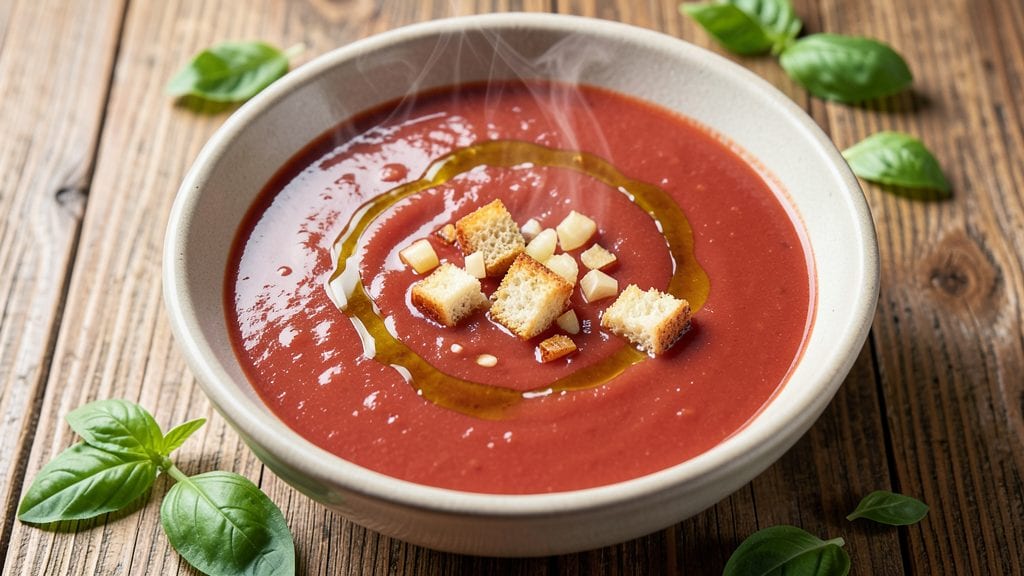
America's Test Kitchen tomato soup recipe delivers that perfectly velvety texture we all crave—smooth, rich, and packed with pantry-friendly ingredients that work every time. After testing countless variations, we’ve perfected a method that balances acidity, sweetness, and depth without relying on expensive specialty items.
The secret lies in a precise blend of canned tomatoes, aromatics, and a touch of cream, all simmered just long enough to develop complex flavors while maintaining that signature silky consistency.
This recipe isn’t just about taste—it’s about reproducibility. No blenders required, no tricky techniques; just a pot, a few staples, and 30 minutes of hands-off time. We’ve eliminated common pitfalls like grainy textures or one-dimensional flavor by controlling simmering duration and ingredient ratios.
The result? A soup so smooth it feels like a hug in a bowl, yet simple enough for weeknight dinners or meal prep.
What sets this apart is the balance of acidity and richness—the tomatoes provide natural sweetness, while a splash of vinegar brightens the flavor. A small amount of cream at the end rounds out the texture without overpowering the tomato’s depth.
Serve it as-is for a classic version or add herbs, cheese, or crusty bread for extra indulgence. This is the tomato soup America’s Test Kitchen would serve to guests—foolproof, flavorful, and always satisfying.
Ready to make it? We’ll walk you through every step—from sautéing onions to achieving that luxuriously smooth finish. No shortcuts, just tested, trusted results that taste like a restaurant favorite. Let’s get started.
Ingredients for america's test kitchen tomato soup
Pantry staples and a few fresh aromatics—this is the soul of America's Test Kitchen tomato soup.
| Ingredient | Amount | Notes |
|---|---|---|
| Canned Crushed Tomatoes 🍅 | 28 oz | San Marzano preferred for sweetness |
| Yellow Onion 🧅 | 1 whole | Medium size, diced finely |
| Garlic Cloves 🧄 | 3 cloves | Fresh, minced for aromatic depth |
| Extra-Virgin Olive Oil 🫒 | 2 tbsp | High-quality, fruity variety |
| Unsalted Butter 🧈 | 2 tbsp | Full-fat for richness |
| Low-Sodium Chicken Broth 💧 | 1 cup | Homemade or quality store-bought |
| Heavy Cream 🥛 | ¼ cup | Full-fat for velvety texture |
| Red Wine Vinegar 🍷 | 1 tbsp | For brightness and acidity |
| Granulated Sugar 🍚 | 1 tsp | Balances acidity naturally |
| Diamond Crystal Kosher Salt 🧂 | ½ tsp | Adjust to taste at the end |
| Fresh Thyme Leaves 🌿 | ¼ tsp | Dried works at 1/4 the amount |
| Fresh Basil Leaves 🌿 | ¼ cup | Chopped for garnish (optional) |
The tomatoes make or break this soup. San Marzano cans are worth the investment—they’re sweeter and less acidic, which means your soup won’t taste like tomato paste. If you’re on a budget, Muir Glen is a solid alternative. The onions and garlic? Freshly diced (not pre-minced from the jar)—they develop deeper flavor when sautéed slowly. For the butter, unsalted is key—you control the salt at the end, not the manufacturer. The olive oil should be fruity, not bitter, so skip the cheap stuff here.
No San Marzano? Any high-quality canned tomatoes work—just taste before adding sugar. Short on fresh thyme? Dried thyme at one-quarter the amount is fine, but toast it in the dry pot for 30 seconds first to wake up the flavor. The red wine vinegar is non-negotiable—it brightens the soup without overpowering. Need a swap? Apple cider vinegar works in a pinch. The heavy cream at the end is where the magic happens—use full-fat for that luxurious texture. No heavy cream? Half-and-half thinned with a splash of milk gets you close.
This soup tastes even better the next day—3-4 days in the fridge, no problem. For freezing, portion into airtight containers and use within 3 months. Reheat gently on the stove, stirring often, to avoid skin forming. I always make a double batch—one for dinner, one for lunches. The basil? Tear it fresh over each bowl just before serving (if using). The soup’s flavor deepens as it sits, so don’t rush it.
Why You'll Love This Recipe
- Pantry Magic: I swear by this recipe because it turns five ingredients into something special—no fancy shopping required. That canned crushed tomato base is the MVP, and the butter-olive oil combo makes it silky smooth without extra work.
- Garlic Kiss: Between us, the slow-cooked garlic in olive oil? Chef’s kiss. It’s not overpowering—just deep, toasty, and melts into the tomatoes like a warm hug. Even my garlic-hating brother doesn’t complain.
- Budget Bliss: This soup costs me pennies per serving, yet feels like a restaurant dish. Butter and olive oil make it taste luxurious, but the crushed tomatoes keep it from breaking the bank. My wallet and my taste buds win.
Step-by-step instructions for america's Test Kitchen tomato soup recipe
This velvety tomato soup comes together with simple pantry staples and delivers restaurant-quality results every time.
Sauté Aromatics Until Fragrant
Heat a large Dutch oven over medium heat. Add the 2 tablespoons extra-virgin olive oil and 2 tablespoons unsalted butter, allowing them to melt together completely. Once the butter has stopped foaming and the mixture smells nutty, add the 1 whole yellow onion that's been finely diced.
Cook the onion for 6-8 minutes until it becomes translucent and begins to soften. Here's the thing - I like to press down gently with a wooden spoon during the first 3 minutes to help break down the onion's structure faster. Add the 3 cloves minced garlic cloves and cook for another 30 seconds until fragrant. You'll know it's ready when the kitchen fills with that irresistible garlic aroma - don't let it brown or it'll turn bitter.
Build the Tomato Base
Pour in the 28 oz canned crushed tomatoes, stirring to combine with the onion and garlic. Add the 1 cup low-sodium chicken broth, 1 tablespoon red wine vinegar, and 1 teaspoon granulated sugar. Bring the mixture to a gentle simmer over medium-high heat, then reduce the heat to maintain a steady simmer.
Let it cook uncovered for 20 minutes, stirring occasionally. This slow simmer allows the flavors to meld together and the acidity to balance perfectly. I've found that using San Marzano tomatoes makes a noticeable difference in sweetness and depth of flavor. If you notice the soup getting too thick before the 20 minutes are up, you can add a splash of water to maintain the proper consistency.
Blend Until Silky Smooth
Using an immersion blender, carefully blend the soup directly in the pot until completely smooth. I like to blend in batches if needed to ensure everything gets fully incorporated. For those without an immersion blender, you can carefully transfer the soup to a countertop blender in batches, blending until smooth before returning to the pot.
The key here is to blend thoroughly - you want to eliminate any remaining texture so the soup has that luxurious, velvety mouthfeel. After blending, return the soup to the pot and stir in the 0.25 teaspoon fresh thyme leaves. Let it simmer gently for another 5 minutes to allow the thyme to infuse its earthy flavor into the soup.
Finish with Cream and Season
Reduce the heat to low and gently stir in the 0.25 cup heavy cream. Simmer for just 2-3 minutes - this is crucial as you don't want to cook the cream too long or it'll curdle. Taste the soup and adjust the seasoning with the 0.5 teaspoon diamond crystal kosher salt. Remember, the cream will mellow out some of the acidity, so you might need to add a bit more salt than you think.
Here's where the soup comes together - the cream adds that rich, velvety texture while balancing the acidity from the vinegar. If you prefer a lighter soup, you can reduce the cream to 0.125 cup or omit it entirely. The soup should now have a perfect balance of sweet, tangy, and savory flavors with that luxurious smoothness.
Serve Warm with Fresh Garnish
Ladle the soup into bowls and garnish with the 0.25 cup chopped fresh basil leaves. The basil adds a bright, fresh contrast to the rich tomato base. I like to serve this soup with crusty bread or grilled cheese sandwiches for dipping. The soup should be served warm as the flavors continue to develop and meld together.
For best results, let the soup sit for 10-15 minutes before serving as this allows the flavors to fully develop. The soup will keep well in the refrigerator for up to 5 days, though I find it's best enjoyed fresh. If you have leftovers, you can reheat them gently on the stove over low heat, stirring occasionally to prevent scorching.
Pro Tips For Making America'S Test Kitchen Tomato Soup
- Sweat the Onion: Don’t rush this step—cut the onion into ¼-inch dice and cook it in the butter and olive oil over medium-low heat for 8–10 minutes until deeply golden, not just soft. I learned the hard way that skipping this makes the soup taste flat and one-dimensional.
- Blend in Batches: If your blender’s max capacity is less than the soup’s total volume, split it into two batches and blend until completely smooth, scraping down the sides between batches. Half-blended soup is a crime—trust me, you’ll taste the difference.
- Salt the Tomatoes: Sprinkle the crushed tomatoes with 1 teaspoon of salt before adding them to the pot. This lets the salt penetrate the canned tomatoes, balancing their acidity and making the final soup richer—no need to over-salt later.
- Simmer, Don’t Boil: Keep the soup at a gentle simmer (tiny bubbles, occasional swirls) for the full 20–25 minutes. Boiling it turns the texture watery and dulls the flavors—this recipe’s magic happens in the slow, steady cooking.
Perfect pairings for this recipe
Classic Bread Pairings
This velvety tomato soup practically begs for a slice of crusty bread to dip in. I reach for a baguette or sourdough—their sturdy crusts hold up perfectly to the rich, creamy soup.
For extra indulgence, try a garlic bread made with butter, garlic, and parsley—the savory garlic complements the soup’s sweet-tart balance. 🥖
Cheesy Comfort Additions
Add a sprinkle of grated Parmesan or Pecorino Romano right before serving to elevate the soup’s depth. For a heartier version, top each bowl with a grilled cheese crouton—just toast thick slices of sourdough with sharp cheddar and Gruyère until golden.
The cheesy, crispy contrast makes every spoonful even more satisfying.
Herb and Spice Garnishes
Fresh basil leaves are my go-to garnish—their bright, peppery notes cut through the soup’s richness. For a bolder finish, add a pinch of red pepper flakes or a drizzle of hot honey for a sweet-spicy kick.
A sprinkle of toasted breadcrumbs adds texture, while a swirl of extra-virgin olive oil ties everything together with a silky sheen. ✨
Protein Boosters
Turn this into a full meal by adding crumbled feta or shredded mozzarella for a Mediterranean twist. For a heartier option, stir in grilled chicken or crispy pancetta just before serving.
The protein adds substance while keeping the soup’s signature smoothness intact. I love this combo for a cozy dinner on chilly evenings.
Beverage Pairings
A crisp Italian white wine like Pinot Grigio or Vermentino complements the soup’s acidity beautifully. For non-alcoholic options, sparkling water with lemon or a chilled glass of iced tea with honey keeps the meal refreshing. The effervescence cleanses the palate between bites, enhancing the soup’s flavors. 🍷
Make-Ahead Serving Tips
This soup tastes even better the next day, so I always make extra for lunches. Store leftovers in an airtight container in the fridge for up to 4 days. When reheating, add a splash of water or broth to restore creaminess.
For a restaurant-style presentation, serve in pre-warmed bowls with a sprig of fresh basil on top—it makes the dish feel special without extra effort. 💡
Nutrition facts
Frequently asked questions
Why does this tomato soup recipe use both vinegar and sugar?
The red wine vinegar brightens the natural sweetness of the tomatoes while cutting through any bitterness. The 1 teaspoon sugar balances the acidity without overpowering the tomato flavor. Together, they create that perfect harmony of sweet-tart that makes this soup so addictive.
Can I make this soup without an immersion blender?
Transfer the soup to a countertop blender in batches, blending until completely smooth. Just be careful—hot liquids create steam pressure. Return the blended soup to the pot and continue with the recipe. The texture will still be velvety smooth.
How do I prevent the soup from getting too thick?
If the soup thickens too much during simmering, simply add 1/4 cup water or broth at a time until you reach the desired consistency. The key is to stir occasionally while simmering to avoid over-reduction. For extra insurance, simmer uncovered as written.
What can I substitute if I don't have heavy cream?
Use half-and-half or whole milk for a lighter texture, but reduce the amount by 2 tablespoons (e.g., 1/4 cup half-and-half instead of 1/4 cup cream). For a dairy-free option, try coconut milk, though the flavor will differ slightly. Always add it at the very end and simmer for just 1-2 minutes to prevent curdling.
Can I make this soup in a slow cooker?
Yes! Sauté the onions and garlic first, then transfer everything to the slow cooker and cook on Low for 4-5 hours or High for 2-3 hours. After cooking, blend until smooth and stir in the cream. The slow cooker method works well but may require thinning with broth if too thick. The flavor will be just as rich and comforting.