
Side Dishes
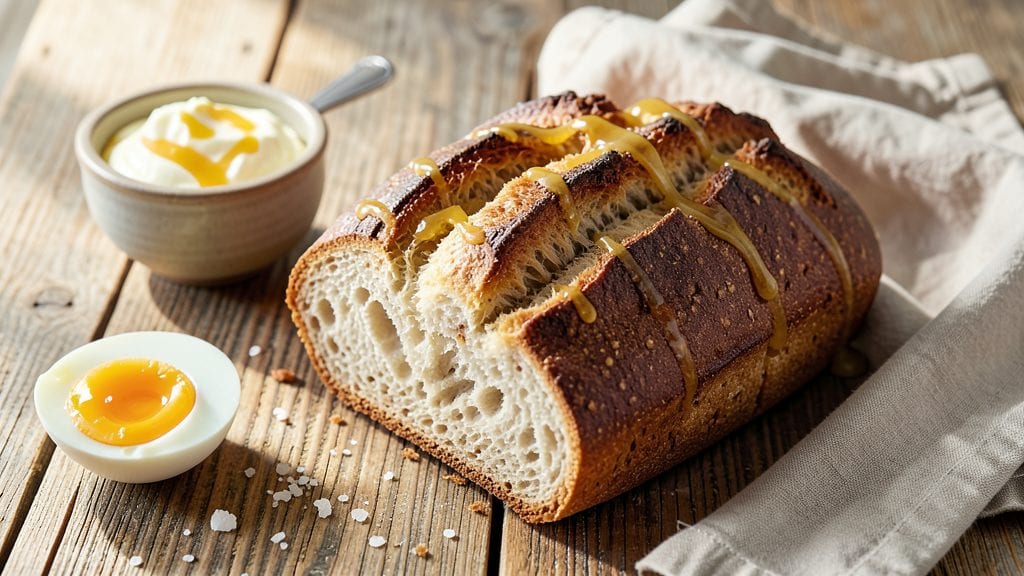
This Amish friendship sourdough bread recipe brings together tradition and technique to create loaves with a crusty exterior, tender crumb, and those signature tangy sweet swirls that make it irresistible. 🌟 The method preserves the cultural roots of Amish baking while adapting for modern kitchens—no specialized equipment required.
I developed this version after years of perfecting the balance between sourdough's natural tang and the buttery, sweet filling that defines friendship bread.
The beauty of this recipe lies in its simplicity and generosity. Unlike commercial bread mixes, this version uses a simple sourdough starter (or store-bought starter if preferred) to create depth of flavor without complexity.
The dough develops naturally over time, while the sweet swirls—made with basic pantry ingredients—add just the right amount of sweetness to complement the bread's tang. Every step is designed to be foolproof, ensuring even beginner bakers achieve professional-quality results.
What makes this recipe special is its ability to bring people together, just like the Amish tradition of baking loaves for neighbors. The aroma of freshly baked bread fills the kitchen as it emerges from the oven with a golden crust and perfectly risen swirls.
The crumb remains soft yet sturdy, while the sweet filling stays moist and flavorful. This bread is perfect for sharing—whether at family gatherings, potlucks, or as a thoughtful gift for friends.
Once baked, these loaves stay fresh for days when stored properly, making them ideal for meal prep or gifting. You can also customize the recipe by adding seeds, herbs, or spices to the dough or filling.
Let's get started on creating a loaf that honors tradition while fitting seamlessly into your modern kitchen.
Ingredients for amish friendship sourdough bread
Fourteen simple ingredients transform tradition into golden, swirled friendship bread with perfect crust and crumb.
| Ingredient | Amount | Notes |
|---|---|---|
| Active Sourdough Starter 🍞 | 2 cups | Unfed, 100% hydration preferred |
| All-Purpose Flour 🌾 | 5 cups | Bread flour for better structure |
| Granulated Sugar 🍚 | ¼ cup | For dough and filling sweetness |
| Unsalted Butter 🧈 | ½ cup | Cold, cubed for filling |
| Large Eggs 🥚 | 2 whole | Room temperature for mixing |
| Instant Yeast 🍞 | ¼ tsp | For dough activation |
| Diamond Crystal Kosher Salt 🧂 | 2 tsp | Fine grain preferred |
| Whole Milk 🥛 | ¼ cup | Warmed for dough hydration |
| Brown Sugar 🍚 | ¼ cup | Packed, for filling depth |
| Cinnamon 🌿 | 1 tsp | Ground, for filling warmth |
| Cornmeal 🌽 | ½ cup | For dusting baking sheets |
| Water 💧 | ½ cup | Room temperature for dough |
The sourdough starter is non-negotiable for authentic flavor. Store-bought starters from brands like King Arthur or Bob's Red Mill work perfectly if you're short on time, but a homemade starter (fed with equal parts flour and water daily) delivers deeper complexity. For the flour, King Arthur bread flour yields the best oven spring, though all-purpose flour suffices for a tender crumb. The butter should be European-style if available—it holds its shape better during the swirl process. When measuring the sugars, pack the brown sugar firmly into the measuring cup for accurate sweetness.
No brown sugar? Substitute white sugar plus 1/4 tsp molasses for depth. Running low on cinnamon? Nutmeg or cardamom at half the amount adds warmth without overpowering. The milk can be swapped for water plus 1 tbsp melted butter, though the dough may develop slightly slower. For the yeast, active dry yeast works in a pinch—just dissolve it in warm water with a pinch of sugar for 5 minutes before mixing. The cinnamon should be freshly ground; pre-ground spices lose potency quickly. If you prefer a sweeter filling, add 1/4 cup chopped pecans or walnuts to the butter-sugar mixture.
This dough benefits from a slow rise—plan for at least 4 hours in the refrigerator overnight for maximum flavor development. The filled loaves keep beautifully for 3-4 days at room temperature wrapped in a clean kitchen towel, or up to 1 week in an airtight container. For longer storage, freeze the baked loaves for up to 3 months. To revive, wrap in foil and warm in a 350°F oven for 10-15 minutes. The filling stays moist when stored properly, though the butter may soften—simply reheat before serving for optimal texture.
Why You'll Love This Recipe
- No-Fuss Dough: I swear, this bread comes together in one bowl—no kneading, no fuss. Just mix the starter, flour, sugar, and a touch of butter until it’s just shaggy enough, then fold in those eggs. The dough’s so forgiving, even if you overwork it, it’ll still rise like a dream.
- Buttery Sweet Magic: That little spoonful of sugar in the dough? It caramelizes just enough to give every slice a subtle, warm sweetness, while the butter keeps it rich without being heavy. Honestly, it’s the kind of bread that makes you pause mid-bite—because it’s that good.
- Weeknight Hero: Slice it for toast in the morning, pack it for lunch, or serve it warm with soup. It’s my go-to when I need something hearty but not labor-intensive—especially when I’ve got a sourdough starter already fed and ready to go.
- Stretches the Budget: A single batch feeds four for days, and the ingredients? Basic. You’re not hunting down specialty flours or exotic leavens—just what’s already in your pantry. Between us, this is how I feed my family well without breaking the bank.
Step-by-step instructions for Amish friendship sourdough bread
Master the art of this beloved sourdough with a perfect balance of tangy starter, sweet filling, and crispy crust.
👨🍳 Step 1: Prepare the Sweet Brown Butter Filling
In a medium saucepan, melt the 0.5 cup unsalted butter over medium heat until it begins to foam. Reduce heat to low and cook, swirling occasionally, until the butter turns a deep golden brown with nutty aromas—about 5-7 minutes. This is your signal to add the 0.25 cup packed brown sugar and 1 tsp cinnamon.
Stir constantly for 2 minutes until the sugar dissolves completely and the mixture becomes thick and glossy. Immediately transfer to a small bowl and let cool to room temperature—about 15 minutes. The filling should be spreadable but not runny. If it cools too much, gently warm it again for 30 seconds to restore workability.
👨🍳 Step 2: Mix the Dough to Peak Development
In a large mixing bowl, combine the 2 cups active sourdough starter, 0.5 cup water, 0.25 cup whole milk, and 0.25 cup granulated sugar. Whisk until the sugar dissolves completely. Add 5 cups all-purpose flour and 2 tsp diamond crystal kosher salt, mixing just until combined—you'll see a shaggy dough form.
Add the 2 whole large eggs and 0.25 tsp instant yeast, then turn the dough out onto a lightly floured surface. Knead for 8-10 minutes by hand or 5-6 minutes in a stand mixer with a dough hook, until the dough becomes smooth, elastic, and springs back slowly when pressed. This dough should be slightly tacky but not sticky—add 1 tablespoon flour if needed to achieve the right consistency.
🥘 Step 3: Shape and Fill the Loaves
Divide the dough into 4 equal portions, each weighing about 12 ounces. On a lightly floured surface, roll each portion into a 12-inch circle, about ¼-inch thick. Spread 2 tablespoons of the cooled brown butter filling onto each circle, leaving a ½-inch border uncovered around the edges.
Carefully roll each circle up tightly from the short side, sealing the seam by pinching the dough edges together. Place each filled log seam-side down on a parchment-lined baking sheet, spacing them about 2 inches apart. Cover loosely with a clean kitchen towel and let rise at room temperature for 1-2 hours, until the dough has puffed to about 1.5 times its original size. The filling should be visible through the dough, and the logs should feel light when pressed gently.
🔥 Step 4: Bake to Golden Perfection
Preheat your oven to 375°F and sprinkle the baking sheets liberally with 0.5 cup cornmeal, shaking off any excess. Bake the loaves for 30-35 minutes until they're deeply golden brown, with a crisp crust that sounds hollow when tapped. Rotate the baking sheets halfway through for even browning.
Remove from the oven and let cool on the baking sheets for 10 minutes before transferring to a wire rack. Here's the thing—this bread tastes best still warm, but it's worth the wait. The filling should be gooey and fragrant, with a perfect balance of sweetness and spice, while the crust should shatter slightly when sliced. For maximum flavor, serve within 2 hours of baking.
Pro Tips For Making Amish Friendship Sourdough Bread
- Test Starter Temperature: Stick your starter in a warm spot (75–80°F) overnight before mixing—this guarantees it’s lively and doubles in size. I used to eyeball it, but now I confirm it’s peppy by the float test (drop a spoonful in water; if it floats, you’re good).
- Sweat the Butter: Melt the unsalted butter just until it’s soft and puddle-like, then let it cool to room temp before mixing. Cold butter creates lumps; hot butter kills the yeast. I learned this after scrapping a batch where the dough smelled like a greasy diner.
- Don’t Overmix the Dough: Mix the flour, sugar, and starter by hand until just combined—no need to punch or knead like a sourdough purist. This recipe leans on the butter and eggs for structure, not gluten development. Overworking it turns your bread into a dense brick.
- Egg Wash Timing: Brush the egg wash on after the bread has proofed but before the final 10 minutes in the oven. This traps steam for a shinier crust without making the bread soggy. I used to do it too early, and the eggs just turned into a sticky mess.
Serving suggestions for this recipe
Traditional Serving Style
Serve warm slices of this friendship bread straight from the oven, dusted with a light layer of powdered sugar or a sprinkle of flaky sea salt to enhance the sweet-savory balance.
The Amish tradition often includes sharing freshly baked loaves with neighbors, so I recommend cutting into ½-inch thick slices for easy sharing. Pair each slice with a pat of cultured butter or a dollop of clotted cream for an authentic touch. 🍞
Breakfast Pairings
This bread makes an exceptional breakfast centerpiece. Serve with scrambled eggs cooked in butter and chives or a classic bacon and cheese omelet. For a sweet morning, top slices with Greek yogurt and a drizzle of local honey, or layer with peanut butter and banana slices.
The sourdough's tang cuts through the richness beautifully. ☕
Gift-Worthy Presentation
Wrap cooled loaves in brown kraft paper tied with twine and a sprig of fresh rosemary for a rustic, giftable presentation. I like to add a small tag with the baking date—this bread keeps well for 5-7 days at room temperature, making it perfect for thoughtful gifts.
For extra elegance, dust the crust with edible gold leaf before wrapping. 💛
Lunch or Picnic Spread
Package slices in a waxed paper-lined basket with sharp cheddar cheese, apple slices, and cured ham for a no-fuss picnic. The bread's sturdy crust holds up well during transport, while the sweet filling adds a delightful contrast to savory meats and tangy cheeses.
Add a thermos of chai tea or iced coffee for a complete spread. 🧺
Dessert Adaptation
For a decadent dessert, serve slices with vanilla ice cream or whipped cream and a sprinkle of cinnamon. The warm bread soaks up the cold cream beautifully, creating a comforting treat. I also love pairing it with spiced apple compote or caramelized pears for a sophisticated dessert option. 🍦
Beverage Pairings
Complement the bread's sweet-spiced filling with a chilled glass of milk or hot black coffee. For something more indulgent, try a spiced chai latte or mulled wine during colder months.
The warmth of the spices in the filling pairs beautifully with the depth of a dark roast coffee or the creaminess of a matcha latte. ☕
Nutrition facts
Frequently asked questions
Can I make this recipe without a sourdough starter?
If you don't have an active sourdough starter, you can substitute with 2 cups plain yogurt or 2 cups buttermilk for the tangy flavor. For best results, add 1 tsp instant yeast to help with rise. The bread will still be delicious, though the flavor won't be as complex as with a true sourdough starter.
Why does my dough seem too sticky?
Sticky dough is normal for sourdough—it needs time to develop gluten. If it's too tacky, add 1 tablespoon flour at a time until it's just slightly sticky but workable. Over-kneading can also make dough sticky, so stop when it springs back slowly when pressed. For extra help, chill the dough for 30 minutes before shaping.
How do I store leftover friendship bread?
Wrap cooled loaves in a clean kitchen towel and store at room temperature for 3-4 days. For longer storage, place in an airtight container with a slice of bread to absorb moisture. Freeze for up to 3 months—thaw at room temperature and reheat in a 350°F oven for 10 minutes to restore freshness.
Can I make this bread without butter?
Yes! Replace the butter with ½ cup coconut oil or vegetable shortening for the filling. For the dough, use ½ cup melted butter cooled to room temperature or ½ cup neutral oil. The filling will be slightly less rich, but the bread will still be delicious and hold its shape well.
What's the best way to reheat sliced bread?
For crispy crust and gooey filling, wrap slices in foil and warm in a 350°F oven for 5-7 minutes. For a quicker method, toast in a toaster or toaster oven until golden. Avoid microwaving—it makes the filling soggy and the crust rubbery. The ideal reheat time is just enough to restore warmth, about 3-5 minutes.