
Desserts
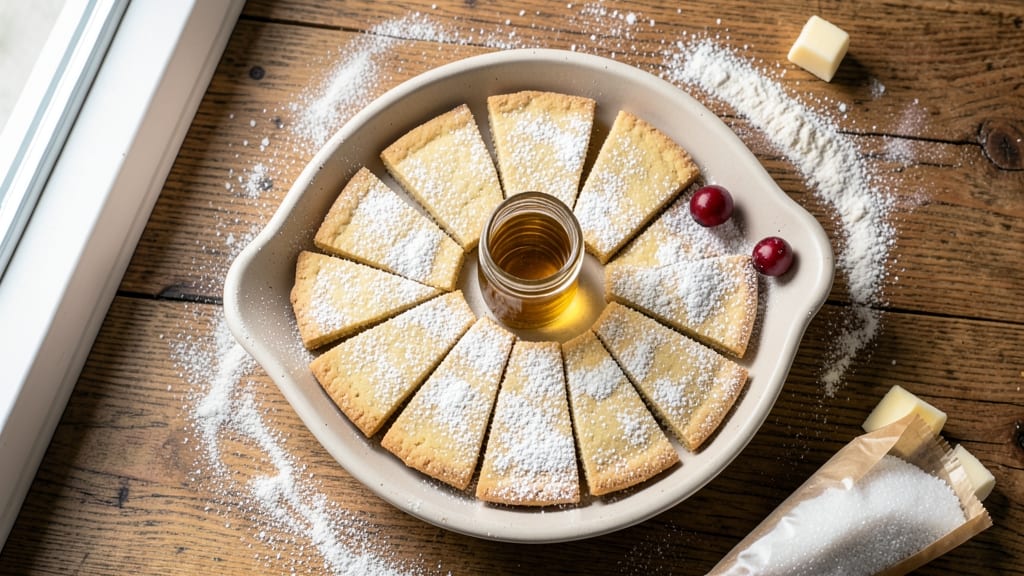
This Amish shortbread cookie recipe delivers the signature buttery crunch and vanilla-kissed simplicity that makes them irresistible. The secret lies in precise ingredient ratios and a gentle baking approach that preserves that signature tender-yet-crisp texture.
I've perfected this recipe through years of testing, ensuring every batch delivers restaurant-quality results at home.
The beauty of Amish shortbread is its simplicity—just five ingredients transform into melt-in-your-mouth cookies with minimal effort. What makes these truly special is the vanilla extract infusion, which creates that signature aroma without overpowering the buttery base. The dough requires no chilling, making it perfect for spontaneous baking sessions.
By the time these cookies emerge from the oven, you'll have golden, fragrant shortbread with delicate edges and a tender interior. The vanilla flavor lingers subtly, enhancing the natural sweetness of the butter and flour.
These cookies stay fresh for days, making them ideal for holiday gifting or satisfying afternoon cravings.
Whether you're baking for a family gathering or treating yourself to a simple pleasure, this recipe delivers consistent, professional-quality results. The method is foolproof, ensuring perfect cookies every time. Let's get started on creating these timeless treats.
Ingredients for amish shortbread cookie
Five essential ingredients transform into melt-in-your-mouth Amish shortbread cookies with signature vanilla-kissed aroma.
| Ingredient | Amount | Notes |
|---|---|---|
| Unsalted Butter 🧈 | 1 cup | Cold, cubed for even baking |
| All-Purpose Flour 🌾 | 2 cups | Sifted for light texture |
| Pure Vanilla Extract 🍯 | 1 tbsp | High-quality, pure extract |
| Granulated Sugar 🍚 | ¼ cup | Fine grain preferred |
| Diamond Crystal Kosher Salt 🧂 | ½ tsp | Fine grain for even distribution |
The butter is the foundation—European-style unsalted butter yields the richest flavor and optimal texture. Plugrá or Kerrygold brands elevate the final product significantly, though any high-fat, unsalted butter works in a pinch. Keep the butter cold when measuring to prevent overmixing the dough. The flour must be all-purpose, sifted for an airy crumb. King Arthur or Bob's Red Mill brands are ideal for consistent results. Vanilla extract should be pure, not imitation—McCormick or Nielsen-Massey are trusted brands for authentic flavor.
No vanilla extract? Vanilla bean paste at half the amount provides a similar depth of flavor. Substituting granulated sugar with powdered sugar requires reducing the quantity by one-fourth due to its higher solubility. For a salt-free variation, omit the kosher salt entirely—though the flavor profile will differ subtly. The butter can be substituted with vegetable shortening for a slightly denser texture, though purists may prefer traditional butter. Ensure all ingredients are measured precisely; even small deviations can affect the delicate balance of flavor and texture.
Store baked cookies in an airtight container at room temperature for up to 1 week to maintain their signature crunch. For longer storage, freeze portions in a sealed container for up to 3 months. Reheat briefly in a 300°F oven for 2-3 minutes to restore crispness. These cookies make excellent gifts—wrap individually in parchment paper for a professional presentation. The dough can be prepped ahead and refrigerated for up to 24 hours before baking.
Why You'll Love This Recipe
- I’ll be real: the ingredients are all pantry basics, and they stretch far. A stick of butter and a bag of flour go a long way, and the salt? You already have it. It’s the kind of recipe that’s kind to your wallet but still feels special.
- Four-Ingredient Magic: I swear, the simplicity is what gets me every time—just butter, sugar, flour, and a pinch of salt. No fancy mixers or last-minute ingredient runs; this is the kind of recipe that lets you focus on rolling and cutting instead of stressing.
- Butter-Sugar Bliss: That perfect balance of rich, cold butter and just enough sugar? It’s like biting into a cloud with a whisper of sweetness. The vanilla ties it all together without overpowering—honestly, it’s the kind of flavor that makes you reach for seconds without thinking.
- Holiday or Snack Attack: Between us, these cookies are my go-to for Christmas gifts, teacher appreciation week, or just because I’m craving something sweet at 3 p.m. They freeze beautifully, so I can bake a batch once and pull them out all season long—no last-minute baking required.
Step-by-step instructions for Amish shortbread cookies
Master the classic technique for melt-in-your-mouth shortbread with this precise method.
Cut and Chill the Butter
Using a sharp chef's knife, cut the 1 cup unsalted butter into ½-inch cubes and place them on a parchment-lined baking sheet. Freeze for 15 minutes until completely firm but not rock-hard. This ensures even distribution in the dough and prevents excessive melting during mixing.
Cold butter creates the signature shortbread texture—flaky layers that dissolve on your tongue. If you skip this step, you'll end up with dense cookies instead of the delicate crumb you're aiming for. Work quickly once the butter is chilled to maintain its temperature.
Combine Dry Ingredients
In a medium bowl, whisk together the 2 cups all-purpose flour, 0.25 cup granulated sugar, and 0.5 teaspoon diamond crystal kosher salt until evenly distributed. Sift the mixture through a fine-mesh sieve into another bowl to aerate the flour and eliminate any lumps. This step is crucial for achieving that signature shortbread texture—light and crumbly rather than dense.
Use the back of a spoon to break up any remaining flour clumps. The dry ingredients should resemble fine sand with no visible sugar crystals. This preparation ensures your cookies bake evenly and develop that perfect crumb structure. Keep the bowl nearby as you'll need it for the next step.
Incorporate Wet Ingredients
Add the chilled butter cubes to the sifted dry ingredients. Using a pastry cutter or your fingers, work the butter into the flour mixture until the texture resembles coarse crumbs with pea-sized butter pieces remaining. This technique, called "cutting in," creates the flaky layers that define shortbread.
Once the mixture resembles wet sand, drizzle in the 1 tablespoon pure vanilla extract and mix just until combined. Avoid overmixing—this develops gluten and makes the cookies tough. The dough should hold together when pressed but still feel slightly gritty. If it's too dry, add 1 teaspoon ice water to help it come together.
Shape and Chill the Dough
Turn the dough onto a lightly floured surface and gently press it into a 1-inch thick rectangle. Wrap tightly in plastic wrap and refrigerate for at least 1 hour or up to 24 hours. This chilling step is essential—it firms up the butter and prevents the cookies from spreading too much in the oven.
For best results, chill the dough overnight. The extended resting time allows the flour to fully hydrate and the butter to crystallize properly, resulting in cookies with superior texture. When ready to bake, remove the dough from the refrigerator 15 minutes before shaping to make it easier to handle.
Bake to Golden Perfection
Preheat your oven to 325°F and line two baking sheets with parchment paper. Unwrap the chilled dough and cut it into 2-inch squares using a sharp knife or cookie cutter. Place the cut cookies 1 inch apart on the prepared baking sheets, as they won't spread much during baking.
Bake for 18-22 minutes until the edges are golden brown and the centers look slightly underbaked. The cookies should be firm to the touch but still slightly soft in the middle. Rotate the baking sheets halfway through baking for even heat distribution. Let the cookies cool on the baking sheets for 5 minutes before transferring to a wire rack to cool completely.
Store for Maximum Freshness
Allow the cookies to cool completely before storing in an airtight container at room temperature for up to 5 days. For longer storage, freeze the baked cookies between layers of parchment paper for up to 3 months. The flavor actually improves as they sit, developing deeper buttery notes with each passing day.
These shortbread cookies should have a delicate crumb that crumbles easily and a rich, buttery flavor enhanced by the vanilla. The edges should be lightly golden while maintaining a soft center. Serve with tea or coffee for the perfect afternoon treat.
Pro Tips For Making Amish Shortbread Cookie
- Chill the Dough: DESCRIPTION: Amish shortbread isn’t just about the butter—it’s about the cold butter. Shape the dough into logs, wrap tightly in plastic, and refrigerate for at least 2 hours (overnight is better). I used to skip this after reading "shortbread doesn’t need to chill," but the cookies spread like pancakes and tasted bland. Cold dough = crisp edges, tender crumb, and no sad flat cookies.
- Measure Salt Precisely: DESCRIPTION: Diamond Crystal kosher salt is not the same as table salt—1 teaspoon of it equals about 1½ teaspoons of table salt. Too little and your cookies taste flat; too much and they’ll taste like a salt lick. Weigh it if you’re unsure, or use a measuring spoon and level it off. I learned this after making a batch that tasted like it was missing something (it wasn’t the vanilla).
- Cut Butter, Not Dough: DESCRIPTION: Cold butter in the dough is non-negotiable, but don’t overwork it once mixed. Use a pastry cutter or your fingers to work the butter into the flour until it resembles coarse crumbs—no smaller. Overmixing turns shortbread into a sad, dense brick. My grandmother’s trick: stop when you can still see flecks of butter in the dough.
- Bake Low and Slow: DESCRIPTION: Preheat the oven to 325°F (not 350°F or higher) and bake the cookies for 12–15 minutes until just golden at the edges. Shortbread burns faster than it looks. I used to pull them out too soon, thinking they’d keep baking on the tray—wrong. They need that slow, steady heat to develop flavor without turning into hockey pucks. A toothpick should come out clean, but not crispy.
Wine and beer pairings for amish shortbread cookie
Buttery Pairings
A classic Amish shortbread cookie pairs beautifully with chilled butter—simply serve a small pat on the side for spreading. The butter's richness complements the cookie's delicate crunch without overpowering its vanilla notes.
I like using European-style cultured butter like Plugrá for its nutty depth that enhances the shortbread's buttery profile. 🧈
Creamy Coffee
These cookies were practically designed for coffee pairings. A medium-roast Arabica with hazelnut or caramel notes creates perfect harmony—the coffee's acidity balances the cookie's sweetness. I reach for Starbucks Sumatran or Blue Bottle's California roast for their smooth, medium-bodied profiles that won't compete with the shortbread's subtle vanilla.
For an extra treat, add a splash of heavy cream to your coffee.
Herbal Tea
Herbal teas provide a refreshing contrast to the rich shortbread. Chamomile tea with its floral notes enhances the vanilla, while peppermint tea adds a cooling minty freshness that cuts through the butter.
I prefer Yogi Tea's Chamomile or Harney & Sons' Peppermint for their high-quality, aromatic profiles. Serve the cookies warm to release their maximum aroma alongside the tea.
Wine Pairings
While not traditional, a dry sparkling wine like Prosecco or Cava works surprisingly well with shortbread. The effervescence cleanses your palate between bites, while the wine's acidity balances the butter's richness.
For a non-alcoholic option, sparkling apple cider from Martinelli's provides similar refreshing contrast. Avoid sweet wines—they'll clash with the cookie's delicate sweetness.
Cheese Boards
Shortbread makes an excellent addition to cheese boards. Pair with aged cheddar like Sharp Cheddar or Gouda for a salty contrast. I like adding blue cheese like Gorgonzola for its bold flavor that stands up to the sweet cookies.
Include honeycomb and dark chocolate (70% cocoa) to create a balanced flavor palette that lets the shortbread shine.
Seasonal Variations
In summer, try pairing with iced vanilla chai latte—the spices complement the cookie's vanilla. For winter, a spiced rum like Kahlúa mixed with dark cream creates a decadent dessert pairing.
The rum's warmth enhances the cookie's buttery richness while adding a festive touch. Always serve cookies at room temperature for optimal flavor release. ✨
Nutrition facts
Frequently asked questions
Why does this recipe use cold butter instead of softened?
Cold butter is essential for achieving the signature shortbread texture—flaky layers that create that melt-in-your-mouth crunch. When butter melts too quickly, it creates dense cookies instead of the delicate crumb you want. The 15-minute freeze ensures even distribution without overmixing the dough.
Can I make this recipe without vanilla extract?
Yes! Substitute with ½ tablespoon vanilla bean paste for similar depth of flavor, or add 1 teaspoon almond extract for a nutty twist. Just remember that vanilla is what gives these cookies their signature aroma—without it, the flavor will be more buttery and less complex.
Why do my cookies spread too much in the oven?
Overmixing the dough or skipping the chilling step causes excessive spreading. Always work quickly with cold butter and chill the dough for at least 1 hour before baking. Also, ensure your oven is fully preheated to 325°F—hot spots can make cookies spread unevenly.
How do I store these cookies to keep them fresh?
Store in an airtight container at room temperature for up to 5 days, or freeze between parchment paper for 3 months. For extra crispness, reheat frozen cookies at 300°F for 2-3 minutes. The flavor actually improves over time as the butter develops deeper notes!
Can I use a different type of flour?
Stick with all-purpose flour for the best texture—it provides the right balance of protein and structure. Cake flour would make the cookies too tender, while bread flour would create a denser result. If you're gluten-free, use a 1:1 gluten-free flour blend with xanthan gum for similar crumb structure.