
Desserts
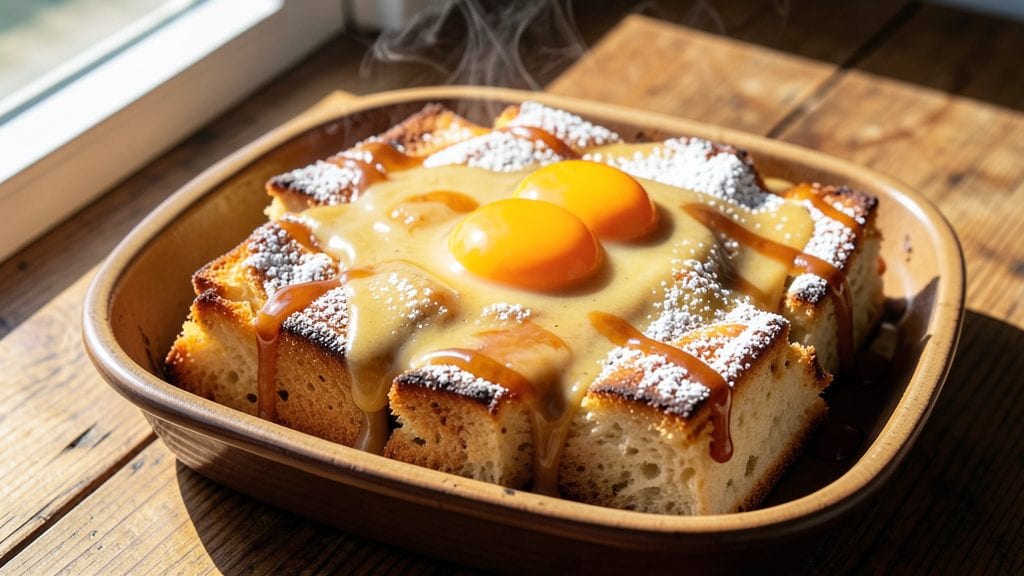
This authentic Puerto Rican bread pudding recipe transforms simple ingredients into a dessert that tastes like home—warm, spiced with cinnamon, and infused with rum for depth. The secret lies in using traditional pan de agua or pan sobao, which soak up the creamy milk-egg mixture without turning mushy.
I’ve perfected this version over years of family gatherings, where it’s always the first dish to disappear. The texture is what sets it apart: tender, slightly crisp edges, and a custardy center that melts with every bite.
The process is straightforward but requires patience—layering cubes of bread with a rich mixture of evaporated milk, eggs, sugar, and vanilla, then baking until golden. What makes it truly authentic is the cinnamon-spiced rum infusion, which adds warmth and complexity without overpowering.
This isn’t your average bread pudding; it’s a taste of Puerto Rico’s comforting desserts, often served with café con leche or arroz con dulce for the full experience.
By the time it emerges from the oven, you’ll have a dessert that’s fragrant, caramelized at the edges, and infused with the cozy spices of the island. The rum adds a subtle depth that pairs beautifully with the cinnamon, creating layers of flavor that linger.
It’s the kind of dessert that feels like a hug—perfect for family dinners, holiday gatherings, or whenever you crave a taste of home.
Ready to make it? This recipe delivers restaurant-quality results with simple ingredients and a foolproof method. Let’s get started—your kitchen will smell like Puerto Rico in no time.
Ingredients for authentic puerto rican bread pudding
Authentic Puerto Rican bread pudding relies on traditional bread and warm spices for that homey, rum-infused flavor.
| Ingredient | Amount | Notes |
|---|---|---|
| Traditional Pan de Agua or Pan Sobao 🍞 | 12 oz | Day-old, crust removed, cubed |
| Large Eggs 🥚 | 6 whole | Room temperature, preferably organic |
| Evaporated Milk 🥛 | 2 ½ cups | Full-fat for creaminess |
| Granulated Sugar 🍚 | 1 ½ cups | Light brown preferred |
| Unsalted Butter 🧈 | ½ cup | Cold, cubed for baking |
| Pure Vanilla Extract 🍯 | 2 tbsp | Bourbon or Madagascar preferred |
| Ground Cinnamon 🌿 | 2 tsp | Ceylon preferred for authentic flavor |
| Light Rum 🍹 | ½ cup | Bacardi Superior or Don Q |
| Diamond Crystal Kosher Salt 🧂 | ½ tsp | Fine grain preferred |
| Ground Nutmeg 🌿 | ¼ tsp | Freshly grated preferred |
| All-Purpose Flour 🌾 | ¼ cup | For thickening if needed |
| Toasted Coconut Flakes 🥥 | ¼ cup | Optional, for garnish |
| Fresh Limes 🍋 | 2 whole | Zest only, for brightness |
The bread is non-negotiable—pan de agua or pan sobao from a Puerto Rican bakery delivers that perfect texture. Look for La Casita Bakery or Panadería La Esquina in local Latin markets if you're on the mainland, or grab day-old loaves from your neighborhood panadería. Avoid stale bread; it absorbs liquid unevenly. The rum should be light and aged at least 3 years—Bacardi Superior or Don Q Cristal are reliable choices. For the cinnamon, Ceylon ground cinnamon adds a subtler warmth than cassia, but either works. If you can't find Ceylon, Penzeys Spices carries it online.
No pan sobao? Brioche or challah work as substitutes—they're buttery and hold up well to soaking. Short on rum? Dark rum extract at half the amount or even 1 tsp vanilla bean paste for depth. The evaporated milk can be swapped for full-fat coconut milk for a dairy-free version, though the texture will be slightly denser. For the sugar, turbinado sugar adds a caramelized note when caramelizing the top. If using flour to thicken, cornstarch at half the amount works better for a lighter texture. The lime zest is key for brightness—Mexican limes have more punch than Persian varieties.
This dessert reheats beautifully—best served warm with a sprinkle of toasted coconut. Store leftovers in an airtight container for up to 5 days in the fridge, though it’s best enjoyed within 3 days for optimal texture. For make-ahead convenience, assemble the pudding the night before and refrigerate until ready to bake. The flavors deepen overnight, making it ideal for holiday prep. Freezes well for up to 3 months—thaw in the fridge and reheat gently to restore moisture.
Why You'll Love This Recipe
- No Stale Leftovers: I swear by this trick—pan de agua soaks up the custard like a dream, so every bite stays moist. Even on day three, it’s still that perfect balance of buttery, caramelized edges and creamy center.
- Sweet & Simple: Honestly, the magic is in the ingredients: just eggs, evaporated milk, and sugar—no fancy syrups or extracts. The pan sobao’s natural sweetness and that rich evaporated milk? It’s like dessert without trying too hard.
- Breakfast or Dessert: Here’s what sold me—this works for both. Serve it warm with coffee for a hearty breakfast or drizzle with condensed milk for a late-night treat. My kids ask for it at 7 AM and 10 PM.
- Pantry-Friendly Magic: Between us, this is my go-to for using up day-old pan de agua. Cheap, filling, and no one ever guesses it’s just bread and eggs. Plus, the butter and sugar make it feel fancy without breaking the bank.
Step-by-step instructions for authentic Puerto Rican bread pudding
Transform day-old pan de agua into a decadent rum-infused dessert with rich cinnamon notes and tropical brightness.
Prepare the Pan de Agua Base
Cut the 12 oz traditional pan de agua or pan sobao into 1-inch cubes, removing any crust. Arrange them in a single layer on a baking sheet and toast in a 350°F oven for 10-12 minutes until lightly golden and crisp at the edges. This step enhances texture and deepens flavor—don't skip it. While still warm, transfer the cubes to a large mixing bowl and set aside.
In a separate saucepan, combine the 2.5 cups evaporated milk, 1.5 cups granulated sugar, 0.5 cup unsalted butter, 2 tbsp pure vanilla extract, 2 tsp ground cinnamon, 0.5 cup light rum, 0.5 tsp diamond crystal kosher salt, and 0.25 tsp ground nutmeg. Heat over medium-low heat, stirring constantly until the mixture reaches 180°F and becomes smooth and fragrant. Remove from heat and let cool slightly—this warm milk mixture will infuse the bread cubes with its spiced richness.
Create the Custard Mixture
In a separate bowl, whisk together the 6 whole large eggs until the yolks and whites are fully combined. Gradually pour in the warm spiced milk mixture while whisking continuously to temper the eggs and prevent curdling. This slow incorporation ensures a silky texture. Stir in the 0.25 cup all-purpose flour until fully dissolved, creating a thick, velvety batter.
Gently fold the toasted pan de agua cubes into the custard mixture using a rubber spatula, ensuring each piece is evenly coated. The bread should absorb the liquid but remain distinct—this creates the signature tender yet substantial texture. For added brightness, grate the zest from 2 whole fresh limes and fold it into the mixture. This citrus note balances the rum and cinnamon, making the dessert truly authentic.
Assemble and Bake the Bread Pudding
Transfer the bread pudding mixture to a greased 9x13-inch baking dish, spreading it evenly. The dish should be filled to about ¾ capacity—this ensures even baking without overflow. Sprinkle the top with 0.25 cup toasted coconut flakes for a tropical touch, pressing them lightly into the surface so they adhere. Bake in a 350°F oven for 45-50 minutes, until the center is set and the top is golden brown.
To check for doneness, insert a knife into the center—it should come out clean with slight resistance. The edges should pull away from the dish easily, indicating the custard has thickened properly. If the top browns too quickly, tent the dish with foil during the last 10 minutes of baking to prevent over-browning while the center finishes cooking.
Rest and Serve for Maximum Flavor
Remove the bread pudding from the oven and let it rest for 15-20 minutes before serving. This resting period allows the custard to fully set and the flavors to meld, resulting in a dessert that's rich, spiced, and perfectly balanced. Serve warm, accompanied by a dollop of whipped cream or a scoop of vanilla ice cream to enhance its tropical rum-cinnamon profile.
For an extra touch of authenticity, drizzle the warm pudding with a lime syrup made by simmering 2 tablespoons lime juice with 1 tablespoon sugar until dissolved. This bright contrast elevates the dessert, making each bite a harmonious blend of spice, citrus, and rum-infused richness. Store leftovers in the refrigerator for up to 3 days, though it's unlikely to last that long!
Pro Tips For Making Authentic Puerto Rican Bread Pudding
- Soak the Bread Right: Tear the Pan de Agua or Pan Sobao into 1-inch chunks—don’t slice it, or it’ll turn to mush. Dump them straight into the warm evaporated milk mix (no pre-wetting) and let them sit for 10 minutes. I learned this the hard way—over-soaking makes the bread gummy, and under-soaking leaves it dry. Just let it drink up the milk like a sponge.
- Whisk Eggs Like a Pro: Crack the eggs into a separate bowl first—always—to avoid shell fragments ruining your custard. Then whisk them with the sugar until the mixture lightens just a little, but don’t overdo it. My grandmother swore by this: "A few streaks of egg are fine, but grit? That’s a crime." Use room-temperature eggs for even better blending.
- Butter That Pan: Slather the baking dish with unsalted butter and sprinkle a thin layer of sugar on the bottom before adding the bread mixture. This isn’t just for flavor—it creates a caramelized crust that’s non-negotiable in authentic Puerto Rican bread pudding. Skip it, and you’ll miss the magic.
- Bake Low and Slow: Start at 350°F (175°C), not the 375°F (190°C) you might see elsewhere. The bread needs time to absorb the custard without burning on top. After 25 minutes, tent it with foil if the edges brown too fast. I was skeptical until I tried it—the custard sets perfectly without drying out.
Troubleshooting this recipe
Soggy Bread Fix
If your bread pudding turns out too wet, it’s likely because the bread absorbed too much liquid or the eggs weren’t fully incorporated. Start by using slightly stale bread—it soaks up liquid better than fresh.
Next, whisk the eggs vigorously before adding the warm milk mixture to create a thicker custard. For extra insurance, fold in 2 tbsp cornstarch when mixing the custard. This trick absorbs excess moisture during baking, ensuring a firmer texture without sacrificing creaminess. 💡
Underbaked Center
An underbaked center usually means the pudding wasn’t cooked long enough or the oven temperature fluctuated. Always bake at 350°F and use an oven thermometer to confirm accuracy. Insert a knife into the center—it should come out clean with slight resistance.
If it’s still runny, return the pudding to the oven for 5-10 more minutes, tented with foil to prevent over-browning. For even cooking, place a baking sheet on the lower rack to reflect heat upward. 🌡️
Overly Browned Top
If the top browns too quickly while the center stays underdone, your oven runs hot or the pudding needs a barrier. Tent the dish with foil during the last 10-15 minutes of baking to slow browning.
Alternatively, reduce the oven temperature to 325°F for the final 15 minutes to finish cooking gently. For extra insurance, brush the top with a thin layer of evaporated milk before baking—it creates a protective barrier while adding richness. 🍞
Rum Flavor Too Strong
If the rum flavor overpowers the dish, you likely used too much or added it too late. Start with 0.25 cup rum and taste the custard mixture before baking. For a milder flavor, simmer the rum with the milk and spices for 3-5 minutes to let the alcohol evaporate slightly.
If the pudding still tastes too boozy, balance it with an extra 1 tsp vanilla extract or ½ tsp almond extract, which adds depth without alcohol intensity. 🍹
Cracked or Sunken Top
A cracked or sunken top often happens when the pudding isn’t evenly distributed or the oven isn’t hot enough. Spread the mixture evenly in the baking dish and avoid overfilling—fill it only ¾ full to allow room for expansion.
For extra stability, sprinkle a thin layer of breadcrumbs on top before baking. This creates a sturdy crust that holds its shape while the custard sets. 🏋️
Weak Cinnamon Flavor
If the cinnamon flavor feels muted, it might not have been incorporated well or the heat didn’t activate its aroma. Toast the cinnamon lightly in a dry pan for 1-2 minutes before adding it to the milk mixture—this deepens its warmth.
For an extra boost, add a pinch of cinnamon stick to the custard while baking, then remove before serving. You can also brush the top with a cinnamon-sugar mix after baking for a fragrant finish. 🌿
Nutrition facts
Frequently asked questions
What type of bread works best for authentic Puerto Rican bread pudding?
Pan de agua or pan sobao are ideal—they're slightly sweet, tender, and absorb moisture perfectly without turning mushy. If unavailable, use brioche or challah as substitutes. Avoid soft sandwich bread as it can make the pudding too wet.
Can I make this bread pudding without rum?
Yes! Replace the 0.5 cup rum with 0.5 cup dark rum extract (use half the amount) or 1 tbsp vanilla bean paste for depth. For a non-alcoholic version, add 1 tsp almond extract or extra vanilla extract. The key is balancing the spices—add an extra 0.5 tsp cinnamon if skipping rum.
How do I prevent my bread pudding from being too soggy?
Use day-old bread (not fresh) and toast it lightly before mixing. Whisk the eggs vigorously before adding warm milk to create a thicker custard. For extra structure, fold in 2 tbsp cornstarch when combining ingredients. Avoid overfilling the baking dish—keep it ¾ full to allow even baking.
What's the best way to serve this dessert?
Serve warm with a sprinkle of toasted coconut flakes and a drizzle of lime syrup (simmer 2 tbsp lime juice + 1 tbsp sugar). Pair it with café con leche or a scoop of vanilla ice cream for the full Puerto Rican experience. It's also delicious with whipped cream or a dusting of cinnamon-sugar.
Can I make this ahead of time?
Assemble the pudding the night before, cover it, and refrigerate. Bake straight from the fridge (add 5-10 extra minutes to the baking time). For make-ahead freezing, bake the pudding, cool completely, then wrap tightly in plastic. Reheat in a 325°F oven for 15-20 minutes until warmed through.