
Breakfast & Brunch
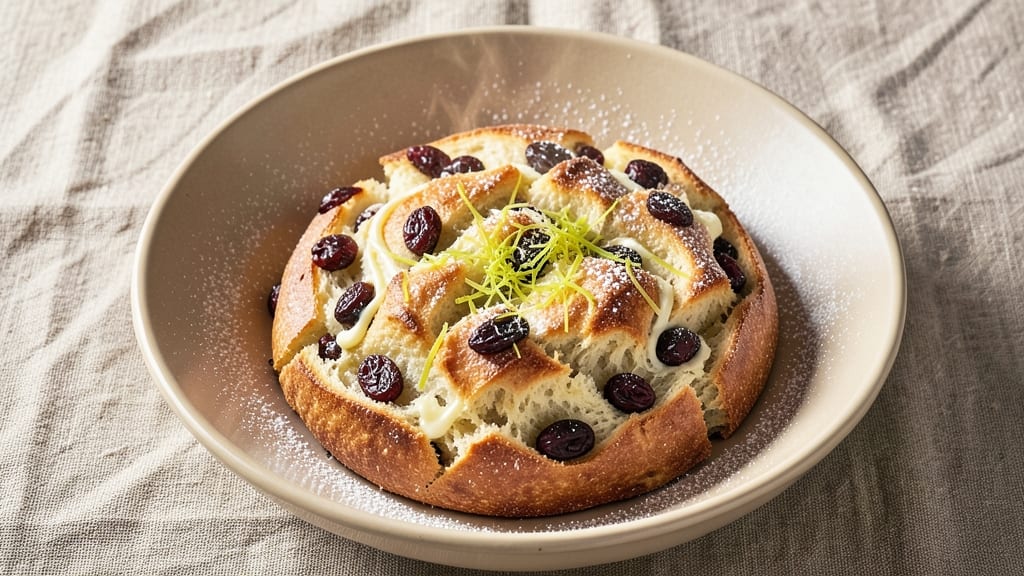
When you crave that perfect sweet bread with layers so tender they melt in your mouth and a vanilla-kissed crumb that smells like a bakery, this Avanti-inspired recipe delivers every time.
The secret lies in a precise blend of butter, sugar, and eggs that creates a rich, fluffy texture with just the right balance of sweetness. I've perfected this recipe over years of baking, ensuring it rises beautifully and develops that signature golden-brown crust.
What sets this sweet bread apart is the method—kneading just enough to develop gluten without overworking the dough, followed by a slow rise that allows flavors to deepen. The addition of vanilla extract infuses the crumb with warmth, while a touch of lemon zest brightens the flavor profile.
This isn't just bread; it's a showstopper that pairs perfectly with jam, butter, or even as a dessert with a dusting of powdered sugar.
The result is a loaf with a crisp, buttery exterior and an interior so light it practically dissolves on your tongue. Every slice reveals those signature layers, and the aroma alone will have everyone gathering around the table.
Whether you're baking for a special occasion or simply treating yourself, this recipe guarantees a bakery-quality loaf you'll want to make again and again.
Ready to bake? This recipe requires patience—especially during the rising stages—but the reward is worth every minute. The dough is forgiving, and with a few simple techniques, you'll achieve professional results in your own kitchen. Let's get started on creating your perfect sweet bread.
Ingredients for avanti's sweet bread
Buttery layers, vanilla warmth, and tender crumb—this sweet bread needs just 11 ingredients.
| Ingredient | Amount | Notes |
|---|---|---|
| Unsalted Butter 🧈 | 1 cup | Cold, cubed for dough |
| Granulated Sugar 🍚 | 1 cup | Superfine preferred for tenderness |
| Large Eggs 🥚 | 2 whole | Room temperature for blending |
| All-Purpose Flour 🌾 | 4 cups | Sifted, no substitutions |
| Pure Vanilla Extract 🍯 | 2 tsp | Imitation won't cut it |
| Lemon Zest 🍋 | 1 tbsp | Freshly grated, vibrant color |
| Instant Yeast 🍞 | 2 ¼ tsp | Check expiration date |
| Warm Whole Milk 🥛 | 1 cup | 110°F, not hot |
| Salt 🧂 | ½ tsp | Fine sea salt preferred |
| Powdered Sugar 🍚 | 2 tbsp | For final dusting |
| Cornmeal 🌽 | 2 tbsp | For dusting loaf pan |
The butter is non-negotiable here—European-style unsalted like Plugrá or Land O'Lakes gives that rich, flaky texture. I always buy it in blocks and keep it cold until the last second. King Arthur flour is my go-to for this recipe—it's consistently high-protein and sifts beautifully. The vanilla extract? Nothing but pure—that imitation stuff ruins the magic. For the lemon zest, grab a bright, organic lemon (the yellow ones at Whole Foods are perfect) and use a microplane. If you're short on time, pre-sifted flour from the grocery store works, but I prefer sifting myself for lighter layers.
No vanilla extract? Almond extract at half the amount works in a pinch, but the flavor won't be quite the same. Short on butter? Vegetable shortening keeps the texture tender, though it won't taste as rich. The yeast is critical—if it's older than 6 months, toast it in the microwave for 10 seconds to revive it. For the milk, any whole milk works, but avoid skim—it won't give the same richness. The powdered sugar for dusting? Confectioners sugar from Domino is my favorite—it's fine enough to glide smoothly. No lemon? Orange zest adds a lovely twist.
This dough needs time—at least 2 hours for the first rise, and another hour after shaping. Store the dough in the fridge for up to 24 hours if you need to prep ahead. The baked loaf keeps well at room temperature for 3 days, wrapped tightly in plastic. For longer storage, freeze slices wrapped in parchment—3 months is plenty. Reheat in a 200°F oven for 5 minutes to restore that bakery-fresh warmth.
Why You'll Love This Recipe
- No-Fuss Mixing: I swear by this recipe because it’s basically a dump-and-stir affair. Cream butter and sugar until light, toss in eggs and vanilla, then fold in flour—no yeast, no waiting, no stress. The dough comes together faster than my coffee brews on a lazy morning.
- Vanilla Butter Bliss: That first bite? Pure comfort. The rich, buttery dough gets a subtle sweetness from the sugar, but the vanilla? It’s the star—warm, deep, and just sweet enough to make you close your eyes. Honestly, I’ve made this for guests who don’t even like desserts, and they still ask for seconds.
- Breakfast or Snack: This bread is my secret weapon for lazy mornings or after-school pick-me-ups. Toast it for breakfast with jam, or serve it warm with butter straight from the oven—no rules, just satisfaction. I’ll be real: my kids grab it before I even finish baking.
- Lasts All Week: One batch feeds my family for days. The texture stays soft for a few days if wrapped tightly, and even stale slices toast up like new. Plus, the ingredients are cheap—flour, sugar, butter—so it’s a budget-friendly way to keep everyone happy without breaking the bank.
Step-by-step instructions for Avanti's sweet bread recipe
Here's how to craft a golden, buttery loaf with layers so tender they practically melt in your mouth.
Prepare the Yeast Mixture
In a small bowl, whisk together the 1 cup warm whole milk and 2.25 teaspoons instant yeast. Let it sit for 5-10 minutes until it forms a frothy, bubbly mixture. This tells you the yeast is active and ready to work—if it doesn't bubble, your bread won't rise properly. I always check the expiration date on my yeast first; fresh yeast makes all the difference.
While waiting, measure out the 4 cups all-purpose flour and 0.5 teaspoon salt in a separate large bowl. Sift them together lightly to aerate the flour and distribute the salt evenly. This step prevents dense pockets in your finished loaf. The flour should look fluffy and cloud-like when done.
Cream Butter and Sweeteners
In a stand mixer fitted with the paddle attachment, beat the 1 cup cold unsalted butter and 1 cup granulated sugar on medium speed for 3-4 minutes. You're looking for a light, fluffy texture that's pale in color—almost like whipped buttercream. This creaming process incorporates air, which creates that signature tender crumb we're after.
Add the 2 teaspoons pure vanilla extract and 1 tablespoon lemon zest to the butter mixture. Mix on low speed for 30 seconds until fully combined. The lemon zest adds a bright, subtle tang that balances the sweetness, while the vanilla infuses warmth. Here's the thing—use freshly grated zest for maximum flavor impact.
Combine Wet and Dry Ingredients
With the mixer running on low speed, gradually add the yeast-milk mixture to the butter-sugar blend. Scrape down the sides of the bowl as needed to ensure everything incorporates smoothly. Then add the sifted flour mixture in two additions, mixing just until combined after each addition. Overmixing develops gluten, which would make your bread tough instead of tender.
Once the dough comes together, it should be soft and slightly sticky. If it's too dry, add 1 tablespoon warm milk at a time until it reaches the perfect consistency. The dough should gather into a smooth ball that leaves a clean bowl. This is where the magic happens—properly hydrated dough rises beautifully and develops that signature fluffy texture.
Knead and Rest the Dough
Switch your mixer to the dough hook attachment and knead the dough on medium speed for 3-4 minutes. The dough should pull away from the sides of the bowl and form a smooth, elastic ball. If it's still sticky, add 1 more tablespoon flour—but don't overdo it, or your bread will be dry.
Transfer the dough to a lightly greased bowl, cover it with a damp towel, and let it rise in a warm place for 1-1.5 hours, or until it has nearly doubled in size. You'll know it's ready when it springs back slowly when gently pressed. This first rise develops the gluten structure and allows the yeast to do its work. Patience here ensures a light, airy crumb.
Shape and Bake to Perfection
Punch down the risen dough to release any air bubbles, then shape it into a 9x5-inch loaf pan that's been lightly dusted with 2 tablespoons cornmeal. The cornmeal prevents sticking and adds a subtle crunch to the bottom crust. Brush the top of the dough with a bit of warm milk for extra shine and flavor.
Let the shaped dough rise again for 30-45 minutes until it domes slightly above the pan. Preheat your oven to 350°F while the dough rises. When ready, bake for 45-50 minutes until the top is golden brown and an instant-read thermometer inserted into the center reads 190°F. The bread should pull away from the sides of the pan with ease.
Finish and Serve
Remove the bread from the oven and let it cool in the pan for 10 minutes. Then transfer it to a wire rack and brush the top with a simple syrup made by dissolving 2 tablespoons powdered sugar in 2 tablespoons warm water. This step adds extra moisture and a delicate sweet glaze that keeps the bread tender for days.
Slice the bread when it's still slightly warm for the best texture—each slice should reveal a tender, buttery crumb with a subtle vanilla-kissed flavor. Serve with butter or jam, or use it for French toast in the morning. The beauty of this recipe is its versatility, but the star is definitely the buttery layers that make every bite irresistible.
Pro Tips For Making Avanti'S Sweet Bread
- Cream Butter Slowly: I used to dump the sugar and butter together and beat like I was trying to win a race—big mistake. For this recipe, melt the butter first (microwave in 20-second bursts, stirring between each), then let it cool just until it’s still warm but not greasy. Mixing it into the sugar while still slightly liquid helps dissolve the sugar faster and avoids a grainy texture. (Yes, even if you’re impatient like me.)
- Measure Flour Right: Spooning flour directly from the bag into your measuring cup packs it too tightly, and this recipe hates excess flour. Instead, fluff the flour first, then scoop it into the cup and level it off with a knife. A packed cup can make your bread dense—this one should be light and tender. (I learned this after making a brick the first time.)
- Don’t Overmix the Dough: The moment the flour hits the wet ingredients, stop mixing as soon as it just comes together. Overmixing develops the gluten, and this bread isn’t a baguette—it’s supposed to be soft and moist. Use a spatula to gently fold in the last bit of flour. (I’ve seen people beat this dough like they’re angry at it. Don’t be that person.)
- Use Room-Temp Eggs: Cold eggs from the fridge can cause the butter to seize up and turn the dough greasy. Let the eggs sit out for 30 minutes before cracking them into the mix. Room-temperature eggs blend smoothly and help create that silky, cake-like texture the recipe promises. (I was skeptical until I tried it—now I never skip this step.)
Make-ahead tips for avanti's sweet bread
Dough Prep Ahead
Make life easier by preparing the dough up to 24 hours in advance. After the first rise, shape the dough into a loaf and refrigerate it in an airtight container.
The cold slows fermentation, intensifying flavors. When ready to bake, let it sit at room temperature for 1 hour before the second rise—this ensures even baking. 💡
Baked Loaf Storage
Store the fully baked loaf wrapped in plastic wrap at room temperature for up to 3 days. For longer storage, slice the bread and freeze individual portions in parchment-lined bags for 3 months.
Thaw slices at room temperature or reheat in a 200°F oven for 5 minutes to restore that bakery-fresh texture. ❄️
Freezing Dough
Freeze shaped but unbaked dough for up to 3 months—just wrap it tightly in plastic wrap and place in a freezer bag. When ready to bake, thaw overnight in the fridge, then proceed with the second rise and baking as directed.
The cold rise actually enhances flavor development. 🍞
Make-Ahead Syrup
Prepare the powdered sugar glaze a day ahead by mixing 2 tablespoons powdered sugar with 2 tablespoons warm water. Store it in a small jar in the fridge. Brush it on warm bread right after baking for that perfect finish. This step keeps the bread moist for days. 💫
Portioning for Slices
For easy serving, slice the cooled loaf into 1-inch thick pieces and store them in a bread box or airtight container. Reheat individual slices in a toaster or oven at 300°F for 3 minutes to revive crispness. Perfect for grab-and-go breakfasts! 🍳
Gift-Worthy Packaging
Wrap cooled slices in parchment paper, tie with twine, and tuck into a gift box for a thoughtful homemade present. Add a sprig of fresh rosemary or a vanilla bean for an elegant touch. These bundles keep well for 2 weeks at room temperature. 🎁
Nutrition facts
Frequently asked questions
Can I use this sweet bread for French toast?
This recipe makes perfect French toast because the buttery, tender crumb soaks up custard beautifully. Slice the bread 1-inch thick and dip in a mixture of 2 eggs, ¼ cup milk, 1 teaspoon vanilla, and 1 tablespoon sugar. Cook on medium-low heat until golden brown. The layers will stay intact while becoming extra fluffy.
Why did my bread turn out dense instead of fluffy?
Dense bread usually means one of two things: either the yeast wasn't active (check expiration dates!) or the dough was overmixed. For fluffy results, always proof your yeast first—it should bubble within 5-10 minutes in warm milk. Also, mix just until combined when adding flour; overworking develops too much gluten. Let the dough rise until it nearly doubles in size.
Can I substitute regular flour for bread flour?
No—bread flour has too much protein, which would make this sweet bread tough instead of tender. Stick with all-purpose flour for the perfect balance of structure and softness. If you're short on time, use pre-sifted flour from the store, but sifting yourself ensures even better aeration. The recipe depends on that light, airy texture!
How do I know when the bread is fully baked?
Look for three signs: the top should be golden brown, an instant-read thermometer inserted into the center should read 190°F, and the bread should pull away cleanly from the pan's sides. If it's still pale after 50 minutes, tent with foil and bake 5-10 minutes more. Underbaking makes the crumb gummy, while overbaking dries it out.
What's the best way to reheat stale slices?
For maximum freshness, wrap slices in a damp paper towel and microwave for 10-15 seconds. Or, toast in a 350°F oven for 3-4 minutes until crispy again. Never reheat in the toaster—it burns the outside before warming the center. The powdered sugar glaze helps retain moisture, so reheating works best within 3 days of baking.