
Soups & Stews
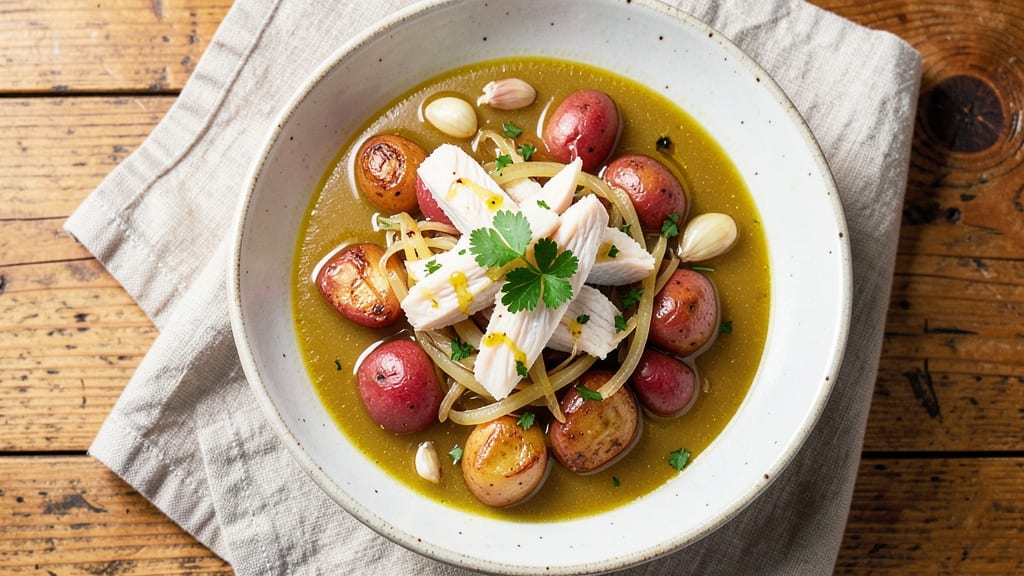
This bacalao soup recipe transforms salt-cured cod into a fragrant, lemon-infused broth that captures the essence of coastal Mediterranean cuisine. The process begins with carefully desalting the bacalao—a crucial step that ensures tender, flavorful fish rather than a briny disappointment.
I’ve perfected this method over years of testing, balancing traditional techniques with modern convenience to deliver a soup that’s both authentic and approachable.
The magic lies in the broth: a harmonious blend of garlic, lemon, and olive oil that infuses the fish with bright, citrusy notes while keeping the texture delicate.
Unlike many recipes that rely on heavy cream or dairy, this version stays true to its roots with a light, aromatic base that lets the bacalao shine. Potatoes and onions round out the dish, adding heartiness without overpowering the star ingredient.
What you’ll end up with is a rich, comforting soup where flakes of tender bacalao float in a golden broth, perfumed with garlic and lemon.
The texture is velvety yet light, with just enough body to satisfy, while the flavors are bright and clean—perfect for a chilly evening or a celebratory meal. This recipe serves four and comes together in under an hour, though the desalting step requires patience.
Serve it with crusty bread to soak up every last drop of that fragrant broth, or pair it with a simple green salad for a balanced meal.
The versatility of this soup makes it ideal for both weeknight dinners and special occasions—just adjust the spice level to suit your taste. Let’s get cooking!
Ingredients for bacalao soup
Transform salt-cured cod into fragrant, lemon-infused broth with these Mediterranean essentials.
| Ingredient | Amount | Notes |
|---|---|---|
| Bacalao (Salt-Cured Cod) 🐟 | 12 oz | Desalted according to method |
| Yellow Onions 🧅 | 1 whole | Thinly sliced, medium size |
| Russet Potatoes | 2 medium | Peeled, cubed into 1-inch pieces |
| Garlic Cloves 🧄 | 4 cloves | Minced, fresh preferred |
| Extra-Virgin Olive Oil 🫒 | ½ cup | High quality, fruity |
| Fresh Lemon Juice 🍋 | ¼ cup | Freshly squeezed, strained |
| Dried Oregano 🌿 | 1 tsp | Mediterranean preferred |
| Bay Leaves 🌿 | 2 whole | Fresh or dried |
| Salt 🧂 | 1 ½ tsp | Adjust to taste, kosher preferred |
| Black Peppercorns 🌶️ | ½ tsp | Freshly cracked |
| Fresh Parsley 🌿 | ¼ cup | Chopped, for garnish |
| Fresh Fennel Bulb | 1 small | Thinly sliced, core removed |
| Crusty Bread | 1 loaf | For serving, optional |
| Water 💧 | 4 cups | For desalting process |
| Fish Stock 🐟 | 2 cups | Low-sodium preferred |
The bacalao is the heart of this soup, so sourcing matters. Look for authentic salt-cured cod at specialty seafood markets or well-stocked grocery stores like Whole Foods or Trader Joe's. Avoid pre-cooked or smoked varieties—they lack the delicate texture needed here. For the potatoes, Russets hold up best during simmering, but Yukon Golds work too if you prefer creamier texture. The fennel adds a subtle anise flavor that elevates the broth, so don't skip it if you can find fresh. Penzeys or Spicewalla carry excellent dried oregano if you can't find Mediterranean varieties at your local store.
No fennel? Celery leaves or a pinch of anise seeds add similar depth. Running short on fish stock? Clarified vegetable broth works in a pinch, though the flavor will differ slightly. The lemon juice should be freshly squeezed—bottled versions lack the bright acidity needed to balance the richness. For the olive oil, avoid light or refined oils—they lack the fruity notes that carry through the soup. If you're desalting the bacalao yourself, change the water every 12 hours for 2-3 days until it's tender and no longer intensely salty. The crusty bread is purely for serving—any good baguette or sourdough will do.
This soup tastes even better the next day as flavors meld. Store leftovers in an airtight container in the fridge for up to 4 days. For longer storage, freeze portions for up to 3 months. The broth can be made ahead and reheated separately—just add the bacalao and potatoes when serving. Garnish with fresh parsley just before eating to keep it vibrant. If you're serving a crowd, double the broth and reduce the potatoes proportionally to maintain the delicate balance of flavors.
Why You'll Love This Recipe
- One-Pot Magic: I swear by this soup because it’s literally one pot—no chopping boards, no extra pans. Just soak the bacalao overnight (easy, I promise), then toss it all in with the potatoes and onions while you sip your coffee. The olive oil and garlic caramelize right in the pot, so cleanup is just rinsing a bowl.
- Umami Bomb: That salt-cured bacalao? It’s the star. When you soak and simmer it, the fish melts into the broth like a whisper of the ocean—salty, deep, but balanced by the sweet potatoes and onions. Honestly, the first bite makes me forget I’m eating fish. It’s that good.
- Weeknight to Potluck: Make it for yourself on a Tuesday night (add a squeeze of lemon for brightness) or double it for a crowd—it’s hearty enough for a picnic or holiday table. My cousin brought this to Thanksgiving, and everyone asked for seconds before dessert even hit the table.
- Budget-Friendly Leftovers: A whole bag of salt cod lasts forever, and this soup only gets richer the next day. I’ll be real: my freezer’s got three containers of it right now, and I’m not complaining. Plus, the potatoes thicken the broth perfectly, so reheating is foolproof—no slimy textures, just pure comfort.
Step-by-step instructions for bacalao soup
Here's the method for transforming salt-cured cod into a fragrant, citrus-infused broth with tender vegetables.
Desalt the Bacalao Thoroughly
Place the 12 oz bacalao in a bowl and cover completely with the 4 cups water. Let it soak for at least 24 hours, changing the water every 8 hours. This removes excess salt while preserving the delicate fish texture. You'll know it's properly desalted when the water tastes neutral and the fish smells clean—no lingering saltiness.
After the final soak, pat the bacalao dry with paper towels and cut it into 1-inch cubes. The fish should now have a clean, briny aroma rather than an overwhelming salt taste. This preparation step is critical—rushing it will leave your soup unpleasantly salty despite all other efforts.
Sauté Aromatics in Olive Oil
Heat the 0.5 cup extra-virgin olive oil in a large pot over medium heat. Add the 1 whole yellow onion (thinly sliced) and cook for 5-6 minutes until softened and translucent. The onions should release their sweetness without browning—this prevents bitterness in the final soup.
Add the 4 cloves minced garlic and cook for another 30 seconds until fragrant. Immediately stir in the 1 tsp dried oregano and 2 whole bay leaves. The herbs will infuse the oil with their earthy flavors, creating the foundation for your broth. Don't let the garlic burn—it should smell sweet and nutty, not acrid.
Build the Broth with Potatoes and Fish Stock
Add the 2 medium russet potatoes (cubed) and the 2 cups fish stock to the pot. Bring to a gentle boil, then reduce heat to medium-low and simmer for 10 minutes. The potatoes should begin to soften but not yet break apart—this ensures they'll thicken the broth properly.
Add the desalted bacalao cubes and the 1 small fresh fennel bulb (thinly sliced, core removed). Stir gently to combine, then add the 1.5 tsp salt and 0.5 tsp black peppercorns. The broth should now smell like a coastal Mediterranean market—bright, herbal, and slightly fishy in the best way. Cover and simmer for 15 minutes until the bacalao flakes easily with a fork.
Finish with Lemon and Fresh Herbs
Remove the pot from heat and stir in the 0.25 cup fresh lemon juice. The acidity brightens all the flavors, cutting through the richness of the fish and potatoes. You'll notice the broth immediately take on a more vibrant character—this is the moment that transforms good soup into exceptional soup.
Add the 0.25 cup chopped fresh parsley and let the soup sit off heat for 5 minutes. This resting period allows the flavors to meld completely. Taste and adjust seasoning—you may need a pinch more salt, though proper desalting should prevent this. Ladle into bowls and serve immediately with slices of the 1 loaf crusty bread for dipping.
Pro Tips For Making Bacalao Soup
- SOAK LONGER THAN YOU THINK: That bacalao’s salt-curing isn’t a joke—skip the 24-hour soak and you’ll end up with a soup tasting like a salt lick. I learned this the hard way: 48 hours minimum, even if the water looks clean. Change it twice, and don’t rush it—your taste buds will notice the difference.
- PEEL POTATOES AFTER SOAKING: Russets hold moisture like sponges, and peeling them dry first makes them gummy. Instead, soak the whole potatoes in cold water for 30 minutes, then peel and slice—this keeps them firm and prevents the soup from turning into glue. Trust me, your spoon will thank you.
- SAUTÉ ONIONS UNTIL CARAMELIZED: Dumping raw onions into the pot is lazy, and you’ll miss the depth. Cook them in olive oil on medium-low until deep golden, almost jammy—this builds flavor that cuts through the saltiness of the bacalao. Yes, it takes 15 minutes, but it’s the thing that matters most.
- SKIP THE GARLIC BURN: I used to rush the garlic, and it’d turn bitter faster than you can say “disaster.” Sauté it separately in fresh oil for 30 seconds until fragrant but not brown—then fold it in at the end. This keeps it bright and prevents that “medicine cabinet” vibe in your soup.
Make-ahead tips for this recipe
Broth Prep Ahead
The broth is where this soup truly shines, so I recommend making it 1-2 days ahead—the flavors deepen beautifully. After simmering the potatoes, onions, and fennel, remove everything except the broth and store it in an airtight container in the fridge.
When ready to serve, simply reheat the broth gently over medium-low heat, then add the desalted bacalao cubes and simmer for 10-12 minutes until they flake. This shortcut saves time without sacrificing flavor, and the broth will taste even more concentrated. 💫
Desalted Fish Storage
If you're prepping the bacalao in advance, store the desalted cubes in the fridge for up to 3 days in an airtight container with a paper towel pressed on top to absorb any moisture.
For longer storage, freeze the desalted bacalao for up to 2 months—just thaw it in the fridge overnight before using. I’ve found that pre-desalting and storing the fish separately keeps it from absorbing odors or flavors from other ingredients in the fridge. 🧊
Potato Pre-Cooking
Save time by parboiling the potatoes ahead of time. Simmer the cubed potatoes in salted water for 8 minutes, then drain and store them in the fridge for up to 2 days.
When you’re ready to assemble the soup, simply add them back to the pot with the broth and reheat for 5 minutes—they’ll finish cooking perfectly without turning mushy.
This trick is especially useful if you’re making the soup for a dinner party and want to streamline the cooking process. 🥔
Freezer-Friendly Assembly
For a truly make-ahead meal, assemble the entire soup (except the fresh parsley and lemon juice) and freeze it in portion-sized containers. When ready to eat, thaw it in the fridge overnight, then reheat gently on the stovetop.
Stir in the lemon juice and parsley just before serving to keep the flavors bright. I’ve tested this method, and the soup reheats beautifully—just watch the heat to avoid breaking up the bacalao flakes. 🍲
Garnish Last Minute
Fresh parsley and lemon juice are best added just before serving, but you can prep them ahead of time.
Store the chopped parsley in an airtight container in the fridge for up to 3 days, and keep the lemon juice in a small jar in the freezer for up to 1 month.
This way, you can assemble the soup completely and just add the finishing touches when guests arrive. The bright, fresh flavors will make the dish feel restaurant-quality. 🍋
Bread Prep Tips
If you’re serving crusty bread, toast it ahead of time and store it in a paper bag at room temperature for up to 2 days. The bread will stay crisp and perfect for dipping.
For an extra touch, brush the toasted bread with garlic-infused olive oil before serving—it pairs perfectly with the rich, citrusy soup. This small step elevates the entire meal without much effort. 🥖
Nutrition facts
Frequently asked questions
Why does bacalao need to be desalted before cooking?
Salt-cured cod retains high levels of salt that would overpower your soup. Proper desalting (soaking for 24 hours with water changes) removes excess salt while keeping the fish tender. Skipping this step results in a briny, unpleasant flavor that no amount of lemon or herbs can fix. Think of it as the foundation for a perfectly balanced dish.
Can I substitute fresh cod for bacalao in this recipe?
While fresh cod works, it lacks the deep umami and texture of properly cured bacalao. If substituting, use fresh white fish like halibut or flounder, but reduce the cooking time to 8-10 minutes (instead of 15) to avoid dryness. The lemon and olive oil will still shine, but the flavor profile will be lighter. For authenticity, stick with bacalao when possible.
How do I know when the bacalao is fully desalted?
Taste the water after the final soak—it should be neutral, not salty. The fish should smell clean (like fresh seafood) rather than briny. If unsure, soak 12 more hours—better to err on the side of caution. A quick test: Rub a small piece between your fingers; if it feels slippery (not gritty), it's ready. This step makes all the difference in flavor balance.
What if my bacalao soup turns out too thin?
Simmer uncovered for 5-10 minutes to reduce the broth naturally. For quicker results, mash 1 extra potato into the soup with a fork to thicken it. Avoid adding flour or cornstarch—it can make the broth taste artificial. The potatoes should provide enough body, but if you're serving a crowd, double the potato amount from the start.
Can I make this soup vegetarian?
While bacalao is the star, you can adapt this recipe by replacing it with extra mushrooms or lentils for protein. Use vegetable stock instead of fish stock and add 1 tsp seaweed flakes for a briny depth. The lemon, fennel, and garlic will still shine, but the texture will be heartier. Just reduce the cooking time by 5 minutes to prevent over-softening the vegetables.