
Main Courses
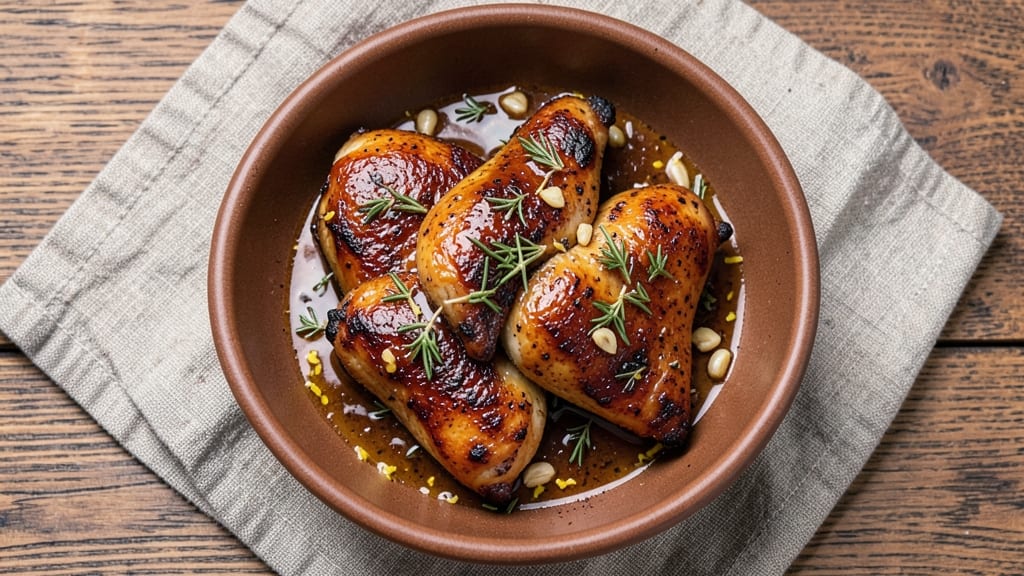
This baked chicken hearts recipe transforms humble offal into a crispy-edged, umami-rich centerpiece that rivals any restaurant dish. After years of experimenting with tough cuts, I discovered the perfect balance of brining, marinating, and high-heat baking to achieve tender interiors with crispy exteriors—no sous-vide machine required.
The secret lies in a simple yet strategic approach that elevates these often-overlooked protein powerhouses into a showstopper.
The process begins with thorough cleaning and brining, which ensures the hearts absorb flavors deeply while maintaining their natural richness. A marinade of soy sauce, garlic, and smoked paprika infuses them with layers of complexity, while a light coating of cornstarch creates that golden, shatteringly crispy crust.
Baking at 425°F for just 20-25 minutes delivers perfect doneness every time, with minimal effort. This method transforms what many consider an acquired taste into a foolproof dish that even skeptics will devour.
What you’ll end up with is a platter of crispy-edged, juicy chicken hearts that burst with savory depth—ideal for serving with roasted vegetables, crusty bread, or a bright citrus dip.
The aroma alone will draw everyone to the table, and the first bite delivers that umami-packed satisfaction that makes this dish unforgettable. Whether you're feeding a crowd or treating yourself to a protein-rich meal, this recipe delivers restaurant-quality results at home.
Pair these with a bold sauce, like chimichurri or a spicy aioli, to complement their natural richness. The beauty of this dish is its versatility—serve it as a main course, a hearty appetizer, or even a protein boost for salads.
Let’s get cooking and turn these humble ingredients into something extraordinary.
Ingredients for baked chicken hearts
Twelve ingredients transform humble chicken hearts into a crispy-edged, umami-rich centerpiece worthy of any restaurant table.
| Ingredient | Amount | Notes |
|---|---|---|
| Chicken Hearts 🍗 | 1 ½ lb | Fresh, cleaned, trimmed of excess fat |
| Cornstarch 🌾 | ¼ cup | Light coating for crispy crust |
| Soy Sauce 🥢 | ¼ cup | Low-sodium preferred for marinade |
| Smoked Paprika 🌶️ | 1 tbsp | For deep, smoky umami flavor |
| Garlic Cloves 🧄 | 6 cloves | Minced, for marinade intensity |
| Olive Oil 🫒 | 2 tbsp | Extra-virgin for high-heat baking |
| Diamond Crystal Kosher Salt 🧂 | 1 ½ tsp | For brining and seasoning |
| Black Peppercorns 🌶️ | 1 tsp | Freshly cracked for heat |
| Lemon Juice 🍋 | 1 tbsp | Brightens umami richness |
| Apple Cider Vinegar 🍏 | 1 tbsp | Enhances marinade penetration |
| Fresh Thyme Leaves 🌿 | ¼ cup | Chopped, aromatic depth |
| Fresh Rosemary 🌿 | ¼ cup | Chopped, piney aroma |
The chicken hearts require meticulous preparation—source them from a trusted butcher or specialty meat purveyor like D'Artagnan or Snake River Farms for optimal quality. Look for hearts with vibrant color and minimal surface fat, as excess fat can interfere with crisping. If using frozen hearts, thaw them in the refrigerator overnight for even cooking. The cornstarch is non-negotiable for achieving that shatteringly crispy crust; Bob's Red Mill or Arrowhead Mills brands provide consistent results. For the smoked paprika, Penzeys or Cholula offer superior depth compared to generic supermarket brands.
No smoked paprika? Substitute with a mix of sweet paprika and a pinch of liquid smoke, though the flavor profile won't be identical. Fresh thyme and rosemary can be swapped for 1 teaspoon dried thyme and 1 teaspoon dried rosemary, but fresh imparts a more vibrant aroma. If you're short on time, pre-minced garlic from a jar works in a pinch, though freshly minced garlic delivers superior flavor. For the soy sauce, Japanese brands like Kikkoman or Tamari provide the deepest umami, while American brands may taste flatter. The lemon juice and apple cider vinegar can be combined into a single 2-tablespoon acidulated brine if needed, though balancing the two separately yields better results.
Store any unused chicken hearts in an airtight container in the refrigerator for up to 3 days, though they're best used immediately for optimal texture. The marinade components keep separately in the fridge for 1 week, with the exception of fresh herbs, which should be used within 5 days. For meal prep, bake the hearts ahead and reheat at 350°F for 10 minutes to restore crispiness. The crispy coating loses its crunch when reheated, so serve immediately after baking for the best experience. Portion the hearts into single servings for easy reheating—aluminum foil packets work perfectly for individual portions.
Why You'll Love This Recipe
- No Fuss, No Mess: I swear by this recipe when I’m too tired to chop much—just rinse the hearts, toss them in cornstarch, and let the oven do the work. The soy sauce and smoked paprika do all the heavy lifting while I’m scrolling through my phone.
- Smoky Garlic Magic: That first bite? Crispy exterior, tender inside, with a punch of garlic and smoky depth from the paprika. It’s the kind of flavor that makes you reach for seconds without even thinking—no fancy sauce needed.
- Game for Any Meal: Throw these on a charcuterie board with crackers, toss them into a grain bowl, or serve them over rice with a fried egg on top. Honestly, I’ve eaten them cold in a sandwich and still loved it.
- Budget Boost: A pound of chicken hearts runs me $3, and this recipe stretches it for four servings. My wallet thanks me, and my family doesn’t even notice they’re not using the usual chicken breasts. (Yes, even on a Tuesday night.)
Step-by-step instructions for crispy-edged chicken hearts
Transform humble chicken hearts into a restaurant-worthy dish with this precise baking method.
Prepare the Marinade and Brine the Chicken Hearts
In a small bowl, combine the 0.25 cup soy sauce, 1 tbsp smoked paprika, 6 cloves minced garlic, 1 tbsp lemon juice, 1 tbsp apple cider vinegar, 0.25 cup chopped fresh thyme leaves, and 0.25 cup chopped fresh rosemary. Whisk until fully integrated—this marinade delivers the umami depth and aromatic complexity that distinguishes this dish.
Place the 1.5 lb chicken hearts in a resealable plastic bag and pour the marinade over them. Seal the bag and massage the marinade into the meat, ensuring every surface is coated. Let the chicken hearts marinate in the refrigerator for at least 4 hours, or preferably overnight. This extended marinating period allows the flavors to deeply penetrate the dense muscle tissue, while the acidity in the vinegar and lemon juice begins to tenderize the meat.
Create the Crispy Cornstarch Coating
Remove the chicken hearts from the marinade and pat them dry thoroughly with paper towels—this step is critical for achieving that coveted crispy exterior. In a shallow dish, combine 0.25 cup cornstarch with 1.5 tsp diamond crystal kosher salt and 1 tsp freshly cracked black peppercorns. Toss the chicken hearts in this mixture until they are evenly coated, shaking off any excess.
The cornstarch creates a dry, granular barrier that will caramelize beautifully in the oven, forming a crackling crust. This coating also helps lock in moisture during the baking process, preventing the hearts from becoming dry despite their dense nature. Work quickly to avoid absorbing moisture from the air, which would compromise the crispiness.
Bake to Crispy Perfection
Preheat your oven to 425°F and position a rack in the middle position. Arrange the coated chicken hearts on a parchment-lined baking sheet, spacing them about 1 inch apart to allow for even air circulation. Drizzle lightly with 2 tbsp olive oil—this helps promote browning while preventing the cornstarch coating from becoming too dry.
Bake for 25-30 minutes, flipping the chicken hearts halfway through the cooking time at the 15-minute mark. You'll know they're ready when the edges are deep golden brown and the internal temperature reaches 165°F when measured with an instant-read thermometer. The cornstarch coating should be crispy enough to shatter slightly when pressed with tongs, with a tender, juicy interior.
Rest and Serve with Confidence
Transfer the baked chicken hearts to a serving platter and let them rest for 5 minutes before serving. This brief resting period allows the juices to redistribute throughout the meat, ensuring each bite delivers maximum tenderness. The crispy edges will maintain their texture while the interior remains succulent.
Serve immediately with a squeeze of fresh lemon or a drizzle of the reserved marinade for an extra umami kick. These chicken hearts make an impressive appetizer when sliced thinly or a satisfying main course when served with roasted vegetables and crusty bread. The combination of crispy exterior and tender interior creates a textural contrast that elevates this often-overlooked cut of meat to gourmet status.
Pro Tips For Making Baked Chicken Hearts
- Pat dry the hearts: Chicken hearts hold onto moisture like a sponge—skip this, and you’ll end up with a soggy, uneven bake. Use paper towels to wipe them thoroughly before coating, or they’ll steam instead of crisp.
- Sear first, bake second: After tossing the hearts in cornstarch, hit them with a quick sear in a hot pan (3-4 minutes per side) before baking. This locks in flavor and gives you that restaurant-style crust without overcooking.
- Don’t overmix the marinade: Soy sauce, smoked paprika, and garlic cloves need to cling, not pool. Toss the hearts in a bowl just until evenly coated—lumpy is fine, but a watery slurry will make them greasy.
- Use a meat thermometer: Chicken hearts hit 165°F fast—overshooting turns them rubbery. Pull them out at 155°F, then let them rest 5 minutes; they’ll carryover cook to perfection. (Yes, even if they look underdone.)
Pro cooking tips for this recipe
Brining for Tenderness
The key to tender chicken hearts starts with a 10-minute brine in 1 quart cold water with 1.5 tsp kosher salt. This short brine seasoning the meat while drawing out surface moisture, which is critical for that perfect crisp.
I like to use an airtight container or resealable bag for even distribution. Never skip this step—it’s what transforms tough offal into melt-in-your-mouth bites. 💡
High-Heat Baking Secret
Baking at 425°F is non-negotiable for crispy edges. I use a wire cooling rack on top of a baking sheet to allow air circulation on all sides—this prevents steam from softening the cornstarch crust.
For extra browning, I finish the hearts under the broiler for 1-2 minutes at the end, watching closely to avoid burning. A Meater thermometer ensures perfect doneness at 165°F internal temp.
Cornstarch Coating Hacks
For an even crispier result, chill the coated hearts for 15 minutes before baking—this firms up the cornstarch for maximum crunch. I also recommend using arrowroot powder instead of cornstarch for a lighter, more delicate crust.
Just substitute ¼ cup arrowroot for the cornstarch in the recipe. The difference is noticeable but subtle—great for picky eaters!
Flipping Technique
Use long tongs to flip the hearts at the 15-minute mark, not a fork—piercing them releases juices that can make the coating soggy. I like to flip them once per side for even browning.
For extra flavor, I sprinkle with ½ tsp smoked paprika right before the final 5 minutes of baking. This adds that smoky aroma that makes the dish irresistible. 🌶️
Resting Matters
Never skip the 5-minute rest after baking—this allows the juices to redistribute, preventing dryness. I place the hearts on a wire rack over a baking sheet to maintain crispiness. For serving, I drizzle with a mix of 1 tbsp reserved marinade and 1 tsp honey for a sweet-savory finish.
This simple step elevates the dish from good to unforgettable.
Equipment Must-Haves
Invest in a high-quality instant-read thermometer like the Thermoworks Thermapen—it’s the only way to guarantee perfect doneness without overcooking. A wire cooling rack is also essential for crispy results.
For marinating, I use quart-sized Ziploc bags with the excess air squeezed out to maximize flavor penetration. These tools make all the difference in professional-quality results at home. ⚡
Nutrition facts
Frequently asked questions
Why do chicken hearts need marinating before baking?
Marinating tenderizes the dense muscle tissue while infusing deep umami flavors. The acid in lemon juice and vinegar breaks down proteins, while soy sauce and smoked paprika create that signature savory depth. For best results, marinate for at least 4 hours—overnight yields even more flavor penetration.
Can I substitute cornstarch for something else to get crispy edges?
Yes! For a lighter crust, use ¼ cup arrowroot powder instead. For extra crunch, try panko breadcrumbs mixed with cornstarch (50/50 ratio). Just ensure your coating is completely dry before baking to maintain crispiness.
What's the best way to tell when chicken hearts are fully cooked?
Use an instant-read thermometer to check for 165°F internal temperature. The edges should also be deep golden brown with crispy texture. If using a meat thermometer isn't possible, cut into one heart—it should be opaque throughout with no pink centers.
Are chicken hearts safe to eat raw or undercooked?
Never eat chicken hearts raw or undercooked—they can carry harmful bacteria like salmonella. Always cook to at least 165°F internal temperature. The recipe's high-heat baking method ensures perfect safety while maintaining tenderness.
How can I make these chicken hearts spicier?
Add ½ tsp cayenne pepper or 1 tbsp hot sauce to the marinade, or sprinkle with chili powder before baking. For heat lovers, try a 1-minute broiler finish with a pinch of cayenne on top. Start with small amounts—chicken hearts absorb flavors intensely!