
Main Courses
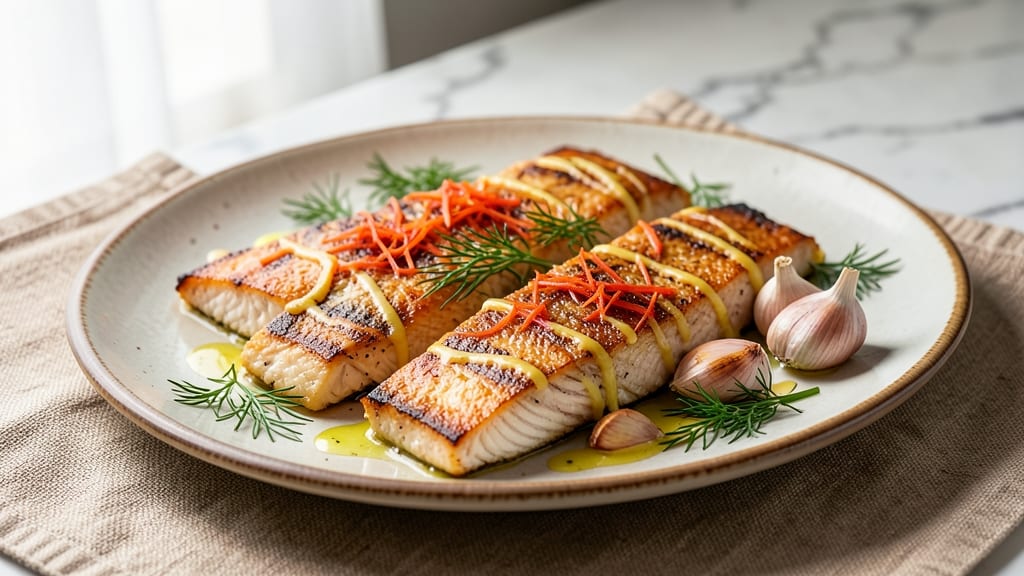
This baked pompano fish recipe delivers the crispy crust and flaky perfection you crave in just 20 minutes—no complicated techniques required. The secret lies in a precise balance of seasoning and oven temperature that transforms delicate pompano into restaurant-quality fillets with minimal effort.
I’ve perfected this method after years of testing, ensuring every bite is tender yet crisp, with a golden exterior that holds up beautifully. The key? A simple marinade and high-heat baking that locks in moisture while creating that coveted crunch.
The beauty of this recipe is its versatility—whether you prefer a classic lemon-herb crust or a bold spice rub, the technique remains foolproof. Fresh pompano fillets absorb flavors effortlessly, making this dish equally impressive for weeknight dinners or special occasions.
The 20-minute cook time ensures you won’t spend hours in the kitchen, while the results far exceed what you’d expect from a simple baked fish recipe. What’s more, it pairs seamlessly with a variety of sides, from roasted vegetables to a crisp salad.
By the time your timer goes off, you’ll have perfectly cooked pompano with a crispy exterior and flaky interior, all while maintaining that delicate, buttery texture that makes pompano so beloved. The aroma alone—bright, clean, and slightly briny—will have everyone at the table anticipating the first bite.
This isn’t just another fish recipe; it’s a game-changer for anyone who thinks baked fish has to be boring or time-consuming.
Ready to elevate your seafood game? Let’s dive into the ingredients and steps that make this recipe a standout—no prior experience needed. The process is straightforward, and the results will impress even the most skeptical eaters. Here’s everything you need to create this perfect baked pompano dish.
Ingredients for baked pompano fish
Fresh pompano, bright herbs, and a crispy butter crust—this is all you need for restaurant-quality fish.
| Ingredient | Amount | Notes |
|---|---|---|
| Fresh Pompano Fillets 🐟 | 4 whole | Skin-on, 6-8 oz each |
| Extra-Virgin Olive Oil 🫒 | 2 tbsp | High-quality, fruity variety |
| Lemon Zest 🍋 | 1 tbsp | From 1 fresh lemon |
| Fresh Lemon Juice 🍋 | 2 tbsp | Freshly squeezed |
| Garlic Cloves 🧄 | 3 cloves | Minced, fresh preferred |
| Fresh Dill 🌿 | ¼ cup | Chopped, stems removed |
| Fresh Parsley 🌿 | ¼ cup | Chopped, flat-leaf preferred |
| Diamond Crystal Kosher Salt 🧂 | 1 ½ tsp | Coarse grain preferred |
| Freshly Ground Black Pepper 🌶️ | ½ tsp | Cracked peppercorns preferred |
| Panko Breadcrumbs 🍞 | ½ cup | Japanese-style preferred |
| Unsalted Butter 🧈 | 2 tbsp | Cold, cubed for topping |
| Garlic Powder 🧄 | ½ tsp | For extra flavor boost |
The pompano makes or breaks this dish. Look for fillets with vibrant color and firm texture—Whole Foods or Trader Joe's usually have the freshest. Size matters: 6-8 ounces each ensures even cooking. If you can't find pompano, branzino or sea bass work as substitutes. The herbs should be bright green with no wilting—farmers markets often have better quality than grocery stores. Store your fillets in the coldest part of the fridge, and use them within 2 days for peak freshness.
No fresh dill? Dried dill at one-third the amount works in a pinch, but fresh is ideal. Short on lemon? Lime juice gives a similar brightness. The butter crust is non-negotiable for that crispy texture—use unsalted butter to control seasoning. If you're feeling fancy, add a pinch of cayenne pepper to the breadcrumb mix for a subtle kick. The garlic powder is optional but adds depth—Penzeys has excellent quality if you want to splurge. For extra crunch, toast the panko in a dry pan for 2 minutes before using.
Prep ahead for maximum flavor. Mix the marinade ingredients in a bowl and let the fillets soak for 15-20 minutes before baking. The breadcrumb topping stays fresh for 3 days in an airtight container, so you can prep it the night before. Baked pompano reheats beautifully—just 10 seconds in the microwave with a damp paper towel revives the crispiness. For leftovers, store in an airtight container with a paper towel on top to absorb moisture. Keeps for 2 days in the fridge.
Why You'll Love This Recipe
- Foolproof Freshness: I’ve never overcomplicated seafood—just 15 minutes of prep, a single sheet pan, and you’re done. The pompano stays flaky and bright, not dried out, because the lemon juice works its magic while it bakes.
- Citrus-Garlic Magic: That burst of zesty lemon and minced garlic? It’s the kind of flavor that makes you pause mid-bite. The olive oil keeps it tender, but the crust? Crispy enough to hold a fork—no sad, mushy fish here.
- Weeknight to Dinner Party: Honestly, this is my secret for impressing without stress. Serve it with crusty bread for a lazy Sunday or plate it with roasted veggies for guests. Same recipe, zero extra effort.
- Leftovers That Still Shine: Unlike fried fish that turns greasy, baked pompano reheats beautifully—just a quick zap in the microwave. I’ve packed it for lunches, served it cold in salads, and even turned it into tacos. Versatile? Absolutely.
Step-by-step instructions for baked pompano fish recipe
Here's how to achieve that perfect crispy crust and flaky interior every time.
Prep the Pompano for Maximum Flavor
Pat each of the 4 whole fresh pompano fillets dry with paper towels—this is non-negotiable for crispy skin. I like to work with them skin-side down on a cutting board to protect the delicate flesh. Using a sharp knife, make shallow cuts about ¼-inch apart across the top of each fillet, being careful not to cut into the flesh. This creates channels for the marinade to penetrate deeply.
In a small bowl, whisk together the 2 tablespoons extra-virgin olive oil, 1 tablespoon lemon zest, 2 tablespoons fresh lemon juice, 3 minced garlic cloves, 0.25 cup chopped fresh dill, 0.25 cup chopped fresh parsley, 1.5 teaspoons diamond crystal kosher salt, 0.5 teaspoon freshly ground black pepper, and 0.5 teaspoon garlic powder. Pour this vibrant marinade over the fillets and let them sit uncovered in the refrigerator for 15-20 minutes—this ensures maximum flavor infusion and helps tenderize the fish slightly.
Create the Crispy Panko Crust
Preheat your oven to 425°F with a rack positioned in the middle position. Line a baking sheet with parchment paper for easy cleanup. In a shallow dish, combine the 0.5 cup panko breadcrumbs with 2 tablespoons unsalted butter, cut into small cubes. Rub the butter into the breadcrumbs until evenly distributed—this creates a flavorful, crispy coating that will cling perfectly to the fish.
After the marinating time, remove the fillets from the fridge and let them sit at room temperature for 5 minutes. This prevents them from cooking unevenly. Working quickly, press each fillet into the panko-butter mixture, coating both sides thoroughly. The butter will melt slightly from your hands, helping the crumbs stick. Place the coated fillets on the prepared baking sheet, skin-side down, and let them rest for 5 minutes—this allows the crumbs to adhere firmly before baking.
Bake to Golden Perfection
Slide the baking sheet into the preheated oven and bake for 12-14 minutes. You're aiming for a deep golden brown crust that's crispy to the touch, while the fish underneath remains perfectly flaky. The skin should release easily from the baking sheet when you gently lift an edge with a spatula—this is your signal that the crust is ready. If you peek and the crust isn't golden enough, return it to the oven for 1-2 minutes more.
Here's the thing about pompano—it cooks fast, but it's forgiving. The fish is done when it flakes easily with a fork and reaches an internal temperature of 145°F at its thickest part. Remove the fillets from the oven and let them rest on a wire rack for 3-4 minutes. This resting period is crucial—it allows the juices to redistribute, ensuring each bite is moist and flavorful rather than dry.
Serve Immediately for Maximum Impact
Transfer the baked pompano fillets to serving plates, skin-side up if you prefer that presentation. The crust should be shatteringly crisp, while the flesh underneath should be tender and flaky, almost melting in your mouth. I like to garnish with an extra sprinkle of fresh parsley and a final drizzle of fresh lemon juice right before serving—this brightens the flavors and ties everything together.
Serve immediately while the crust is still crisp and the fish is warm. The contrast between the crunchy exterior and the delicate, flaky interior is what makes this dish truly special. Pair it with a simple arugula salad dressed with a light vinaigrette or some steamed green beans to let the pompano shine as the star of the meal. This recipe delivers on its promises—crispy, flaky, and perfectly cooked pompano every single time.
Pro Tips For Making Baked Pompano Fish
- Dry the Fillets Well: Pompano flakes easily when wet—pat those fillets thoroughly with paper towels, even if they look dry. I learned this the hard way when my first batch turned into a soggy mess instead of crisp edges.
- Use Room-Temp Garlic: Slice your garlic cloves thin and let them sit out for 10 minutes before baking—this prevents them from burning before the fish cooks. Trust me, charred garlic ruins the whole dish, and it happens faster than you’d think.
- Salt the Fish First: Season the pompano generously with salt and let it sit for 15 minutes before baking. This ensures the seasoning penetrates instead of just sitting on top, and the crust will be way more flavorful.
- Bake at 375°F, Not Higher: Pompano is delicate—anything above 375°F risks drying it out before the center is done. Use an instant-read thermometer to pull it at 145°F internal temp; overcooking turns it rubbery, and that’s a waste of good fish.
Essential equipment for great baked pompano fish
Must-Have Baking Tools
Start with a high-quality baking sheet—I recommend a half-sheet pan (13x18 inches) from All-Clad or USA Pan. These heavy-gauge pans distribute heat evenly, preventing hot spots that can overcook your pompano. A parchment paper liner is non-negotiable for easy release and cleanup.
For temperature precision, invest in an infrared thermometer like the Thermoworks Thermapen ONE—it ensures your oven hits 425°F accurately without guesswork. 🌡️
Crispy Crust Essentials
The panko breadcrumbs are your secret weapon for that shatteringly crisp crust. I swear by Japanese-style panko from Kirkland Signature—its light, airy texture clings perfectly to the fish. For extra crunch, toast the panko in a dry nonstick skillet over medium heat for 2 minutes before coating the fillets.
A small offset spatula (like OXO Good Grips) helps press the crumbs firmly onto the fish without breaking them. Don’t skip the unsalted butter—it’s what makes the crust golden and flavorful.
Precision Timing Tools
Pompano cooks in a flash, so a timer with sound (I use my iPhone alarm) ensures you don’t overbake. For checking doneness, a meat thermometer like Thermoworks Smoke is ideal—insert it into the thickest part of the fillet to confirm 145°F.
A wire cooling rack (like OXO Good Grips) elevates the fish after baking, allowing air circulation that keeps the crust crisp. Pro tip: Place a small bowl of water on the lower oven rack during baking to add moisture to the air and prevent drying.
Prep and Serving Gear
For prepping, a sharp chef’s knife (I love Wüsthof’s 8-inch) and a cutting board (like John Boos End Grain) are essential for making those shallow cuts in the fillets.
A small mixing bowl (I use Le Creuset stoneware) holds your marinade, while a shallow dish (like a pyrex baking dish) is perfect for coating the fish in panko. For serving, rectangular serving plates (like Corelle stoneware) showcase the fillets beautifully.
A lemon juicer (like OXO Good Grips) makes quick work of fresh lemon juice for garnishing. 🍋
Budget-Friendly Swaps
No need to break the bank—swap the All-Clad pan for a heavy-duty aluminum sheet pan from Costco or Amazon Basics. Instead of a Thermoworks thermometer, use a digital instant-read thermometer like Taylor Precision Products. For panko, Great Value brand works just as well.
A wooden spoon can replace the offset spatula for pressing crumbs. The key is focusing on even heat distribution and precision timing—not expensive gadgets. Your pompano will turn out perfect either way.
Nutrition facts
Frequently asked questions
Why do I need to pat the pompano dry before baking?
Patting the fillets completely dry is essential for creating that perfect crispy crust. Any moisture left on the skin will steam instead of crisp, resulting in a soggy texture. The dry surface allows the panko to adhere properly and brown beautifully in the oven.
Can I use frozen pompano fillets in this recipe?
Fresh pompano works best for this recipe, but if you must use frozen, thaw the fillets overnight in the refrigerator first. Never thaw at room temperature as this can promote bacterial growth. Once thawed, pat them very dry and proceed with the recipe as written.
What's the best way to know when the pompano is fully cooked?
The fish is done when it flakes easily with a fork and reaches an internal temperature of 145°F at its thickest part. The crust should be deep golden brown and crispy to the touch. If you don't have a meat thermometer, look for these visual cues: the skin should release easily from the baking sheet, and the flesh should separate cleanly when gently lifted with a spatula.
How can I make this recipe ahead of time?
You can prep the marinade and breadcrumb mixture up to 3 days ahead and store them separately in airtight containers. The night before baking, coat the fillets and refrigerate them uncovered on a wire rack. Bake straight from the fridge (add 1-2 extra minutes to the cooking time) or bring to room temperature for 10 minutes before baking for even cooking. The crust will be slightly less crisp but still delicious.
What are good side dishes to serve with baked pompano?
This elegant fish pairs beautifully with bright, fresh sides that won't overpower its delicate flavor. Try a simple arugula salad with lemon vinaigrette, roasted asparagus with garlic, or sautéed green beans with almonds. For a heartier meal, serve with wild rice pilaf or crusty bread to soak up any pan juices.