
Main Courses
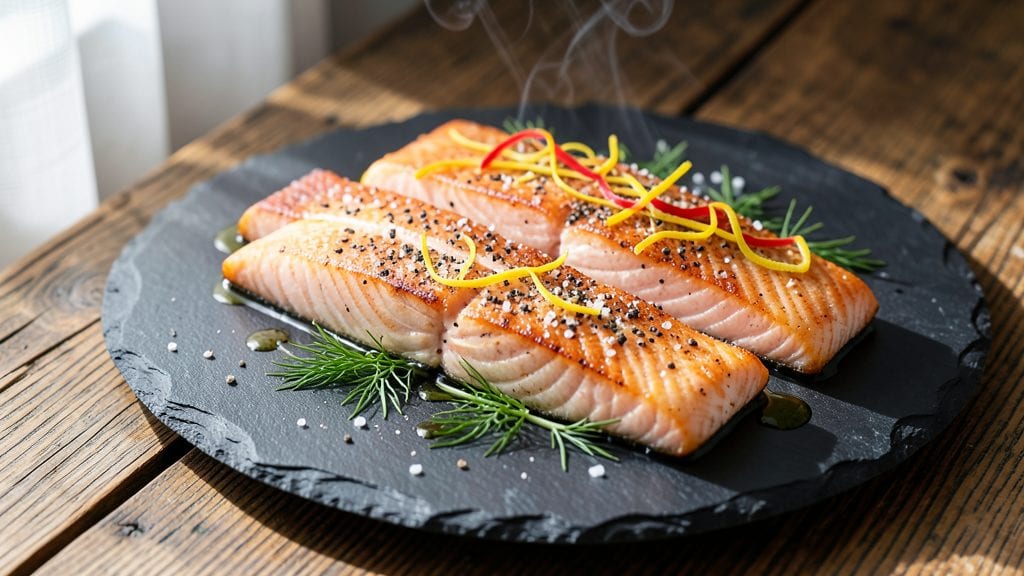
Mastering baked salmon with skin that delivers crispy skin and perfectly flaky flesh is an art I’ve perfected over years of trial and error. The secret lies in precise oven temperature, proper seasoning, and a technique that prevents overcooking while ensuring the skin becomes shatteringly crisp.
This recipe transforms a simple weeknight dinner into a restaurant-worthy meal with minimal effort.
What sets this method apart is the combination of high-heat baking for the skin and gentle cooking for the tender flesh. You’ll start by patting the salmon dry, seasoning it generously with salt, pepper, and a touch of lemon zest—then baking it on a wire rack to allow air circulation.
This ensures the skin crisps beautifully while the inside remains moist and delicate, avoiding that dreaded rubbery texture.
The result is a fillet with golden, crackling skin that shatters at the first bite and flaky flesh that melts effortlessly. The aroma of lemon and herbs fills your kitchen, signaling a meal that’s both elegant and satisfying.
Serve it with a simple side of roasted vegetables or a fresh salad to complete the dish.
This recipe is designed for precision, ensuring you achieve professional-quality results every time. Whether you’re cooking for a special occasion or a casual dinner, the technique remains the same—simple yet foolproof. Let’s get started on creating the perfect baked salmon.
Ingredients for baked salmon with skin
Precision seasoning and technique transform simple salmon into a restaurant-quality masterpiece.
| Ingredient | Amount | Notes |
|---|---|---|
| Center-Cut Atlantic Salmon Fillets 🐟 | 4 whole | Skin-on, 6-8 oz each, even thickness |
| Extra-Virgin Olive Oil 🫒 | 1 tbsp | High smoke point, light flavor |
| Diamond Crystal Kosher Salt 🧂 | 1 ½ tsp | Coarse grain for even distribution |
| Freshly Ground Black Pepper 🌶️ | ½ tsp | Freshly cracked for optimal flavor |
| Organic Lemon Zest 🍋 | 1 tbsp | Freshly zested, no pith |
| Fresh Dill Weeds 🌿 | ¼ cup | Chopped, stems removed |
| Garlic Cloves 🧄 | 2 cloves | Minced, for seasoning blend |
| Unsalted European-Style Butter 🧈 | 1 tbsp | Cold, for skin crisping |
| Wire Baking Rack 🍳 | 1 whole | For even air circulation |
| Heavy-Duty Parchment Paper 📄 | 1 sheet | For easy transfer |
| Fresh Lemon Juice 🍋 | 1 tbsp | Freshly squeezed, for finishing |
The salmon selection is critical—center-cut fillets with intact skin ensure even cooking and maximum crispiness. Whole Foods Market and Trader Joe's carry premium options, but local fishmongers often provide fresher cuts. Look for fillets with vibrant color and minimal bruising; the skin should appear tight and unbroken. If your fillets vary in thickness, gently pound the thicker sections with a meat mallet to achieve uniform doneness. The butter used for crisping should be European-style unsalted—it has a higher fat content that promotes superior browning. Store your salmon uncovered in the fridge for up to 2 days before cooking to allow the skin to dry slightly, which enhances crisping.
Substitutions must prioritize texture and flavor integrity. If fresh dill is unavailable, dried dill at one-third the amount works, though the aroma will differ slightly. For lemon zest, bottled zest paste can substitute in a pinch, but fresh yields brighter citrus notes. The olive oil can be swapped for avocado oil if you prefer a neutral profile. For those avoiding dairy, omit the butter and increase oven temperature by 25°F while reducing baking time by 1-2 minutes. The kosher salt can be replaced with fine sea salt, though you'll need one-quarter more by volume due to its finer grain. Always season the skin side generously—this is where the magic happens for crisping.
Proper preparation ensures flawless execution. Pat the salmon fillets thoroughly with paper towels to remove surface moisture, which prevents steam from forming under the skin and keeps it crisp. Arrange the wire rack over a baking sheet lined with parchment paper for optimal airflow. The butter should be cold and cut into small cubes—this ensures it melts gradually during baking, creating a golden crust. Baked salmon reaches peak quality immediately after cooking, but leftovers can be stored in an airtight container for up to 2 days. To reheat, wrap in foil and warm in a 350°F oven for 5-7 minutes—never microwave, as it renders the skin soggy. For meal prep, portion the salmon into individual containers with a squeeze of fresh lemon juice to maintain moisture.
Why You'll Love This Recipe
- Skin-Crisp Magic: I’ll admit, I was skeptical about leaving the skin on—until I tried this. That golden, shatteringly crisp edge while the inside stays tender? It’s the kind of detail that makes you feel like a chef without trying.
- No-Fuss Flavor Bomb: Honestly, the ingredients couldn’t be simpler: just olive oil, salt, pepper, and a sprinkle of lemon zest. But somehow, they turn into something ridiculously good—bright, buttery, with that citrus kick that makes every bite feel fresh.
- Weeknight to Dinner Party: Between us, this recipe works for everything. Throw it on a sheet pan for a lazy Tuesday, or dress it up with a drizzle of honey or fresh herbs for guests. The same method, zero stress, all win.
- Leftovers That Don’t Suck: I make this twice a month because the leftovers taste just as good cold as they do hot. Flake it into salads, wrap it in tortillas, or just reheat it—it’s my go-to for lunch without the fuss.
Step-by-step instructions for crispy-skinned baked salmon
Master this technique for restaurant-quality salmon every time—crispy skin without overcooking the delicate flesh.
Prepare the Salmon for Optimal Crispiness
Pat the 4 whole center-cut Atlantic salmon fillets completely dry with paper towels, pressing firmly to remove all moisture from both skin and flesh. This drying step is absolutely critical—moisture prevents proper browning and crisping. I like to work with one fillet at a time, using a fresh towel for each to ensure maximum dryness.
Place the fillets skin-side down on a clean work surface. Using the 1 tbsp of extra-virgin olive oil, gently rub it directly over the skin in even strokes. The oil will help create a golden crust while preventing sticking. Let the fillets rest uncovered at room temperature for 15 minutes before baking—this allows the skin to firm up slightly, ensuring better texture.
Create the Seasoning Blend for Depth of Flavor
In a small bowl, combine the 1.5 tsp diamond crystal kosher salt, 0.5 tsp freshly ground black pepper, 1 tbsp organic lemon zest, and 0.25 cup fresh dill weeds. Add the 2 cloves minced garlic and mix thoroughly with your fingers. The coarse texture of the kosher salt helps distribute seasoning evenly while the lemon zest and dill add bright, aromatic complexity.
Sprinkle this seasoning mixture evenly over the flesh side of each salmon fillet, pressing gently to help it adhere. I like to use about 25% of the seasoning blend on each fillet, reserving the remaining for finishing later. This ensures we have enough to create that signature crispy crust on top.
Set Up the Baking Environment for Perfect Results
Preheat your oven to 425°F with the rack positioned in the lower third position. This high heat is essential for achieving crispy skin while keeping the center perfectly flaky. Place the wire baking rack on a sheet pan lined with the heavy-duty parchment paper—this setup allows hot air to circulate underneath, promoting even cooking and crisping on both sides.
Arrange the seasoned salmon fillets skin-side down on the prepared rack, spacing them about ½ inch apart. This spacing prevents steaming and allows for proper air circulation. I always place the thicker end of each fillet toward the back of the oven where heat is most intense.
Bake Until Skin is Crispy and Flesh is Flaky
Bake the salmon for 10-12 minutes until the skin is deep golden brown and crispy to the touch. You'll know it's ready when the skin releases easily from the rack and the flesh reaches an internal temperature of 130°F at its thickest point. The skin should be firm and crackly, while the flesh should still have a slight give when pressed gently with your finger.
Remove the fillets from the oven and immediately transfer them to a serving platter skin-side up. Place the 1 tbsp cold unsalted European-style butter on each fillet and let it melt slightly from the residual heat. This butter adds richness and helps maintain moisture in the flesh as it rests.
Finish with Fresh Herbs and Lemon for Bright Flavor
Squeeze the 1 tbsp fresh lemon juice evenly over each fillet, allowing it to drip down into the flesh. This final step brightens the flavors and ensures each bite has that signature freshness. Sprinkle with any remaining seasoning blend, focusing on the flesh side to create visual contrast with the crispy skin.
Let the salmon rest for 3-5 minutes before serving—this allows the juices to redistribute, ensuring each slice is perfectly moist. Serve immediately with the crispy skin intact and the flaky flesh ready to fall apart at your touch. The combination of textures and bright, herby flavors makes this preparation truly exceptional.
Pro Tips For Making Baked Salmon With Skin
- Dry the Skin First: Pat the salmon skin thoroughly with paper towels—even if it looks dry—before seasoning. I learned this the hard way when my skin stayed soggy and didn’t crisp, no matter how long I baked it. Wet skin = rubbery skin.
- Salt the Skin Side: Sprinkle kosher salt directly on the skin (not just the flesh) before baking. The salt draws out moisture, helping the skin render fat and crisp while keeping the fillet juicy. Skip this, and you’ll miss out on that golden, shatterable crust.
- Start with High Heat: Bake the salmon at 425°F (220°C) for the first 10 minutes—yes, even if your oven runs hot. This jumpstarts the skin’s crisping before dropping to 375°F (190°C) to finish. I used to bake it at a steady 375°F and wondered why my skin never got that satisfying crunch.
- Use Olive Oil on Skin: Brush just the skin side with extra-virgin olive oil before seasoning. The fat in the oil helps the skin render and crisp while keeping it from sticking to the pan. (No need to oil the flesh—it’s already moist.) I was skeptical until I tried it, and now I never bake salmon without it.
Troubleshooting great baked salmon with skin
Skin Not Crispy Enough
If your salmon skin isn't crispy, it's likely due to excess moisture or insufficient heat. First, ensure you pat the fillets completely dry with paper towels—even small amounts of moisture can prevent proper browning.
For extra crispiness, increase your oven temperature to 450°F and reduce baking time by 1-2 minutes. I also recommend using a wire rack over a baking sheet to allow maximum airflow underneath.
For an extra crunch, sprinkle ½ tsp cornstarch on the skin before baking—it creates a perfect golden crust. 🔥
Overcooked or Dry Flesh
Salmon overcooks quickly, so always use a meat thermometer to check the internal temperature—130°F at the thickest point is perfect. If your salmon turns out dry, try reducing the baking time by 1-2 minutes or lowering the temperature to 400°F.
For extra moisture, place a small water pan in the oven while baking, which adds humidity to the environment. I also recommend resting the salmon for 5-10 minutes before serving to allow juices to redistribute. 💧
Uneven Cooking
Uneven cooking often happens when fillets vary in thickness. To fix this, gently pound thicker sections with a meat mallet until they match the thinnest part. Arrange fillets skin-side down on the rack with the thicker ends toward the back of the oven, where heat is most intense.
If you notice one side cooking faster, rotate the pan halfway through baking. For extra precision, use aluminum foil tents over thinner sections to shield them from direct heat. 🌡️
Skin Sticking to Pan
Sticking usually occurs when the salmon isn't properly oiled or the pan isn't hot enough. Always rub the skin with 1 tbsp olive oil before baking, and ensure your oven is fully preheated. For extra insurance, place the salmon on parchment paper before transferring to the rack.
If it sticks during baking, gently slide a spatula under the fillet while it's still hot—never force it, as this can tear the skin. 🍳
Flavor Too Mild
If your salmon tastes bland, it’s likely underseasoned or needs brighter flavors. Double-check your seasoning—1.5 tsp kosher salt and 0.5 tsp black pepper should be evenly distributed. For extra depth, add 1 tsp smoked paprika or ½ tsp garlic powder to the seasoning blend.
A finishing squeeze of lemon juice and a sprinkle of fresh dill right before serving can also elevate the flavor profile dramatically. 🌿
Nutrition facts
Frequently asked questions
Can I use frozen salmon for this recipe?
Yes, but thaw it properly first! Place frozen salmon in the refrigerator overnight or use the cold water method (sealed in a leak-proof bag for 30 minutes). Never thaw at room temperature, as this promotes bacterial growth. Pat the skin completely dry before seasoning—excess moisture will prevent crisping.
How do I know when the salmon is fully cooked?
Use a meat thermometer to check the thickest part of the fillet—it should reach 130°F internally. The skin should be golden brown and crispy, while the flesh should flake easily with a fork. If you're unsure, err on the side of undercooking slightly; salmon continues cooking slightly after removal from heat.
Can I bake salmon without skin?
Simply remove the skin before seasoning and baking. For best results, pat the flesh completely dry and bake at 400°F for 10-12 minutes (skinless salmon cooks slightly faster). Add a lemon wedge or herb butter on top during baking to keep it moist. The texture will be more tender, but equally delicious.
What sides pair best with this salmon?
This recipe shines with bright, light sides that complement its rich flavor. Try roasted asparagus with lemon zest, a crisp arugula salad with balsamic glaze, or garlic mashed cauliflower. For a heartier meal, serve with quinoa pilaf or roasted sweet potatoes. The crispy skin contrasts beautifully with tender vegetables.
Can I make this ahead of time?
Cooked salmon is best served immediately, but you can prep components ahead. Season and oil the fillets up to 1 day in advance, then refrigerate uncovered (this helps the skin crisp better). For leftovers, store in an airtight container for 1-2 days and reheat gently in a 350°F oven for 5-7 minutes—never microwave to preserve texture.