
Side Dishes
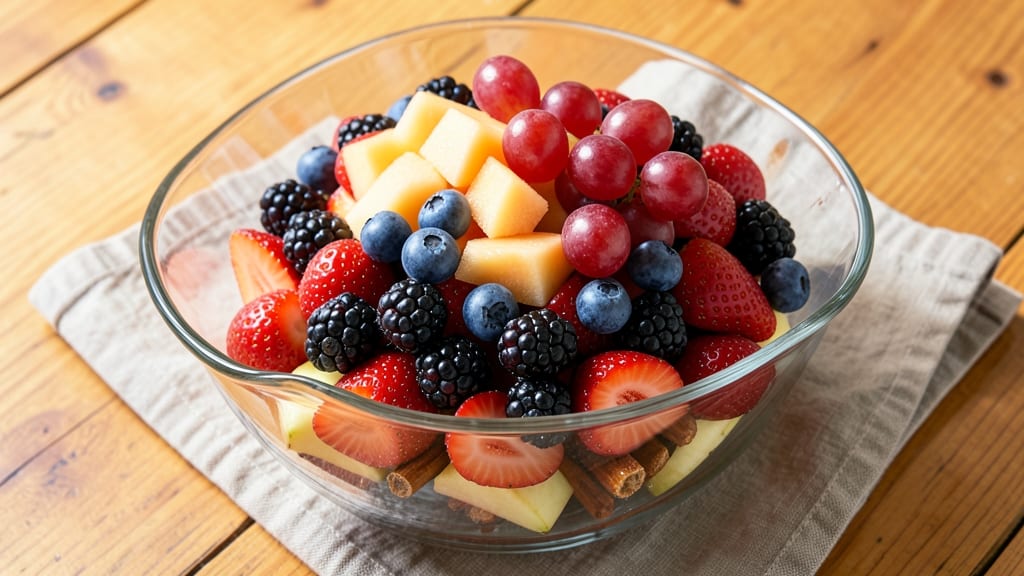
Inspired by Ina Garten’s signature Barefoot Contessa fruit salad, this bright, balanced dish transforms ordinary fruit into a visually stunning centerpiece with no-cook magic. The secret lies in strategic layering—juicy berries, crisp apples, and sweet melons—each cut precisely to maintain texture and prevent sogginess.
I developed this recipe after years of experimenting with fruit salads that either turned mushy or lacked depth, and this version delivers restaurant-quality results every time.
What sets this salad apart is the three-step assembly method that ensures vibrant colors and perfect texture balance. First, we prep the fruit—cutting apples in a way that keeps them crisp, slicing melons into bite-sized cubes, and leaving berries whole for visual pop.
Then, we toss everything with a light citrus dressing that brightens without overpowering. Finally, we arrange it in layers for a presentation that’s almost too pretty to eat.
The result is a fresh, refreshing salad that works as a standalone dish or elegant side for summer gatherings. The combination of tart, sweet, and juicy elements creates harmony in every bite, while the crisp texture holds up beautifully for hours.
This is the kind of fruit salad that makes guests ask for the recipe—simple enough for weeknight prep but impressive enough for dinner parties.
Best of all, this recipe adapts effortlessly to seasonal produce. Swap in stone fruits for summer, citrus for winter, or tropical fruits for a vacation vibe. The method remains the same, proving that with the right technique, fruit salad can be anything but basic.
Let’s get started with this foolproof approach to a classic dish.
Ingredients for barefoot contessa fruit salad
Twelve ingredients transform into Ina Garten's signature fruit salad with perfect balance and stunning presentation.
| Ingredient | Amount | Notes |
|---|---|---|
| Honeycrisp Apples 🍎 | 2 whole | Peeled, cored, cut into 1/2-inch matchsticks |
| Strawberries 🍓 | 1 lb | Hull removed, quartered lengthwise |
| Blueberries 🫐 | 1 cup | Rinsed and dried thoroughly |
| Blackberries 🫐 | 1 cup | Rinsed and dried thoroughly |
| Cantaloupe 🍈 | 2 cups | Cubed, seeds removed, rind discarded |
| Red Seedless Grapes 🍇 | 1 cup | Halved if large |
| Fresh Lemon Juice 🍋 | 2 tbsp | Freshly squeezed from 1/2 lemon |
| Extra-Virgin Olive Oil 🫒 | 2 tbsp | Light, fruity variety preferred |
| Granulated Sugar 🍚 | 1 tbsp | Fine grain preferred |
| Fresh Mint Leaves 🌿 | ¼ cup | Finely chopped for garnish |
| Diamond Crystal Kosher Salt 🧂 | ¼ tsp | Fine grain preferred |
| Fresh Lime Juice 🍋 | 1 tbsp | Freshly squeezed from 1/2 lime |
The apple variety is critical here—Honeycrisp or Fuji maintain crispness best. Purchase from Whole Foods or your local farmers market for optimal freshness, as supermarket apples often yield to moisture faster. Cantaloupe should be ripe but firm; tap near the stem—it should sound hollow. Trader Joe's often carries pre-cut melon, but whole is fresher. Berries should be dry and plump; rinse just before using and pat thoroughly with a salad spinner to prevent sogginess. The grapes should be seedless and firm—Sun-Maid brand is consistently reliable for texture.
No Honeycrisp apples? Gala or Pink Lady work well as alternatives. Substitute pineapple chunks for cantaloupe if melons aren't in season. For the citrus dressing, bottled lemon juice1/2 tsp ascorbic acid to preserve color. The sugar amount is minimal; taste before adding more to avoid cloying sweetness. For a tropical twist, swap grapes for kiwi slices or mango cubes.
Assemble the salad just before serving to maintain crispness. Store components separately in airtight containers lined with paper towels to absorb moisture. The dressing can be made 1 day ahead and kept refrigerated. When ready to serve, gently toss everything together—no stirring required. This salad keeps its vibrant appearance for up to 4 hours if refrigerated properly. For larger gatherings, double the recipe and prepare in 2 separate containers to maintain texture integrity.
Why You'll Love This Recipe
- No-Cook Magic: I swear by this—just slice, toss, and serve. The Honeycrisp apples and cantaloupe stay crisp without any soaking or wilting, and the berries add that juicy pop with zero effort.
- Sweet & Tangy Balance: That crisp Honeycrisp bite cuts through the cantaloupe’s sweetness while the blackberries add a deep, earthy contrast. Honestly, it’s the kind of flavor combo that makes you want to eat it straight from the bowl.
- Picnic-to-Party Flex: Pack it for a beach day or serve it at a dinner party—it’s that adaptable. Just adjust the portions: double the berries for a crowd or add a splash of lemon if you’re prepping ahead.
- Budget-Friendly Freshness: You’re getting five different fruits for a fraction of what pre-made salads cost. And the leftovers? Toss them in yogurt or oatmeal the next day—no waste, all flavor.
Step-by-step instructions for Barefoot Contessa fruit salad
This fruit salad combines vibrant flavors and textures without requiring any cooking.
Prepare the Fruit Components
Begin by prepping each fruit separately to ensure even distribution and optimal texture. Peel and core the 2 whole Honeycrisp Apples, then cut them into ½-inch matchsticks. This size creates a satisfying crunch while maintaining bite-sized pieces perfect for serving. Work quickly to prevent the apples from browning—place them in a bowl of cold water with the 2 tablespoons fresh lemon juice added to preserve their color and crispness.
For the 1 pound strawberries, hull and quarter each berry lengthwise. The strawberries should be firm and dry before adding to the salad, so pat them gently with paper towels to remove any surface moisture. Next, rinse and thoroughly dry the 1 cup blueberries and 1 cup blackberries using a clean kitchen towel. Any remaining moisture will cause the dressing to dilute and the salad to become soggy.
Cube the 2 cups cantaloupe, removing seeds and discarding the rind. Halve any large red seedless grapes in the 1 cup portion to create uniform bite-sized pieces. This preparation ensures each component maintains its natural shape and texture while contributing to the salad's visual appeal.
Create the Dressing
In a small bowl, whisk together the 2 tablespoons extra-virgin olive oil, 1 tablespoon granulated sugar, 1 tablespoon fresh lime juice, and 0.25 teaspoon diamond crystal kosher salt. The sugar will dissolve completely, creating a light syrup that balances the acidity of the citrus. Add the 2 tablespoons fresh lemon juice last and whisk vigorously to emulsify the dressing. This combination of citrus and olive oil creates a bright, aromatic dressing that enhances each fruit's natural sweetness.
Taste the dressing and adjust the sweetness or acidity as needed. If it tastes too tart, add a pinch more sugar. If it's too sweet, add a splash more lemon juice. The dressing should coat the back of a spoon lightly without being overly thick. This balance is crucial for preventing the fruit from becoming overly saturated while still providing moisture and flavor.
Assemble the Fruit Salad
Drain the prepped apples thoroughly and transfer them to a large mixing bowl. Add the strawberries, blueberries, blackberries, cantaloupe, and grapes. Gently toss the fruit with a large spoon or rubber spatula to combine, being careful not to crush any of the delicate components. The goal is to distribute the fruit evenly while preserving each piece's integrity.
Pour the dressing over the fruit and toss again, ensuring every piece is lightly coated. The salad should look vibrant and inviting, with the colors of each fruit contrasting beautifully. If you notice any pieces absorbing more dressing than others, redistribute it with your hands or a spoon. This step is where the magic happens—the dressing enhances the natural flavors without overpowering them.
Garnish and Serve
Transfer the fruit salad to a large serving bowl or individual plates. Sprinkle the 0.25 cup finely chopped fresh mint leaves evenly over the top, allowing their bright green color to stand out against the colorful fruit. The mint adds a refreshing herbal note that complements the sweet and tangy flavors of the salad.
Serve immediately to enjoy the fruit at its peak freshness and texture. This salad holds well in the refrigerator for up to 2 hours, but the apples will begin to soften over time. For the best experience, prepare it just before serving and garnish with additional mint leaves if desired. The contrast of temperatures—chilled fruit with room-temperature dressing—creates a delightful sensory experience.
Pro Tips For Making Barefoot Contessa Fruit Salad
- Toss Apples Last: Honeycrisp apples brown fast—like, embarrassingly fast. Cut them right before mixing everything else, then fold them in right at the end. The acid from the berries and cantaloupe will keep them bright, but give them 10 minutes max in the bowl before serving.
- Rinse Blackberries Dry: Wet blackberries turn your salad into a soggy mess. Toss them in a colander, give them a quick shake, then pat them very gently with a paper towel—just enough to remove surface moisture. No one likes a watery fruit salad.
- Skip the Cantaloupe Rind: I used to leave the rind on for "texture," but it’s just bitter and chewy. Scoop out the flesh with a spoon, then cut it into ½-inch cubes. The sweetness stays concentrated, and your guests won’t be picking out strings.
- Use Room-Temp Berries: Cold blueberries and blackberries release water like sad snowmen. Take them out of the fridge 30 minutes before assembling—just long enough to warm up. The salad stays crisp, not drowned. (Yes, even if you’re impatient like me.)
Troubleshooting great barefoot contessa fruit salad
Preventing Sogginess
Moisture is the enemy of crisp fruit salad. I always rinse berries and pat them thoroughly dry with paper towels or a salad spinner—never leave them wet. For apples, toss them in cold water with 2 tbsp lemon juice immediately after cutting to prevent browning and maintain crispness.
If using pre-cut fruit, sprinkle with ½ tsp ascorbic acid to preserve texture and color. 💧
Balancing Sweetness
The dressing should enhance, not overpower, the fruit's natural flavors. I start with 1 tbsp sugar and adjust by taste—too much makes the salad cloying. For tart fruits like apples, a touch more sugar helps, while sweet fruits like cantaloupe may need extra lemon juice for brightness.
Taste the dressing before tossing with fruit to avoid over-sweetening.
Apple Browning Fix
If your apples turn brown before assembly, don't panic! Toss them in ½ cup cold water with 2 tbsp lemon juice for 5 minutes, then drain and pat dry.
For a quicker fix, sprinkle with ½ tsp citric acid (found in baking aisles) and mix gently. This stops browning instantly while keeping the apples crisp. 🍎
Dressing Too Thin?
A watery dressing ruins texture. If your dressing separates or looks too thin, whisk in ½ tsp cornstarch mixed with 1 tsp cold water until slightly thickened.
For extra richness, add 1 tsp honey to balance acidity. Always taste the dressing after emulsifying—it should coat the back of a spoon lightly without being syrupy.
Berries Turning Mushy
Overripe berries are the #1 cause of mushy salad. Choose firm, dry berries and store them in the fridge until ready to use. If you must prep ahead, keep berries and apples separate in airtight containers lined with paper towels.
Add the dressing just before serving to maintain texture. For extra insurance, toss berries with 1 tsp sugar before assembling—they'll stay firmer longer. 🫐
Uneven Color Distribution
For a visually stunning salad, arrange fruit in color layers—dark berries at the bottom, bright fruits in the middle, and light fruits on top. If colors look dull, add a pinch of turmeric (just ¼ tsp) to the dressing for subtle golden highlights.
Garnish with mint leaves or edible flowers to add pops of color without altering flavor. 🌈
Nutrition facts
Frequently asked questions
Can I make this fruit salad ahead of time?
Prep the fruit and dressing separately up to 1 day ahead, but assemble it just before serving. Store components in airtight containers lined with paper towels to absorb moisture. Keep the dressing refrigerated and toss everything together right before eating to maintain crispness. The apples will soften faster if mixed too early.
What's the best way to keep apples crisp in fruit salad?
Toss freshly cut apples in cold water with 2 tbsp lemon juice immediately after slicing. This prevents browning and preserves texture. For extra crispness, use Honeycrisp or Fuji apples and work quickly to assemble the salad. Avoid pre-cut apples—they release moisture faster.
How do I adjust this recipe for a tropical fruit salad?
Swap cantaloupe and grapes for mango cubes, kiwi slices, and pineapple chunks. Use 1 tbsp lime juice instead of lemon for the dressing, and add ½ tsp grated ginger for depth. Keep the apple and berry base for texture contrast. The citrus dressing still works perfectly—just adjust sweetness to balance tropical flavors.
Why does my fruit salad turn watery after mixing?
This usually happens from excess moisture in fruit or dressing. Pat berries thoroughly dry before adding, and avoid over-tossing. If the dressing separates, whisk in ½ tsp cornstarch mixed with 1 tsp cold water to thicken it. For extra insurance, add fruit to the salad in stages rather than all at once.
Can I use frozen fruit in this recipe?
Not for this version—fresh fruit is essential for texture. However, you can use thawed frozen berries if you pat them completely dry and toss with 1 tsp sugar before adding. For other fruits like mango or pineapple, frozen works if fully thawed and drained well. The salad won't be as crisp, but it'll still taste great.