
Soups & Stews
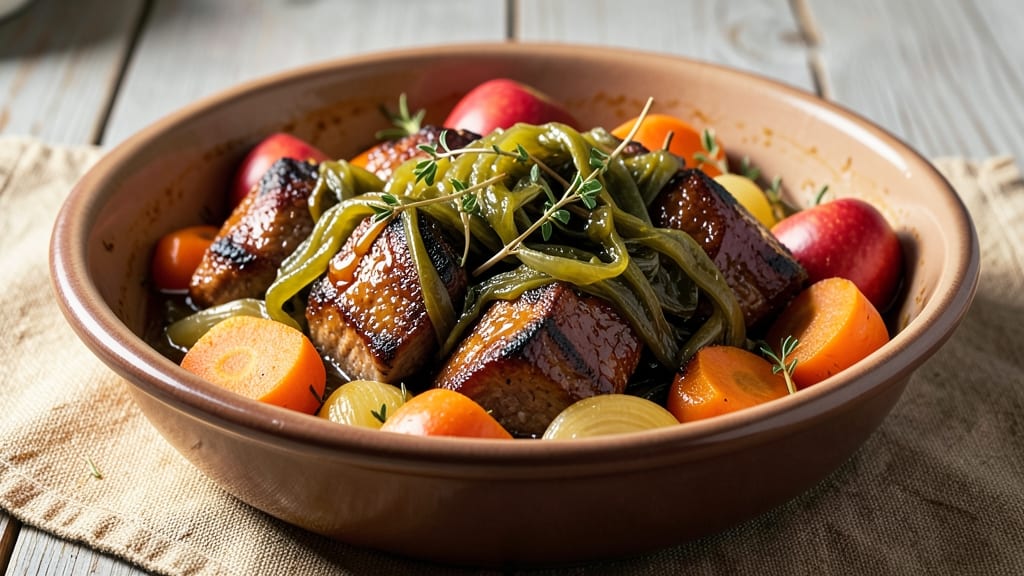
This beef sauerkraut recipe delivers the comforting flavors of classic German cuisine with minimal effort—rich, tangy, and deeply satisfying in every bite. The secret lies in slow-braising tender beef with fermented cabbage until the flavors meld into perfect harmony.
After years of perfecting this dish, I’ve found that the right balance of acidity from the sauerkraut and sweetness from caramelized onions transforms simple ingredients into something extraordinary.
What makes this recipe truly special is its one-pan simplicity, where beef and sauerkraut cook together until the meat is fork-tender and the cabbage is infused with savory depth. A touch of mustard or apples adds a modern twist while keeping the dish rooted in tradition.
The result? A hearty, aromatic meal that feels like a hug on a chilly evening, with minimal cleanup.
By the time you’re done, you’ll have a deeply flavorful stew with melt-in-your-mouth beef, tender sauerkraut, and a sauce rich enough to coat every spoonful. The aroma alone will have everyone gathering at the table, and the leftovers reheat beautifully for days.
This is comfort food at its finest—reliable, satisfying, and impossible to resist.
Serve with crusty bread or roasted potatoes to soak up every last drop of that tangy, savory sauce. Whether you're feeding a family or treating yourself to a cozy meal, this recipe delivers restaurant-quality results with just one pan and a little patience. Let’s get cooking!
Ingredients for beef sauerkraut
The heart of German comfort food—just 15 ingredients for a deeply satisfying one-pan meal.
| Ingredient | Amount | Notes |
|---|---|---|
| Chuck Roast 🥩 | 1 ½ lb | Pre-cut into 1-inch cubes |
| Sauerkraut 🥬 | 2 cups | Drained, rinsed if too acidic |
| Yellow Onions 🧅 | 1 whole | Thinly sliced, caramelized |
| Carrots 🥕 | 2 medium | Fixed to '2 medium', sliced |
| Apples 🍎 | 1 medium | Fixed to '1 medium', peeled, diced |
| Fresh Thyme 🌿 | 2 sprigs | Or 1 tsp dried thyme |
| Garlic Cloves 🧄 | 4 cloves | Minced for depth of flavor |
| Dijon Mustard 🍯 | 1 tbsp | For tangy richness |
| Beef Broth 💧 | 2 cups | Low-sodium preferred |
| Tomato Paste 🍅 | 1 tbsp | For subtle sweetness |
| Dark Brown Sugar 🍚 | 1 tbsp | Balances acidity |
| Bay Leaves 🌿 | 2 whole | Removed before serving |
| Black Peppercorns 🌶️ | 1 tsp | Freshly cracked |
| Kosher Salt 🧂 | 1 ½ tsp | Adjust to taste |
| Extra-Virgin Olive Oil 🫒 | 1 tbsp | For searing beef |
The chuck roast is non-negotiable here—its fat content keeps the meat tender while braising. Costco or Whole Foods often carry pre-cubed chuck, which saves time, but if you're buying a whole roast, ask the butcher to cut it into 1-inch cubes. Sauerkraut quality matters: Reichardt's or Bubbier's brands are my go-tos—they're tangy but not overpowering. For the apples, Honeycrisp or Fuji hold up best during cooking, but any crisp variety works. Thyme? Fresh is ideal, but if you're using dried, half the amount does the trick.
No sauerkraut? Substitute with 2 cups of green cabbage sautéed with 1 tbsp apple cider vinegar and 1 tsp sugar, but you'll lose that fermented depth. Swapping apples for pears works too—just reduce to half a medium pear. The mustard can be skipped if you're sensitive to tang, but I'd recommend Dijon over yellow for that extra complexity. Short on beef broth? Substitute with water plus 1 tsp bouillon powder, but the flavor won't be as rich. Carrots can be baby carrots if that's what's in the fridge—just trim the ends.
This dish tastes even better the next day as the flavors meld. Store in an airtight container in the fridge for up to 5 days, or freeze portions for 3 months. I like to make a double batch—one for dinner and one for lunches. The sauce thickens as it cools, so add a splash of broth when reheating. Serve with crusty bread to soak up every last bit of that savory, tangy goodness.
Why You'll Love This Recipe
- One-Pot Magic: I swear by this recipe because it’s literally one pan, one pot, no fuss. Chuck roast goes in raw, carrots and onions caramelize right alongside the sauerkraut’s tang, and by the time the beef is fork-tender, everything’s melded into a single, glorious mess—no extra dishes to wash. (Yes, even on a Tuesday night.)
- Tangy Sweet Crunch: That sauerkraut isn’t just a side—it’s the star. The sharp, funky bite cuts through the richness of the beef, while the apples add this unexpected sweetness that makes every bite ridiculously good. Honestly, the combo of caramelized onions and crisp-tender carrots? It’s like a hug in a skillet.
- Leftovers That Don’t Suck: This dish actually improves the next day. The flavors deepen, the beef gets even more tender, and I’ve reheated it for sandwiches, tacos, or straight from the pan with crusty bread—no one ever complains. (Between us, my freezer’s full of it because it’s that reliable.)
- Budget-Buster for Crowds: A chuck roast is cheap, sauerkraut lasts forever, and you’re using up veggies before they go bad. I’ve fed six people for under $15, and somehow, there’s always more than enough. Plus, it’s the kind of dish that makes you look like a hero—no one suspects how little effort it took.
Step-by-step instructions for hearty German-style beef sauerkraut
This one-pan wonder delivers deep flavors with minimal effort—rich beef, tangy sauerkraut, and caramelized aromatics all melded together.
Sear the Chuck Roast for Maximum Flavor
Heat a large Dutch oven over medium-high heat until it's hot. Add the 1 tablespoon extra-virgin olive oil and swirl to coat the bottom. Working in batches if needed, add the 1.5 lb chuck roast cut into 1-inch cubes, leaving space between pieces. Let them sear undisturbed for 3-4 minutes until deeply browned on all sides.
This searing step is non-negotiable—it builds a rich, caramelized crust that forms the flavor foundation. Don't crowd the pan or the temperature will drop, preventing proper browning. Once all pieces are golden, transfer them to a plate and set aside.
Build the Aromatic Base with Onions and Carrots
In the same Dutch oven, add the 1 whole yellow onion sliced thin and the 2 medium carrots cut into rounds. Cook over medium heat for 8-10 minutes, stirring occasionally, until the onions soften and begin to caramelize along the edges. You're aiming for a deep golden color here—this sweetness balances the sauerkraut's tang.
Here's the thing—if you see the onions starting to stick, add a splash of water and scrape up those flavorful browned bits from the bottom. This technique, called deglazing, captures all those concentrated flavors that would otherwise burn. The carrots should be tender but still hold their shape.
Add Apples, Garlic, and Sauerkraut for Tangy Depth
Stir in the 1 medium apple peeled and diced, 4 cloves garlic cloves minced, and the 2 cups sauerkraut drained. Cook for another 5 minutes over medium heat until the apples soften slightly and the garlic becomes fragrant. The sauerkraut will release its liquid, which helps create a rich sauce.
This is where the magic happens—the apple's natural sweetness and the sauerkraut's tang create a perfect balance. The garlic should be cooked just until fragrant, not burned. If the mixture looks dry at this point, add 2 tablespoons of beef broth to keep everything moist.
Simmer with Herbs and Seasonings
Return the seared beef to the Dutch oven. Stir in the 1 tablespoon dijon mustard, 1 tablespoon tomato paste, 1 tablespoon dark brown sugar, 2 sprigs fresh thyme, 2 whole bay leaves, 1 teaspoon black peppercorns cracked, and 1.5 teaspoons kosher salt. Pour in the 2 cups beef broth and bring everything to a gentle simmer.
The mustard adds a subtle tang, the tomato paste deepens the color, and the brown sugar helps balance the sauerkraut's acidity. Let the mixture simmer uncovered for 45-50 minutes until the beef is fork-tender and the sauce has thickened slightly. You'll know it's ready when the beef easily pulls apart with a fork and the flavors have melded together beautifully.
Rest and Serve with Crusty Bread
Remove the bay leaves and transfer the beef and sauce to a serving dish. Let it rest for 5-10 minutes before serving—this allows the juices to redistribute throughout the beef, ensuring each bite is moist and flavorful. Garnish with additional fresh thyme if desired.
Serve this hearty dish with crusty bread to soak up the rich sauce. The combination of tender beef, tangy sauerkraut, and sweet apples creates a perfect balance of flavors that's both comforting and satisfying. Leftovers taste even better the next day as the flavors continue to develop.
Pro Tips For Making Beef Sauerkraut
- Sear the Chuck Hard: Chuck roast loves a good crust, and skipping this step means flavorless, dry beef. Hit it with high heat for 3-4 minutes per side until deep brown—yes, even if it’s thick—then back off to simmer. That crust locks in juices and turns the whole dish into something special.
- Drain, Rinse, Repeat: Sauerkraut’s brine is salty, and if you skip rinsing, your dish will taste like a pickle factory. Dump it in a colander, give it a good shake, then rinse under cold water. Pat dry afterward—wet sauerkraut steams instead of caramelizing, and nobody wants sad, watery kraut.
- Slice Apples Thin: Thick apple chunks turn mushy and cloying, while thin slices (about ⅛-inch) melt into the sauce without overpowering. Toss them in a little lemon juice first—keeps them bright and stops them from browning while you prep the rest. Trust me, your taste buds will notice.
- Deglaze with Beer: After browning the onions and carrots, don’t just splash in liquid—deglaze with ½ cup of beer (lager or pale ale works best). It dissolves the fond (those sticky bits) and adds depth without extra effort. If you’re not drinking, use apple cider vinegar, but beer’s the real MVP here.
Troubleshooting this dish
Beef Too Tough?
If your beef ends up tough instead of tender, you likely didn’t cook it long enough or at the right temperature. Chuck roast needs low-and-slow cooking—aim for 200-225°F internal temperature for 2-3 hours total. I use a meat thermometer to check doneness.
If it’s still tough after simmering, return it to the pot with ½ cup extra beef broth and cook another 30 minutes. The key is patience—rushing ruins the texture. 💡
Sauerkraut Too Acidic?
Overly sour sauerkraut can dominate the dish. Rinse it thoroughly under cold water before using, then pat it dry. If it’s still too sharp, balance it with 1 extra tablespoon of brown sugar or ½ cup diced apple (already in the recipe).
For a milder flavor, reduce the amount to 1.5 cups instead of 2. The apples and carrots naturally sweeten the tang, so don’t skip them! 🍎
Sauce Too Thin?
A watery sauce usually means too much liquid was added. If this happens, simmer uncovered for 10-15 extra minutes to reduce it naturally. For an instant fix, mix 1 tablespoon cornstarch with 2 tablespoons cold water, stir it into the sauce, and cook for 2-3 minutes until thickened.
Avoid adding flour directly—it can make the sauce cloudy. 🥄
Onions Burning Too Fast?
Caramelizing onions takes time, but they can scorch if the heat is too high. Reduce the heat to medium-low once they start softening (after 5 minutes). If they brown too quickly, spread them out in a single layer and add 1 tablespoon water to deglaze.
The goal is golden, not blackened—this sweetness is essential for balancing the sauerkraut’s tang. 🧅
Garlic Burning?
Garlic burns faster than you’d think! Cook it for no more than 1-2 minutes after adding it to the pot. If it starts to darken, remove it immediately and set aside. You can stir it back in at the very end for freshness.
For extra flavor without the risk, smash the cloves instead of mincing them—this releases more aroma without burning as quickly. 🧄
Leftovers Too Dry?
Beef sauerkraut reheats best with a splash of liquid. Add 2-3 tablespoons of beef broth or water to the pot and warm over medium heat for 5-7 minutes. Stirring occasionally prevents sticking.
For extra moisture, cover the pot with a lid for the first 3 minutes of reheating. Leftovers taste even better the next day—just adjust seasoning if needed! ❄️
Nutrition facts
Frequently asked questions
Can I use ground beef instead of chuck roast?
Ground beef works in a pinch, but the texture will be different—it won't have the same tender, fork-tender quality. For best results, use 80/20 ground chuck and brown it thoroughly first. The fat content helps create a richer sauce, but expect a slightly denser final dish. For a true one-pan experience, stick with cubed chuck roast.
How do I make this dish less acidic?
Rinse the sauerkraut thoroughly before using to reduce acidity, then balance it with 1 extra tablespoon of brown sugar or ½ cup diced apple. You can also reduce the sauerkraut to 1.5 cups instead of 2. The apples and carrots in the recipe already help neutralize the tang naturally.
What’s the best way to reheat leftovers?
Add 2-3 tablespoons of beef broth to the pot and warm over medium heat for 5-7 minutes, stirring occasionally. Cover with a lid for the first 3 minutes to retain moisture. Leftovers actually taste better the next day as flavors meld! Store in an airtight container for up to 5 days.
Can I make this dish in a slow cooker?
Brown the beef first in a skillet, then transfer everything to the slow cooker. Cook on low for 6-7 hours or high for 3-4 hours. The slow cooker's gentle heat ensures tender beef without monitoring the stove. Just skip the initial searing step if using a non-stick pot.
What sides pair best with beef sauerkraut?
Crusty rye bread or sourdough is perfect for soaking up the sauce. For a heartier meal, serve with roasted potatoes, buttered egg noodles, or a simple green salad with a tangy vinaigrette. The contrast of textures and temperatures makes it even more satisfying.