
Soups & Stews
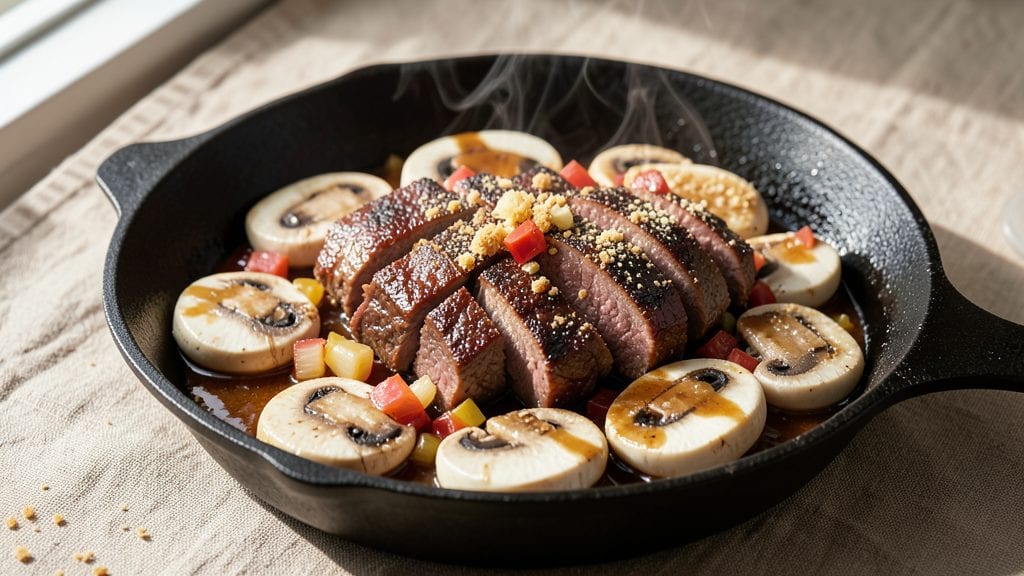
This beef stroganoff recipe delivers the creamy, mushroom-rich comfort of a classic Russian dish with modern simplicity—all in one pan. The secret lies in perfectly seared beef and a velvety sauce that balances tangy sour cream with earthy mushrooms, creating a texture that's rich yet light.
I developed this version after testing countless methods, and it never fails to impress, whether served over egg noodles or creamy mashed potatoes.
The beauty of this recipe is its adaptability—traditionalists can stick to the classic ingredients, while modern cooks can swap in gluten-free noodles or add vegetables like bell peppers for extra color.
The process is straightforward: sear the beef for deep flavor, sauté mushrooms and onions until golden, then build the sauce with a simple roux and sour cream. Every step is designed to maximize flavor while keeping the method accessible for home cooks.
What you'll end up with is a dish that's creamy yet not heavy, with tender beef slices swimming in a sauce that's perfectly balanced between tangy and savory. The mushrooms add an earthy depth that makes this more than just a pasta dish—it's a hearty, satisfying meal that feels restaurant-quality.
The best part? It comes together in under an hour, with minimal cleanup.
Serve it over buttery egg noodles for a classic presentation, or try it with roasted potatoes for a heartier twist. The sauce also reheats beautifully, making it ideal for meal prep. Ready to create this creamy, comforting masterpiece? Let's get started.
Ingredients for beef storganoff
Creamy, earthy, and packed with restaurant-quality flavor—just 14 ingredients for this one-pan masterpiece.
| Ingredient | Amount | Notes |
|---|---|---|
| Beef Chuck Roast 🥩 | 1 ½ lb | Thinly sliced against grain |
| White Mushrooms 🍄 | 1 lb | Sliced into even pieces |
| Yellow Onion 🧅 | 1 whole | Diced finely for even cooking |
| Garlic Cloves 🧄 | 4 cloves | Minced for aromatic depth |
| All-Purpose Flour 🌾 | 2 tbsp | For roux base |
| Unsalted Butter 🧈 | 4 tbsp | For searing and roux |
| Beef Broth 💧 | 1 cup | Low-sodium preferred |
| Sour Cream 🥛 | 1 cup | Full-fat for creaminess |
| Dijon Mustard 🍯 | 1 tbsp | For tangy depth |
| Dry White Wine 🍷 | ½ cup | Substitute with beef broth |
| Egg Noodles 🍝 | 8 oz | Or gluten-free alternative |
| Salt 🧂 | 1 tsp | Kosher or sea salt |
| Black Pepper 🌶️ | ½ tsp | Freshly ground |
| Fresh Parsley 🌿 | ¼ cup | Chopped for garnish |
The beef is non-negotiable for texture. Chuck roast delivers that perfect tender bite, but if you can't find it, sirloin or ribeye work in a pinch—just slice it thinly against the grain. For mushrooms, cremini or shiitake add deeper flavor, but white mushrooms keep it classic. Whole Foods or Trader Joe's often carry pre-sliced mushrooms, saving you chopping time. The onions should be sweet and yellow—Vidalia if you want extra sweetness, but regular yellow works fine. Garlic? Freshly minced is always best, but powdered works if you're in a hurry.
No white wine? Beef broth with a splash of lemon juice mimics the acidity perfectly. The sour cream is where the magic happens—full-fat gives the richest texture, but low-fat works if you're watching calories. For the roux, butter and flour create that velvety base, but you could also use a cornstarch slurry for a lighter option. The Dijon mustard adds a subtle tang that balances the creaminess. If you're feeling adventurous, swap the egg noodles for roasted potatoes or gluten-free pasta—just adjust the cooking time.
This sauce reheats beautifully—3-4 minutes in a skillet on medium heat, stirring occasionally. Store leftovers in an airtight container for 3-4 days in the fridge, or freeze for up to 3 months. The noodles absorb the sauce well, so I like to reheat them separately and toss them in at the end. Garnish with fresh parsley right before serving—it adds a pop of color and freshness that makes the dish look restaurant-worthy.
Why You'll Love This Recipe
- One-Pot Magic: I swear by this recipe when I’m too tired to scrub pots. Brown the beef, toss in the onions and mushrooms, add a splash of broth, and let it simmer—no extra dishes, just rich, saucy perfection waiting for you.
- Deep Umami Bomb: That beef chuck roast? Slow-cooked until tender, then finished with a flour slurry that thickens into a velvety sauce. The mushrooms and garlic caramelize into something dangerously addictive—like a hug in a skillet.
- Leftover Goldmine: Make a double batch and thank me later. This stuff tastes even better the next day—ideal for meal prep lunches or sneaking into tacos when you’re lazy. My freezer’s always stocked with it.
- Budget Hero: A pound of chuck roast stretches across meals, and you’re using pantry basics. No fancy ingredients, just honest, hearty flavor that feeds a crowd without breaking the bank. (Yes, even on a Tuesday night.)
Step-by-step instructions for beef storganoff recipe
This one-pan method delivers rich, creamy beef storganoff with tender mushrooms and perfectly cooked noodles.
Sear the Beef Chuck Roast
Heat 2 tablespoons of the unsalted butter in a large Dutch oven over medium-high heat. Pat the 1.5 lb beef chuck roast dry with paper towels and season both sides generously with 1 teaspoon salt and ½ teaspoon black pepper. Add the beef to the pan in a single layer and sear for 3-4 minutes per side until deeply browned. This creates a flavorful crust that forms the base of your dish.
Remove the beef from the pan and set it aside on a plate. If the pan isn't hot enough to sear the beef properly, you'll end up with steamed meat instead of browned, flavorful pieces. The beef should release easily from the pan when it's ready to flip.
Build the Mushroom and Onion Base
In the same Dutch oven, reduce the heat to medium and add the remaining 2 tablespoons unsalted butter. Add the 1 lb white mushrooms and 1 whole yellow onion, diced finely. Sauté for 5-6 minutes until the mushrooms release their moisture and begin to soften, then turn golden brown. Stir occasionally to prevent sticking.
Add the 4 cloves minced garlic and cook for an additional 30 seconds until fragrant. This step develops the rich, earthy flavors that form the heart of your storganoff. If you notice the mushrooms aren't browning enough, increase the heat slightly and give them another minute to caramelize.
Create the Roux and Deglaze
Sprinkle the 2 tablespoons all-purpose flour evenly over the mushroom mixture. Stir constantly for 1-2 minutes until the flour turns a light golden color and forms a smooth roux. This will help thicken your sauce later. Pour in the ½ cup dry white wine and scrape up any browned bits from the bottom of the pan with a wooden spoon.
Let the wine simmer for 2-3 minutes until it reduces by half. This deglazing step captures all the concentrated flavors from the searing process. If you skip this step, you'll miss out on layers of deep, savory flavor in your final dish.
Simmer with Beef Broth and Mustard
Add the 1 cup beef broth and 1 tablespoon Dijon mustard to the pan. Return the beef to the pot, along with any accumulated juices. Bring the mixture to a gentle simmer and cover partially. Cook for 1 hour to 1 hour 15 minutes on low heat, stirring occasionally, until the beef is fork-tender and easily shreds.
During this time, the flavors will meld together beautifully. You'll know the beef is ready when it pulls apart easily with a fork and the sauce has thickened slightly. If the sauce becomes too thin, uncover the pot and simmer for another 5-10 minutes to reduce it to your desired consistency.
Finish with Creamy Sour Cream and Noodles
Reduce the heat to low and stir in the 1 cup sour cream and 1 cup beef broth. Add the 8 oz egg noodles to the pot and gently stir to coat them in the creamy sauce. Cover and simmer for an additional 5-7 minutes until the noodles are tender and have absorbed the sauce.
Taste and adjust seasoning if needed, adding more salt or pepper as necessary. Garnish with ¼ cup chopped fresh parsley before serving. The result should be a rich, velvety storganoff with perfectly cooked beef and noodles in every bite. Serve immediately while hot.
Pro Tips For Making Beef Storganoff
- Sear the Chuck First: I learned this the hard way—skip the sear, and you’ll end up with tough, gray beef instead of fork-tender slices. Hit that chuck roast with a hot pan and a little oil until it’s deep brown on all sides before you even think about adding onions or mushrooms. The crust locks in flavor and moisture, and it’s the only way to get that restaurant-quality texture.
- Sweat, Don’t Burn: Onions and mushrooms release their water like a faucet left running, and if you crank the heat too high, you’ll end up with bitter, blackened bits instead of a rich, caramelized base. Cook them low and slow—about 8-10 minutes—until they’re soft and the liquid’s mostly evaporated. Sounds boring, but it’s the thing that matters most for that deep, savory flavor.
- Deglaze Aggressively: That browned crust on the beef and pan? That’s flavor gold, and you will regret scraping it out with a lazy spoon. Grab a spoon and scrape every last bit off the bottom while adding the beef broth—it’ll turn into a glossy, rich sauce instead of a thin, sad glaze. (Yes, even if you’re impatient like me.)
- Thicken with Patience: Dumping in flour all at once and stirring like crazy? You’re just making a gluey mess. Mix the flour with a splash of cold water or broth first to make a slurry, then whisk it into the simmering pot gradually. Stirring constantly isn’t optional—it keeps the sauce smooth and prevents lumps. I skip this when I’m lazy, but the dish is noticeably better when I don’t.
Best sauces and condiments for these flavors
Classic Sour Cream Sauce
The heart of this stroganoff is the sour cream sauce, and I’ve found that using full-fat sour cream (like Kroger’s Organic or Trader Joe’s) makes all the difference—it’s rich, velvety, and balances the tang perfectly.
For extra depth, I stir in 1 tablespoon Dijon mustard (like Grey Poupon) while the sauce simmers, which adds a subtle sharpness that cuts through the creaminess.
If you’re worried about the sauce curdling, temper it by mixing the sour cream with a splash of the warm broth before adding it to the pan. 🥛
Dijon Mustard Twist
That 1 tablespoon Dijon mustard isn’t just for flavor—it’s a game-changer. The mustard’s tang mirrors the acidity of the wine and beef broth, creating a bright contrast to the richness.
If you don’t have Dijon, whole-grain mustard works in a pinch, but avoid yellow mustard—it’s too sweet and will throw off the balance. For a smoky kick, add ½ teaspoon smoked paprika when you stir in the mustard. This is where the sauce goes from good to exceptional.
Wine Deglaze Magic
The ½ cup dry white wine (like Sauvignon Blanc or Pinot Grigio) isn’t just for flavor—it’s for deglazing. After searing the beef and sautéing the mushrooms, the wine scrapes up all those browned bits (fond) from the bottom of the pan, which are packed with flavor.
If you’re avoiding alcohol, use ½ cup beef broth + 1 teaspoon lemon juice—it mimics the acidity and depth. Let the wine reduce by half before adding the broth; this concentrates the flavors and thickens the sauce naturally. 🍷
Buttery Roux Foundation
The roux—made with 2 tablespoons butter and 2 tablespoons flour—is the secret to a thick, glossy sauce. Cook it over medium heat until it’s a light golden color (not brown, or it’ll taste bitter).
Stir constantly to prevent lumps, and don’t rush this step—it’s the base that holds everything together. For a gluten-free version, replace the flour with 2 tablespoons cornstarch mixed with 1 tablespoon cold water (a slurry). The roux should coat the back of a spoon when finished. 🧈
Fresh Herbs Finish
No stroganoff is complete without fresh parsley—it adds a bright, herbaceous note that cuts through the richness. I like to chop ¼ cup and sprinkle it over the top right before serving, but you can also stir a tablespoon into the sauce for extra flavor.
For a more complex finish, add 1 teaspoon chopped fresh dill or 1 tablespoon chopped chives along with the parsley. These herbs elevate the dish from comforting to restaurant-worthy.
Creamy Alternatives
If you’re watching calories or prefer a lighter sauce, swap the sour cream for Greek yogurt (like Fage 5%), which adds protein and a tangy brightness. For a dairy-free option, use ½ cup coconut cream (like Thai Kitchen) plus 2 tablespoons nutritional yeast for a cheesy, umami depth.
The texture will be slightly thinner, but the flavor remains rich and satisfying. Adjust seasoning as needed—dairy-free sauces often need a pinch more salt. 🌱
Nutrition facts
Frequently asked questions
What's the best cut of beef for this stroganoff?
Chuck roast is ideal because it stays tender when sliced thinly against the grain. For faster cooking, sirloin or ribeye work well too—just slice them ¼-inch thick and sear for only 2-3 minutes per side to avoid overcooking.
Can I make this stroganoff without wine?
Use ½ cup beef broth + 1 teaspoon lemon juice instead of wine. The acidity mimics the wine's tang, and the broth adds depth. For extra flavor, add ½ teaspoon Worcestershire sauce to the deglazing liquid.
Why did my sauce turn grainy?
This usually happens when the sour cream is added too quickly to hot liquid. Always temper it first by mixing a spoonful with warm broth before stirring it into the pan. Also, avoid overheating—keep the heat on low when adding the sour cream.
What are the best sides for beef stroganoff?
Classic choices include egg noodles or mashed potatoes, but you can also serve it with roasted potatoes, crusty bread, or even cauliflower rice for a lighter option. For a complete meal, add a simple green salad with lemon vinaigrette.
How can I make this gluten-free?
Replace the egg noodles with gluten-free pasta or quinoa. For the sauce, use a cornstarch slurry (2 tbsp cornstarch + 1 tbsp cold water) instead of flour for the roux. The texture will be just as creamy!