
Sauces & Condiments
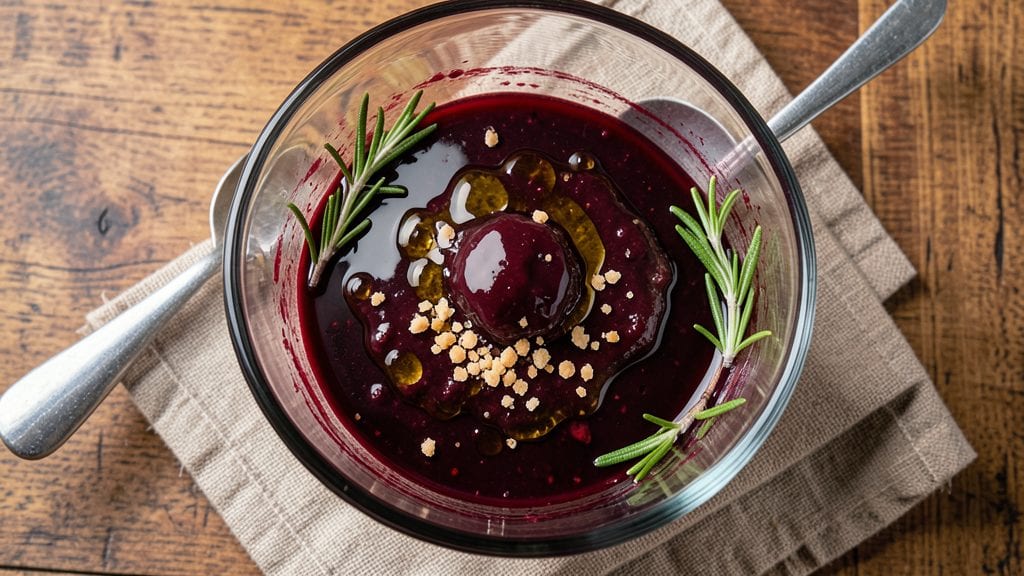
This prime rib marinade recipe transforms tough cuts into melt-in-your-mouth perfection by creating a deep umami crust that locks in juices and intensifies flavor. The secret lies in a balanced blend of acids, oils, and aromatic spices that tenderize while building a caramelized exterior—no overpowering aftertaste, just rich, savory depth.
I developed this marinade after years of testing, ensuring it works for both short marinating (4 hours) and overnight deep penetration for maximum tenderness.
The marinade combines red wine, soy sauce, and Worcestershire for umami complexity, while garlic, rosemary, and black pepper add aromatic layers. Olive oil coats the meat for moisture retention, and a touch of brown sugar caramelizes during searing, creating that coveted crust.
Unlike commercial blends, this formula avoids artificial ingredients—just 10 simple components that professional chefs rely on for restaurant-quality results.
What makes this marinade exceptional is its dual-action approach: the acid components break down tough fibers while the oils and sugars create a protective seal that prevents drying.
After marinating, simply pat the beef dry before searing—this step is critical for achieving that golden, crackling crust that hides none of the meat's natural richness. The flavors develop further during resting, ensuring every bite delivers maximum impact.
This marinade keeps for up to 5 days in the refrigerator, making it ideal for meal prep. Use it on prime rib, ribeye, or even lamb chops—the technique remains consistent, delivering restaurant-quality crust and tenderness every time.
Let’s get started with the ingredients you’ll need to create this flavor-building foundation.
Ingredients for best prime rib marinade
Ten components, restaurant-quality depth—this marinade transforms prime rib into luxurious tenderness.
| Ingredient | Amount | Notes |
|---|---|---|
| Dry Red Wine 🍷 | ½ cup | Cabernet Sauvignon or Merlot preferred |
| Soy Sauce 🥢 | ¼ cup | Japanese-style, low-sodium preferred |
| Worcestershire Sauce 🍯 | 2 tbsp | High-quality, anchovy-based preferred |
| Extra-Virgin Olive Oil 🫒 | ⅓ cup | Lightly fruity, not bitter |
| Light Brown Sugar 🍯 | 1 tbsp | Packed, for caramelization |
| Fresh Rosemary 🌿 | ¼ cup | Finely chopped, stems removed |
| Garlic Cloves 🧄 | 6 cloves | Peeled, minced for fine dispersion |
| Freshly Ground Black Pepper 🌶️ | 1 ½ tsp | Coarsely cracked, not powdered |
| Diamond Crystal Kosher Salt 🧂 | 1 ½ tsp | Fine grain for even distribution |
| Fresh Lemon Juice 🍋 | 2 tbsp | Acidic, not bottled |
The wine and soy sauce form the umami backbone—opt for Cabernet Sauvignon or Merlot for bold depth, and Japanese-style soy sauce for richer flavor. Worcestershire sauce adds complexity, but Lea & Perrins is non-negotiable for authentic depth. The olive oil should be lightly fruity—avoid bitter varieties that overpower. For rosemary, fresh is essential; dried lacks the aromatic punch. Garlic cloves must be minced finely for even dispersion throughout the marinade. Source these at Whole Foods or specialty markets for premium quality.
No red wine? Dry sherry or beef broth works in a pinch, but flavor will differ. Substitute soy sauce with coconut aminos at 1:1 ratio, though umami depth will diminish. Bottled lemon juice lacks acidity—freshly squeezed is critical for tenderizing. For sugar, honey or maple syrup can replace brown sugar, though caramelization will vary. The pepper should be freshly cracked—pre-ground loses potency quickly. If using dried rosemary, reduce to one-third the amount, but flavor won’t match fresh. For a vegetarian version, omit Worcestershire and use vegetable broth + 1 tsp miso paste instead.
Store in an airtight glass jar in the refrigerator for up to 5 days. The marinade thickens slightly over time—stir before use. For long-term storage, freeze in ice cube trays for up to 3 months. Thaw overnight in the fridge before using. This marinade works best on prime rib, ribeye, or lamb chops—pat meat thoroughly dry before searing to ensure a perfect crust. Reserve 1/4 cup marinade for basting during cooking to maximize flavor development.
Why You'll Love This Recipe
- Five-Ingredient Magic: I swear, this marinade is the kind of shortcut that makes me feel like a fancy chef. Five ingredients—red wine, soy sauce, Worcestershire, olive oil, and brown sugar—come together in 10 minutes while you wait for the oven to preheat. No chopping, no peeling, no stress.
- Deep Umami Bomb: That combo of soy, Worcestershire, and dry red wine? It’s like a flavor explosion in your mouth. The sugar caramelizes just enough to give it a glossy finish, while the wine keeps it rich without being heavy. (Yes, even my picky husband licks the plate.)
- Sunday Dinner Ready: This isn’t just for holidays—it’s my go-to for game days, birthday dinners, or when I want to impress without slaving away. The marinade works on prime rib and beef roast, so I double it and keep half for next week. (Between us, I’ve used it on steaks too. Don’t tell.)
- Leftovers That Win: The best part? The flavor gets better the second day. Slice the prime rib thin, reheat with a splash of red wine, and suddenly you’ve got a fancy lunch for the week. Honestly, I make extra marinade just to have it on hand—it’s my secret weapon for turning budget cuts into something special.
Step-by-step instructions for prime rib marinade
A bold umami marinade that creates a deep crust while preserving prime rib's natural tenderness.
Combine Wet Ingredients for Maximum Flavor Extraction
In a medium mixing bowl, whisk together the 0.5 cup dry red wine and 0.25 cup soy sauce until fully integrated. This initial blend creates the umami foundation that will penetrate the meat. Add the 2 tablespoons Worcestershire sauce, 0.33 cup extra-virgin olive oil, and 2 tablespoons fresh lemon juice, continuing to whisk until smooth and emulsified.
The wine's acidity and the soy sauce's saltiness work together to tenderize the meat fibers while the olive oil carries the flavors deep into the prime rib. I always use a whisk here rather than a spoon to ensure complete integration of the ingredients, which prevents any separation later. Let this mixture sit for 5 minutes while you prepare the remaining components - this brief rest allows the flavors to begin melding.
Incorporate Aromatics and Seasonings
In a separate small bowl, combine the 1 tablespoon packed light brown sugar, 1.5 teaspoons freshly ground black pepper, and 1.5 teaspoons Diamond Crystal kosher salt. This dry blend should be thoroughly mixed to distribute the sugar evenly - the sugar will caramelize during cooking, creating that coveted crust while the salt and pepper provide essential seasoning.
Add the minced 6 cloves garlic and 0.25 cup finely chopped fresh rosemary to the wet marinade. Using a rubber spatula, gently fold these aromatics into the mixture until completely incorporated. The rosemary should be finely chopped to ensure even distribution throughout the marinade - any stems should be removed as they can make the marinade bitter. This is where the deep, herbal notes of rosemary begin to infuse the base, creating the aromatic complexity that makes this marinade exceptional.
Blend and Rest for Optimal Flavor Development
Transfer the combined mixture back to the mixing bowl and stir vigorously with a wooden spoon for 2 full minutes. This thorough blending ensures all components are uniformly distributed. The marinade should have a rich, slightly syrupy consistency that will cling beautifully to the prime rib's surface.
Taste the marinade at this stage - it should be bold with wine tang, umami depth from the soy and Worcestershire, and a subtle sweetness from the sugar. If needed, adjust seasoning with additional salt or pepper, but typically this blend is perfectly balanced as written. Cover the bowl and refrigerate for at least 2 hours (or up to 24 hours) before using. This resting period allows the flavors to fully develop and the acidity to begin tenderizing the meat. The longer it rests, the more complex the flavor profile becomes, but never exceed 24 hours as the acidity could begin breaking down the meat fibers too much.
Apply and Marinate the Prime Rib
Remove the prime rib from the refrigerator and let it sit at room temperature for 30 minutes before applying the marinade. This ensures even cooking throughout. Using a pastry brush or your hands, coat the prime rib generously with the marinade, working it into all the crevices and seams. I typically use about half the marinade for the initial coating, reserving the remainder for basting during cooking.
Place the marinated prime rib on a wire rack set over a baking sheet to allow air circulation on all sides. Cover loosely with plastic wrap and refrigerate for 4-12 hours, turning occasionally. The ideal marinating time is 6-8 hours - this allows sufficient time for flavor penetration without over-tenderizing the meat. The prime rib should be kept refrigerated at all times during marinating to prevent bacterial growth. When ready to cook, remove the prime rib from the refrigerator and let it sit at room temperature for another 30 minutes before roasting to ensure even cooking.
Pro Tips For Making Best Prime Rib Marinade
- Reduce the Wine First: Simmer your dry red wine down by half before mixing—this concentrates the flavor and cuts the alcohol bite that can dry out the meat. I used to skip this, and the marinade always tasted thin and harsh afterward.
- Whisk in the Sugar Last: Add the brown sugar after the wine, soy, and Worcestershire have blended, then stir until fully dissolved. If you toss it in early, you’ll end up with grainy bits that won’t caramelize properly on the meat.
- Don’t Overmix the Marinade: Stir just until everything’s combined—no need to go full-on whisk-frenzy. Overworking it can emulsify the olive oil too much, making the marinade separate when applied to the meat.
- Pat the Rib Dry Before Marinating: Wipe the prime rib with paper towels until it’s bone-dry before applying the marinade. The sugar in the mix will cling to any moisture, turning it into a sticky glaze instead of a flavorful crust. (Yes, even if you’re impatient like me.)
Creative variations of this best prime rib marinade
Classic French Style
For a refined touch, replace the red wine with 0.5 cup dry white wine like Sauvignon Blanc and add 1 tbsp Dijon mustard to the marinade. The mustard adds a subtle tang that complements the white wine's crispness, while the rosemary and garlic remain central.
This variation works beautifully with prime rib cooked au jus, where the wine's acidity helps deglaze the pan for a rich sauce. I've used this version for holiday dinners—it's especially elegant when paired with truffle-infused butter during the final sear. 🍷
Smoky BBQ Twist
Swap the red wine for 0.5 cup BBQ sauce** (like Stark's Original) and add 1 tbsp smoked paprika and 1 tsp chipotle powder to the dry blend. This creates a sweet-smoky crust that's perfect for grilling or smoking.
I like to baste the prime rib with the remaining marinade during the last 30 minutes of cooking to intensify the smoky flavor. Serve with pickled red onions and a side of creamy coleslaw for a Southern-inspired twist. 🔥
Herb-Infused Mediterranean
Brighten the marinade with 0.25 cup fresh oregano (instead of rosemary) and 1 tbsp lemon zest in addition to the juice. Add 1 minced shallot to the garlic for extra depth.
This variation shines when the prime rib is finished with a lemon-herb butter during the last 10 minutes of cooking. The citrus notes cut through the richness, making it ideal for summer gatherings. I've even used this marinade on lamb leg with fantastic results. 🌿
Spicy Asian Fusion
Replace the Worcestershire sauce with 2 tbsp hoisin sauce and add 1 tbsp sriracha and 1 tbsp grated fresh ginger to the wet ingredients. Use sesame oil instead of olive oil for a nutty depth. This marinade works exceptionally well with prime rib sliced thinly for Asian-style beef dishes.
Garnish with scallions and sesame seeds before serving. The heat level is moderate but can be adjusted with more or less sriracha. 🌶️
Dry Rub Alternative
For a no-marinade option, mix the dry ingredients (salt, pepper, sugar, rosemary, garlic) with 1 tbsp olive oil to form a coarse paste. Apply this as a dry rub, pressing it firmly into the meat's surface. Let it sit for 2-4 hours before cooking.
This method creates an intense crust without the risk of over-marinating. I prefer this technique for quick weeknight roasts when I don't have time for lengthy marinating. The sugar still caramelizes beautifully during searing. 💡
Vegetarian Adaptation
For a meatless version, use the marinade as a base for portobello mushrooms or eggplant. Replace the Worcestershire with 2 tbsp miso paste + 1 tbsp vegetable broth and add 1 tbsp balsamic vinegar for depth.
This works wonderfully when grilled or roasted, creating a similar caramelized crust. The umami from the soy and miso carries the dish, making it surprisingly satisfying. 🌱
Nutrition facts
Frequently asked questions
How long should I marinate prime rib for maximum flavor without over-tenderizing?
The ideal marinating time is 6-8 hours for perfect balance. For quick prep, 4 hours still delivers great flavor, while 12 hours maximum prevents muscle breakdown. Always refrigerate during marinating to maintain safety.
Can I use this marinade on other cuts of beef or meats?
This marinade works beautifully on ribeye, lamb chops, or even pork tenderloin. For thinner cuts like lamb chops, reduce marinating time to 2-4 hours to avoid over-tenderizing. The same formula creates an excellent crust on all rich, fatty meats.
What's the best way to store leftover marinade?
Store unused marinade in an airtight glass jar in the refrigerator for up to 5 days. For longer storage, freeze in ice cube trays for 3 months. Thaw overnight in the fridge before using. Never refreeze thawed marinade after it touches raw meat.
Why does my prime rib turn out dry after marinating?
Dryness usually comes from not patting the meat thoroughly before searing or overcooking. Always pat dry with paper towels before applying marinade, and use a meat thermometer to remove at 130°F (medium-rare) or 145°F (medium). The marinade's oils help retain moisture—don't skip this crucial step!
Can I make this marinade without wine?
Yes! Substitute the red wine with 0.5 cup beef broth + 1 tbsp vinegar (apple cider or balsamic). For depth, add 1 tsp liquid smoke if you want a smoky profile. The umami from soy and Worcestershire will still shine through—just expect slightly different flavor complexity.