
Main Courses
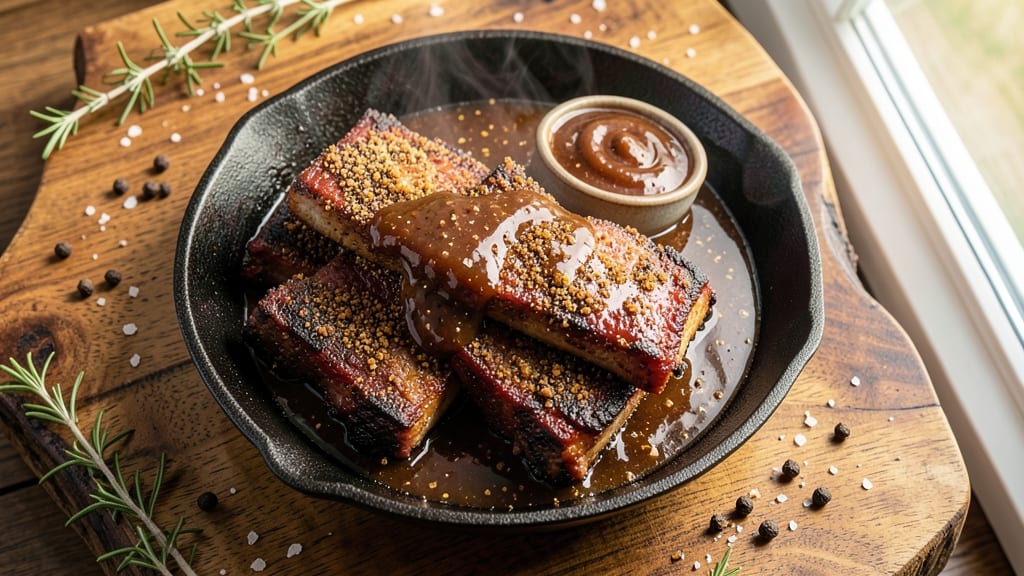
This bison ribs recipe delivers restaurant-quality tenderness with a smoky, spiced crust that's impossible to resist. After years of perfecting slow-cooked techniques, I've developed a method that transforms tough bison meat into melt-in-your-mouth perfection—no shortcuts, just proven results.
The key lies in a precise balance of time, temperature, and traditional seasoning blends that enhance the natural richness of bison.
The process begins with a dry rub of smoked paprika, brown sugar, and garlic powder that creates a flavorful bark while keeping the meat juicy inside. Unlike beef ribs, bison requires careful temperature control—too hot too soon, and you'll dry out these leaner cuts.
My approach uses a combination of oven-braising and indirect grilling to achieve that coveted fall-off-the-bone texture without losing moisture.
By the time you plate these ribs, you'll have achieved a perfect harmony of textures: crispy edges that give way to tender meat that practically dissolves on your tongue. The aroma alone will have everyone gathering at the table, and the first bite delivers on that smoky-spiced promise.
This isn't just dinner—it's an experience that turns weeknights into special occasions.
Serve with classic barbecue sides like creamy coleslaw or roasted sweet potatoes to complete the meal. The recipe scales beautifully for gatherings, and leftovers reheat perfectly for sandwiches the next day.
Let's get started on creating ribs that will have your guests asking for the recipe—and maybe even the secret to your success.
Ingredients for bison ribs
Four pounds of bison ribs, bold spices, and a smoky-sweet glaze transform into melt-in-your-mouth perfection.
| Ingredient | Amount | Notes |
|---|---|---|
| Bison Ribs 🦬 | 4 lb | Bone-in, cut into individual ribs |
| Smoked Paprika 🌶️ | 2 tbsp | High-quality for authentic smokiness |
| Brown Sugar 🍚 | ½ cup | Light or dark, packed |
| Garlic Powder 🧄 | 1 tbsp | Freshly ground preferred |
| Onion Powder 🧅 | 1 tbsp | Finely ground, no salt |
| Ground Black Pepper 🌶️ | 1 tsp | Freshly cracked for best flavor |
| Kosher Salt 🧂 | 1 ½ tbsp | Diamond Crystal preferred |
| Apple Cider Vinegar 🍎 | ¼ cup | For tenderizing marinade |
| Extra-Virgin Olive Oil 🫒 | ¼ cup | High-quality for marinade |
| Yellow Onion 🧅 | 1 whole | Thinly sliced for glaze |
| Garlic Cloves 🧄 | 4 cloves | Minced for glaze |
| Honey 🍯 | ¼ cup | Wildflower preferred |
| Fresh Thyme Leaves 🌿 | ¼ cup | Chopped for finishing |
The bison ribs make all the difference—look for bone-in cuts at specialty butchers or high-end grocery stores like Whole Foods or Costco. These leaner cuts demand respect, so freshness is key: aim for vibrant color and minimal marbling. If you can't find bison ribs, elk ribs work as a backup, but the flavor profile shifts slightly. The smoked paprika should be the star here—Penzeys or McCormick brands deliver that authentic wood-fired taste. For the brown sugar, light brown gives a cleaner finish, while dark brown adds deeper caramel notes. I always double-check the garlic powder isn't pre-mixed with salt—some brands sneak it in, and that can throw off your seasoning balance.
No smoked paprika? Substitute 1 tbsp chili powder plus 1 tsp liquid smoke for a similar effect, though it won't be identical. Running low on apple cider vinegar? White vinegar or balsamic works in a pinch, but the acidity might alter the marinade's tang. The honey can be swapped for maple syrup if you're avoiding processed sugar, though it adds a distinct earthiness. For the glaze, store-bought barbecue sauce (like Stubb's or Sweet Baby Ray's) cuts prep time in half—just add a splash of water to thin it out. Fresh thyme is ideal, but dried thyme at one-third the amount gets you close if you're in a hurry. The olive oil matters here—skip the cheap stuff; California avocado oil is a great alternative if you prefer a neutral base.
Marinate the ribs overnight for best results, but at least 4 hours if you're short on time. Store the dry rub in an airtight container for up to 3 months—it's perfect for brisket or pork chops too. The finished ribs reheat beautifully: wrap in foil and bake at 300°F for 20 minutes to keep them moist. Leftovers keep for 4 days in the fridge or 3 months frozen. I always portion mine into single-serving bags for easy reheating—perfect for game-day snacks or quick lunches. The glaze can be made ahead and reheated gently; just add a splash of water to loosen it up.
Why You'll Love This Recipe
- Five-Ingredient Magic: I swear, this recipe is foolproof—just ribs, paprika, sugar, and two powders. No fancy marinades or hours of prep. Honestly, I’ve made it while waiting for the oven to preheat.
- Sweet-Smoky Bomb: That brown sugar caramelizes into a sticky, glossy crust while the smoked paprika adds depth. Between us, the garlic and onion powders make every bite taste like a campfire in my mouth.
- Tailgate or Tuesday: I’ve served these at football games and lazy weeknights—same recipe, no judgment. They’re hearty enough for a crowd but simple enough to make when it’s just me and a movie.
- Leftovers? Better: The ribs stay tender for days, so I double the batch. Reheat them in the oven with a splash of water, and they taste just as good as day one—my wallet thanks me too.
Step-by-step instructions for smoky-spiced bison ribs
Here's how to transform tough bison ribs into melt-in-your-mouth perfection using this bold spice blend.
Create the Dry Rub and Tenderizing Marinade
In a medium bowl, combine the 2 tbsp smoked paprika, 0.5 cup brown sugar, 1 tbsp garlic powder, 1 tbsp onion powder, 1 tsp ground black pepper, and 1.5 tbsp kosher salt. Mix thoroughly until the spices are evenly distributed and the brown sugar begins to dissolve slightly. This dry rub will form the aromatic crust while the sugar helps caramelize the exterior.
In a separate bowl, whisk together the 0.25 cup apple cider vinegar, 0.25 cup extra-virgin olive oil, and 0.25 cup honey. The acidity of the vinegar will begin tenderizing the meat while the honey adds depth of flavor and helps create a glossy finish. This marinade should have a thick, syrupy consistency—perfect for clinging to the ribs.
Coat and Rest the Bison Ribs
Pat the 4 lb bison ribs dry with paper towels, removing any excess moisture from the surface. This step is crucial—wet surfaces prevent proper browning and crisping of the rub. Generously coat each rib with the dry spice mixture, pressing it firmly into the meat so it adheres well. Then, brush the ribs evenly with the vinegar-honey marinade, ensuring every surface is coated.
Place the coated ribs on a wire rack set over a baking sheet to allow air circulation on all sides. Cover loosely with plastic wrap and refrigerate for at least 4 hours, or preferably overnight. This resting period allows the marinade to penetrate deeply and the rub to form a flavorful crust. The longer it rests, the more tender and flavorful the final result will be.
Sear the Ribs for Maximum Flavor
Preheat your oven to 325°F. Remove the ribs from the refrigerator and let them sit at room temperature for 30 minutes before cooking. This ensures even cooking and prevents the exterior from over-browning while the interior remains undercooked. Place the ribs bone-side down on a baking sheet lined with aluminum foil, leaving space between each rib for proper heat circulation.
Transfer the baking sheet to the preheated oven and bake for 90 minutes. After this initial cook, increase the oven temperature to 425°F and continue baking for an additional 30 minutes. This high-heat finish creates a deep caramelization and enhances the smoky flavors. You'll know it's ready when the ribs pull away from the bones easily and the exterior has a dark, glossy sheen.
Prepare the Glaze and Finish Cooking
While the ribs are baking, finely mince the 4 cloves garlic and thinly slice the 1 whole yellow onion. In a small saucepan, combine these with the 0.25 cup chopped fresh thyme leaves and cook over medium-low heat for 5 minutes, stirring occasionally, until the onions become translucent and the garlic releases its aroma. This aromatic base will elevate the glaze to restaurant-quality.
Remove the ribs from the oven and brush them generously with the onion-thyme mixture. Return the ribs to the oven for an additional 10-15 minutes to allow the glaze to caramelize and form a sticky, flavorful crust. The ribs should be fork-tender with a deep mahogany color and a glossy finish. Let them rest for 10 minutes before serving to allow the juices to redistribute.
Serve with Confidence
Using a sharp boning knife, carefully separate the ribs from the bones, taking care to preserve as much meat as possible. The ribs should pull apart easily, revealing a tender, juicy interior with a beautifully caramelized exterior. Serve immediately with the glaze drizzled over the top for maximum flavor impact.
Each bite should deliver a perfect balance of smoky, sweet, and savory notes, with the meat falling off the bone effortlessly. The combination of the dry rub, tenderizing marinade, and finishing glaze creates a dish that's both impressive and deeply satisfying—ideal for special occasions or weekend feasts.
Pro Tips For Making Bison Ribs
- Trim the Fat First: Bison ribs come with a thick fat cap that can make your sauce greasy or the meat tough if left on. Use kitchen shears to snip off the fat layer before seasoning—it’s faster than a knife and keeps your rub sticking better. (Yes, even if it feels like you’re wasting meat—trust me, the difference is worth it.)
- Brown Sugar Early: Don’t wait until the end to add that brown sugar—sprinkle half of it on raw ribs before the dry rub. The caramelization starts during the initial sear, giving you deeper flavor without burning. I learned this the hard way after my ribs turned bitter from sugar clumping at the end.
- Skip the Crowding: If you’re grilling or baking, resist the urge to stack ribs. Overlapping them traps steam and turns them soggy. Leave at least an inch of space between racks—even if it means two batches. Your ribs will crisp up properly, and you’ll avoid the dreaded "mushy" texture.
- Sauce Last 10 Minutes: Bison ribs cook faster than beef ribs, so don’t smother them in sauce too soon. Brush on a thin layer of sauce only in the final 10 minutes of cooking—this keeps the crust intact and prevents sugar from burning before the meat is done. (Pro move: Use a pastry brush for even coverage.)
Make-ahead tips for bison ribs
Prep Ahead
Start your dry rub and marinade components 2 days ahead—store them separately in airtight containers. The spices and honey mixture keeps for 3 months, while the vinegar-oil blend stays fresh for 1 week.
This lets you prep everything while your ribs marinate overnight, saving 30 minutes of active time later. 📅
Marinate Smart
Bison ribs need at least 4 hours of marinating, but I recommend 8-12 hours for maximum tenderness. Use a ziplock bag for even coating—place ribs in the bag, add marinade, seal tightly, and refrigerate.
The bag prevents spills and ensures every surface gets saturated. Pro tip: Massage the marinade into the meat every 2 hours if prepping ahead. ⏰
Partial Cooking
For game day or large gatherings, partially cook the ribs 1-2 days ahead. After the initial 90-minute bake at 325°F, wrap them tightly in butcher paper and refrigerate.
Reheat by baking at 300°F for 30 minutes, then finish with the glaze. This method preserves moisture and saves 2 hours of active cooking time. ❄️
Glaze Prep
Make the onion-thyme glaze up to 3 days ahead—store it in an airtight container in the fridge. When ready to use, reheat gently in a saucepan over low heat for 5 minutes, stirring occasionally.
Add 1 tsp water if it thickens too much. This shortcut ensures you’re not scrambling last-minute while the ribs finish. 🌶️
Freezer-Friendly
Fully cooked ribs freeze beautifully for 3 months. After resting, wrap them tightly in plastic wrap, then place in a freezer bag with all air removed. To reheat, bake at 300°F for 25-30 minutes, brushing with extra glaze during the last 10 minutes.
The texture stays tender, and flavors remain vibrant—perfect for weeknight leftovers or last-minute parties. ❄️
Game Day Hack
For football Sundays, prep everything the night before: marinate ribs, mix the glaze, and set out serving dishes. On game day, bake at 325°F for 2 hours, then crank the oven to 425°F for 20 minutes to crisp the bark.
Serve with pre-made coleslaw and cornbread muffins for a stress-free spread. Your guests will never know you prepped ahead! 🏈
Nutrition facts
Frequently asked questions
Why do bison ribs need a longer marinating time than beef ribs?
Bison meat is leaner and denser than beef, so it requires extra time—8-12 hours—for the marinade to penetrate deeply and break down connective tissues. The acidity in apple cider vinegar and the sugar in the rub work together to tenderize these tougher cuts. Skipping this step often results in chewy rather than melt-in-your-mouth texture.
Can I cook bison ribs on a grill instead of the oven?
For grill cooking, start with indirect heat at 275°F and wrap the ribs in butcher paper after 2 hours. Then grill bone-side down for 30-45 minutes to caramelize. The key is maintaining low-and-slow heat—bison ribs need patience to avoid drying out. A smoker works even better for that authentic wood-fired flavor.
What's the best way to tell when bison ribs are fully cooked?
Use a meat thermometer to check for 195°F internal temperature—this ensures the collagen has fully broken down for that fall-off-the-bone tenderness. The ribs should also pull away from the bones easily when gently prodded with tongs. If they're still slightly resistant, return them to the oven for 15 more minutes. Never rely on color alone—bison can appear cooked before reaching proper doneness.
How do I adjust this recipe for a larger crowd?
Double or triple the dry rub and marinade proportions, but keep the same ratios. For 8-10 lbs of ribs, increase oven space by using two baking sheets or a large roasting pan. The cooking time remains similar, but you may need to stagger batches if your oven can't handle all the meat at once. Scale the glaze up by 50% to ensure full coverage.
What if my bison ribs turn out too dry?
If your ribs are dry, you likely overcooked them or didn't maintain proper moisture. For future attempts, wrap them in butcher paper after the initial bake (instead of foil) to trap steam while allowing the bark to develop. Also, consider adding 1/4 cup apple juice to the marinade for extra moisture. Bison's lean nature demands careful temperature control—never exceed 325°F for more than 2 hours.