
Main Courses
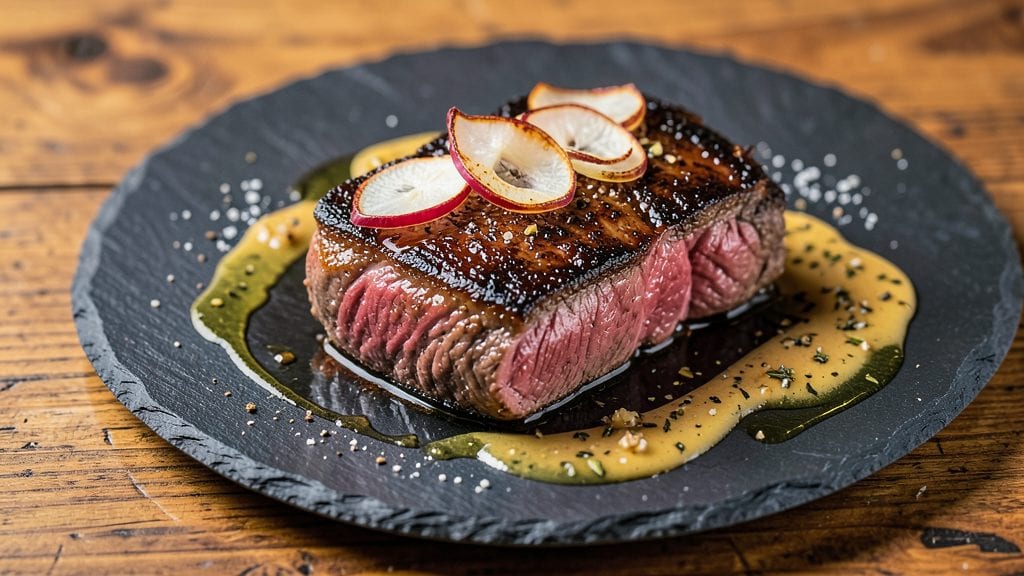
This Black Angus strip steak recipe delivers the perfect balance of buttery crust and tender medium-rare center—exactly what separates a good steak from a showstopper.
After years of perfecting my technique, I’ve cracked the code for achieving that coveted 130–135°F internal temperature while maintaining a caramelized exterior that cracks under pressure. The secret lies in a precise combination of dry-brining, high-heat searing, and a reverse sear that ensures even cooking without overcooking.
What sets this recipe apart is the foolproof method that works every time, whether you're cooking for two or a dinner party crowd.
You’ll need just five key ingredients—high-quality Black Angus strip steak, coarse kosher salt, black pepper, butter, and garlic—along with a cast-iron skillet and a meat thermometer for precision.
The dry-brine step (24 hours ahead) enhances flavor and texture, while the reverse sear guarantees a perfect medium-rare core with a crust so crispy it shatters like glass.
By the time you plate this steak, you’ll have a restaurant-quality cut that’s juicy, flavorful, and visually stunning—golden-brown crust contrasting with a deep red interior. The buttery garlic finish ties everything together, making every bite worth the effort.
Pair it with a bold Cabernet Sauvignon or a smoky whiskey cocktail for the full experience. This is the kind of steak that turns weeknight dinners into memorable occasions.
Ready to elevate your cooking? The instructions walk you through each step—from dry-brining to searing, resting, and plating—so you can achieve perfect results without guesswork. Let’s get started on a steak that will impress even the most discerning palates.
Ingredients for black angus strip steak
Five ingredients. One showstopping steak. This is the lineup for restaurant-quality perfection at home.
| Ingredient | Amount | Notes |
|---|---|---|
| Black Angus Strip Steak 🥩 | 1 ½ lb | Center-cut, 1-1.5 inches thick |
| Coarse Kosher Salt 🧂 | 2 tbsp | Diamond Crystal preferred |
| Freshly Ground Black Pepper 🌶️ | 1 tsp | Cracked peppercorns preferred |
| Unsalted Butter 🧈 | 4 tbsp | Cold, cut into 1-inch cubes |
| Garlic Cloves 🧄 | 6 cloves | Smashed, skin-on |
| Extra-Virgin Olive Oil 🫒 | 1 tbsp | For searing pan |
| Fresh Rosemary 🌿 | 1 sprig | For aroma, optional garnish |
| Fresh Thyme 🌿 | 1 sprig | For aroma, optional garnish |
The steak is non-negotiable here—Black Angus strip steak with that signature marbling is your golden ticket. Costco and Whole Foods carry the best cuts, but check your local butcher shop for center-cut pieces (1-1.5 inches thick). If you're cooking for a crowd, double the quantity—this recipe scales beautifully. The kosher salt? Diamond Crystal is my go-to because it dissolves perfectly, but any coarse salt works. Freshly cracked black pepper makes all the difference—skip the pre-ground stuff. For the garlic, smash the cloves with the side of your knife to release more flavor without burning.
No coarse kosher salt? Morton kosher salt at 1.5 times the amount works in a pinch, but the texture won’t be as perfect. Butter substitutes? Ghee or clarified butter for a richer, higher-smoke-point option. Short on garlic? Double the amount of garlic powder, but fresh is always better. The olive oil matters here—use something with good fruity notes (like California extra-virgin) for the sear. And if you’re feeling fancy, add a pinch of smoked paprika to the butter cubes for extra depth. The herbs? Fresh rosemary and thyme are ideal, but dried at half the amount will work if that’s all you’ve got.
This steak is all about timing—dry-brine 24 hours ahead for maximum flavor penetration. Store the steak uncovered in the fridge during brining, then pat it dry with paper towels right before cooking. The butter cubes? Keep them cold in the freezer until you’re ready to sear. Once cooked, rest the steak 10 minutes on a warm plate—this keeps it juicy. Leftovers? Slice against the grain and reheat gently in a skillet for the best texture. Freezes beautifully for up to 3 months if you want to prep ahead.
Why You'll Love This Recipe
- Here’s what sold me: it’s the same recipe whether I’m feeding my kids picky leftovers or impressing my partner. Slice it thin for sandwiches the next day, or serve it whole for a fancy-ish dinner. The steak handles both without breaking a sweat.
- Two-Ingredient Magic: I swear by this—just salt, pepper, and sear. That’s it. No fancy marinades or hours of prep. The steak’s natural richness shines when you let the crust form right in the pan, and honestly? The butter and garlic at the end turn "dinner" into "wow, I’m a chef."
- Butter-Basted Perfection: Between us, this is where the real magic happens. A pat of butter melting over the steak with crushed garlic? That’s the moment it goes from good to "I’ll have seconds." The edges get caramelized while the inside stays tender—no guesswork, just pure satisfaction.
- Weeknight or Date Night: Here’s what sold me: it’s the same recipe whether I’m feeding my kids picky leftovers or impressing my partner. Slice it thin for sandwiches the next day, or serve it whole for a fancy-ish dinner. The steak handles both without breaking a sweat.
Step-by-step instructions for Black Angus strip steak
Here's how to transform that premium cut into a restaurant-quality masterpiece with a buttery crust and juicy pink center.
Prepare the Steak for Maximum Flavor
Remove the steak from the refrigerator and pat it dry completely with paper towels. I can't stress this enough—moisture is the enemy of a good sear. You're aiming for a bone-dry surface that will grab onto that hot pan and create that coveted crust. Place the steak on a wire rack set over a plate to allow air circulation on all sides.
Generously season both sides with the 2 tablespoons coarse kosher salt and 1 teaspoon freshly ground black pepper. Press the seasoning into the meat so it adheres well. Let the steak sit at room temperature for 30-45 minutes before cooking. This step ensures even cooking and prevents cold spots in the center. While it rests, prepare your mise en place by cutting the 4 tablespoons unsalted butter into 1-inch cubes and smashing the 6 garlic cloves skin-on with the flat side of your knife.
Create the Perfect Searing Pan
Heat a heavy skillet—cast iron works best—over high heat until it's screaming hot. Add the 1 tablespoon extra-virgin olive oil and let it shimmer for 2-3 minutes. The oil should be hot enough that when you toss in a pinch of salt, it sizzles immediately. This high heat is crucial for that initial crust formation.
Add the cubed butter and smashed garlic cloves to the pan. Cook for 30-45 seconds until the butter begins to foam and the garlic releases its aroma. You'll see the butter turn golden and the garlic cloves start to brown slightly at the edges. This butter-garlic mixture will become your steak's luxurious basting sauce. Remove the pan from heat and set it aside for just a moment—it should still be very hot when you add the steak.
Sear to Perfection with Confidence
Place the seasoned steak in the hot pan and let it sear undisturbed for 2-3 minutes on the first side. You'll hear a satisfying sizzle as the meat makes contact with the pan. Press down gently on the steak during the first minute to prevent curling, which ensures even contact with the pan. After 2 minutes, you should see beautiful brown crust forming.
Flip the steak and add the 1 sprig fresh rosemary and 1 sprig fresh thyme to the pan. These herbs will infuse the butter with their aromatic oils. Continue cooking for another 2-3 minutes on the second side, then use tongs to lift the steak and spoon the melted butter-garlic mixture over the top. This basting step is what creates that incredible buttery crust we're after.
Check Temperature for Precision
Use a meat thermometer to check the internal temperature. For medium-rare, you're aiming for 125-130°F. The steak should feel warm to the touch but still have a bit of spring when pressed gently with your finger. If you don't have a thermometer, use the finger test: press your finger firmly on the steak. It should feel like pressing your thumb against your opposite palm—firm but yielding.
Once you reach the perfect temperature, transfer the steak to a warm plate or cutting board. Let it rest for 5-10 minutes before slicing. This resting period allows the juices to redistribute throughout the meat, ensuring each bite is as tender and flavorful as possible. During this time, keep the pan on low heat to prevent the butter from solidifying completely.
Finish with Herb-Infused Butter
Return the pan to medium-low heat and spoon the butter-garlic mixture over the steak one final time. The residual heat will finish melting the butter and create a glossy, flavorful coating. Let the steak rest for the full 5-10 minutes while you prepare to serve.
Slice the steak against the grain into ½-inch thick pieces. The grain runs lengthwise through the steak, so cutting perpendicular to this direction shortens the muscle fibers and makes each bite more tender. Serve immediately with the herb-infused butter spooned over the top and any pan juices drizzled around. Each bite should deliver that perfect combination of crispy crust, buttery richness, and juicy pink center that makes Black Angus strip steak worth every penny.
Pro Tips For Making Black Angus Strip Steak
- Salt the Night Before: I learned this the hard way—dry-brining your Black Angus strip steak overnight with kosher salt (about 1 teaspoon per pound) makes a real difference. The crust forms faster and deeper because the salt penetrates the meat, and you won’t need to season it again before cooking. Just pat it dry right before hitting the pan—wet salt won’t give you that perfect crust.
- Sear with Butter, Not Oil: Skip the neutral oil and use cold unsalted butter (about 2 tablespoons per steak) to start your sear—it won’t smoke as fast and adds insane flavor. Once the butter melts and starts browning, add a smashed garlic clove (peel on) and let it crisp. This isn’t the prettiest method, but it’s the tastiest way to baste the steak while it cooks.
- Watch the Heat, Then Lower: Start your cast-iron screaming hot—you want that first sear to turn the surface dark in 1-2 minutes. Then, drop the heat to medium-low and cook to your desired temp (130°F for rare, 140°F for medium-rare) by flipping once. After burning three batches, I finally figured out: rushing the sear = uneven cooking.
- Rest Under Foil: Give it a solid 5-10 minutes under foil after pulling from the heat—this guarantees juices redistribute instead of pooling on your plate. I know, I know, but trust the process: cutting into it too soon is the fastest way to ruin a perfect steak. Use that time to make garlic butter or toast some crusty bread.
Serving suggestions for leftovers
Classic Steakhouse Plating
For a timeless presentation, slice the steak against the grain into ½-inch thick pieces and arrange them fan-style on a warm plate. Spoon the herb-infused butter over the top and drizzle the pan juices around the plate.
Garnish with a sprig of fresh rosemary and thyme for a restaurant-worthy finish. Serve immediately with a side of crispy garlic mashed potatoes or roasted asparagus to complement the rich flavors. 🥩
Whiskey & Bourbon Pairings
Pair your steak with an aged bourbon like Woodford Reserve or a smoky whiskey such as Ardbeg Uigeadail for a bold, caramelized flavor profile.
For a cocktail twist, mix 2 oz bourbon, ½ oz honey syrup, and a splash of lemon juice over ice—this sweet-spicy contrast enhances the steak’s richness. Avoid overly sweet cocktails that overpower the meat’s natural flavors. 🥃
Wine Pairing Perfection
A bold Cabernet Sauvignon from Napa Valley, like Opus One, stands up to the steak’s buttery crust and medium-rare core. For a lighter option, try a Malbec from Argentina—its dark fruit notes harmonize beautifully.
Avoid high-tannin reds like Syrah, which can clash with the butter. Decant the wine for 30 minutes before serving to soften its edges. 🍷
Gourmet Garnishes
Elevate your plate with crispy shallots (sautéed in butter until golden) or black garlic for a sweet, umami depth. A sprinkle of flaky sea salt (like Maldon) adds a finishing touch that brightens the buttery flavors. Avoid over-garnishing—less is more for a refined presentation. 🌟
Side Dish Synergy
Balance the richness of the steak with creamy polenta or truffle-infused roasted potatoes. For a fresh contrast, serve arugula salad with lemon vinaigrette—its peppery bite cuts through the fat. Avoid heavy sides like mac and cheese, which can overwhelm the delicate crust. 🥗
Family-Style Serving
For gatherings, serve the steak whole on a wooden board with individual plates nearby. Let guests slice their own portions for a communal experience. Pair with garlic bread and roasted Brussels sprouts for a hearty spread. Keep the steak warm in a chafing dish set to 160°F until serving. 👨👩👧👦
Nutrition facts
Frequently asked questions
Can I cook Black Angus strip steak without a meat thermometer?
Yes! Use the finger test for medium-rare: press your finger firmly on the steak. It should feel like pressing your thumb against your opposite palm—firm but yielding. For 125-130°F internal temperature, cook for 3-4 minutes per side in a screaming-hot pan. Overcooking is easy, so err on the side of undercooking and let it rest longer.
How do I fix a steak that's overcooked or dry?
If your steak is overcooked, slice it thinly against the grain and serve with extra butter, garlic, and a splash of beef broth to restore moisture. For a dry crust, try the reverse sear method next time: bake at 250°F until 110°F internal, then sear. This ensures a juicy center with a perfect crust.
What's the best way to store leftover steak?
Slice against the grain, wrap tightly in plastic wrap, then store in an airtight container in the fridge for 3-4 days. For longer storage, freeze portions for up to 3 months. Reheat gently in a skillet with butter and garlic to revive the flavors. Never microwave—it makes the meat tough.
Should I use ribeye instead of strip steak?
Ribeye has more marbling, making it richer and more forgiving for beginners. For strip steak's leaner profile, stick to the reverse sear method and 130-135°F target. If you prefer ribeye, reduce cooking time slightly—it browns faster due to higher fat content.
How do I make this recipe work on a grill?
Preheat your grill to high heat (450°F+) and clean the grates thoroughly. Sear the steak for 2-3 minutes per side, then move to indirect heat to finish cooking to 130°F. Baste with melted butter and garlic while resting. A grill basket helps prevent flare-ups from fat drippings.