
Main Courses
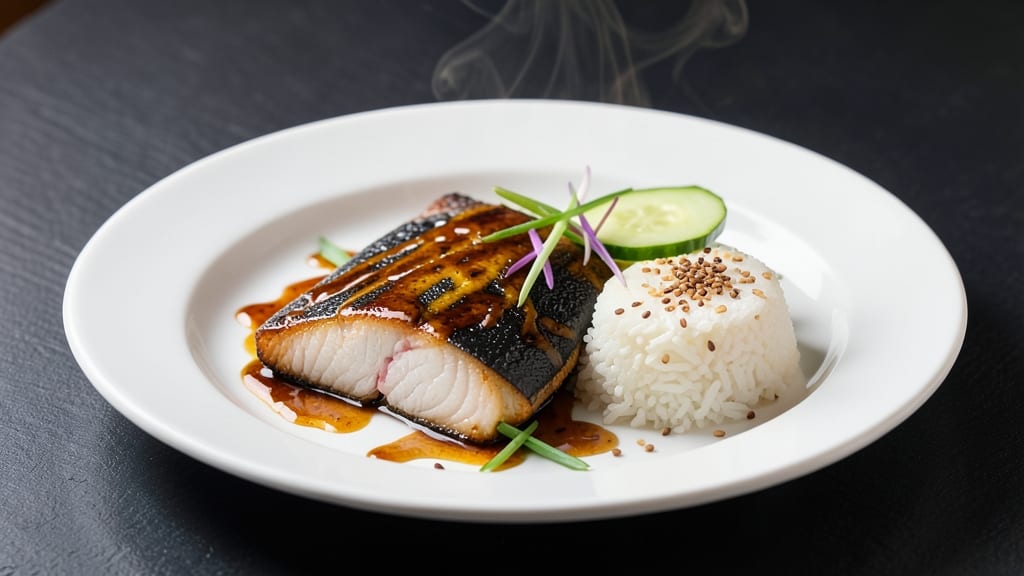
This Nobu-style black cod recipe delivers the restaurant-quality miso-butter glaze you crave at home, with perfectly caramelized edges that shatter into crispy perfection. The secret lies in balancing sweet miso and rich butter, creating a glaze that transforms delicate cod into an elegant centerpiece.
After years of perfecting this technique, I can confidently say this dish will impress even the most discerning guests.
The process begins with searing the cod skin-side down to lock in moisture, then basting with the miso-butter mixture until the edges develop that coveted crispy texture. This isn't just another fish recipe—it's a foolproof method that delivers restaurant-worthy results with minimal effort.
The glaze should be sticky yet controlled, creating a contrast between tender fish and crispy edges that's impossible to resist.
What you'll end up with is a plate that looks as impressive as it tastes: golden-brown cod with glistening caramelized edges, served with traditional accompaniments like wasabi, soy sauce, and steamed rice.
The aroma alone will draw everyone to the table, but the first bite delivers on that promise of crispy perfection. This is the kind of dish that elevates any dinner from ordinary to extraordinary.
Pair it with a simple arugula salad or grilled vegetables to complete the meal. The technique works equally well with other white fish, making it versatile for different occasions. Let's get started on creating this Nobu-worthy centerpiece in your own kitchen.
Ingredients for black cod nobu
Restaurant-quality miso-butter glaze requires precise ingredients balanced for crispy perfection.
| Ingredient | Amount | Notes |
|---|---|---|
| Black Cod Fillets 🐟 | 4 whole | Skin-on, 6-8 oz each, sushi-grade quality |
| Unsalted Butter 🧈 | ½ cup | European-style, 82% fat preferred |
| White Miso Paste 🍶 | ¼ cup | High-quality, smooth texture |
| Mirin 🍶 | ¼ cup | Sweet cooking wine, 14% alcohol |
| Sake 🍶 | ¼ cup | Dry, preferably junmai shochu |
| Soy Sauce 🍶 | 1 tbsp | Japanese-style, reduced if thick |
| Sesame Oil 🫒 | 1 tsp | Toasted, for finishing |
| Granulated Sugar 🍚 | 1 tbsp | Fine grain preferred |
| Fresh Ginger 🧅 | 1 tbsp | Finely grated, aromatic |
| Garlic Cloves 🧄 | 2 cloves | Minced, fresh preferred |
| Diamond Crystal Kosher Salt 🧂 | 1 tsp | For seasoning, not iodized |
| Black Peppercorns 🌶️ | ½ tsp | Freshly cracked, coarse grind |
| Vegetable Oil 🫒 | 2 tbsp | High smoke point for searing |
The cod is non-negotiable—sushi-grade quality with skin intact ensures crispy edges and tender flesh. Source from high-end seafood markets like Whole Foods or specialty Asian grocers where the fish is flash-frozen to preserve texture. Look for fillets with bright red flesh and minimal bruising. If substituting, halibut or yellowtail work equally well, but avoid rockfish due to texture differences. The butter should be European-style (82% fat)—Plugrá or Kerrygold deliver the optimal mouthfeel for caramelization. Miso quality varies dramatically; Miso Master or Marukome brands provide the smooth, sweet profile essential for this glaze.
Mirin and sake can be swapped for dry sherry and honey, though the umami balance shifts slightly. For a lower-alcohol version, use rice vinegar and extra sugar. The sesame oil must be toasted—Kadoya or La Choy brands are widely available. Ginger and garlic should be freshly grated/minced for peak aroma; pre-minced jarred versions lack potency. If you lack white miso, red miso with extra mirin creates a similar depth. The sugar can be omitted entirely for a more traditional Japanese preparation, though it enhances caramelization of the glaze edges. For a vegetarian adaptation, use king oyster mushrooms cut into thick steaks.
Store the miso-butter mixture in an airtight container with a layer of parchment paper pressed against the surface to prevent skin formation; keeps for up to 5 days refrigerated. The cod should be used immediately or flash-frozen for up to 3 months—thaw in the fridge overnight before cooking. Leftover glaze reheats beautifully; simmer gently with a splash of water to restore consistency. For presentation, keep the glaze warm in a low-temperature oven (200°F) while plating to maintain its glossy finish.
Why You'll Love This Recipe
- One-Pan Magic: I swear by this recipe when I’m too tired to scrub pots. Just sear the cod, toss in the butter, miso, and sake—mirin finishes it off—and let the pan do the work. No chopping, no fuss, just melt-in-your-mouth results.
- Umami Bomb: That white miso and sake combo? It’s like a flavor grenade in the best way. The butter keeps the cod silky, while the miso’s deep savoriness cuts through the richness—every bite tastes like a Nobu-worthy secret.
- Date Night Ready: No one needs to know it’s not takeout. The buttery, glossy finish and delicate sweetness from the mirin make it feel fancy, but honestly? I’ve served it to skeptical in-laws, and they’ve never questioned my cooking again.
- Leftovers? Still Gold: The sauce thickens beautifully when reheated, so the next day’s lunch is just as good as dinner. I’ll be real: I’ve eaten cold slices straight from the fridge, and the miso’s richness holds up—no sad, dry fish here.
Step-by-step instructions for black cod Nobu recipe
Master this technique for a restaurant-worthy miso-butter glaze that delivers crispy edges while keeping the fish tender.
Prepare the Miso-Butter Glaze Base
In a medium saucepan, combine the 0.5 cup unsalted butter, 0.25 cup white miso paste, 0.25 cup mirin, 0.25 cup sake, 1 tablespoon soy sauce, and 1 tablespoon granulated sugar. Place over medium heat and whisk continuously until the mixture reaches 190°F on an instant-read thermometer—this ensures the sugar caramelizes properly without burning.
The butter should melt completely and the miso should fully dissolve, creating a smooth, glossy sauce. You'll notice the aroma deepen as the alcohol cooks off, leaving behind a complex umami-sweet profile. Remove from heat and set aside, covered, to maintain heat while you prepare the fish.
Sear the Black Cod for Crispy Skin
Pat the 4 whole black cod fillets dry with paper towels, then season both sides generously with the 1 teaspoon diamond crystal kosher salt and 0.5 teaspoon freshly cracked black peppercorns. Heat the 2 tablespoons vegetable oil in a nonstick skillet over medium-high heat until shimmering.
Place the cod skin-side down and press gently with a fish spatula for 20 seconds to render the skin flat. Cook undisturbed for 2-3 minutes until the skin becomes deep golden brown and crispy. Flip carefully and cook the flesh side for 1 minute until just opaque—overcooking will make the fish dry. Transfer to a plate and tent with foil.
Glaze and Finish the Cod
Return the skillet to medium heat and add the 1 tablespoon finely grated fresh ginger and 2 cloves minced garlic. Sauté for 30 seconds until fragrant. Pour in the prepared miso-butter glaze and stir to combine, scraping up any browned bits from the pan.
Return the cod to the skillet, skin-side up, and spoon the glaze evenly over the top. Cover and cook for 2-3 minutes until the glaze thickens slightly and begins to caramelize. Drizzle with 1 teaspoon toasted sesame oil and serve immediately while the glaze is still glossy and the skin remains crisp.
Rest and Plate for Maximum Impact
Let the cod rest for 1 minute before plating—this allows the juices to redistribute slightly while keeping the skin crisp. Arrange on a warmed platter with the skin-side up, ensuring the caramelized glaze is visible. Garnish with additional sesame seeds if desired.
The finished dish should feature crispy, caramelized skin that contrasts with the tender, buttery flesh beneath. Each bite should deliver layers of umami from the miso, sweetness from the caramelized glaze, and a subtle heat from the sesame oil. Serve immediately with steamed rice or a simple salad to complement the rich flavors.
Pro Tips For Making Black Cod Nobu
- Sear First, Then Simmer: Hit the black cod with a screaming-hot pan for 30 seconds per side before adding the butter-miso mix. I learned this the hard way—skipping the sear leaves you with mushy fish that soaks up sauce like a sponge instead of staying tender but firm.
- Whisk the Butter-Miso: Melt the butter with the miso first, then whisk in mirin and sake until smooth—no lumps. My first few times, I just dumped everything in and ended up with a grainy, unbalanced sauce that tasted more like miso paste than a refined glaze.
- Reduce the Sauce Low: After deglazing, crank the heat to medium-high to evaporate alcohol, then drop to a barely simmer for 3-4 minutes. Rushing this step turns your glossy sauce into a sticky mess, and you’ll be left scraping burnt bits off the bottom.
- Pat Dry, Then Salt: Wipe the black cod fillets thoroughly with paper towels before seasoning—wet skin steams instead of searing. Salt them lightly (½ tsp per fillet) right after drying so they develop a crust, not a sad, limp surface. (Yes, even if you’re impatient like me.)
Best sauces and condiments for this dish
Miso-Butter Glaze
The star of this dish is the miso-butter glaze, where white miso paste and European-style butter create a perfect balance of umami and richness. I recommend using Miso Master brand for its smooth texture and Plugrá butter for optimal caramelization.
The glaze should be sticky yet controlled, with visible caramelized edges when finished. 🔥
To achieve the best results, bring the glaze to 190°F—this temperature ensures the sugar caramelizes without burning. The alcohol from the mirin and sake will cook off, intensifying the umami flavor. Keep the glaze warm in a low-temperature oven (200°F) while plating to maintain its glossy finish.
Sesame Oil Finish
A drizzle of toasted sesame oil at the end adds a nutty depth and subtle heat that complements the buttery glaze. I use Kadoya brand for its authentic toasted flavor. Add it just before serving to preserve its aroma and prevent it from becoming bitter.
A 1 teaspoon is perfect for 4 servings—don’t overdo it, as sesame oil can overpower delicate flavors.
Wasabi and Soy Sauce
For an authentic Nobu experience, serve with Japanese-style wasabi and reduced soy sauce on the side. The wasabi cuts through the richness of the cod, while the soy sauce adds another layer of umami.
I recommend Kikkoman reduced soy sauce for its balanced saltiness. Offer these as condiments so guests can adjust to their preference.
Ginger-Garlic Aioli
For a creamy contrast, prepare a simple ginger-garlic aioli by mixing 3 tablespoons mayonnaise, 1 teaspoon grated ginger, 1 teaspoon minced garlic, and a pinch of salt.
This adds a fresh, tangy element that pairs beautifully with the caramelized cod. Serve on the side or as a garnish for extra flair.
Yuzu Kosho (Optional)
For a citrusy kick, sprinkle yuzu kosho (a Japanese citrus chili blend) over the finished dish. The bright, tangy flavor of yuzu balances the richness of the miso-butter glaze, while the chili adds a gentle heat.
If yuzu kosho is unavailable, a mix of lemon zest and cayenne pepper works in a pinch. Use sparingly—just a pinch per serving is enough to elevate the dish. ✨
Nutrition facts
Frequently asked questions
Can I substitute white miso with red miso in this recipe?
Yes, but you'll need to adjust the balance. Red miso has a stronger, saltier flavor, so use 1/4 cup instead of 1/4 cup white miso and add 1 extra tablespoon of mirin to compensate. The glaze will be deeper in color and more robust in umami.
How do I achieve perfectly crispy skin without drying out the fish?
The key is patience and heat control. Sear the cod skin-side down on medium-high heat for 2-3 minutes undisturbed until golden brown. Press gently with a spatula to render the skin flat, then flip only once for 1 minute on the flesh side. The skin will stay crispy while the center remains tender.
What's the best way to reheat leftover miso-butter glaze?
Gently reheat the glaze in a small saucepan over low heat with 1 tablespoon of water to restore its consistency. Stir constantly until smooth, then adjust the temperature to 190°F before using. Never microwave—it can separate the butter and miso.
Can I make this recipe without sake or mirin?
Yes, but the flavor profile will shift. Replace 1/4 cup sake with 1/4 cup dry white wine or apple juice, and the mirin with 1/4 cup honey mixed with 1 tablespoon rice vinegar. The dish will still be delicious but less complex. For a non-alcoholic version, use extra mirin and a pinch of sugar.
Why does my glaze turn grainy when cooling?
This happens when the butter solidifies too quickly. Keep the glaze warm in a 200°F oven while working, and whisk vigorously when reheating. For best results, make the glaze fresh and use it immediately. If graininess occurs, strain through a fine-mesh sieve before applying.