
Side Dishes
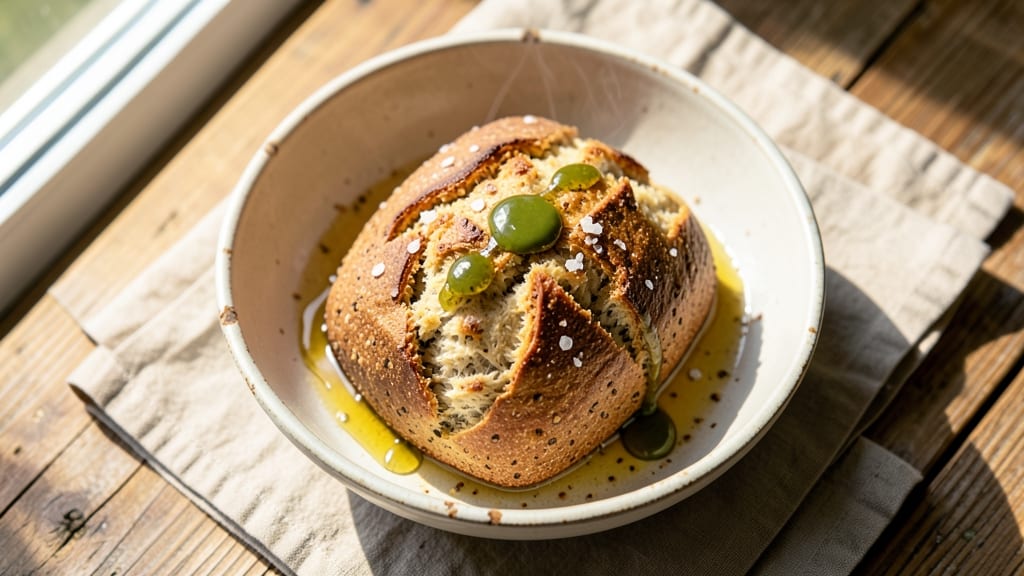
Creating Bob's Red Mill spelt bread at home delivers a rustic crust and nutty sweetness that rivals artisanal bakery loaves—without the fuss. The key lies in spelt flour's unique hydration and flavor profile, which creates a tender crumb with just enough density to hold its shape.
I've perfected this recipe over years of testing, ensuring every slice has that signature rustic appeal while staying foolproof for home bakers.
Spelt flour requires slightly more water than all-purpose flour, which gives this bread its signature moist yet sturdy texture. The dough develops a deep, earthy flavor when proofed properly, with a golden-brown crust that crackles when sliced.
This recipe also incorporates a touch of honey to enhance the bread's natural sweetness, balancing its nutty undertones perfectly.
By the time you pull this loaf from the oven, you'll have a crusty exterior with a tender, open crumb inside—ideal for sandwiches, toast, or serving alongside soups. The spelt flour's higher protein content creates a satisfying chew, while the rustic shape adds visual appeal to any table.
Ready in about 2 hours with minimal hands-on time, this bread is a game-changer for homemade baking.
For added texture, consider mixing in seeds like sunflower or flax, or fold in fresh herbs like rosemary for an aromatic twist. The versatility of spelt flour makes this recipe adaptable while keeping the core rustic charm intact. Let's get started on your perfect loaf!
Ingredients for bob's red mill spelt bread
Spelt flour, honey, and yeast create a rustic loaf with nutty depth and satisfying chew.
| Ingredient | Amount | Notes |
|---|---|---|
| Bob's Red Mill Spelt Flour 🌾 | 4 cups | Unbleached, organic preferred |
| Active Dry Yeast 🍞 | 2 ¼ tsp | Fresh yeast at 1 tsp |
| Warm Water 💧 | 1 ½ cups | 110°F for yeast activation |
| Honey 🍯 | ¼ cup | Wildflower for depth |
| Extra-Virgin Olive Oil 🫒 | ¼ cup | High quality for flavor |
| Sea Salt 🧂 | 1 ½ tsp | Fine grain preferred |
| Sunflower Seeds 🥜 | ¼ cup | Toasted for texture |
| Flaxseeds 🌱 | ¼ cup | Ground for binding |
| Fresh Rosemary 🌿 | 1 tbsp | Chopped, stems removed |
| Cornmeal 🌽 | ¼ cup | For dusting loaf pan |
| Ice Water ❄️ | ½ cup | For final dough adjustment |
Bob's Red Mill spelt flour is the foundation here—organic varieties have richer flavor, but the standard brand works perfectly. Whole Foods bulk section or Amazon are reliable sources for consistent quality. The flour's higher protein content means you'll need slightly more water than with all-purpose flour, which builds that signature dense yet tender crumb. Store your spelt flour in an airtight container to prevent moisture absorption, and always measure by weight for accuracy (4 cups = ~16 oz). Fresh yeast is ideal, but active dry yeast works well when activated properly in warm water (110°F).
No honey? Maple syrup at the same amount works beautifully, though it adds a slightly different depth. Substituting seeds? Pumpkin seeds or sesame seeds both work well at the same quantity. For a gluten-free option, replace 1 cup of spelt flour with a 1:1 gluten-free blend, but expect a slightly denser texture. The rosemary is optional but adds aromatic complexity—dried works at half the amount. If you're short on time, skip the seeds, but don't skip the olive oil; it's what makes this bread truly tender.
This dough requires patience—proof it until it's nearly doubled (1-2 hours at room temperature). For best results, bake immediately after shaping, but you can refrigerate the dough overnight for a slower rise and more developed flavor. The loaf keeps well wrapped at room temperature for 3 days or frozen for 3 months. Slice with a serrated knife for clean cuts. The crust develops best when baked in a preheated Dutch oven for that artisanal look.
Why You'll Love This Recipe
- I’ll be real: I used to dread bread-making. But this recipe? Just mix the spelt flour, yeast, and honey with warm water—no stand mixer, no fuss. The dough comes together in minutes, then rests while you sip coffee. Honestly, it’s the kind of recipe that makes me question why I ever bought store bread.
- No-Knead Magic: I’ll be real: I used to dread bread-making. But this recipe? Just mix the spelt flour, yeast, and honey with warm water—no stand mixer, no fuss. The dough comes together in minutes, then rests while you sip coffee. Honestly, it’s the kind of recipe that makes me question why I ever bought store bread.
- Honey-Olive Oil Luxe: That drizzle of extra-virgin olive oil and touch of honey? It’s the secret weapon. The spelt’s nutty depth pairs perfectly with the sweetness, while the olive oil keeps it moist without tasting heavy. Toast it, and you’ve got a breakfast so good, you’ll forget about bagels. (Yes, even on a Tuesday.)
- Weeknight & Picnic Star: This bread is my go-to for sandwiches, charcuterie boards, or even a quick toast with jam. Between us, it’s the only loaf that doesn’t dry out in my lunchbox by noon. And because it’s budget-friendly, I bake two batches—one for the freezer, one for the table.
Step-by-step instructions for bob's Red Mill spelt bread
Here's the method for crafting artisanal spelt bread with a rustic crust and nutty interior.
Activate the Yeast and Mix the Dough
In a large mixing bowl, combine the 1.5 cups warm water with the 2.25 teaspoons active dry yeast. Let this mixture sit for 5-7 minutes until it becomes frothy at the surface—this confirms the yeast is active. If it doesn't bubble, your yeast may be dead, and you'll need to start over.
Next, add the 4 cups Bob's Red Mill spelt flour, 0.25 cup honey, 0.25 cup extra-virgin olive oil, and 1.5 teaspoons sea salt to the bowl. Using a wooden spoon or dough whisk, stir vigorously for 3-4 minutes until a shaggy dough forms. The dough will be sticky at this stage, which is normal with spelt flour's higher moisture absorption.
Knead and Develop Gluten
Transfer the dough to a lightly floured surface and knead for 8-10 minutes by hand, or use a stand mixer with a dough hook attachment on medium speed for 5-6 minutes. You're looking to develop gluten without overworking the dough—it should become smooth and slightly elastic but still slightly tacky.
During kneading, add the 0.25 cup ground flaxseeds and 0.25 cup toasted sunflower seeds, mixing them in thoroughly. The flaxseeds will provide structure while the sunflower seeds add crunch. Once the dough passes the windowpane test (when you stretch a small piece, it should be thin enough to see light through it), it's ready for the next step.
First Rise and Prepare for Shaping
Lightly oil a large bowl, place the dough inside, and cover it with a damp kitchen towel. Let it rise in a warm place for 1-1.5 hours or until it has nearly doubled in size. Spelt dough rises slower than wheat dough, so be patient—rushing this step results in dense bread.
While the dough rises, preheat your oven to 375°F. Line a 9x5-inch loaf pan with parchment paper and dust it generously with the 0.25 cup cornmeal. This prevents sticking and adds a subtle crunch to the crust. Once the dough has risen, gently deflate it by pressing down with your fingers, then shape it into a loaf and transfer it to the prepared pan.
Second Rise and Bake
Cover the dough again and let it rise for an additional 30-45 minutes until it has expanded noticeably in the pan. The dough should feel springy when pressed lightly with your fingertip—this indicates proper fermentation. While the dough rises, place a baking sheet on the middle rack of your oven and fill it with 1 cup of ice water (this creates steam for a better crust).
Bake the bread for 45-50 minutes until the top is deep golden brown and sounds hollow when tapped on the bottom. If the top browns too quickly, tent the loaf with aluminum foil to prevent over-browning while it continues baking. The internal temperature should reach 190-200°F when measured with an instant-read thermometer.
Cool and Finish
Remove the bread from the oven and let it cool in the pan for 10 minutes, then transfer it to a wire rack. The bread will continue to firm up as it cools, and the crust will develop its characteristic crispness. For added flavor, brush the warm bread with a mixture of the remaining 1 tablespoon chopped fresh rosemary and a touch of extra-virgin olive oil.
Slice the bread when it's completely cool—this ensures clean cuts and prevents a gummy texture. Store any leftovers wrapped in a clean kitchen towel at room temperature for up to 3 days, or freeze for longer storage. The nutty sweetness of the spelt combined with the herbal notes from rosemary makes this bread perfect for sandwiches or enjoying with soups.
Pro Tips For Making Bob'S Red Mill Spelt Bread
- Bloom the Yeast First: Skip mixing yeast directly into flour—it’s lazy and risky. Instead, whisk it with warm water (110°F) and a pinch of honey for 5 minutes until frothy. Spelt flour is dense; fresh yeast needs this head start to avoid a flat, heavy loaf. (Yes, even if you’re impatient like me.)
- Weigh Your Spelt Flour: Scooping spelt flour from the bag packs in air, which means your dough will be drier than the recipe expects. Use a kitchen scale for precision—500 grams is 500 grams, no excuses. Trust me, your crust will thank you.
- Don’t Over-Knead the Dough: Spelt dough is stickier than wheat, and it’s easy to overwork it when it resists. Stop when the dough springs back slowly when poked (about 8–10 minutes by hand). Over-kneading develops too much gluten, making the bread dense instead of light and airy.
- Use a Dutch Oven for Crust: If you don’t have one, improvise with a heavy pot and lid—but don’t skip this step. Spelt bread needs steam to rise properly. Place a metal bowl of boiling water on the oven rack 10 minutes before baking to mimic the effect. (Your future self will notice the difference.)
Wine and beer pairings for these flavors
Crisp White Wine
Spelt bread’s nutty, slightly sweet profile pairs beautifully with dry Riesling or Pinot Grigio from Italy or Germany. The wine’s bright acidity cuts through the bread’s richness while complementing its herbal rosemary notes.
I recommend a 2022 Italian Pinot Grigio—its crisp finish enhances the bread’s crusty texture without overpowering it. 🍷
Herbal Beer
A German Hefeweizen or Belgian Saison brings out the bread’s earthy spelt flavors while adding effervescence. The banana-clove notes in Hefeweizen mirror the honey’s sweetness, while Saison’s peppery spice complements the rosemary. For a lighter option, try a Belgian Witbier—its citrusy coriander notes contrast the bread’s nuttiness beautifully.
Malty Amber Ale
For a bolder pairing, an American Amber Ale with caramel and biscuit notes enhances the bread’s toasted crust and honeyed sweetness. I love New Belgium’s Fat Tire—its balanced maltiness and subtle hop bitterness create a perfect harmony.
The ale’s body also helps cleanse the palate between bites of the dense, chewy crumb.
Light Red Option
If you prefer red wine, a light-bodied Pinot Noir from Oregon or Burgundy works surprisingly well. The wine’s red fruit notes and silky tannins won’t clash with the bread’s herbal and nutty undertones. Avoid heavy Cabernets or Syrahs—their bold tannins can overpower the delicate spelt flavors.
Non-Alcoholic Pairings
For a refreshing non-alcoholic option, try sparkling apple cider—its crisp acidity and subtle sweetness mirror the bread’s honeyed crust. Alternatively, a chilled hibiscus iced tea with a hint of mint adds a bright, floral contrast to the bread’s earthy depth.
Both options keep the meal light and refreshing while highlighting the bread’s natural flavors.
Nutrition facts
Frequently asked questions
Why does spelt bread need more water than regular bread?
Spelt flour absorbs 10-15% more moisture than all-purpose flour due to its higher protein content and unique starch structure. This creates a denser yet tender crumb. The dough will feel stickier during mixing, but resist the urge to add extra flour—it's normal! The extra water helps develop the bread's signature moist texture while maintaining a satisfying chew.
Can I substitute spelt flour with whole wheat flour?
While both are whole grains, they behave differently. Whole wheat flour has a stronger flavor and requires 10-15% less water. For a 1:1 substitution, reduce the water by 0.25 cup and add 0.5 teaspoon extra yeast to compensate for the different gluten development. The resulting bread will be denser and less sweet than spelt, but still delicious. For best results, use 50% spelt and 50% whole wheat flour to balance texture.
What if my spelt bread turns out too dense?
Dense bread usually means underproofing or overworking the dough. For next time, ensure your yeast is active (it should bubble within 5-7 minutes in warm water). Let the dough rise until it nearly doubles in size—spelt dough takes 1-2 hours at room temperature. Also, avoid kneading too long; spelt flour develops gluten differently. If the dough feels too stiff during shaping, add 1 tablespoon water at a time until pliable.
How long should I let the bread cool before slicing?
Always wait until the bread is completely cool to the touch—at least 2 hours at room temperature. This prevents a gummy texture and ensures clean slices. The crust will firm up as it cools, developing that perfect rustic snap. For quick service, slice after 1 hour, but the texture won't be ideal. Store in an airtight container with a cloth towel to maintain freshness longer.
Can I make this bread without a stand mixer?
Spelt dough is perfect for hand-kneading. Work the dough on a lightly floured surface for 8-10 minutes, using the "fold and turn" method: stretch one side of the dough toward the center, then fold it over. Rotate the dough and repeat. The dough should become smooth and slightly elastic. For best results, knead in short bursts to avoid overheating your hands—spelt dough is more sensitive to temperature changes than wheat dough.