
Sauces & Condiments
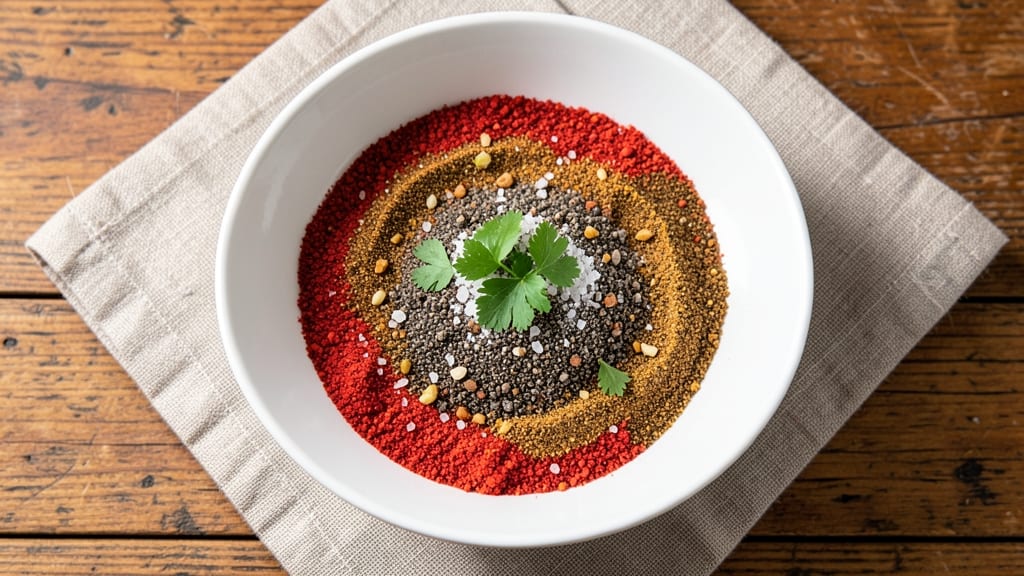
Creating a Buffalo Wild Wings-inspired salt and vinegar seasoning transforms ordinary wings, fries, or even popcorn into a tangy, zesty masterpiece—without the mess of liquid sauces.
This dry blend captures the iconic restaurant flavor with precise measurements of salt, vinegar powder, and aromatic spices, delivering that signature tangy kick in every bite. I developed this recipe after testing countless variations to replicate the exact balance of saltiness and vinegar punch that makes game day wings legendary.
The secret lies in the combination of vinegar powder (for that sharp tang) and garlic powder (for depth), paired with just the right amount of salt to enhance—not overpower—the natural flavors. Unlike store-bought seasonings, this blend uses high-quality spices and vinegar powder to ensure a consistent, restaurant-quality taste every time.
The result? A dry rub that clings perfectly to food, creating a crispy, flavorful crust without the soggy aftermath of liquid sauces.
This seasoning isn’t just for wings—it elevates fries to crispy, tangy perfection, turns popcorn into a savory snack, and even enhances roasted vegetables or grilled meats. The blend is simple to make, requires no cooking, and keeps indefinitely in an airtight container, making it a game-day essential.
Whether you're hosting a Super Bowl party or craving that familiar Buffalo Wild Wings flavor at home, this dry mix delivers the same bold, tangy punch in a foolproof format.
Once mixed, store it in a labeled jar and toss it on wings before baking, sprinkle it over hot fries, or even dust it on pretzels for a unique twist.
The possibilities are endless, and the flavor? Unmistakably game-day ready. Let’s get started on this crowd-pleasing seasoning blend that’s sure to become a staple in your kitchen.
Ingredients for buffalo wild wings salt and vinegar seasoning
Nine spices and powders—this dry blend nails that iconic Buffalo Wild Wings tangy kick without the mess.
| Ingredient | Amount | Notes |
|---|---|---|
| Vinegar Powder 🍶 | 3 tbsp | High-quality, non-iodized preferred |
| Garlic Powder 🧄 | 2 tbsp | Freshly ground for best flavor |
| Onion Powder 🧅 | 1 tbsp | Finely ground, no salt added |
| Paprika 🌶️ | 1 tbsp | Smoked variety for depth |
| Ground Black Pepper 🌶️ | 1 tbsp | Freshly cracked for sharpness |
| Diamond Crystal Kosher Salt 🧂 | 2 tbsp | Fine grain, no additives |
| Ground Mustard 🌿 | ½ tbsp | Yellow mustard powder |
| Cayenne Pepper 🔥 | ¼ tbsp | Adjust for heat preference |
| Dried Thyme 🌿 | ¼ tbsp | For subtle earthy notes |
| Ground Ginger 🌿 | ¼ tbsp | Warmth without overpowering |
The vinegar powder is non-negotiable—it’s what delivers that signature tang. Penzeys or McCormick brands have the best quality, but any non-iodized vinegar powder works. If you can’t find it, substitute 1 tbsp white vinegar powder (though it’s not identical). The garlic powder should be freshly ground—pre-ground loses potency fast. I usually grab mine in the spice aisle at Walmart or Target, but bulk bins at natural food stores are even better for freshness. The smoked paprika adds that subtle depth that makes this blend taste like the real deal—don’t skip it.
No vinegar powder? White vinegar powder works in a pinch, but the flavor won’t be identical. Want more heat? Double the cayenne—just don’t blame me if your wings get too spicy. The ground mustard adds a subtle bite that mimics the sauce’s complexity. If you’re out, dried mustard powder is a 1:1 swap. For the salt, Diamond Crystal kosher is ideal—it dissolves easily and doesn’t clump. Pre-ground spices? Toast them for 30 seconds in a dry pan to wake up their flavors before mixing.
This blend keeps forever if stored properly. Toss it in a small glass jar with a tight seal—it’ll last 6-12 months without losing potency. I like to make a big batch and portion it into small containers for easy game-day access. Once mixed, it’s ready to use immediately—just toss it on wings, fries, or popcorn. The key is to apply it evenly so every bite gets that zesty punch. Freeze extras in ice cube trays if you’re prepping for a big crowd.
Why You'll Love This Recipe
- No Measuring Madness: I just eyeball it—half a teaspoon of vinegar powder, a pinch of paprika, and boom. No scales, no stress, just a quick toss in a bowl. Honestly, my first batch was "good enough" after one try, and that’s all I needed.
- Tangy Kick Without the Mess: That vinegar powder gives it this sharp, bright punch—like a bite of Buffalo Wild Wings but without the sticky sauce. The garlic and onion powders add depth, so it’s not just vinegar; it’s layered vinegar. (Yes, even on a Tuesday night.)
- Game Day Hero: I keep a jar in the pantry for wings, fries, roasted potatoes—anything fried or crispy. It’s my go-to for game day because it turns basic snacks into "we’ll order another round" snacks.
- Pantry Staple Magic: Five ingredients, all cheap and long-lasting. I’ve made three batches already, and the jar still sits there, ready for next week. No wasted money, no wasted time—just pure, repeatable flavor.
Step-by-step instructions for Buffalo wild wings-inspired salt and vinegar seasoning
Here's how to mix up this addictive blend that delivers that signature tangy heat and salty crunch.
Measure and Combine the Dry Ingredients
Start by gathering all your ingredients in a medium-sized bowl. I like to use a whisk or fork to break up any clumps in the vinegar powder—this ensures it distributes evenly throughout the blend. Add the 3 tablespoons of vinegar powder first, then the 2 tablespoons of garlic powder and 1 tablespoon of onion powder. These form the aromatic backbone of the seasoning, so don't skimp.
Next, add the 1 tablespoon of paprika, which brings that signature smoky depth. Sprinkle in the 1 tablespoon of ground black pepper and the 2 tablespoons of diamond crystal kosher salt. The salt is crucial here—it enhances all the other flavors and prevents the vinegar from being too harsh. Give everything a quick stir to mix these base ingredients together before moving to the finer details.
Incorporate the Heat and Mustard
Now it's time to add the heat components. Measure out the 0.5 tablespoon of ground mustard and the 0.25 tablespoon of cayenne pepper. The mustard adds a subtle tanginess that complements the vinegar, while the cayenne delivers that signature kick. I use a small measuring spoon for these to ensure precision—too much cayenne can make the seasoning overwhelming, but too little won't give you that proper Buffalo-style heat.
Add both ingredients to the bowl and stir thoroughly. Here's where you can adjust the heat to your preference. If you're sensitive to spice, you might want to reduce the cayenne slightly, but for an authentic Buffalo flavor, keep it as is. The mustard will help balance the heat while adding that familiar tangy punch you'd expect from this seasoning.
Add the Finishing Touches
For the final elements, add the 0.25 tablespoon of dried thyme and the 0.25 tablespoon of ground ginger. The thyme brings an earthy, slightly floral note that rounds out the blend, while the ginger adds a warm, subtle complexity. These ingredients might seem small in quantity, but they play crucial roles in creating the full flavor profile.
Give everything one final stir to ensure all the ingredients are evenly distributed. At this point, you should be able to smell that perfect combination of tangy, spicy, and savory notes. The seasoning should look like a fine, uniform powder with no visible clumps. If you notice any, give it another quick mix with a fork or whisk.
Store for Maximum Freshness
Transfer the completed seasoning to an airtight container. I prefer glass jars with tight-sealing lids for storage, as they help preserve the flavors better than plastic. Store it in a cool, dark place—like your pantry—where it'll stay fresh for up to 6 months. If you notice any loss of aroma or if it starts clumping, it's time to make a fresh batch.
This seasoning is incredibly versatile. Use it on wings, fries, or even as a finishing salt for meats and vegetables. For best results, apply it liberally right before serving to maximize that fresh, tangy kick. The blend will intensify slightly as it sits, so don't be afraid to go a little heavy-handed with it—just like the pros at Buffalo Wild Wings!
Pro Tips For Making Buffalo Wild Wings Salt And Vinegar Seasoning
- SIFT THE DRY MIX: Vinegar powder clumps like a grumpy old chef—don’t let it ruin your seasoning. Sift it with the other powders before measuring, especially if you’re using store-bought vinegar powder that’s been sitting in your pantry for months. I learned this the hard way when my first batch turned out lumpy and uneven.
- TOAST THE SPICES: Heat your dry spices—paprika, garlic powder, onion powder—in a dry pan for 30 seconds before mixing. It deepens their flavors and cuts through the sharpness of the vinegar powder, giving you that restaurant-quality balance. (Yes, even if you’re impatient like me.)
- MEASURE VINEGAR POWDER WET: Vinegar powder absorbs moisture like a sponge—weigh it after sprinkling it into your wet ingredients, not before. Spooning it dry gives you a false sense of volume, and suddenly your seasoning tastes weak. Trust the scale or the "dip-and-level" method for accuracy.
- WHISK IN THE PEPPER LAST: Add the ground black pepper just before tossing the wings (or whatever you’re seasoning) to keep it from turning into dust. I used to mix everything at once, and my seasoning would clump into useless gritty chunks. A quick whisk right before application saves the day.
Regional styles of this recipe
Buffalo-Inspired Tang
This seasoning blend captures the essence of Buffalo Wild Wings' signature tangy kick, but with a regional twist inspired by the restaurant's original New York roots. The vinegar powder (3 tbsp) is the star—it delivers that sharp, acidic punch that defines Buffalo wings.
I find that using Penzeys brand vinegar powder gives the most authentic flavor, but any high-quality non-iodized version works. The garlic powder (2 tbsp) and onion powder (1 tbsp) create that savory depth that balances the acidity, just like the original recipe intended. 🍶
Southern Heat Boost
For a Southern-inspired variation, I like to increase the cayenne pepper to 0.5 tbsp (double the original amount) and add 0.25 tbsp of smoked paprika for extra smokiness. This version works perfectly on fried chicken or collard greens, giving them that signature Buffalo heat with a Southern BBQ twist.
The extra cayenne makes it ideal for those who love their heat—just be prepared for some serious spice! 🌶️
Midwest Game-Day Crunch
The Midwest loves its game-day snacks, so this version keeps the classic tang but adds a crispy texture. Toss 1 tbsp of cornstarch into the blend before mixing, then use it on fries or popcorn for a crunchy, tangy coating.
The cornstarch helps create that satisfying crunch that Midwestern crowds go wild for during football season. It’s a simple swap that makes this seasoning even more versatile for tailgating and parties. ✨
Pacific Northwest Fresh Twist
Out west, they love their fresh herbs and lighter flavors, so I swap the dried thyme for 0.25 tbsp of dried rosemary and reduce the cayenne to 0.125 tbsp.
This version pairs perfectly with grilled salmon or roasted Brussels sprouts, giving them a bright, tangy kick without overpowering the natural flavors. The rosemary adds a piney freshness that complements the Pacific Northwest’s love of outdoor cooking. 🌿
Texas BBQ Fusion
For a Texas-style mashup, I blend this seasoning with 1 tbsp of chili powder and 0.5 tbsp of ground cumin before using it on smoked brisket or ribs. The result is a tangy, spicy rub that adds a unique twist to traditional Texas BBQ.
This fusion works especially well on pulled pork sandwiches, where the tangy kick cuts through the richness of the meat. It’s a crowd-pleaser that brings Buffalo flavors to the Lone Star State. 🔥
Coastal California Crunch
On the West Coast, they love their crispy, light snacks, so I recommend using this seasoning on avocado slices or seaweed snacks for a tangy, savory bite. The vinegar powder’s sharpness pairs perfectly with the creamy avocado, while the spices add a fun contrast to the delicate seaweed.
It’s a refreshing twist that keeps the iconic Buffalo flavor but makes it perfect for California’s love of fresh, light bites. 🌊
Nutrition facts
Frequently asked questions
Can I use white vinegar powder instead of regular vinegar powder?
Yes, but with a caveat—white vinegar powder won't replicate the exact tang of traditional vinegar powder. For the closest flavor, use 3 tablespoons of white vinegar powder (like McCormick), but expect a slightly milder result. The real game-changer is Penzeys brand vinegar powder, which delivers the authentic sharpness Buffalo Wild Wings fans crave.
How much seasoning should I use on wings?
Start with 1-2 teaspoons per pound of wings before baking. For extra crispy, tangy wings, toss them generously right after cooking. The blend clings perfectly, so there's no need to worry about soggy wings. Pro tip: Apply it twice—once before baking and once after—for maximum flavor impact.
Can I make this seasoning spicier or milder?
For more heat, double the cayenne pepper (0.5 tbsp). For a milder version, reduce it to 0.125 tbsp or omit it entirely. The mustard powder also adds subtle heat—adjust it in 0.125 tbsp increments to fine-tune the tang. Always taste as you go!
Why does my seasoning clump?
Clumping happens when moisture gets trapped in the blend. Store it in an airtight glass jar in a cool, dry place (like your pantry) to prevent this. If clumps form, break them up with a fork or whisk before using. For extra insurance, add 1 teaspoon of cornstarch to the mix to absorb any moisture.
What are the best foods to use this seasoning on?
Beyond wings, this seasoning shines on fries, popcorn, pretzels, roasted veggies, and even grilled meats. For a fun twist, sprinkle it on avocado slices or seaweed snacks for a tangy crunch. The key is to apply it liberally right before serving to keep the flavors fresh and vibrant.