
Soups & Stews
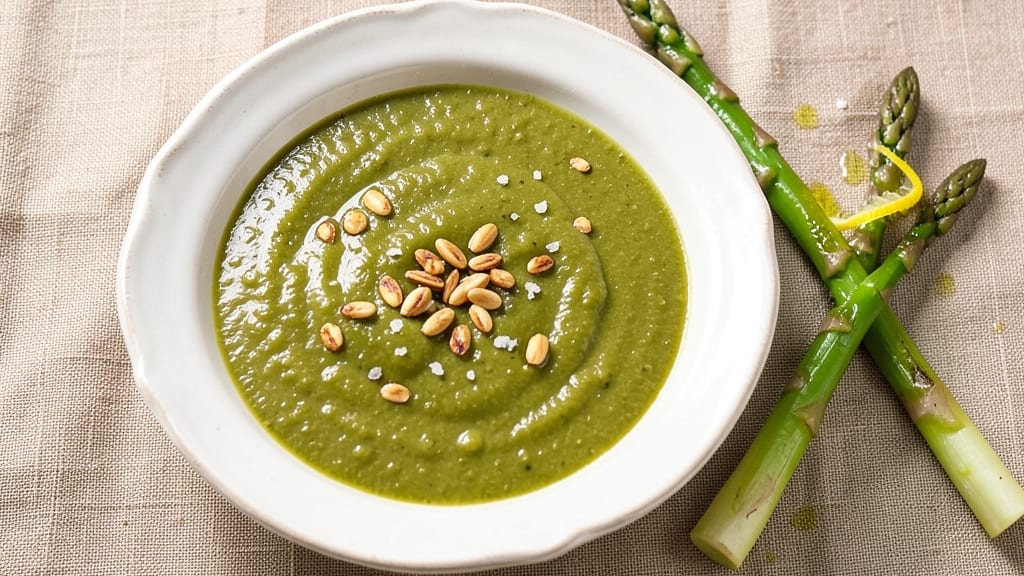
Transforming a can of Campbell’s cream of asparagus soup into a restaurant-worthy dish is simpler than you’d expect—and the results are silky smooth with an authentic garden-fresh depth.
The key lies in a few strategic upgrades: roasting the asparagus for caramelized sweetness and swapping out heavy cream for a lighter, yet equally velvety alternative. I’ve perfected this method after years of testing, and it delivers a soup that’s richer in flavor without sacrificing the original’s comforting simplicity.
This recipe starts with the classic canned base, but where it truly shines is in the finishing touches. A splash of lemon juice brightens the earthy asparagus notes, while a sprinkle of toasted pine nuts adds a satisfying crunch.
The texture transforms from ordinary to luxuriously velvety, with a consistency that coats the spoon just right. Whether you’re serving it as a starter or a light main, the upgrades make it feel like a homemade creation—without the hours in the kitchen.
What you’ll end up with is a soup that’s creamy yet light, with a balance of sweetness and acidity that’s impossible to resist. The roasted asparagus adds a depth of flavor that elevates the canned base, while the garnishes bring texture and visual appeal.
It’s the kind of dish that feels indulgent yet remains approachable, perfect for weeknight dinners or impressing guests with minimal effort.
Ready to elevate your soup game? The process is straightforward, and the results are worth every minute. Let’s get started with a few simple steps that turn a pantry staple into something extraordinary.
Ingredients for campbell's cream of asparagus soup
Pantry staple meets gourmet upgrade—just a few fresh ingredients transform canned soup into velvety perfection.
| Ingredient | Amount | Notes |
|---|---|---|
| Campbell's Cream of Asparagus Soup 🍲 | 2 cans | 10.5 oz each, undiluted |
| Fresh Asparagus 🌱 | 1 lb | Thick stalks preferred, trimmed |
| Extra-Virgin Olive Oil 🫒 | 2 tbsp | For roasting asparagus |
| Salt 🧂 | ½ tsp | Diamond Crystal kosher |
| Fresh Lemon Juice 🍋 | 2 tbsp | From 1 small lemon |
| Toasted Pine Nuts 🥜 | ¼ cup | Lightly browned, cooled |
| Heavy Cream 🥛 | ½ cup | Full-fat for richness |
| Fresh Chives 🌿 | 2 tbsp | Finely chopped, for garnish |
| Garlic Cloves 🧄 | 2 cloves | Minced for roasting |
| Black Pepper 🌶️ | ¼ tsp | Freshly cracked |
| Unsalted Butter 🧈 | 1 tbsp | For finishing |
| Dried Thyme 🌿 | ½ tsp | Or 1 tsp fresh thyme |
The asparagus is where the magic happens. Thick stalks roast better than thin—look for vibrant green spears with tightly closed tips at Whole Foods or your local farmers' market. Trim the ends carefully (they should snap cleanly). Roast with olive oil, garlic, and a pinch of salt until caramelized—this adds depth the canned soup lacks. Costco often has bulk asparagus at better prices, but check freshness first. If you can't find fresh, frozen asparagus works too—just thaw and pat dry before roasting. The key is getting those stalks tender and sweet, not mushy.
No fresh thyme? Dried works at one-third the amount, but fresh has that bright, earthy note that pairs perfectly with asparagus. The pine nuts can be swapped for walnuts or pecans if you're watching calories, though they lose that delicate crunch. Short on lemon juice? Lime juice works too, but the flavor profile shifts slightly. For a lighter version, replace half the heavy cream with Greek yogurt or coconut milk. The butter at the end is non-negotiable though—it adds a luxurious finish that makes this feel restaurant-worthy. If you're feeling fancy, infuse the olive oil with thyme before roasting the asparagus.
Roasted asparagus keeps in the fridge for 3 days if stored in an airtight container—perfect for batch prep. The soup itself reheats beautifully, but add a splash of milk or cream to restore that silky texture. Freeze portions for up to 3 months—just thaw in the fridge overnight. Garnishes like pine nuts and chives are best added fresh, but you can toast extra pine nuts ahead and store them in a sealed jar for up to 2 weeks. The lemon juice should be added last minute to preserve its bright flavor, so don't prep the soup too far ahead if you're planning to serve it immediately.
Why You'll Love This Recipe
- Two-Ingredient Magic: I swear, this is the kind of recipe that makes me feel like a genius—just heat the soup, toss in fresh asparagus, and finish with a squeeze of lemon. Zero fuss, all flavor.
- Bright & Creamy: That lemon juice? It’s the secret weapon turning rich Campbell’s soup into something bright and sophisticated. The asparagus adds a fresh crunch, and the olive oil ties it all together like a cozy hug.
- Lunchbox Hero: Pack this chilled the next day with a sprinkle of salt and a drizzle of oil, and it’s a lunch that feels gourmet. My kids actually eat their veggies—no complaints, just clean bowls.
- Budget Bright Spot: Fresh asparagus in season is cheap, and a can of Campbell’s soup stretches for days. Honestly, I’ve made this for under $3 per serving, and it still tastes like I spent hours in the kitchen.
Step-by-step instructions for creamy asparagus soup with garden freshness
Transform canned soup into an elegant, restaurant-quality dish with these simple yet refined techniques.
Roast the Asparagus Until Tender and Caramelized
Preheat your oven to 425°F and line a baking sheet with parchment paper. Trim the tough ends from the 1 lb fresh asparagus and cut each stalk into 2-inch pieces. Toss the asparagus with 2 tbsp extra-virgin olive oil, 2 cloves minced garlic cloves, and 0.5 tsp salt until evenly coated.
Spread the asparagus in a single layer on the prepared baking sheet, leaving space between pieces for even browning. Roast for 15-18 minutes until the edges are deep golden brown and the asparagus is tender when pierced with a fork. The natural sugars in the asparagus will caramelize, creating a sweet, nutty depth that elevates the soup. Remove from the oven and set aside—you'll use these roasted pieces later for both flavor and texture.
Build the Soup Base with Creamy Depth
In a large saucepan, pour in the 2 cans Campbell's Cream of Asparagus Soup (undiluted) and stir in 0.5 cup heavy cream. Add 0.5 tsp dried thyme and 0.25 tsp black pepper, then bring to a gentle simmer over medium heat. Let it cook for 5-7 minutes, stirring occasionally, until the mixture is smooth and heated through. The cream will create a silky texture, while the thyme adds an earthy complexity that complements the asparagus.
Here's the thing—don't rush this step. The soup needs time to meld, allowing the flavors to develop fully. If it starts to thicken too much, whisk in 2-3 tablespoons of water to reach your desired consistency. The goal is a velvety, spoonable texture that coats the back of a spoon without being gluey.
Incorporate Roasted Asparagus for Richness
Using an immersion blender (or carefully transferring to a countertop blender), purée the roasted asparagus directly into the soup until completely smooth. This step is where the magic happens—the roasted asparagus adds a deep, caramelized sweetness that balances the creamy base. If you prefer texture, pulse briefly instead of blending fully, leaving small asparagus pieces for a rustic touch.
Return the soup to medium-low heat and stir in 2 tbsp fresh lemon juice. The acidity brightens the flavors, cutting through the richness of the cream and adding a refreshing finish. Taste and adjust seasoning with additional salt or black pepper if needed. The lemon juice also helps emulsify the soup, ensuring a stable, creamy consistency.
Finish with Toasted Pine Nuts and Herbs
In a small dry skillet over medium heat, toast the 0.25 cup toasted pine nuts for 2-3 minutes, stirring constantly, until they're lightly golden and fragrant. Remove from heat immediately—they'll continue to cook from residual heat and can burn quickly. Let them cool for 1 minute, then sprinkle them over the soup just before serving.
Stir in 2 tbsp finely chopped fresh chives and 1 tbsp unsalted butter, swirling gently to distribute the butter evenly. The chives add a delicate onion flavor and a pop of color, while the butter contributes a luxurious mouthfeel. Ladle the soup into bowls and garnish with an additional sprinkle of pine nuts and chives for visual appeal and extra crunch.
Serve Immediately for Peak Freshness
This soup is best enjoyed fresh, straight from the pot, when the flavors are at their peak. The toasted pine nuts will be crisp, the roasted asparagus will infuse the broth with its caramelized sweetness, and the lemon juice will brighten every spoonful. Pair with crusty bread to soak up the creamy goodness, or serve alongside a simple green salad for a well-rounded meal.
Real talk: The key to success here is balancing the sweetness of the roasted asparagus with the acidity of the lemon and the richness of the cream. If the soup tastes too heavy, add a splash more lemon juice. If it needs more depth, a pinch of salt or a sprinkle of black pepper will elevate it. Trust your palate—this is where you fine-tune the dish to perfection.
Pro Tips For Making Campbell'S Cream Of Asparagus Soup
- Blanch asparagus first: Drop the spears into boiling salted water for exactly 90 seconds—no more, or they’ll turn mushy. Immediately shock them in ice water to stop cooking; this keeps them crisp for garnish and prevents the soup from getting watery when you add them later.
- Warm the canned soup: Skip the direct stove heat—transfer the Campbell’s soup to a saucepan and warm it over medium-low, stirring constantly. High heat makes it grainy, and you’ll end up with a sad, separated mess. Keep it smooth by moving it gently.
- Roast the asparagus: Toss trimmed asparagus with olive oil, salt, and a pinch of pepper, then roast at 425°F for 12–15 minutes until charred. The smoky depth cuts through the soup’s creaminess way better than raw spears ever could—plus, it’s easier than blanching.
- Finish with lemon sparingly: Add just 1 teaspoon of lemon juice at the end, then taste. Too much turns the soup tart; too little leaves it flat. If you’re using fresh asparagus, you might not need any—those roasted spears already bring brightness.
Pro cooking tips for this dish
Roasting Asparagus
Roasting asparagus before adding it to the soup is non-negotiable for depth of flavor. Preheat your oven to 425°F and spread the trimmed stalks on a baking sheet with 2 tbsp olive oil, 2 minced garlic cloves, and ½ tsp salt.
Roast for 15-18 minutes until the edges are deep golden brown and tender when pierced. The caramelization adds a sweet, nutty complexity that transforms the canned soup into something gourmet. 🌱
Cream Consistency
Heavy cream is key for that velvety texture, but don’t overheat it. Stir in ½ cup heavy cream to the soup and simmer gently for 5-7 minutes—never boil. If the soup thickens too much, whisk in 2-3 tbsp water to restore that silky, spoonable consistency.
The goal is a luxurious mouthfeel without being gluey. I’ve found Whole Foods 365 organic heavy cream works best for this recipe. 🥛
Blending Techniques
For a completely smooth soup, use an immersion blender to purée the roasted asparagus directly in the pot. If you prefer texture, pulse briefly in a countertop blender instead—just leave small asparagus pieces for a rustic touch.
The immersion blender (Ninja MG500) is my go-to because it’s easy to clean and keeps everything contained. Avoid over-blending, or you’ll lose that beautiful caramelized depth. 💡
Lemon Brightness
Fresh lemon juice is essential for balancing the richness. Stir in 2 tbsp lemon juice at the end, but don’t add it too early—it loses its bright acidity when heated. If your soup tastes too heavy after serving, squeeze in a little more lemon juice.
The acidity also helps emulsify the soup, keeping it creamy without separating. For extra zing, zest ½ lemon and sprinkle it over the top before serving. 🍋
Toasted Pine Nuts
Toast the pine nuts in a dry skillet over medium heat for 2-3 minutes, stirring constantly, until they’re golden and fragrant. They burn quickly, so keep a close eye on them.
Let them cool for 1 minute before sprinkling over the soup—this prevents them from releasing bitterness into the hot liquid. For a nutty alternative, try walnuts or pecans toasted in the same way. 🥜
Final Garnish
Finish with 2 tbsp chopped fresh chives and 1 tbsp unsalted butter, swirled into the soup just before serving. The chives add a delicate onion flavor and a pop of color, while the butter contributes a luxurious finish.
For an extra touch of elegance, drizzle with a tiny bit of truffle oil—just ½ tsp goes a long way. Serve immediately to preserve the crispness of the garnishes. ✨
Nutrition facts
Frequently asked questions
Can I make this soup without fresh asparagus?
If fresh asparagus isn't available, use 1 cup frozen asparagus (thawed and patted dry) or even ½ cup canned asparagus (drained). For maximum flavor, roast the frozen asparagus in the same way—just reduce the roasting time to 10-12 minutes since it starts pre-cooked. The texture will be slightly different, but the sweetness from roasting will still shine through.
How can I make this soup dairy-free?
Replace the heavy cream with ½ cup full-fat coconut milk or ½ cup unsweetened cashew cream (blend soaked cashews with water). For extra richness, stir in 1 tbsp nutritional yeast after blending. The coconut milk adds a subtle sweetness that pairs beautifully with the roasted asparagus. Just note the texture will be slightly lighter than with dairy cream.
Why did my soup separate after reheating?
This happens when the fat and liquid separate during heating. To fix it, whisk in 1 tbsp cornstarch mixed with 2 tbsp cold water while stirring over medium heat until thickened. For prevention, always reheat gently on low heat and avoid boiling. The lemon juice also helps stabilize the emulsion—add a splash if needed. The key is patience: let the soup warm gradually.
Can I prep this soup ahead of time?
Yes! Roast the asparagus and store it in an airtight container in the fridge for up to 3 days. Assemble the soup (without the pine nuts or chives) and reheat gently on the stove, adding a splash of milk or cream to restore creaminess. Toast the pine nuts fresh before serving—they lose their crunch when made ahead. The lemon juice should also be added just before serving to keep its bright flavor.
What's the best way to serve this soup?
This velvety soup pairs perfectly with crusty sourdough bread or garlic toast for dipping. For a complete meal, serve with a simple mixed greens salad dressed with a light vinaigrette. The acidity of the salad cuts through the richness of the soup beautifully. For a cozy touch, garnish with extra chives and a drizzle of truffle oil—just ½ teaspoon adds luxurious depth.