
Main Courses
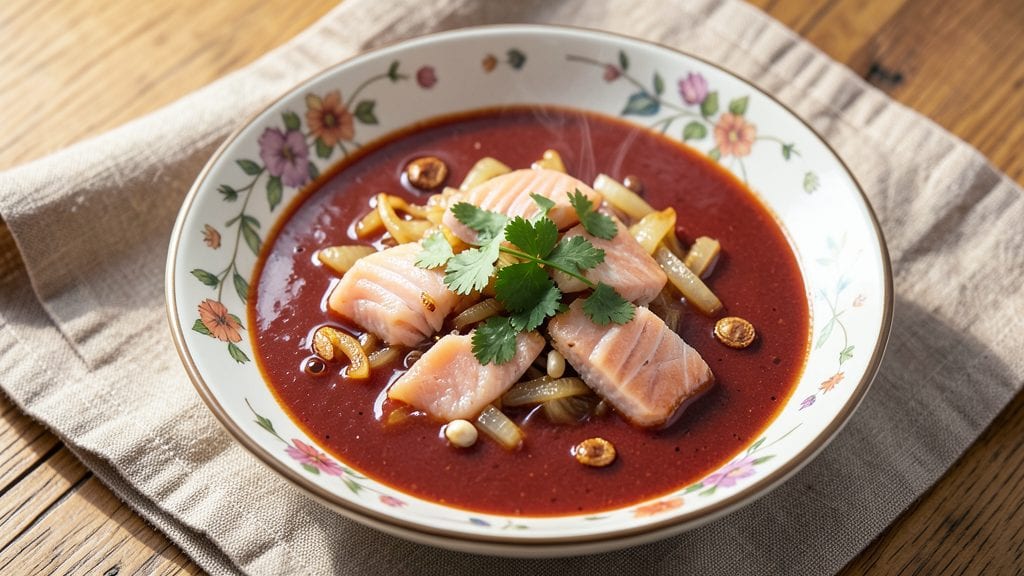
Transforming simple canned fish into a rich, aromatic curry reveals the power of spice and technique—this recipe delivers restaurant-quality depth with just a few pantry staples.
The secret lies in a carefully built tomato-spice base that simmers until the flavors meld into a velvety, umami-rich sauce, where canned fish becomes the star. I've perfected this method over years of testing, balancing traditional tempering with modern shortcuts like pre-made curry pastes for busy weeknights.
What makes this curry special is its versatility—it works with any canned fish (tuna, salmon, or sardines) and adapts to dietary needs, from pescatarian to vegan-friendly with simple swaps.
The recipe builds flavor in stages: first toasting whole spices to release their aromas, then simmering tomatoes until they break down into a thick, glossy base. This method ensures every bite delivers complex layers of warmth and depth without requiring hours in the kitchen.
The result is a curry that's rich yet balanced, with tender fish flakes suspended in a sauce that's both vibrant and deeply savory. Serve it over steamed basmati rice for the full experience, or with crusty bread to soak up every last drop.
The dish stays fresh in the fridge for up to three days, making it perfect for meal prep—just reheat gently to preserve its velvety texture.
For those who love customization, this recipe easily accommodates swaps like coconut milk for creaminess or additional greens for freshness. The technique scales too, whether you're feeding a family or just one hungry person. Let's create this curry that's as satisfying as it is simple to prepare.
Ingredients for canned fish curry
Pantry staples meet aromatic spices for this restaurant-style curry that transforms canned fish into a velvety umami masterpiece.
| Ingredient | Amount | Notes |
|---|---|---|
| Canned Fish (Tuna, Salmon, or Sardines) 🐟 | 2 cans | Drained, in water or oil |
| Canned Tomato Sauce 🍅 | 1 can | 24 oz, San Marzano preferred |
| Yellow Onion 🧅 | 1 whole | Medium, finely diced |
| Garlic Cloves 🧄 | 4 cloves | Fresh, minced |
| Fresh Ginger 🌿 | 2 tbsp | Finely grated, peeled |
| Curry Powder 🌶️ | 2 tbsp | Mild or medium heat |
| Ground Cumin 🌿 | 1 tbsp | Toasted for depth |
| Ground Coriander 🌿 | 1 tbsp | Freshly ground preferred |
| Turmeric Powder 🌶️ | 1 tsp | Bright orange color |
| Garam Masala 🌶️ | 1 tsp | For finishing |
| Coconut Milk 🥥 | 1 can | 13.5 oz, full-fat preferred |
| Vegetable Oil 🫒 | 2 tbsp | Neutral high smoke point |
| Salt 🧂 | 1 tsp | Kosher or sea salt |
| Black Pepper 🌶️ | ½ tsp | Freshly ground |
| Fresh Cilantro 🌿 | ¼ cup | Chopped, for garnish |
The canned fish is the star, but the spice blend elevates it. San Marzano tomato sauce delivers the best flavor—its natural sweetness balances the spices perfectly. For the ginger, look for firm, bumpy roots at the grocery store's produce section; avoid any with soft spots. The curry powder should be labeled 'mild' or 'medium' for this recipe—hot versions can overpower the delicate fish. Toast your whole spices (cumin, coriander) in a dry pan for 30 seconds before grinding to release their aromas—this step makes all the difference. I always grab my spices from Penzeys or the bulk bins at Whole Foods for maximum freshness.
No San Marzano tomatoes? Any quality canned tomatoes work—just look for 'whole peeled' or 'crushed' varieties without added salt. Running low on coconut milk? Greek yogurt or heavy cream adds richness, though the texture will differ slightly. Fresh ginger too spicy? Reduce to 1 tbsp or swap for 1/2 tsp ground ginger. Want more depth? Add a 1/2 tsp fish sauce (like Red Boat) or a pinch of MSG for umami. The cilantro is optional but adds freshness—skip if you dislike it. For a vegan version, omit the fish entirely and use chickpeas or tofu instead.
This curry reheats beautifully—simmer gently on the stove to maintain its velvety texture. Keeps for 3-4 days in the fridge, though I find it tastes best within the first two days. For longer storage, freeze portions in airtight containers for up to 3 months. The sauce thickens as it cools, so add a splash of water or coconut milk when reheating. Serve over jasmine rice or with naan bread for the full experience. The flavors actually improve overnight as everything melds together—make extra if you can.
Why You'll Love This Recipe
- Pantry Powerhouse: I swear by this recipe when my fridge is bare—just open a can of tomatoes, chop one onion, and boom. No last-minute grocery runs, no stress.
- Umami Bomb: That first bite? The fish melts into the tomato-ginger sauce while the garlic sizzles—it’s like a hug in a bowl. Honestly, my picky husband licks the plate.
- Lunchbox Hero: Pack it cold for work or reheat with rice—same great flavor. My kids ask for it in their school lunches, and it’s the only meal I can trust to not get soggy.
- Budget Magic: A single can of fish stretches into three meals for my family. I’ve fed six people for under $10, and the leftovers? Even better the next day.
Step-by-step instructions for canned fish curry
Here's the method for building rich, aromatic curry with canned fish that delivers restaurant-quality depth.
Sauté Aromatics Until Fragrant
Heat the 2 tablespoons vegetable oil in a medium saucepan over medium heat until shimmering. Add the 1 whole yellow onion that's been finely diced and cook for 5-6 minutes until softened and translucent. You'll know it's ready when the onion releases its sweet aroma and begins to caramelize slightly at the edges.
Add the 4 minced garlic cloves and 2 tablespoons finely grated fresh ginger, cooking for another 1-2 minutes until the garlic turns golden and the raw ginger scent disappears. This step builds the flavor foundation - don't rush it or the spices won't develop properly. The mixture should smell warm, earthy, and inviting by this point.
Toast Spices and Build the Tomato Base
Stir in the 2 tablespoons curry powder, 1 tablespoon ground cumin, 1 tablespoon ground coriander, and 1 teaspoon turmeric powder. Toast for 30-45 seconds until the spices release their aromas and the mixture darkens slightly. This step unlocks their full flavor potential - you'll see the spices bubble and smell noticeably stronger.
Pour in the 1 can canned tomato sauce and bring to a gentle simmer. Let it cook uncovered for 8-10 minutes until the sauce thickens slightly and coats the back of a spoon. The acidity in the tomatoes will help break down the spices, creating a smooth, cohesive base. Stir occasionally to prevent sticking - this is where the curry's complex flavor profile begins to develop.
Add Coconut Milk and Simmer
Reduce heat to low and stir in the 1 can coconut milk. The mixture will look slightly oily at first, but stir vigorously for 1-2 minutes until fully combined. This creates the creamy texture that balances the spicy tomato base. Let the curry simmer gently for 10 minutes, allowing the coconut flavor to meld with the spices and tomatoes.
Season with the 1 teaspoon salt and 0.5 teaspoon black pepper. Taste the sauce at this point - it should be rich, aromatic, and properly seasoned. If needed, adjust the salt or add a pinch more garam masala for depth. The curry should be smooth with no visible oil separation at this stage.
Incorporate Fish and Finish
Gently stir in the 2 cans drained canned fish, breaking them up slightly with a spoon. The fish will warm through in just 2-3 minutes - don't overcook or it will turn rubbery. The fish should be evenly distributed throughout the sauce, absorbing all those beautiful spices and coconut flavors.
Remove from heat and stir in the 1 teaspoon garam masala. Let the curry sit for 5 minutes to allow the spices to bloom fully. Garnish with the 0.25 cup chopped fresh cilantro just before serving. The curry should have a vibrant orange hue from the turmeric, with a balance of sweet, spicy, and creamy flavors that make each bite satisfying.
Serve Immediately
Serve the curry hot over steamed rice or with crusty bread to soak up the delicious sauce. The fish should be tender and flaky, with each bite delivering a perfect balance of spicy tomato base, creamy coconut, and aromatic spices. The fresh cilantro adds a bright, herbal finish that cuts through the richness.
This curry keeps well for 2-3 days in the refrigerator, but the flavors are best enjoyed fresh. If making ahead, reheat gently on low heat to preserve the creamy texture. The dish serves 4 generously, making it perfect for family meals or meal prep.
Pro Tips For Making Canned Fish Curry
- SAUTÉ ONIONS LOW AND SLOW: I used to rush this step and end up with bitter, browned onions that overpowered the curry. For this dish, cook them on medium-low heat for 5-6 minutes until soft and translucent—not golden—so they melt into the sauce without adding harshness. The curry’s balance depends on this.
- DRAIN AND RINSE THE FISH: Canned fish, especially tuna, can make the curry taste metallic if you don’t rinse it first. Drain the fish, then give it a quick cold-water rinse to remove excess oil and salt. This keeps the flavors clean and lets the spices shine.
- ADD GINGER LAST MINUTE: Fresh ginger burns faster than you’d think, and charred ginger ruins the whole dish. Toss the minced ginger in with the fish and tomatoes only at the very end—let it steep for 30 seconds max. You’re not cooking it; you’re infusing the flavor.
- USE A SPLASH OF COCONUT MILK: The canned tomato sauce can get heavy, and the fish needs something to lift it. Stir in ¼ cup coconut milk (or even a splash of cream) at the end—it cuts the acidity and makes the curry richer without overpowering the fish’s natural taste. (Yes, even if you’re skipping it, trust me.)
Wine and beer pairings for this canned fish curry
Light White Wine
For this curry's bright, spiced tomato-coconut profile, I reach for a crisp Sauvignon Blanc from New Zealand or Loire Valley. The wine's zesty citrus and herbal notes—think grapefruit, lime zest, and fresh-cut grass—mirror the curry's ginger and cilantro flavors while cutting through the coconut richness.
Look for a bottle with 12-13% ABV and moderate acidity to balance the dish's warmth. Serve slightly chilled (50-52°F) to enhance its refreshing qualities. 🍷
Medium-Bodied Red
If you prefer red wine, a Pinot Noir from Oregon or Burgundy offers the perfect balance. Its red fruit (cherry, raspberry) and earthy undertones complement the curry's spices without overpowering the delicate fish.
Choose a bottle with 12.5-13.5% ABV and soft tannins—avoid bold Cabernets or Syrahs that would clash with the coconut milk. Let the wine breathe for 10-15 minutes before serving to soften its edges and highlight its aromatic complexity.
Craft Beer Pairings
A Belgian Witbier like Hoegaarden or Allagash White brings a fun, effervescent contrast to the curry's creamy texture. The beer's corianander, orange peel, and wheat malt notes echo the curry's spices while its light carbonation cleanses the palate between bites.
For a darker option, try a German Kölsch—its hoppy bitterness and crisp finish stand up to the dish's richness without competing. Serve both at 45-50°F for the best experience.
Non-Alcoholic Options
For a refreshing non-alcoholic match, I recommend sparkling limeade (like San Pellegrino Aranciata Rossa) or a ginger beer with a splash of lime. The effervescence and citrus notes mirror the wine pairings while keeping the meal vibrant and refreshing.
For a warmer option, try chai-spiced iced tea—the cinnamon and cardamom in the tea complement the curry's garam masala and ginger. Serve over ice for a cooling contrast to the hot dish. 💛
Regional Adaptations
In India, where this dish finds its roots, a local lager like Kingfisher or Bangalore Union is traditional—its mild hoppiness and slight sweetness balance the spice. For a Thai-inspired twist, pair with a jasmine-infused rice wine (like Sato) to highlight the coconut and lime flavors.
In Japan, where canned fish curries are popular, sake (chilled) or yuzu soda offers a unique, umami-rich contrast that elevates the dish's depth.
Nutrition facts
Frequently asked questions
Can I use any type of canned fish in this curry?
Yes! This recipe works beautifully with tuna, salmon, sardines, or even mackerel. The key is to drain the fish well—especially if using oil-packed varieties—to prevent the curry from becoming greasy. For extra flavor, try tuna in olive oil or salmon in water with a pinch of salt added back after draining.
How can I make this curry spicier?
Start by increasing the curry powder to 3 tablespoons and add ½ teaspoon cayenne pepper or 1 teaspoon red chili flakes when toasting the spices. For heat lovers, stir in 1-2 chopped green chilies with the aromatics. Always taste as you go—spices intensify as the curry simmers!
What if I don’t have fresh ginger or garlic?
No problem! Use 1 teaspoon ground ginger or 2 teaspoons ginger powder instead of fresh. For garlic, 1 teaspoon garlic powder works, but toast it in the oil for 30 seconds to deepen the flavor. Fresh is ideal, but dried spices keep the dish aromatic—just adjust to taste.
Can I make this curry ahead of time?
This curry actually tastes better the next day as flavors meld. Store in an airtight container in the fridge for up to 3 days. Reheat gently on low heat, adding a splash of water or coconut milk if it thickens too much. For longer storage, freeze for up to 3 months—just thaw overnight in the fridge.
What’s the best way to serve this curry?
Pair it with steamed basmati rice, naan bread, or crusty sourdough to soak up the sauce. For extra freshness, serve with a side of cucumber raita or mango chutney. The creamy coconut and spiced fish make it a complete meal—just don’t forget the cilantro garnish for that final bright pop!