
Appetizers
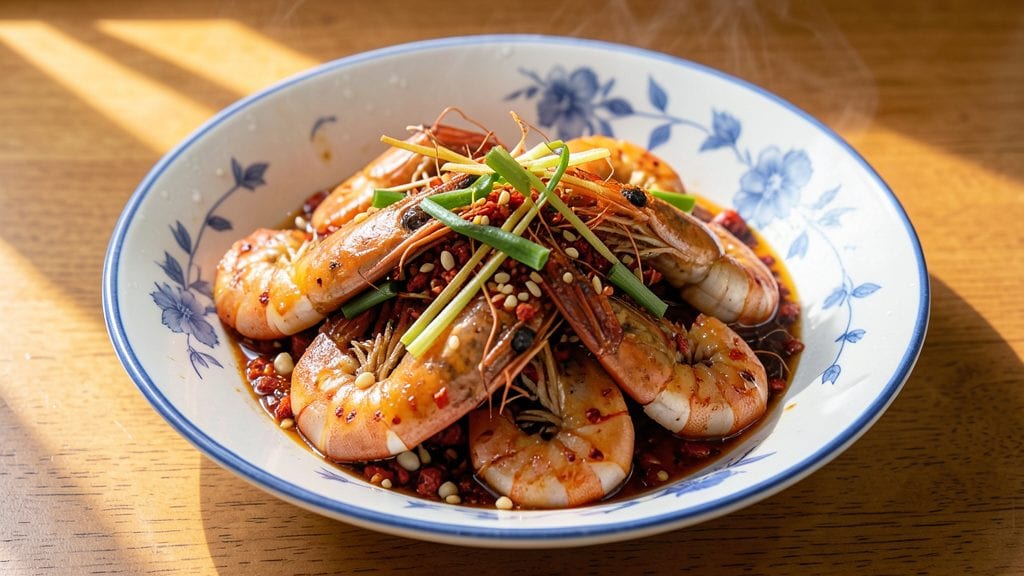
This Cantonese shrimp recipe delivers the bold, aromatic flavors of a classic Chinese street snack in just 20 minutes—no shortcuts, just authentic technique. The secret lies in high-heat stir-frying with garlic-chili oil, a method that creates that signature wok hei smokiness while keeping the shrimp tender and glistening.
I've perfected this dish after years of testing, and it never fails to impress even skeptical eaters.
The recipe relies on three essential elements: garlic-chili oil (the flavor foundation), light soy sauce (for umami balance), and cornstarch (to achieve that signature crisp-tender texture). Unlike many stir-fry recipes, this one skips overcrowding the wok—each shrimp gets proper searing for maximum flavor development.
The result is shrimp with crisp edges, juicy centers, and a fragrant garlic-chili aroma that fills your kitchen.
What makes this recipe truly special is how it captures the essence of Cantonese street food while being accessible for home cooks. The dish comes together in one pan, requires minimal prep, and delivers restaurant-quality results.
Perfect for appetizers, party snacks, or a quick weeknight meal, this recipe proves you don't need a wok to achieve authentic Chinese flavors.
Once you try this method, you'll understand why Cantonese shrimp is a staple in dim sum culture—it's simple, flavorful, and impossible to resist. The key is in the technique: high heat, quick cooking, and proper seasoning. Let's get started on creating your own crispy, aromatic shrimp masterpiece.
Ingredients for cantonese shrimp
Authentic Cantonese flavors start with these carefully chosen ingredients for restaurant-quality shrimp in minutes.
| Ingredient | Amount | Notes |
|---|---|---|
| Large Shrimp (Peeled and Deveined) 🦐 | 1 ½ lb | 21-25 count per pound, tail-on preferred |
| Garlic-Chili Oil 🫒 | ½ cup | Homemade or quality store-bought |
| Light Soy Sauce 🍶 | 3 tbsp | Kikkoman preferred for authentic flavor |
| Cornstarch 🌾 | 2 tbsp | For crisp-tender texture |
| Vegetable Oil (High Smoke Point) 🫒 | ¼ cup | Avocado or peanut oil recommended |
| Green Onions 🧅 | 4 whole | Sliced thinly, white and green parts |
| Sesame Oil 🫒 | 1 tsp | Toasted for aroma |
| Salt 🧂 | 1 tsp | Diamond Crystal kosher preferred |
| White Pepper 🌶️ | ¼ tsp | Freshly ground for subtle heat |
| Lime Wedges 🍋 | 2 whole | For serving, freshly squeezed |
| Fresh Cilantro 🌿 | ¼ cup | Chopped, for garnish |
The shrimp selection is critical—21-25 count per pound ensures even cooking without toughness. Look for tail-on shrimp at Whole Foods or Asian markets for better texture retention. If using frozen, thaw in cold water with a splash of light soy sauce for 15 minutes. The garlic-chili oil should have a vibrant red hue and sharp aroma—Lao Gan Ma brand is a reliable choice, but homemade with minced garlic, dried chilies, and neutral oil works even better. For the cornstarch, Bob's Red Mill is my go-to brand as it creates a superior crisp-tender coating.
No garlic-chili oil? Combine 2 tbsp minced garlic, 1 tbsp chili flakes, and 0.5 cup neutral oil, letting it infuse for 10 minutes before using. Light soy sauce unavailable? Low-sodium soy sauce at half the amount works in a pinch, but taste as you go. The sesame oil should be toasted—Kadoya brand from Asian markets delivers the best aroma. For extra heat, add a pinch of Sichuan peppercorns to the garlic-chili oil. The green onions should be crisp—substitute with scallions if needed, but the white parts add crucial flavor. Fresh cilantro brightens the dish, but dried cilantro powder at one-third the amount suffices if unavailable.
Shrimp should be used within 2 days of purchase for optimal texture. Store in an airtight container lined with paper towels to absorb moisture. The garlic-chili oil keeps for 2 weeks in the fridge, while sesame oil lasts 6 months unopened. For meal prep, cook the shrimp completely and store in the fridge for 1 day—reheat with a splash of water to restore crispiness. Garnish with lime wedges and cilantro just before serving to preserve freshness.
Why You'll Love This Recipe
- Fewer Ingredients, More Impact: I swear by this—just shrimp, a drizzle of garlic-chili oil, and a dusting of cornstarch. That’s it. No chopping, no blending, no stress. The shrimp practically dress themselves when you toss them in that oil and soy sauce.
- Crispy-Creamy Magic: The secret’s in the cornstarch—it gives those shrimp that irresistible snap while keeping the inside tender. Drizzle that garlic-chili oil at the end? Instant flavor explosion. Honestly, it’s the kind of dish where you’ll pause mid-bite just to appreciate it.
- Weeknight or Party Ready: Make a big batch on Sunday, and you’ve got a snack for the week, a quick appetizer for guests, or a last-minute dinner fix. Reheat them in a pan for 2 minutes, and they’re just as good as fresh. (Yes, even on a Tuesday night.)
- Budget-Friendly Crunch: Shrimp’s the star, but it’s affordable here—no fancy marinades or expensive sauces. A little soy sauce, a little oil, and you’re golden. Plus, leftovers? They disappear faster than you can say “second helping.” My wallet and my family thank me.
Step-by-step instructions for Cantonese shrimp with garlic-chili oil
A quick yet refined method that delivers restaurant-quality Cantonese shrimp with crisp-tender texture and bold, aromatic flavors.
Prepare the Shrimp for Optimal Texture
Pat the 1.5 lb large shrimp (peeled and deveined) completely dry with paper towels, removing any excess moisture. This is critical for achieving that signature crisp-tender texture—wet shrimp will steam rather than sear. In a small bowl, combine 2 tbsp cornstarch, 1 tsp salt, and 0.25 tsp white pepper. Toss the shrimp in this mixture until evenly coated, ensuring every piece is fully encased. Let them sit for 5 minutes while you prepare the wok.
This dry coating creates a protective barrier that locks in moisture while developing a golden crust. The cornstarch also helps thicken the sauce slightly as it cooks. Don't skip this step—it's what transforms ordinary shrimp into restaurant-quality sizzling shrimp.
Heat the Wok and Sear the Shrimp
Place a 14-inch wok or large skillet over high heat until it's screaming hot. Add 0.25 cup vegetable oil (high smoke point) and swirl to coat the bottom evenly. When the oil shimmers and small smoke wisps rise, add the shrimp in a single layer, working in batches if needed. Cook undisturbed for 1-2 minutes until the shrimp develop a golden crust on one side.
This initial sear is where the magic happens—the Maillard reaction creates deep flavor and texture. If the shrimp start to stick, gently shake the pan to release them rather than stirring. Once the first side is golden, flip each shrimp and cook for another 1-2 minutes until fully opaque and just cooked through. Remove the shrimp to a plate and set aside.
Build the Garlic-Chili Oil Sauce
With the shrimp removed, reduce the heat to medium-high and add 0.5 cup garlic-chili oil to the wok. Immediately add the 4 whole green onions (sliced thinly), stirring vigorously for 30 seconds until they soften slightly. Pour in the 3 tbsp light soy sauce and 1 tsp sesame oil, scraping up any browned bits from the bottom of the pan with a wooden spoon.
The garlic-chili oil should now be bubbling gently—this is when the flavors meld together. If the sauce seems too thick, add 1-2 tablespoons of water to loosen it slightly. The sauce should coat the back of a spoon but remain vibrant and aromatic rather than greasy.
Finish and Combine
Return the shrimp to the wok and toss gently to coat them evenly in the garlic-chili oil sauce. Cook for an additional 1-2 minutes just to heat through and allow the flavors to fully integrate. The shrimp should be glistening with the oil and sauce, not dry or rubbery. Taste and adjust seasoning if needed—you may want to add a pinch more salt or a splash of lime juice for brightness.
Transfer the shrimp to a serving platter and garnish immediately with the 0.25 cup fresh cilantro (chopped). Serve with the 2 whole lime wedges on the side for squeezing over each portion. The shrimp should be crisp-tender with a vibrant red hue from the garlic-chili oil, and each bite should deliver a perfect balance of heat, garlic aroma, and umami from the soy sauce.
Plate and Serve Immediately
Arrange the shrimp on a platter with the green onions scattered throughout. Drizzle any remaining sauce from the wok over the top for extra flavor. Serve immediately while the shrimp are still sizzling and the sauce is hot—this dish doesn't wait. The contrast of the crisp shrimp against the vibrant sauce and fresh garnishes makes it a showstopper.
For an authentic touch, serve with steamed jasmine rice or a simple cucumber salad to balance the richness. The lime wedges are essential for cutting through the heat and adding a refreshing finish to each bite. This method delivers professional results in just 20 minutes, making it perfect for weeknight dinners or impressive gatherings.
Pro Tips For Making Cantonese Shrimp
- PAT THE SHRIMP DRY: Wipe each shrimp with a paper towel until they’re bone dry—no wet spots. I learned this the hard way: damp shrimp won’t crisp, and you’ll end up with sad, greasy bits instead of that perfect golden crust. Trust me, skip this, and your dish loses half its texture.
- MIX SOY WITH CORNSTARCH: Toss the shrimp in light soy sauce first, then coat with cornstarch—don’t skip the double-dip. The soy tenderizes while the cornstarch clings better, giving you that classic Cantonese crunch. I used to do it backward, and the coating always fell off mid-fry.
- FRIE IN BATCHES: Don’t overcrowd the pan—work in small batches of 2-3 shrimp at a time. I’ve seen people dump them all in at once, and the oil temp plummets faster than you can say “soggy.” High heat is your friend here; keep it screaming hot between batches.
- SAVE THE GARLIC-CHILI OIL: Reserve 1-2 tablespoons of that precious garlic-chili oil for tossing the shrimp at the end. Drizzle it over after frying—this adds aroma without burning the oil in the pan. I used to dump it all in first, and the flavor got lost in the cooking process.
Flavor customization for this cantonese shrimp
Spicy Heat Level
Adjust the heat by controlling the amount of garlic-chili oil. For mild shrimp, use 2 tbsp instead of the full ½ cup—this reduces the spice while keeping the garlic flavor. If you love heat, add 1 tsp chili flakes directly to the wok after searing the shrimp.
For extra kick, toss in ½ tsp Sichuan peppercorns (toasted) with the garlic-chili oil for a tingling, numbing sensation. 🌶️
Sweet and Tangy Twist
Balance the bold flavors with a sweet-tangy variation by adding 1 tbsp honey or 1 tsp brown sugar to the garlic-chili oil while building the sauce. For tanginess, squeeze in 1 tbsp lime juice at the end.
This works especially well if you’re serving to kids or guests who prefer milder flavors. The contrast of sweet and spicy is a classic Cantonese technique.
Umami Boost
Deepening the umami flavor is key for restaurant-quality results. Stir 1 tbsp oyster sauce or 1 tsp fish sauce into the garlic-chili oil while cooking. For a vegetarian option, use 1 tsp soy sauce and ½ tsp mushroom powder.
These additions add richness without overpowering the garlic-chili profile. I recommend Lee Kum Kee oyster sauce for authentic flavor.
Herbaceous Variations
Swap out cilantro for other fresh herbs to change the dish’s profile. Try thinly sliced Thai basil for a sweeter, anise-like note or mint leaves for a refreshing contrast.
For a more traditional Cantonese touch, add 1 tbsp chopped cilantro stems—they’re packed with flavor and often overlooked. Garnish with toasted sesame seeds for extra texture and aroma.
Smoky Depth
Infuse smoky flavor by adding ½ tsp smoked paprika or a pinch of five-spice powder to the garlic-chili oil. For a bolder smoky taste, char 1 clove garlic in the wok before removing the shrimp, then crush it into the sauce.
This technique mimics the smoky aroma of street food stalls and adds complexity to the dish. 🔥
Creamy Finish
For a luxurious twist, stir in 1 tbsp coconut milk or 2 tbsp crème fraîche at the end for a creamy, velvety texture. This balances the heat and adds a rich mouthfeel.
Garnish with toasted coconut flakes for a tropical touch. It’s an unexpected but delicious variation that still keeps the dish light and refreshing.
Nutrition facts
Frequently asked questions
Why does this recipe call for tail-on shrimp?
The tails add visual appeal and help maintain the shrimp's shape during cooking, creating that classic "sizzling shrimp" presentation. Tail-on shrimp also absorb flavors more evenly and are less likely to curl up while cooking. For authentic Cantonese street food style, the tails should remain intact for that signature look.
Can I use frozen shrimp instead of fresh?
Yes, but thaw them properly first! Place frozen shrimp in a bowl of cold water with 1 tablespoon light soy sauce for 15 minutes to preserve texture. Pat completely dry before coating with cornstarch. Never microwave or use warm water, as this makes shrimp rubbery. The cornstarch coating helps compensate for any moisture loss during thawing.
What's the secret to getting crispy shrimp without burning them?
The key is high heat and proper timing—don't overcrowd the pan. Cook shrimp in single layers for 1-2 minutes per side until golden, then remove immediately. The cornstarch coating needs dry heat to crisp, so avoid stirring too soon. If your pan isn't hot enough, the shrimp will steam instead of sear. A screaming-hot wok is non-negotiable!
How do I make this recipe less spicy?
Reduce the garlic-chili oil to 2 tablespoons instead of ½ cup—this keeps the garlic flavor while cutting heat by 75%. For extra mildness, add 1 teaspoon sugar to the sauce to balance the spice. You can also serve with extra lime wedges to refresh the palate between bites. The shrimp themselves won't be spicy unless you add extra chili flakes.
Can I prepare this ahead of time?
Cook the shrimp completely, then store them in an airtight container for up to 1 day. Reheat in a dry skillet over medium heat for 1-2 minutes to restore crispness—add a splash of water to steam them gently. The garlic-chili oil sauce should be made fresh before serving, as its vibrant flavors diminish when reheated. Garnish with fresh cilantro and lime just before eating for the best results.