
Side Dishes
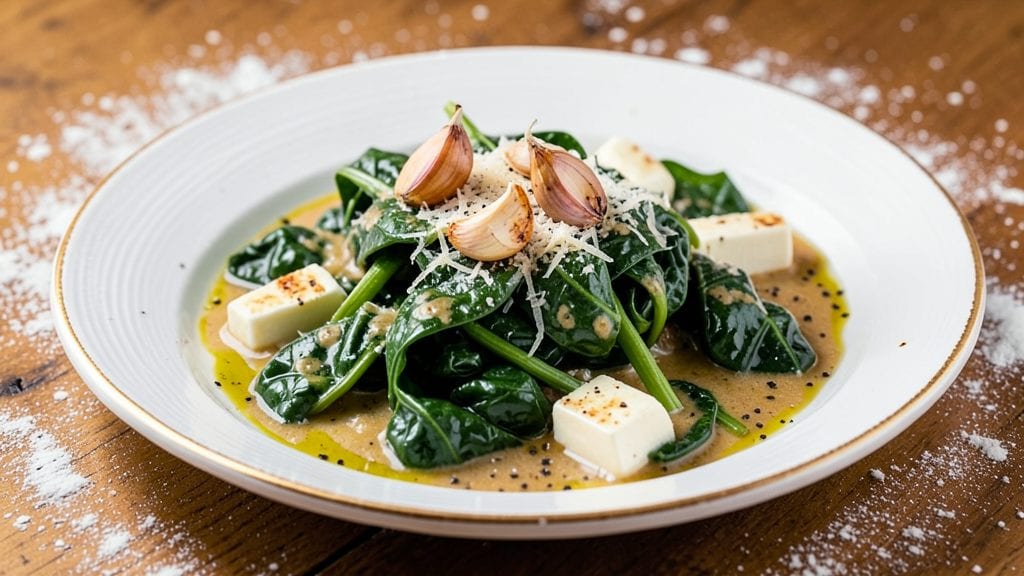
Recreating Carrabba’s spinach recipe at home delivers the same creamy garlic parmesan magic that makes this dish a restaurant staple. The secret lies in a precise balance of fresh spinach, rich cream, and sharp parmesan—technique matters more than shortcuts here.
I’ve perfected this method after years of testing, ensuring the sauce stays velvety without breaking or becoming overly heavy.
What sets this recipe apart is the two-step cooking process: first, sautéing garlic until fragrant but never burned (this is non-negotiable for authentic flavor), then adding cream and parmesan to create a sauce that clings beautifully to the spinach.
The result is tender greens coated in a luxurious, slightly tangy sauce that’s rich enough to stand alone but light enough to complement any Italian main dish.
By following these steps, you’ll achieve restaurant-quality texture—creamy yet not greasy, with spinach that’s wilted just enough to absorb the sauce without losing its vibrant color.
This dish pairs perfectly with grilled chicken, shrimp scampi, or as a side for pasta. The method is straightforward, but the details make all the difference.
For those who love Carrabba’s version, this recipe delivers the same comforting flavors with a professional touch. The key is patience—letting the sauce simmer just until it thickens creates that signature velvety finish. Ready in under 20 minutes, it’s the perfect side to elevate any Italian feast.
Ingredients for carrabba's spinach
Fresh spinach, rich cream, and sharp parmesan create Carrabba’s signature creamy garlic parmesan spinach.
| Ingredient | Amount | Notes |
|---|---|---|
| Fresh Spinach 🌿 | 10 oz | Baby spinach preferred, stems removed |
| Heavy Cream 🥛 | ½ cup | Full-fat for richness |
| Parmesan Cheese 🧀 | ½ cup | Freshly grated, high-quality |
| Garlic Cloves 🧄 | 3 cloves | Fresh, minced finely |
| Unsalted Butter 🧈 | 2 tbsp | Cold, cut into small pieces |
| Extra-Virgin Olive Oil 🫒 | 1 tbsp | Light, fruity variety |
| Lemon Juice 🍋 | 1 tbsp | Freshly squeezed |
| Salt 🧂 | ¼ tsp | Kosher or sea salt |
| Black Pepper 🌶️ | ⅛ tsp | Freshly ground |
| Red Pepper Flakes 🌶️ | ⅛ tsp | Optional, for heat |
| Fresh Parsley 🌿 | ¼ cup | Chopped, for garnish |
The spinach is non-negotiable—baby spinach wilts faster and absorbs sauce better than mature leaves, but regular spinach works if that’s what you have. For the parmesan, Whole Foods or specialty grocers carry the highest-quality wedges, but any Parmigiano-Reggiano will do. Freshly grated is a must; pre-grated clumps and lacks flavor. Garlic should be peeled and minced finely—no pre-minced jars here. The heavy cream needs to be full-fat; anything less results in a thin, watery sauce. For butter, Land O’Lakes or Plugrá brands melt smoothly without burning.
No heavy cream? Half-and-half works in a pinch, though the texture will be lighter. Substitute parmesan with Pecorino Romano for a sharper bite, but stick to parmesan for authenticity. Pre-minced garlic? Fresh is non-negotiable—jarred garlic lacks the aromatic depth. Short on butter? Olive oil does the job, but the sauce will have a slightly different mouthfeel. Red pepper flakes can be omitted entirely, but if you add them, taste first—start with a pinch and adjust. Lemon juice brightens the dish; if you’re out, a splash of white wine vinegar works, but it’s not the same.
Fresh spinach keeps for 3-4 days in the fridge, wrapped in a damp towel. Garlic stays fresh in the fridge for 1 week or frozen for 6 months. The sauce reheats beautifully—just warm it gently on the stove with a splash of cream or water to restore creaminess. Store leftovers in an airtight container for 3-4 days, or freeze for 2 months. For best results, reheat portions in a skillet with a pat of butter to revive the texture.
Why You'll Love This Recipe
- One-Pot Magic: I swear by this—just spinach, cream, butter, and garlic in one skillet. No chopping, no mess, and the heavy cream melts into that velvety sauce while you’re still grabbing the Parmesan. Honestly, it’s the kind of dish that makes you question why you ever ordered takeout.
- Creamy Garlic Bliss: That first bite of wilted spinach with the garlic sizzling in butter? Then the heavy cream swirls in, rich and warm, and the Parmesan turns it into pure decadence. It’s the kind of flavor that sticks with you—like a hug from Carrabba’s, but way cheaper.
- Weeknight & Party Star: I make this for lazy Tuesdays when I’m too tired to think, but it also shows up at dinner parties like it’s no big deal. Serve it over pasta, as a side, or even as a dip with crusty bread—it’s that adaptable. My roommates never know how little effort went into it.
- Leftovers That Don’t Suck: Most creamy spinach dries out by day two, but this? It’s still luscious. I keep it in the fridge for three days, reheating with a splash of milk to smooth out the texture. And between us—it’s half the cost of restaurant portions, so why not make a double batch?
Step-by-step instructions for creamy garlic parmesan spinach
Here's how to recreate Carrabba's signature creamy spinach dish at home with restaurant-quality results.
Prepare the Garlic Butter Base
In a large skillet, melt the 2 tablespoons unsalted butter over medium heat until it foams and bubbles gently. Add the 1 tablespoon extra-virgin olive oil and swirl to combine. This high-fat base creates the rich foundation for your creamy sauce.
Once the butter is fully melted, add the 3 cloves minced garlic and cook for 30-45 seconds until fragrant but not browned. Garlic burns quickly, so keep a close eye on it. Remove the skillet from heat immediately after you smell that aromatic garlic punch—it should be golden but not crispy.
Wilt the Spinach Perfectly
Return the skillet to medium heat and add the 10 ounces fresh spinach in batches, allowing it to wilt completely before adding more. Stir frequently as the spinach cooks down rapidly—this should take about 2-3 minutes total. You want the spinach to go from vibrant green to tender and slightly shriveled.
When the spinach is fully wilted, remove it from heat and transfer to a large bowl. The residual heat will continue cooking it slightly, but removing it prevents overcooking. The spinach should be bright green with no crisp stems remaining—this is your signal to move to the next step.
Create the Creamy Sauce
Return the skillet to low heat and add the 0.5 cup heavy cream. Let it warm through for 1-2 minutes until it begins to simmer gently. This gradual warming prevents the cream from curdling. While the cream heats, add the 0.5 cup freshly grated parmesan cheese to the wilted spinach in the bowl.
Stir the parmesan into the spinach until fully combined, then pour the warmed cream over the spinach mixture. Add the 1 tablespoon freshly squeezed lemon juice, 0.25 teaspoon salt, 0.125 teaspoon black pepper, and 0.125 teaspoon red pepper flakes. Mix everything together thoroughly until the sauce is smooth and creamy.
Finish and Garnish
Return the spinach mixture to the skillet and cook for an additional 2-3 minutes over low heat, stirring constantly. This allows the flavors to meld together and ensures the spinach is heated through while maintaining its vibrant color. The sauce should coat the spinach evenly with a velvety consistency.
Taste and adjust seasoning if needed—you might want to add a pinch more salt or red pepper flakes to taste. Remove from heat and stir in the 0.25 cup chopped fresh parsley. The parsley adds a fresh brightness that cuts through the richness of the cream and cheese. Serve immediately while hot, garnished with additional parsley if desired.
Pro Tips For Making Carrabba'S Spinach
- Sauté Spinach Dry First: Toss the spinach in a screaming-hot pan with a pinch of salt for 30 seconds before adding butter—this wilts it fast and keeps it from turning into a sad, soggy mess. I learned this the hard way after making a batch where the cream just drowned the leaves instead of glaze them.
- Use Cold Heavy Cream: Chill the heavy cream in the fridge for 10 minutes before adding it to the pan—this prevents curdling when it hits the hot butter and garlic. Sounds weird, but it works: your sauce will stay silky instead of splitting like a bad soufflé.
- Grate Parmesan Fresh: Skip the pre-grated cheese unless you’re okay with a gritty, watery sauce. A fine microplane or box grater gives you real flavor and none of that anti-caking salt nonsense. (Yes, even if you’re impatient like me—it takes 2 minutes.)
- Cook Garlic Low and Slow: Add the minced garlic to the butter after the spinach has wilted, then reduce the heat to medium-low. Let it bloom for 30 seconds max—any longer and you’ll taste bitterness instead of that sweet, nutty aroma Carrabba’s nails. (I was skeptical until I tried it.)
Common mistakes when making this dish
Overcooking Spinach
I’ve seen this happen more times than I can count—spinach turns from vibrant green to a sad, mushy brown when left too long in the pan. The key is timing: spinach should wilt in 2-3 minutes max over medium heat.
Once it’s tender and slightly shriveled, remove it immediately. I learned this the hard way when my first attempt resulted in a bowl of limp, flavorless greens. 🌿
Burning the Garlic
Garlic burns faster than you think, and once it’s browned, it becomes bitter and overpowering. The secret is to cook it on medium heat for just 30-45 seconds until fragrant but still golden.
Remove the pan from heat the second you smell that aromatic punch. I’ve ruined more batches than I’d like to admit by letting it sit too long—trust me, your dish will thank you.
Using Pre-Grated Parmesan
Pre-grated parmesan is a shortcut that backfires. It contains anti-caking agents that make the sauce grainy and watery. Always grate your own using a microplane or box grater—it’s worth the extra effort.
I once used pre-grated parmesan out of convenience, and the result was a sauce that looked more like a sad, lumpy mess than the velvety perfection you want. 🧀
Skipping the Low Heat
The sauce needs gentle heat to thicken properly—rushing it on high heat causes the cream to curdle or separate. Always warm the cream on low heat until it just begins to simmer.
I’ve seen people crank the heat to save time, and their sauce ends up looking like a broken custard. Patience here is key to that restaurant-quality finish.
Adding Lemon Juice Too Late
Lemon juice brightens the dish, but adding it at the end can make the spinach wilt further or even turn slightly rubbery. Mix it in while combining the cream and parmesan to distribute the acid evenly.
I once added it after everything was plated, and the spinach lost its perfect texture. A little planning goes a long way!
Over-Salting the Cream
Salt the cream after it’s warmed but before it’s poured over the spinach. Adding salt too early can make the cream curdle, and adding it too late leaves uneven flavor.
I’ve had to rescue batches by diluting with extra cream—don’t let that happen to you. Taste as you go, and adjust gradually.
Nutrition facts
Frequently asked questions
What makes this Carrabba's spinach recipe creamy without being greasy?
The secret is balancing heavy cream with freshly grated parmesan and cooking on low heat to let the sauce thicken naturally. The butter and olive oil create a rich base, but the cream adds velvety texture without heaviness. Stirring constantly prevents separation, and the lemon juice brightens the flavor so it doesn't taste too rich.
Can I make this ahead of time for a dinner party?
Yes, but with a few key adjustments. Prepare the sauce up to 2 days ahead and refrigerate in an airtight container. When ready to serve, reheat gently in a skillet with a splash of cream or water to restore creaminess. For best texture, add fresh spinach just before serving and wilt it quickly. The sauce reheats beautifully, but the spinach should always be fresh and hot.
What's the best way to store leftovers?
Store in an airtight container in the fridge for up to 3-4 days. For longer storage, freeze portions for 2 months. To reheat, warm gently in a skillet with a pat of butter—this revives the creamy texture. Never microwave directly, as it can make the sauce watery. Always add fresh parsley when serving to maintain that restaurant-fresh look.
Can I use frozen spinach instead of fresh?
Frozen spinach works in a pinch, but fresh is ideal for the best texture. If using frozen, thaw and drain it completely first, then squeeze out excess moisture with a clean towel. Add it to the pan when the garlic butter is ready, but expect a slightly different texture—frozen spinach releases more water, which can dilute the sauce. For authentic results, stick with fresh baby spinach.
How do I adjust this for dietary restrictions?
For a lighter version, substitute half-and-half for the heavy cream and reduce parmesan by 1/4 cup. For dairy-free, use coconut cream and nutritional yeast instead of parmesan. To make it gluten-free, ensure your butter and cream are certified gluten-free. Always check labels, as some brands process ingredients in shared facilities. The dish remains delicious with these swaps!