
Desserts
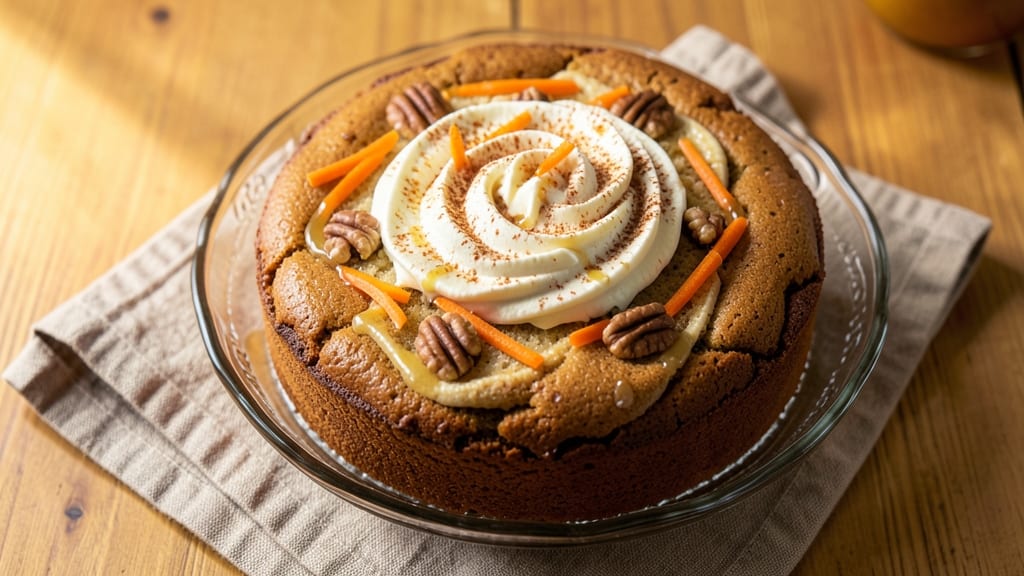
This carrot cake buttermilk recipe delivers the moist, tender crumb you crave—no dry crumbs in sight. The secret lies in buttermilk, which tenderizes the cake while balancing sweetness and adding subtle tang. I’ve perfected this version over years of baking, ensuring every slice stays fresh and flavorful for days.
The buttermilk creates a velvety texture that’s impossible to resist, while the cream cheese swirl adds richness without overpowering the classic carrot flavor. With just 50 minutes of active time (plus baking), you’ll have a cake that’s perfect for birthdays, holidays, or whenever you need a comforting treat.
The recipe scales easily for crowds, too.
What makes this stand out is the foolproof technique—no guesswork, just layers of flavor. The cake bakes up golden with a tender crumb, and the cream cheese swirl melts into every bite.
Serve it warm with vanilla ice cream or let it cool for clean slices that stay moist. This is carrot cake done right.
Whether you’re baking for a special occasion or just craving a slice, this recipe delivers restaurant-quality results at home. The buttermilk keeps it tender, the spices add warmth, and the cream cheese swirl ties everything together. Let’s get baking!
Ingredients for carrot cake buttermilk
Buttermilk, carrot grates, and cream cheese swirl—just 15 ingredients for velvety, foolproof cake.
| Ingredient | Amount | Notes |
|---|---|---|
| All-Purpose Flour 🌾 | 2 ½ cups | Sifted for light texture |
| Granulated Sugar 🍚 | 2 cups | White or light brown |
| Packed Brown Sugar 🍚 | 1 cup | Lightly packed for moisture |
| Buttermilk 🥛 | 1 cup | Homemade or store-bought |
| Vegetable Oil 🫒 | ½ cup | Light or canola oil |
| Grated Carrots 🥕 | 3 cups | Freshly grated, fine texture |
| Large Eggs 🥚 | 2 whole | Room temperature preferred |
| Vanilla Extract 🍯 | 2 tsp | Pure extract, not imitation |
| Ground Cinnamon 🌿 | 2 tsp | Freshly ground preferred |
| Ground Ginger 🌶️ | 1 ½ tsp | Freshly ground for warmth |
| Ground Nutmeg 🌶️ | ½ tsp | Freshly grated nutmeg |
| Salt 🧂 | 1 tsp | Diamond Crystal kosher |
| Walnuts 🥜 | 1 cup | Chopped, toasted lightly |
| Cream Cheese 🧀 | 8 oz | Room temperature, full-fat |
| Powdered Sugar 🍚 | ½ cup | For swirl and topping |
The buttermilk is non-negotiable—it’s what gives this cake that signature tender crumb. Homemade (milk + vinegar) beats store-bought for tang, but the latter works in a pinch. For the carrots, freshly grated is key—those pre-shredded bags lose moisture fast. I grab mine from the produce section, then grate them myself. The walnuts? Toast them first—just 3 minutes in a dry pan—so they don’t get bitter. And the cream cheese? Philadelphia brand melts the best, but any full-fat block works if you let it soften at room temp.
No buttermilk? Milk + 1 tbsp lemon juice or vinegar does the trick—just let it sit 5 minutes. Swapping brown sugar? Use white sugar + 1 tbsp molasses for depth. The spices are where flavor gets layered—if you’re missing nutmeg, allspice at half the amount gives a similar kick. For the cream cheese swirl, mix in 1 tbsp powdered sugar to keep it sweet. And if you’re scaling up? Double the walnuts—they add texture that balances the soft cake.
This cake keeps beautifully—3-4 days at room temp wrapped in plastic, or 1 week refrigerated. For extra moisture, store with a slice of bread on top. The swirl stays creamy if you bake it in a single layer (no need to double the recipe). Freezes for 3 months too—just thaw overnight in the fridge. And if you’re making it ahead? Bake it 1 day early—flavors meld even better.
Why You'll Love This Recipe
- No Mixer Needed: I swear by this—just fold the flour into the wet ingredients with a wooden spoon. The buttermilk keeps it tender without overworking, and honestly? My cake comes out more moist than anything I’ve ever made with a mixer.
- Sweet-Spiced Magic: That combo of brown sugar and buttermilk? It’s like a hug for your taste buds. The brown sugar caramelizes just enough to give it depth, while the buttermilk adds a subtle tang that balances the carrots’ natural sweetness—no frosting required to make it irresistible.
- Weeknight to Party: Same bowl, same ingredients—whether I’m baking for a lazy Sunday breakfast or a last-minute potluck. The cake holds up beautifully, and the buttermilk base means it won’t dry out if I prep it a day ahead (trust me, I’ve tested this).
- Budget-Winning Stretch: Flour, sugar, and buttermilk? Pantry staples that won’t break the bank. A single batch feeds six, and leftovers? I freeze slices and toast them like cinnamon rolls—no waste, all flavor. My wallet and my taste buds thank me.
Step-by-step instructions for carrot cake buttermilk recipe
Here's how to create that perfect moist crumb with a creamy swirl—no dry cake in sight.
Prepare the Cream Cheese Swirl
In a medium bowl, combine the 8 oz cream cheese and 0.5 cup powdered sugar. Beat with an electric mixer on medium speed until completely smooth and creamy—about 2-3 minutes. This is your magic swirl that'll keep the cake ultra-moist. If the mixture looks grainy, keep mixing until fully incorporated.
Here's the thing—room temperature cream cheese is crucial. If it's cold, it won't blend properly and your swirl will be lumpy. If you forgot to take it out, run it under warm water for 10 seconds or microwave for 5 seconds to soften slightly before mixing. The texture should be thick but spreadable, like soft whipped cream.
Mix Dry Ingredients for Perfect Texture
In a separate large bowl, whisk together the 2.5 cups all-purpose flour, 2 tsp ground cinnamon, 1.5 tsp ground ginger, 0.5 tsp ground nutmeg, and 1 tsp salt. Sift the flour first for a light texture—this prevents dense pockets in your cake. I like to fold the spices into the flour using a whisk to distribute them evenly throughout.
Set this mixture aside while you prepare the wet ingredients. The reason we mix dry ingredients separately is to maintain the perfect balance of moisture and structure. Overmixing here will develop gluten and make your cake tough instead of tender. You want just enough to create structure without overworking the flour.
Combine Wet Ingredients for Moist Crumb
In another large bowl, beat the 2 whole large eggs and 1 cup buttermilk until just combined—about 30 seconds. Then add the 2 cups granulated sugar, 1 cup packed brown sugar, and 0.5 cup vegetable oil. Mix on medium speed for 1-2 minutes until the batter is smooth and slightly thickened. This step is where the moisture magic happens—the buttermilk and oil create that signature tender crumb.
Gradually add the dry ingredients to the wet mixture in 3 additions, mixing on low speed just until combined after each addition. You're looking for a thick, slightly sticky batter that leaves a few streaks of flour—this indicates proper mixing without overdevelopment. Scrape down the sides of the bowl with a rubber spatula to ensure even distribution of all ingredients.
Fold in Carrots and Walnuts
Gently fold in the 3 cups grated carrots and 1 cup chopped walnuts using a rubber spatula. Be careful not to overmix—just combine until evenly distributed. The carrots should be finely grated (almost like a paste) for even moisture distribution throughout the cake. If your carrots are coarsely grated, pulse them in a food processor for a more consistent texture.
Here's where it gets fun—divide the batter evenly between two 8-inch round cake pans lined with parchment paper. Spoon half the cream cheese mixture into the center of each pan, then swirl it gently with a knife. Pour the remaining batter over the swirl, tilting the pans slightly to create those beautiful marbled patterns. Tap the pans gently on the counter to release any air bubbles.
Bake to Golden Perfection
Preheat your oven to 350°F and bake the cakes for 25-30 minutes, or until a toothpick inserted in the center comes out clean. The tops should be golden brown with a slight crack on top—this indicates proper doneness. I always check at the 20-minute mark because ovens vary, and you don't want to overbake these delicate cakes.
Let the cakes cool in the pans for 10 minutes, then transfer to a wire rack to cool completely. This resting period prevents them from collapsing as they cool. Once fully cooled, you can frost with your favorite cream cheese frosting or dust with additional powdered sugar for a simple finish. The result should be a moist, tender crumb with that signature creamy swirl throughout—no dry bites here!
Pro Tips For Making Carrot Cake Buttermilk
- Measure Brown Sugar Properly: Pack that brown sugar like you’re stuffing a Thanksgiving turkey—no air gaps. I learned this the hard way when my cake turned out denser than a brick. Use a spoon to press it into the cup, then level it off. That extra moisture makes all the difference in keeping your cake tender.
- Whisk the Buttermilk: Give that buttermilk a quick whisk before adding it to the batter—it’s thicker than you think. I used to pour it straight from the carton, and the cake always came out slightly dry. A 10-second whisk ensures even distribution, so every bite stays moist.
- Rotate the Pan: Swap the pan’s position halfway through baking—front to back, then back to front. My first carrot cake had a perfect top but a raw center because I ignored this. The oven’s hot spots are real, and rotating evens things out without overcooking any side.
- Skip the Extra Oil: The recipe’s vegetable oil is enough—don’t grease the pan with extra. I did it twice, and the cake turned out greasy and heavy. Just brush the pan with melted butter or use parchment paper instead. Trust the recipe’s oil; it’s already doing the job.
Wine and beer pairings for this carrot cake buttermilk
Sweet Wine Pairings
For this rich, spiced carrot cake, I reach for Moscato d'Asti—its light effervescence and honeyed notes complement the cake’s carrot sweetness without overpowering the cream cheese swirl. The slight acidity cuts through the richness, making every bite feel balanced.
A Viognier from California also works beautifully, with its floral and stone fruit flavors enhancing the cake’s warm spices like cinnamon and ginger. 🍷
Creamy Dessert Wines
If you prefer something more indulgent, Sauternes or Ice Wine from Canada brings luscious sweetness that mirrors the cake’s caramelized brown sugar. The wine’s honeyed depth pairs perfectly with the cream cheese swirl, creating a luxurious dessert experience.
For a budget-friendly option, Brachetto d'Acqui offers a fruity, slightly fizzy contrast that’s refreshing yet complementary.
Beer Pairings for Contrast
A Belgian Witbier like Hoegaarden adds a crisp, citrusy brightness that cleanses the palate between bites of the dense cake. The coriander notes in the beer contrast nicely with the carrot’s earthiness, while the slight sweetness bridges the gap between the cake and any vanilla ice cream served alongside.
For a darker option, a honey brown ale (like New Belgium Fat Tire) enhances the cake’s caramelized flavors with its malty sweetness. 🍺
Coffee or Tea Pairings
If you’re skipping alcohol, a spiced chai latte with cinnamon and cardamom mirrors the cake’s warm spices, while a dark roast coffee (like a Sumatra) adds bitterness that balances the sweetness.
For a lighter option, Earl Grey tea with its bergamot notes provides a refreshing contrast to the cake’s richness. Serve the cake warm with a cup of tea or coffee for the ultimate cozy dessert experience.
Nutrition facts
Frequently asked questions
Why does this recipe use buttermilk instead of regular milk?
The buttermilk creates a tender, moist crumb that's impossible to get with regular milk. The acidity in buttermilk breaks down gluten strands, resulting in a softer texture while adding subtle tang that balances the sweetness. For best results, use fresh buttermilk—store-bought works, but homemade (milk + vinegar) gives the most authentic flavor.
Can I make this recipe without walnuts?
If you're avoiding nuts, simply omit the walnuts or substitute with 1 cup chopped pecans or ½ cup shredded coconut for texture. The cake will still be delicious—just slightly less crunchy. For extra moisture, add 1 tbsp extra oil to compensate for the removed fat from walnuts.
How do I fix a cake that's too dense or dry?
Overmixing or underbaking usually causes dryness. For future attempts, mix wet and dry ingredients just until combined (no more than 30 seconds after adding flour). If your cake is already baked too dry, try reviving it by brushing warm slices with simple syrup (equal parts sugar and water) or serving with extra cream cheese frosting. For dense texture, ensure your buttermilk is fresh and your oven isn't too hot—350°F is key.
Can I bake this in a different pan size?
Yes! For an 8-inch round pan, this recipe makes two layers. For a single 9-inch round pan, reduce bake time by 5-7 minutes (check at 20 minutes). For a 9x13-inch pan, spread batter evenly and bake for 35-40 minutes. The swirl technique works best in round pans, but you can create stripes instead for rectangular pans. Adjust oven racks to middle position for even baking.
How should I store leftovers?
Wrap cooled cake tightly in plastic wrap or aluminum foil to maintain moisture. Store at room temperature for 3-4 days, or refrigerate for 1 week (bring to room temp before serving). For longer storage, freeze slices wrapped individually for up to 3 months. To prevent drying, place a slice of bread on top when storing—it absorbs excess moisture and keeps the cake fresh.