
Desserts
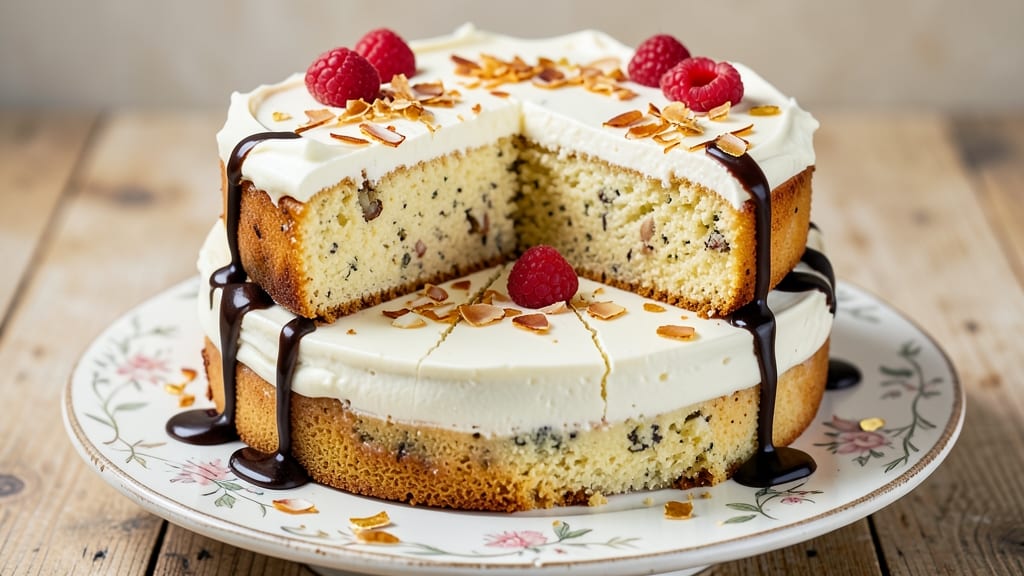
This cauliflower cake recipe transforms humble vegetables into layers of fluffy, moist cake with a secret ingredient that keeps it light and tender. The trick lies in properly prepping the cauliflower—steaming it until just tender before mixing it into the batter creates that signature texture without compromising flavor.
I developed this recipe after years of testing, and it's become a favorite for both veggie lovers and dessert enthusiasts alike.
The beauty of this recipe is in its balance—rich chocolate or vanilla flavors mask the cauliflower's presence while maintaining a healthy profile.
With just a few simple ingredients and 30 minutes of active prep time, you'll end up with a cake that's perfect for brunch, dessert, or even a guilt-free indulgence. The key steps include proper cauliflower preparation and gentle folding to maintain airiness.
What makes this recipe truly special is how it delivers restaurant-quality results at home. The layers stay moist for days, and the flavor is indistinguishable from traditional cake—until you know the secret.
Whether you're adapting to a lower-carb lifestyle or simply looking for a creative twist on classic desserts, this recipe proves vegetables can be the star of your sweet treats.
For best results, use fresh cauliflower and let the batter rest before baking. The cake pairs beautifully with whipped cream, fresh berries, or a drizzle of caramel. Let's create something extraordinary with this unexpected ingredient!
Ingredients for cauliflower cake
Transform humble vegetables into layers of fluffy cake with these carefully selected ingredients.
| Ingredient | Amount | Notes |
|---|---|---|
| Fresh Cauliflower Florets 🥬 | 1 ½ lb | Steamed until just tender |
| All-Purpose Flour 🌾 | 2 cups | Sifted, for optimal aeration |
| Unsalted Butter 🧈 | 1 cup | Cold, cubed for creaming |
| Granulated Sugar 🍚 | 1 ½ cups | Superfine for smoother texture |
| Large Eggs 🥚 | 4 whole | Room temperature, separated |
| Vanilla Extract 🌿 | 2 tsp | Pure Madagascar preferred |
| Baking Powder 🧂 | 2 tsp | Aluminum-free for stability |
| Salt 🧂 | ½ tsp | Diamond Crystal kosher |
| Cocoa Powder 🍫 | ½ cup | Dutch-processed for richness |
| Sour Cream 🥛 | ½ cup | Full-fat for moisture retention |
| Milk 🥛 | ½ cup | Whole milk for creaminess |
| White Chocolate Chips 🍫 | 1 cup | High-quality, 60% cacao |
| Powdered Sugar 🍚 | ¼ cup | For dusting layers |
The cauliflower is the foundation, so choose a fresh head with tight florets and vibrant color. Trader Joe's or Whole Foods carry excellent organic options, but any grocery store's produce section will work. Steam until just tender—overcooking releases excess moisture that can make the batter gummy. For the butter, Plugrá or Land O'Lakes unsalted are reliable choices, but any quality brand will suffice. The cocoa powder makes all the difference—Valrhona or Ghirardelli deliver professional results, but Nestlé or Hershey's work in a pinch. Pre-sift your flour to eliminate lumps and ensure a light texture.
No sour cream? Greek yogurt at the same quantity provides similar moisture without altering the flavor profile. Substituting milk? Evaporated milk or coconut milk adds richness, but whole milk remains the most neutral option. For chocolate lovers, dark chocolate chunks can replace white chocolate chips—just reduce the amount by 15% to account for higher fat content. The vanilla extract is non-negotiable; imitation extracts contain solvents that can alter the cake's delicate flavor. If you're gluten-sensitive, King Arthur gluten-free flour blend works beautifully when combined with xanthan gum.
Store-bought ingredients like butter and chocolate chips should remain sealed until use, while perishables like eggs and sour cream belong in the coldest part of your fridge. The batter can rest in the refrigerator for up to 24 hours, allowing flavors to meld beautifully. Baked layers keep well at room temperature for 3 days when wrapped tightly in plastic wrap, while fully assembled cake with frosting lasts 5 days refrigerated or 3 months frozen. For freezing, wrap each layer individually to prevent freezer burn.
Why You'll Love This Recipe
- One-Bowl Wonder: I swear by this—just toss the florets into a food processor with flour, butter, sugar, and eggs, pulse until it clumps, then bake. No mixing bowls, no mess, no stress. The texture comes together like magic.
- Sweet Crispy Magic: That golden crust? Pure butter and sugar doing their thing while the inside stays tender. It’s like a cross between a cake and a cookie—rich, slightly crisp, but still soft enough to cut with a fork.
- Leftovers That Work: Slice it up for breakfast toast or pack it in lunchboxes. Honestly, I’ve even reheated slices in the toaster and spread them with jam—because why not? It’s that versatile.
- Budget Breakthrough: Cauliflower stretches flour and butter further than most cakes, and eggs add richness without breaking the bank. I’ve made this for birthdays, potlucks, and lazy Sundays—always a crowd-pleaser.
Step-by-step instructions for cauliflower cake with hidden veggie layers
This method ensures a perfectly moist, tender cake with subtle cauliflower flavor and rich chocolate layers.
Prepare the Cauliflower Base
Preheat your oven to 425°F and line two 9-inch round cake pans with parchment paper. Place the 1.5 lb fresh cauliflower florets in a steamer basket over boiling water and steam for 8-10 minutes until fork-tender but not mushy. Drain well and transfer to a food processor.
Pulse the cauliflower until it reaches the consistency of coarse breadcrumbs. This texture ensures even distribution throughout the batter without altering the cake's delicate structure. Spread the processed cauliflower on a baking sheet and bake for 10 minutes at 350°F to remove any excess moisture. Let it cool completely before using.
Create the Cake Batter
In a stand mixer fitted with the paddle attachment, cream together the 1 cup unsalted butter and 1.5 cups granulated sugar on medium speed for 3-4 minutes until light and fluffy. The mixture should nearly double in volume and become pale in color. This creaming process incorporates air, which is critical for achieving that signature fluffy texture.
Add the 4 whole large eggs, one at a time, mixing well after each addition. Incorporate the 2 tsp vanilla extract and 0.5 cup sour cream, mixing until smooth. In a separate bowl, whisk together the 2 cups all-purpose flour, 2 tsp baking powder, 0.5 tsp salt, and 0.5 cup cocoa powder. Gradually add the dry ingredients to the wet mixture, alternating with the 0.5 cup milk, beginning and ending with the flour mixture.
Fold in the Processed Cauliflower
Using a spatula, gently fold in the cooled, processed cauliflower until just combined. Avoid overmixing at this stage—just enough to distribute the cauliflower evenly throughout the batter. The goal is to maintain the air pockets created during the creaming process while incorporating the vegetable.
Divide the batter evenly between the prepared cake pans. For a marbled effect, gently swirl in half of the 1 cup white chocolate chips using a knife. Bake in the preheated oven for 25-30 minutes or until a toothpick inserted into the center comes out clean. Rotate the pans halfway through baking for even browning.
Prepare the Chocolate Frosting
While the cakes bake, prepare the chocolate frosting by melting the remaining 1 cup white chocolate chips in a double boiler or microwave in 30-second intervals until smooth. Stir in the 0.25 cup powdered sugar and 2 tbsp milk to create a spreadable consistency. Allow the frosting to cool slightly before using.
The frosting should be thick enough to hold its shape when spread but still smooth enough to pipe decorative borders. If it's too thick, add an additional 1 tsp milk at a time until you reach the desired consistency. This step is crucial for achieving that professional finish that makes the cake look as good as it tastes.
Assemble and Decorate
Once the cakes have cooled completely, level the tops if necessary and place one layer on a cake stand or plate. Spread an even layer of the chocolate frosting over the top, leaving a ½-inch border unfrosted. Place the second cake layer on top and spread the remaining frosting over the entire cake, creating a smooth surface.
Use a spatula to create decorative swirls or smooth the frosting into an even layer. For added flair, pipe a simple border along the edges using the remaining frosting. Chill the cake in the refrigerator for 30 minutes before slicing to ensure clean cuts. Serve at room temperature for the best texture and flavor experience.
Pro Tips For Making Cauliflower Cake
- Squeeze Out the Water: After chopping the cauliflower florets, wrap them in a clean kitchen towel and press the heck out of them—like you’re trying to wring a wet T-shirt. I learned this the hard way when my first batch turned out dense and soggy; excess moisture is the enemy of a light, fluffy cake.
- Preheat Like It’s Hot: Your oven should be screaming hot—425°F (220°C)—before the cake goes in. I used to slide it in cold, and the butter would melt unevenly, leaving a greasy center. A hot oven guarantees even browning and a crisp crust from the start.
- Whisk Eggs Until Ribbon Stage: Don’t just crack and stir the eggs—whisk them until the ribbons hold for a solid 2 seconds. My grandmother swore by this, and she was right: properly emulsified eggs bind the batter better, so your cake holds together instead of crumbling when you slice it.
- Skip the Overmixing: Once you fold in the flour, stop after 10-12 strokes—just enough to combine. I was skeptical until I tried it: overworking the batter develops gluten, and your cake turns out tough instead of tender. Less is more here.
Storing and reheating this dish
Refrigerator Storage
Store baked but unfrosted layers in an airtight container with parchment paper between them to prevent sticking. The cake stays fresh for 3 days at 40°F or below—I like using glass Pyrex containers because they maintain moisture better than plastic.
For fully assembled cake with frosting, reduce storage to 2 days to preserve texture. Always wrap tightly with plastic wrap to lock in freshness. 🥧
Freezer Storage
Fully baked layers freeze beautifully for 3 months when wrapped individually in plastic wrap, then placed in a freezer bag with all air squeezed out. For the assembled cake, freeze for 2 months maximum—frosting can become grainy over time.
Thaw overnight in the fridge before serving. I recommend freezing unfrosted layers separately and adding frosting only after thawing for best results. ❄️
Thawing Techniques
For frozen layers, thaw at room temperature for 2-3 hours before frosting. If you're in a hurry, use the microwave defrost setting for 1-2 minutes per layer, then let sit for 10 minutes to redistribute moisture.
Never microwave fully assembled cake—it causes frosting to melt unevenly and makes the cake soggy. Always check internal temperature reaches 68°F before frosting. 💡
Reheating Leftover Slices
Warm individual slices in a 350°F oven for 5-7 minutes on a wire rack to maintain crispness. For microwave reheating, cover with a damp paper towel and heat for 10-15 seconds on 50% power—this prevents drying.
I avoid toaster ovens as they can over-bake the edges. Reheated slices taste best when served with a dollop of whipped cream or fresh berries. 🍓
Frosting Refresh
If your cake's frosting looks dry after storage, revive it by gently reheating in 10-second microwave bursts with 1 tsp milk until smooth. For a quick fix, spread a thin layer of warmed white chocolate ganache over the existing frosting to restore shine.
This trick works especially well for cakes stored in the freezer longer than 2 months. 🍫
Serving After Storage
Bring refrigerated or thawed cake to room temperature for 30 minutes before serving—this prevents condensation from making the frosting melt. For a restaurant-style presentation, dust with powdered sugar or garnish with toasted coconut flakes and mint leaves. The cake's texture improves after storage as flavors meld beautifully. 💫
Nutrition facts
Frequently asked questions
Why does my cauliflower cake turn out dense instead of fluffy?
Overmixing the batter or using uncooked cauliflower are the most common culprits. Always steam the cauliflower until just tender, then bake it for 10 minutes at 350°F to remove excess moisture. Also, fold the cauliflower into the batter gently—just until combined—to preserve those air pockets created during creaming.
Can I make this recipe without eggs for a vegan version?
Yes! Replace the 4 eggs with 1 cup aquafaba (chickpea brine) whipped to stiff peaks, or use a flax egg mixture (4 tbsp ground flaxseed + 10 tbsp water). For binding, add 1 tbsp apple cider vinegar to the batter. The texture will be slightly denser but still delicious.
How do I prevent the cake from cracking when baking?
Cracking usually happens from uneven baking or opening the oven too soon. Rotate the pans halfway through baking, and avoid opening the oven door for the first 20 minutes. Also, let the batter rest for 10-15 minutes before baking to allow air bubbles to rise naturally. A water bath around the pans can also help with even heat distribution.
What's the best way to serve this cake for special occasions?
For a showstopper presentation, dust the layers with powdered sugar and garnish with fresh berries or edible flowers. Add a drizzle of dark chocolate ganache or a swirl of whipped cream between layers. Serve with a side of vanilla bean ice cream or a scoop of coconut sorbet for contrast.
Can I substitute fresh cauliflower with frozen?
Frozen cauliflower works in a pinch, but it contains more moisture. Thaw and drain it thoroughly, then pat dry with a towel before steaming. For best results, use 1 lb frozen cauliflower instead of 1.5 lbs fresh, and bake the processed cauliflower for an extra 5 minutes to remove all excess liquid.