
Side Dishes
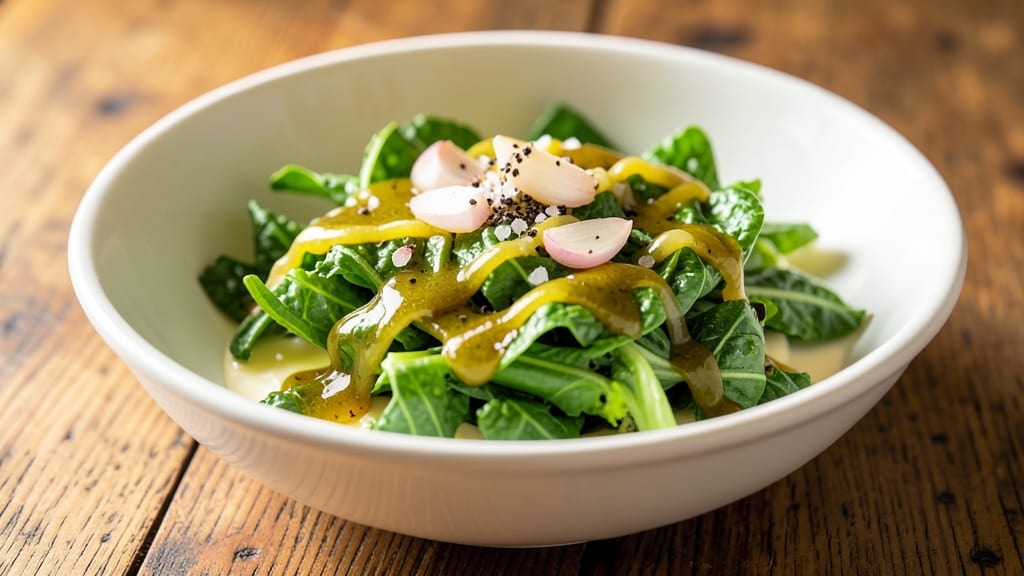
Transforming cauliflower leaves into a vibrant, garlicky side dish is one of those cooking discoveries that changes how you view vegetables. Standing on a step stool in my grandmother’s kitchen in Sicily, I first learned how to coax flavor from humble greens—this recipe captures that same magic.
The secret lies in the balance of lemon’s bright acidity and garlic’s warm depth, turning simple leaves into something restaurant-worthy.
This method requires just 15 minutes of active prep and delivers a dish that’s vegetarian-friendly, packed with nutrients, and ready to pair with anything from grilled meats to hearty grains. The key is blanching the leaves first—this softens them just enough to wilt beautifully while preserving their natural texture.
No fancy equipment needed, just a pot of boiling water and a skillet.
What you’ll end up with is a plate of garlicky, zesty greens that cling to every bite, their edges slightly crisped from the final sauté. The lemon brightens the garlic’s intensity, while a touch of olive oil keeps everything silky.
It’s the kind of side dish that makes people ask, “What kind of greens are these?”—and then immediately want seconds.
Serve alongside roasted vegetables, as a bed for grilled fish, or even as a standalone salad with toasted nuts. The possibilities are as endless as the flavor. Let’s get cooking—this recipe is simpler than it tastes.
Ingredients for cauliflower leaves
Nine simple ingredients transform humble cauliflower leaves into restaurant-worthy greens.
| Ingredient | Amount | Notes |
|---|---|---|
| Cauliflower Leaves 🥬 | 12 cups | Fresh, tough stems removed |
| Extra-Virgin Olive Oil 🫒 | ¼ cup | High-quality, fruity variety |
| Garlic Cloves 🧄 | 6 cloves | Fresh, minced finely |
| Lemon Juice 🍋 | ⅛ cup | Freshly squeezed |
| Sea Salt 🧂 | 1 ½ tsp | Fine grain preferred |
| Freshly Ground Black Pepper 🌶️ | ½ tsp | Freshly cracked preferred |
| Red Pepper Flakes 🔥 | ¼ tsp | Optional, for heat |
| Toasted Pine Nuts 🥜 | ¼ cup | Or walnuts for budget |
| Fresh Basil Leaves 🌿 | ¼ cup | Chopped, for garnish |
| Water 💧 | 4 cups | For blanching |
| Ice Cubes ❄️ | 2 cups | For shocking leaves |
Cauliflower leaves are the star here—look for bright green, crisp leaves at the store. Trader Joe's or local farmers markets usually have the freshest. If you're using a whole cauliflower, just pull off the outer leaves—no need to cut the head. The garlic should be plump and firm, not sprouting. I always grab extra lemon because the juice gets used in everything these days. Pine nuts are pricey, so walnuts or pecans work just as well if you're watching your budget. Fresh basil is ideal, but dried oregano at half the amount works in a pinch.
No fresh garlic? Garlic powder at half the amount gets you close, but fresh is worth it. Short on lemon? White vinegar or apple cider vinegar adds brightness, though it changes the flavor slightly. The olive oil matters—cheap oil tastes bad, so splurge on something fruity. No red pepper flakes? Skip it or use a pinch of cayenne. The blanching water doesn't need to be salted unless you're feeling fancy. Ice cubes? Grab a handful from your freezer—no need to measure.
Blanched leaves keep for 2 days in the fridge, sealed in a container with paper towels to absorb moisture. The cooked greens reheat beautifully—just toss with a splash of water and warm through. I like to portion the pine nuts separately so they stay crisp. This dish is even better the next day as the flavors meld. Freeze blanched leaves for up to 1 month if you want to prep ahead.
Why You'll Love This Recipe
- No-Waste Magic: I swear by this trick—those tough outer cauliflower leaves that always get tossed? They crisp up like potato chips when roasted with olive oil and salt. My kids now beg for them as a snack, and I don’t even have to buy extra chips.
- Garlic-Lemon Zing: That bright lemon juice and raw garlic punch cuts through the richness of the oil, giving every bite a fresh, almost Mediterranean vibe. It’s the kind of flavor that makes you reach for seconds without even thinking—like a lighter, crunchier version of garlic bread.
- Meal Prep Hero: Between us, this is my go-to for lazy Sundays or busy weeknights. Toss the leaves in a container, drizzle with oil, and store them in the fridge for up to 5 days. When I’m starving, I just roast a handful straight from the fridge—no chopping, no fuss.
- Pantry Staple Power: Honestly, it’s one of those recipes where you’ll wonder why you didn’t try it sooner. The ingredients cost pennies, and the leftovers reheat like a dream. I’ve served them as a side, a snack, even as a bed for grilled fish—proof that simple can be ridiculously good.
Step-by-step instructions for wilted cauliflower leaves
This method transforms tough cauliflower leaves into tender, flavorful greens in minutes.
Blanch the Cauliflower Leaves
Bring the 4 cups water to a rolling boil in a large pot. While waiting, separate the 12 cups cauliflower leaves and discard any thick stems. Once boiling, add the leaves in batches and cook for exactly 1 minute. You'll see them wilt dramatically—that's perfect.
Use a slotted spoon to transfer the blanched leaves to a large bowl filled with 2 cups ice cubes. This shocking step stops the cooking process and preserves their vibrant green color. Let them sit in the ice water for 2 minutes, then drain thoroughly using a colander.
Sauté the Garlic in Olive Oil
Heat the 0.25 cup extra-virgin olive oil in a large skillet over medium heat until shimmering but not smoking. Add the 6 cloves minced garlic and sauté for 30 seconds until fragrant—you'll smell that sweet, nutty aroma filling your kitchen.
Be careful not to let it brown. Burnt garlic tastes bitter and ruins the delicate flavor of these greens. Once the garlic is just turning golden, remove the skillet from heat and set it aside temporarily.
Combine and Season
Return the skillet to medium heat and add the drained cauliflower leaves. Toss them gently with tongs for 1 minute until they begin to wilt and soften. Pour in the 0.125 cup lemon juice and sprinkle with the 1.5 teaspoons sea salt, 0.5 teaspoon freshly ground black pepper, and 0.25 teaspoon red pepper flakes.
Toss everything together for another 2 minutes until the leaves are tender but still bright green. The lemon juice will brighten the flavor and cut through any bitterness. You're looking for leaves that collapse easily when pressed between your fingers.
Finish with Toasted Nuts and Basil
Remove the skillet from heat and stir in the 0.25 cup toasted pine nuts and 0.25 cup chopped fresh basil leaves. The pine nuts add a delightful crunch while the basil brings fresh, herbal notes that complement the garlic and lemon.
Taste and adjust seasoning if needed. These greens should be bright, garlicky, and just slightly tangy from the lemon. Serve immediately while still warm for the best texture and flavor combination.
Pro Tips For Making Cauliflower Leaves
- Blanch Before Searing: I learned this the hard way—skip the blanch, and you’ll end up with limp, sad leaves. Drop the cauliflower leaves into boiling salted water for 30 seconds, then shock in ice water. They’ll crisp up perfectly when you later sear them in olive oil, not turn to mush. (Yes, even if you’re impatient like me.)
- Use Garlic Paste: Minced garlic burns faster than you think, especially when you’re distracted. Swap fresh garlic for 1 tablespoon of garlic paste—it cooks evenly without browning, and the flavor stays bright. No paste? Smash a whole clove with the flat of your knife first; that’s the next best thing.
- Salt the Oil: Tossing salt after cooking is a missed opportunity. Heat your olive oil in a pan, then add ½ teaspoon of sea salt before the leaves go in. The salt dissolves into the oil, coating every leaf instantly—no dry spots, no afterthought seasoning. (Your future self will notice the difference.)
- Squeeze Lemon Last: Acid kills crispness faster than you’d believe. Sear the leaves until golden, then pull the pan off heat before adding lemon juice. Let them rest 1 minute—this locks in the crunch. Drizzle lemon over the top right before serving, not while cooking. (I know, I know, but trust the process.)
Creative variations of this recipe
Mediterranean Stuffed Leaves
Inspired by my Nonna’s Sicilian stuffed peppers, these cauliflower leaves become crispy, flavorful pockets when stuffed with herbed rice and cheese.
Blanch the leaves as directed, then mix 1 cup cooked Arborio rice, ½ cup crumbled feta, 2 tbsp chopped parsley, 1 tsp dried oregano, and 1 tbsp lemon zest. Spoon into each leaf, roll tightly, and bake at 375°F for 20 minutes until golden.
Serve with a drizzle of balsamic glaze for a showstopping vegetarian main. 🌟
Spicy Cajun Sauté
For a bold twist, skip the blanching and sauté the leaves in 1 tbsp Cajun seasoning (like Tony Chachere’s) with 2 tbsp butter instead of olive oil. Add 1 diced jalapeño and 1 tbsp smoked paprika for depth.
Toss in ½ cup diced bell peppers and ¼ cup chopped green onions at the end. This version pairs perfectly with grilled shrimp or blackened fish. 🔥
Asian-Inspired Stir-Fry
Transform these greens into a quick Asian stir-fry by blanching the leaves, then tossing them with 1 tbsp sesame oil, 1 tbsp soy sauce, 1 tsp grated ginger, and 1 tsp honey. Finish with 2 tbsp chopped scallions and 1 tbsp toasted sesame seeds.
Serve over steamed jasmine rice or as a wrap with shrimp and avocado. The umami from the soy sauce elevates the natural sweetness of the leaves. ✨
Roasted Cauliflower Leaf Chips
For a crunchy snack, tear the blanched leaves into 2-inch pieces and toss with 1 tbsp olive oil, ½ tsp garlic powder, and ½ tsp smoked salt. Spread on a baking sheet and roast at 375°F for 8-10 minutes until edges curl and crisp.
These make a great appetizer or topping for soups. Store in an airtight container for up to 3 days. 🥜
Creamy Lemon Pasta
Use the blanched leaves as a base for a creamy pasta sauce. Sauté 3 cloves garlic in 2 tbsp butter, then add 1 cup heavy cream and ½ cup grated Parmesan. Toss in the leaves and cook for 2 minutes until wilted.
Stir in ½ lb cooked fettuccine and finish with zest of 1 lemon. The leaves add a subtle bitterness that balances the richness. 🍋
Stuffed Cauliflower Leaf Tacos
Blanch the leaves, then stuff each with ¼ cup black beans, 2 tbsp corn, ¼ avocado, and 1 tbsp cotija cheese. Wrap in a warm tortilla and drizzle with lime crema (mix ¼ cup sour cream with 1 tbsp lime juice).
This vegetarian taco is a crowd-pleaser at summer BBQs. 🌮
Nutrition facts
Frequently asked questions
Can I use frozen cauliflower leaves instead of fresh?
Fresh is ideal, but frozen leaves will work in a pinch. Just thaw them completely in cold water first, then pat them very dry before blanching. Frozen leaves may release more water during cooking, so drain them extra well after blanching to prevent a soggy texture in your dish.
How do I remove the tough stems from cauliflower leaves?
Simply hold each leaf at the base where the stem meets the leaf and gently pull it downward. The stem should separate cleanly from the tender leaf. For thicker stems, use a sharp knife to trim them away—just be careful not to cut into the leaf itself. Toss any tough stems you can't remove entirely.
What if my cauliflower leaves turn bitter during cooking?
Overcooking causes bitterness, so stick to the 1-minute blanching time. The ice bath also helps preserve freshness. To reduce bitterness, add more lemon juice (up to 2 tablespoons) or a pinch of sugar during the final sauté. If using older leaves, blanch them for just 30 seconds instead.
Can I make this recipe ahead of time?
Blanch the leaves and store them in an airtight container with paper towels for up to 2 days. Reheat by sautéing in fresh olive oil with garlic for 2-3 minutes. For the final dish, assemble it just before serving to keep the pine nuts crisp and basil fresh.
What other greens can I substitute for cauliflower leaves?
Try blanched collard greens or Swiss chard for a similar texture. Kale works too, but remove the tough stems first. For a milder flavor, use spinach or romaine—just reduce the cooking time to 30 seconds since they wilt faster. Adjust seasoning to taste after substituting.