
Side Dishes
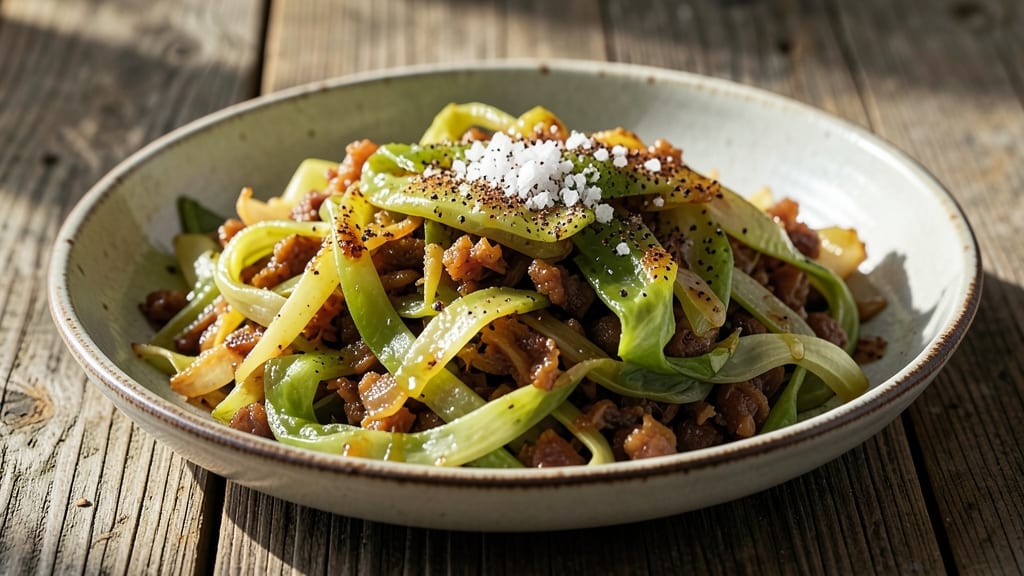
Balancing the tangy-sour crunch of sauerkraut with sweet, tender cabbage creates a side dish that feels both comforting and sophisticated—exactly what I developed after my daughter Lily declared store-bought sauerkraut "too gross."
The secret lies in slow-cooking the cabbage until it's fork-tender while preserving the sauerkraut's signature tang, all in one pan with minimal effort.
This recipe transforms humble ingredients into a vegetarian powerhouse that absorbs flavors beautifully. You'll start with fresh cabbage—shredded and sautéed until it softens to a melt-in-your-mouth texture—then fold in sauerkraut that's been gently warmed to mellow its sharpness without losing its bright acidity.
A touch of apple cider vinegar and smoked paprika ties everything together, creating a dish that's restaurant-quality but impossible to mess up.
The result is a one-pan wonder with layers of texture: crisp edges from the cabbage, tender centers, and the tangy crunch of sauerkraut that cuts through richness. It pairs perfectly with roasted meats, grilled fish, or even as a standalone vegetarian main when served with crusty bread.
The aroma alone—warm cabbage mingling with fermented tang—will have everyone at the table asking for seconds.
Best of all, this dish comes together in under 40 minutes with just five key ingredients, making it ideal for weeknight dinners or meal prep. The slow cooking ensures deep flavor development, while the sauerkraut adds a probiotic boost that's as good for you as it is delicious.
Let's get cooking—your taste buds (and gut) will thank you.
Ingredients for cooked cabbage sauerkraut
Five ingredients transform humble cabbage into a tangy, restaurant-worthy vegetarian side dish.
| Ingredient | Amount | Notes |
|---|---|---|
| Green Cabbage 🥬 | 1 ½ lb | Shredded into thin ribbons |
| Sauerkraut 🥬 | 1 jar | Unopened for best tang |
| Extra-Virgin Olive Oil 🫒 | 2 tbsp | Light fruity variety preferred |
| Apple Cider Vinegar 🍎 | 1 tbsp | Raw, unfiltered preferred |
| Smoked Paprika 🌶️ | 1 tsp | For subtle smokiness |
| Diamond Crystal Kosher Salt 🧂 | ½ tsp | For balanced seasoning |
| Freshly Ground Black Pepper 🌶️ | ¼ tsp | For finishing touch |
| Fresh Parsley 🌿 | ¼ cup | Chopped, for garnish |
The cabbage is the star here—green cabbage with its tight, crisp leaves works best, but purple or red cabbage adds visual drama. Grab the heaviest head you can find at Whole Foods or your local farmers market for the freshest flavor. Look for leaves that are firm, not wilted, and avoid any with yellowing edges. The sauerkraut? Unopened jars from the refrigerated section keep the tang sharpest—Bubbies or Rehrl are my go-tos, but any store-brand will do. If you're feeling adventurous, try kimchi-style sauerkraut for extra heat, but stick to classic for this recipe.
No extra-virgin olive oil? Light olive oil or avocado oil works just fine—just avoid anything with a strong flavor that might overpower the cabbage. Apple cider vinegar can be swapped for white wine vinegar or lemon juice, but the apple adds a subtle sweetness that balances the tang. Smoked paprika is key for that restaurant-quality depth, but regular paprika plus a pinch of liquid smoke gets you close. The parsley is purely for freshness—skip it if you're short, but the dish will still taste amazing. For extra richness, stir in 1 tbsp of vegan butter at the end, especially if serving with meat.
This dish tastes even better the next day—4-5 days in the fridge, sealed tightly. The flavors meld beautifully, and the cabbage softens further. For meal prep, portion into glass containers with tight lids to keep the sauerkraut's tang intact. Reheat gently on the stove with a splash of water to restore moisture. Freezes well for 3 months if you add an extra tablespoon of olive oil before sealing—prevents freezer burn and keeps everything tender.
Why You'll Love This Recipe
- One-Pan Magic: I swear by this recipe when I need a side dish that doesn’t require a million pots. Just toss shredded green cabbage and sauerkraut in a skillet with olive oil, vinegar, and a pinch of smoked paprika—no chopping, no fuss. Twenty minutes later, you’ve got something that smells like a cozy dinner party.
- Tangy-Smoky Kick: That apple cider vinegar brightens everything up while the smoked paprika adds this deep, earthy warmth. The cabbage gets tender but still holds its shape, and the sauerkraut brings that perfect funky crunch. Honestly, it’s the kind of flavor that makes you reach for seconds without even thinking.
- Weeknight Workhorse: This dish is my go-to for busy evenings because it pairs with everything—grilled chicken, roasted potatoes, even just toast with butter. And if you make a big batch? It keeps well in the fridge for days, so you’re not stuck scrambling for dinner ideas later in the week.
- Budget-Friendly Staple: Green cabbage and sauerkraut are cheap, and you’re using them in a way that feels special. No fancy ingredients, just good, honest flavors that don’t break the bank. Plus, leftovers reheat beautifully, so you’re basically getting two meals for the price of one. (Yes, even on a Tuesday night.)
Instructions for cooked cabbage with sauerkraut
This one-pan method transforms simple ingredients into a vibrant, tangy-sour dish with minimal effort.
Prep the Cabbage for Even Cooking
Start by removing the outer leaves from the 1.5 lb green cabbage and discard any wilted or damaged portions. Quarter the cabbage lengthwise, then slice each quarter into thin ribbons using a sharp chef's knife. Aim for even strips about ¼-inch wide—they should be consistent in size so they cook uniformly. Place the sliced cabbage in a large bowl and set aside.
Here's the thing—thin, even slices ensure the cabbage softens completely without becoming mushy. If you're using a mandoline for precision, remove the thickest slices and cut them again. The goal is tender yet slightly crisp cabbage that holds its shape when tossed with the sauerkraut.
Sauté the Cabbage in Olive Oil
Heat a large, deep skillet or Dutch oven over medium heat until it's just hot enough to shimmer. Add the 2 tbsp extra-virgin olive oil and swirl to coat the bottom evenly. Once the oil is hot but not smoking, add the sliced cabbage in a single layer, leaving space between pieces so they don't steam.
Let the cabbage cook undisturbed for 5-6 minutes, stirring only once or twice to prevent browning. You'll see the edges begin to soften and the cabbage release its natural moisture. This initial cooking step develops deep flavor through caramelization—don't rush it. If the cabbage starts to brown too quickly, reduce the heat slightly to medium-low.
Add Sauerkraut and Seasonings
Open the 1 jar of sauerkraut and drain it thoroughly, pressing out as much liquid as possible with your hands or a clean kitchen towel. Add the sauerkraut to the skillet with the cabbage and stir gently to combine. Pour in the 1 tbsp apple cider vinegar, then sprinkle over the 1 tsp smoked paprika, 0.5 tsp diamond crystal kosher salt, and 0.25 tsp freshly ground black pepper.
The sauerkraut's tangy liquid will sizzle and evaporate slightly, concentrating its flavor. Stir everything together and let it cook for another 5-7 minutes over medium heat. You're looking for the cabbage to soften completely while the sauerkraut releases its signature tang. The mixture should look glossy and well-coated with the vinegar and oil.
Simmer to Develop Flavor
Reduce the heat to low and cover the skillet with a tight-fitting lid. Let the mixture simmer gently for 15-20 minutes, stirring occasionally. This step allows the cabbage to absorb all the flavors while preventing it from drying out. You'll know it's ready when the cabbage is fork-tender and the sauerkraut has softened slightly but still retains its texture.
If the mixture looks too dry after 15 minutes, add 2-3 tablespoons of water or the reserved sauerkraut liquid to maintain moisture. The dish should have a balanced consistency—neither soupy nor bone-dry. Taste as you go, adjusting seasoning if needed. The smoked paprika should add a subtle warmth that complements the tangy-sour profile.
Finish and Garnish
Remove the skillet from heat and let it sit for 2-3 minutes to allow the flavors to meld. Stir in the 0.25 cup chopped fresh parsley, reserving a small handful for garnish. The parsley adds a bright, fresh contrast to the tangy-sour cabbage. Taste one last time and adjust seasoning if necessary—this is your opportunity to fine-tune the balance between sweet, sour, and smoky notes.
Serve immediately while still warm, garnished with the reserved parsley. The dish pairs beautifully with crusty bread, roasted meats, or even as a side to grilled fish. The key to its success lies in the balance of textures—tender cabbage, slightly crisp sauerkraut, and the freshness of the parsley. Enjoy it while the flavors are at their peak!
Pro Tips For Making Cooked Cabbage Sauerkraut
- Prep Cabbage Thin: Shave the green cabbage into paper-thin slices—no need for a mandoline, just use a sharp knife and steady pressure. Thinner slices cook faster and soak up the sauerkraut’s tang without turning mushy, even if you rush a little (we’ve all been there).
- Squeeze Out Sauerkraut Juice: Drain the sauerkraut, then press it between paper towels to remove excess liquid. Wet sauerkraut steams instead of caramelizing, and you’ll end up with a soggy pile instead of crisp-tender bites. Do this step first—it’s non-negotiable.
- Start Medium-Hot, Finish Low: Sear the cabbage and sauerkraut in olive oil over medium-high heat for 5 minutes to deepen the smoky flavor, then drop to low. High heat the whole time just burns the paprika and leaves you with bitter, uneven cooking. Trust me, the paprika needs patience.
- Deglaze with Vinegar: After browning the cabbage, splash in the apple cider vinegar before adding the paprika—it cuts through the bitterness and lifts the flavors. Skip this, and your dish will taste flat, like someone forgot the seasoning. (Yes, it’s that important.)
Best sauces and condiments for this recipe
Creamy Garlic Sauce
Balance the tang with a velvety garlic-herb sauce made from ½ cup vegan butter, 2 minced garlic cloves, and ¼ cup heavy cream (or coconut cream for dairy-free).
Sauté the garlic in the butter until golden—about 2 minutes—then whisk in the cream and simmer for 3 minutes until thickened. Pour over the cooked cabbage-sauerkraut mixture just before serving. The richness mellows the sauerkraut's acidity while adding a luxurious finish. 🌟
Sweet and Smoky Maple Glaze
For a caramelized twist, mix 2 tbsp pure maple syrup, 1 tbsp apple cider vinegar, and ½ tsp smoked paprika in a small saucepan. Simmer over medium heat for 4-5 minutes until slightly thickened.
Drizzle over the warm cabbage-sauerkraut and toss gently. The maple's sweetness contrasts beautifully with the sauerkraut's tang, while the vinegar keeps it bright. This works especially well if you're serving with roasted pork or grilled chicken.
Spicy Mustard Dressing
Whisk together ¼ cup Dijon mustard, 2 tbsp olive oil, 1 tbsp apple cider vinegar, and ½ tsp cayenne pepper for a bold, tangy dressing. Thin with 1-2 tbsp water if needed. Toss the cooked cabbage-sauerkraut with this dressing just before serving.
The mustard adds depth, while the cayenne gives it a subtle kick that pairs perfectly with the fermented flavors. I love this version when I'm craving something with a little more punch. 🌶️
Creamy Horseradish Sauce
Combine ¼ cup prepared horseradish cream (like Goya or homemade), 1 tbsp sour cream, and ½ tsp lemon juice for a sharp, creamy contrast. Spread a dollop over each serving or drizzle lightly over the top.
The horseradish's heat cuts through the richness of the cabbage while the creaminess balances the sauerkraut's acidity. This is my go-to when serving with roasted meats or hearty vegetarian dishes like stuffed cabbage rolls.
Simple Olive Oil Drizzle
For the simplest option, warm 2 tbsp extra-virgin olive oil with ½ tsp garlic powder and a pinch of salt. Drizzle over the cooked cabbage-sauerkraut just before serving. The olive oil enhances the natural flavors without overpowering them, and the garlic adds a subtle depth.
This is my default choice when I want to keep things light and fresh—perfect for summer meals or when serving with grilled fish. 🫒
Nutrition facts
Frequently asked questions about cooking cabbage with sauerkraut
Can I use purple or red cabbage instead of green?
Purple or red cabbage works beautifully and adds vibrant color to the dish. The flavor profile remains similar, though purple cabbage may have a slightly sweeter taste. Just be aware that red cabbage tends to soften faster than green, so check for doneness a minute or two earlier than the recipe suggests.
How do I mellow the sauerkraut's tanginess?
Simmering the sauerkraut gently with the cabbage helps soften its sharpness. For extra mildness, add 1 tbsp of honey or maple syrup during cooking or serve with a creamy sauce like the garlic-herb option. Draining the sauerkraut thoroughly before adding it also reduces excess liquid and acidity.
Can I make this dish ahead of time?
Yes! This recipe actually tastes better the next day as flavors meld. Store in an airtight container in the fridge for up to 4-5 days. Reheat gently on the stove with a splash of water to restore moisture. For meal prep, portion into glass containers to maintain freshness and prevent sogginess.
What's the best way to serve this dish?
This versatile side pairs perfectly with roasted meats, grilled fish, or even as a vegetarian main with crusty bread. For extra richness, serve with a dollop of vegan butter or the creamy garlic sauce. It also makes a great filling for stuffed cabbage rolls or wraps when chilled.
Why did my cabbage turn mushy?
Overcooking or using unevenly sliced cabbage causes mushiness. For perfect texture, slice cabbage into ¼-inch strips and cook undisturbed for 5-6 minutes before adding sauerkraut. Covering with a lid during the final simmer helps retain moisture without overcooking.