
Main Courses
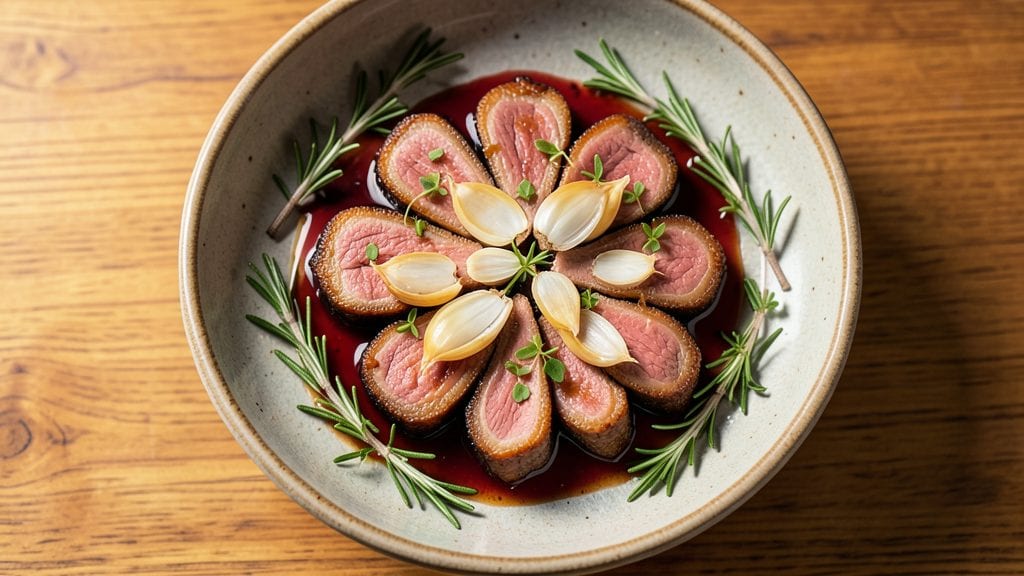
Cooking deer heart transforms a game meat byproduct into a velvety, umami-rich dish that rivals traditional cuts. This recipe unlocks the heart's natural tenderness and deep flavor through precise preparation—no culinary experience required. The key lies in proper trimming, marinating, and cooking methods that ensure both safety and exceptional texture.
Unlike tougher game meats, deer heart cooks quickly but demands attention to avoid rubbery results. A 30-minute marinade with acid (vinegar or citrus) and aromatics breaks down fibers, while high-heat searing or braising delivers that sought-after silky, melt-in-your-mouth finish.
The earthy umami profile makes it a standout protein for hearty meals.
This method yields golden-brown, flavorful slices with a texture that surprises even skeptics. Pair it with bold sides like roasted root vegetables or a tangy red wine reduction to complement its rich depth. Safety is critical—always cook deer heart to 160°F internal temperature to ensure it's safe for consumption.
Perfect for hunters, outdoor enthusiasts, or anyone looking to maximize game meat. The recipe scales easily for family dinners or meal prep, with variations for grilling, pan-frying, or slow-cooking. Let's get started with a technique that turns a humble byproduct into a restaurant-worthy centerpiece.
Ingredients for cooking deer heart
Transform humble game meat into a luxurious, umami-rich centerpiece with these carefully selected ingredients.
| Ingredient | Amount | Notes |
|---|---|---|
| Deer Heart 🦌 | 1 ½ lb | Freshly trimmed, excess fat removed |
| Red Wine Vinegar 🍷 | ¼ cup | For tenderizing marinade |
| Olive Oil 🫒 | ¼ cup | Extra-virgin for richness |
| Garlic Cloves 🧄 | 6 cloves | Minced for aromatic depth |
| Fresh Rosemary 🌿 | ¼ cup | Finely chopped, fresh preferred |
| Fresh Thyme 🌿 | ¼ cup | Leaves only, stems removed |
| Diamond Crystal Kosher Salt 🧂 | 1 ½ tbsp | For seasoning and marinade |
| Ground Black Pepper 🌶️ | 1 tsp | Freshly cracked preferred |
| Butter 🧈 | ½ cup | Unsalted, for pan-searing |
| Shallots 🧅 | 2 whole | Sliced thin for caramelization |
| Red Wine 🍷 | ½ cup | Dry variety for deglazing |
| Fresh Parsley 🌿 | ⅛ cup | Chopped for garnish |
| Heavy Cream 🥛 | ¼ cup | Full-fat for velvety finish |
The deer heart demands meticulous preparation—source from a trusted butcher or processor specializing in game meat, as improper handling can compromise texture. Look for freshly harvested hearts with minimal fat, as excess connective tissue requires extra trimming. Costco's game meat section or local hunters' markets often carry high-quality cuts. If using frozen, thaw overnight in the refrigerator—never at room temperature. The red wine vinegar in the marinade is non-negotiable; its acidity breaks down fibers while preserving the heart's delicate structure. For the herbs, fresh rosemary and thyme from a specialty market like Whole Foods elevate flavor beyond dried substitutes. The Diamond Crystal kosher salt ensures even seasoning without overpowering the earthy umami profile.
No red wine vinegar? Apple cider vinegar works in a pinch, though the flavor profile shifts slightly. Substituting dried herbs requires halving the quantity—Penzeys Spices offers pre-measured blends if fresh isn't available. The shallots can be swapped for yellow onion, though they lack the subtle sweetness. For a non-alcoholic option, beef broth replaces the red wine in the deglazing step. Heavy cream is critical for the final sauce—full-fat versions like Organic Valley create a luxurious finish. If avoiding dairy, coconut cream mimics the richness, though texture differs slightly. The butter should be European-style for higher fat content, ensuring optimal searing.
Deer heart marinates best in the refrigerator for no more than 30 minutes—longer exposure risks over-tenderizing. Portion the trimmed hearts into uniform slices before cooking to ensure even doneness. Store any unused marinade in an airtight container for up to 5 days, though it's best used immediately. The finished dish reheats beautifully—gentle warming in a skillet with a splash of red wine preserves moisture. Freeze cooked portions for up to 3 months in a sealed container, thawing overnight in the fridge for optimal texture. Garnish with fresh parsley just before serving to maintain vibrant color.
Why You'll Love This Recipe
- Five-Ingredient Magic: I swear by this recipe because it’s that simple. The deer heart just needs a quick sear, then a splash of vinegar and olive oil—no fancy techniques, no stress. Honestly, the hardest part is remembering to grab fresh rosemary from the garden.
- Tender Crispy Contrast: That first bite—crispy edges, silky center—is what makes it worth it. The red wine vinegar cuts through the richness while the garlic and rosemary add a bright, herby punch. (Yes, even on a Tuesday night.)
- Game Day Staple: Between us, this is my secret weapon for tailgates or hunting trips. It reheats like a dream, so you can prep ahead and still serve it hot. The crowd goes wild, and I get to brag about "wild game magic."
- Budget Booster: Using the whole deer? This recipe stretches one heart into multiple meals without breaking the bank. Leftovers taste just as good cold in salads or reheated with a sprinkle of salt. Practical, satisfying, and no waste.
Step-by-step instructions for cooking deer heart with rich umami flavor
Transform tough deer heart into a luxurious, velvety dish using precise technique and aromatic herbs.
Prepare the Tenderizing Marinade
In a medium bowl, whisk together the 0.25 cup red wine vinegar, 0.25 cup olive oil, 1.5 tablespoons diamond crystal kosher salt, and 1 teaspoon ground black pepper until fully emulsified. This acidic marinade breaks down connective tissue while infusing flavor.
Add the 0.25 cup finely chopped fresh rosemary and 0.25 cup fresh thyme leaves, mixing until the herbs are evenly distributed. The vibrant green color indicates proper incorporation. Transfer the marinade to a resealable plastic bag and add the 1.5 lb deer heart, massaging it to ensure full coverage. Seal the bag and refrigerate for 24 hours, turning occasionally to maintain even contact with the marinade.
Sear the Heart for Deep Flavor
Remove the heart from the marinade and pat dry with paper towels, removing any remaining surface moisture. Heat a heavy skillet over medium-high heat and add 0.25 cup olive oil. Once shimmering, add the heart and sear for 3-4 minutes per side until developing a deep golden crust. The exterior should release easily from the pan when ready.
Remove the heart and set aside on a plate. In the same skillet, add 0.5 cup butter and 2 thinly sliced shallots, cooking until the shallots soften and turn translucent, about 2 minutes. This step builds a rich, aromatic base for the sauce to follow.
Deglaze and Build the Sauce
Pour in the 0.5 cup red wine, scraping up any browned bits from the bottom of the pan. Allow the wine to reduce by half, about 3-4 minutes, until it reaches a syrupy consistency. This step captures all the caramelized flavor from the searing process.
Add the 0.25 cup heavy cream and reduce the heat to medium-low. Stir in the 6 minced garlic cloves and simmer for 2-3 minutes until the sauce thickens slightly and coats the back of a spoon. The sauce should be velvety but not overly thick—adjust with a splash of water if needed.
Finish with Fresh Herbs and Rest
Return the seared heart to the skillet and spoon the sauce generously over the top. Cover and let it rest off the heat for 5 minutes, allowing the juices to redistribute throughout the meat. This resting period ensures maximum tenderness and prevents dryness.
Garnish with 0.125 cup chopped fresh parsley just before serving. The bright green parsley provides a visual contrast to the rich, earthy tones of the dish. Serve immediately with crusty bread or roasted vegetables to complement the velvety texture and deep umami flavor.
Pro Tips For Making Cooking Deer Heart
- SCORE THE HEART: Use a sharp knife to slice the deer heart lengthwise into ¼-inch strips—thinner than you’d think. Thick slices stay chewy; uniform cuts mean even cooking. (Yes, it’s tedious, but your patience pays off.)
- MARINATE OVERNIGHT: Skip the rush—soak the heart in red wine vinegar, olive oil, minced garlic, and rosemary for at least 8 hours. Vinegar tenderizes, but 4 hours? You’ll regret it later. (I learned this after a dry, rubbery batch.)
- SEAR HOT AND FAST: Crank the pan to medium-high and sear the heart in olive oil for 2–3 minutes per side—it’s lean, so high heat locks in moisture. Let it rest 5 minutes off the heat or it’ll dry out. (Your future self will thank you.)
- CHOP ROSEMARY FINE: Don’t just tear the rosemary—chop it into tiny pieces so it infuses the dish, not just sits as garnish. Fresh herbs make a real difference, but only if they’re actually in the food. (I used to skip this—mistake.)
Common mistakes when making great cooking deer heart
Over-Marinating Risks
Deer heart is delicate, and marinating for more than 30 minutes can turn it mushy. The acid in red wine vinegar breaks down fibers quickly, so I recommend sticking to the 24-hour maximum for optimal texture.
If you're short on time, a 1-hour marinade with extra 1 tbsp vinegar still works—just monitor closely during cooking. 🌶️
Skipping the Resting Step
After searing, deer heart needs to rest for at least 5 minutes to retain juices. I’ve seen beginners slice into it immediately, which leads to dry, tough bites.
Cover the pan and let the residual heat finish cooking the center while juices redistribute. For extra insurance, rest for 10 minutes if serving to guests. 💡
Uneven Cooking Thickness
Deer heart varies in thickness—some sections are ½-inch thick, others just ¼-inch. Slice it into uniform pieces before cooking to avoid overcooking thin spots while thicker sections stay underdone.
I use a sharp chef’s knife to trim excess fat and even out the surface. A meat mallet can help flatten thicker areas gently. ⚡
Ignoring Internal Temp
Deer heart must reach 160°F internal temperature to be safe, but many cooks rely on visual cues alone. Use a meat thermometer inserted into the thickest part—it should read 160°F before removing from heat.
Overcooking past this point turns the texture rubbery. I recommend pulling it out 5°F below target and letting it carry over. 🌡️
Using the Wrong Pan
A thin, nonstick skillet won’t provide enough heat for proper searing. I use a 12-inch cast-iron skillet (like Lodge) because it retains heat and develops a deep crust. If you don’t have cast iron, a heavy stainless-steel pan works too—just preheat it for 5 minutes on high before adding oil.
Avoid aluminum or copper, which conduct heat unevenly. 🔥
Overlooking Fat Removal
Excess fat on deer heart can burn and create bitter flavors. Trim away all visible fat and connective tissue before marinating—I use a sharp boning knife to get into tight spots. For extra insurance, blot the heart dry with paper towels before searing.
Leftover fat in the pan can also cause flare-ups, so keep a splash of red wine nearby to deglaze if needed. 🧂
Nutrition facts
Frequently asked questions about cooking deer heart
Is deer heart safe to eat?
Yes, deer heart is completely safe when handled and cooked properly. The key is to source it from a trusted butcher or processor and cook it to an internal temperature of 160°F to eliminate any bacteria. The marinating process also helps tenderize and enhance safety by breaking down potential contaminants.
What does deer heart taste like?
Deer heart has a rich, earthy flavor with a mild umami taste that's often compared to beef heart but more delicate. When prepared correctly, it develops a velvety texture with a slightly sweet, gamey depth that pairs beautifully with bold seasonings like rosemary and thyme.
Can I substitute beef heart for deer heart?
Yes, you can use beef heart as a substitute, but there are some differences. Beef heart is generally larger and may require longer marinating (up to 48 hours). Deer heart is more delicate and cooks faster, so adjust marinating and cooking times accordingly if substituting.
How do I store leftover cooked deer heart?
Store cooked deer heart in an airtight container in the refrigerator for up to 3 days or freeze for 3 months. To reheat, warm gently in a skillet over low heat with a splash of red wine or broth to maintain moisture. Never reheat above 165°F to prevent drying.
What are the best sides to serve with deer heart?
Deer heart pairs beautifully with hearty sides that complement its rich flavor. Try roasted root vegetables, creamy mashed potatoes, crusty bread, or a tangy red wine reduction. For a lighter option, a fresh arugula salad with lemon vinaigrette works wonderfully.