
Desserts
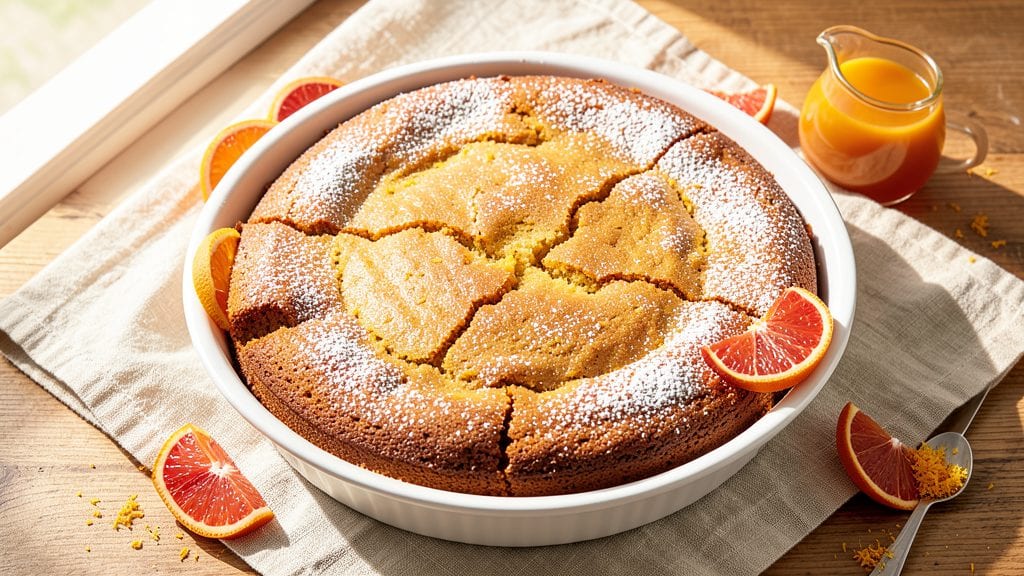
This Cook's Country orange cake delivers the bright, citrus-forward flavor that makes it perfect for spring celebrations or afternoon tea gatherings. The secret lies in balancing orange zest and juice with classic vanilla frosting—a combination that feels both nostalgic and refreshingly modern.
I've perfected this recipe over years of testing, ensuring tender layers and a moist crumb that stays fresh for days.
What sets this cake apart is the technique: a traditional creaming method with a citrus twist, where orange juice replaces some of the liquid in the batter. The result is a cake with bold citrus notes that shine through without overpowering the delicate vanilla frosting.
It bakes up with golden layers and a fine crumb, making every slice feel special yet approachable for home bakers.
The frosting is where the magic happens—a simple vanilla buttercream that complements the cake's brightness rather than competing with it. Together, they create a dessert that's versatile for any occasion, whether you're serving it at a brunch or saving it for a holiday dessert table.
The cake's natural moisture also means it stays fresh longer, making it ideal for meal prep.
Ready in about 2 hours (including cooling and frosting), this recipe delivers restaurant-quality results with minimal fuss. The key is patience—letting the cake cool completely before frosting ensures clean layers and a polished finish. Here's how to make it perfectly every time.
Ingredients for cook's country orange cake
Twelve essential ingredients transform into golden citrus layers with velvety vanilla frosting.
| Ingredient | Amount | Notes |
|---|---|---|
| All-Purpose Flour 🌾 | 2 ½ cups | Sifted for even distribution |
| Granulated Sugar 🍚 | 2 cups | White or light brown preferred |
| Orange Zest 🍊 | 2 tbsp | Freshly grated, bright orange color |
| Fresh Orange Juice 🍊 | ¾ cup | From 2-3 large oranges, no pulp |
| Unsalted Butter 🧈 | 1 cup | Cold, cubed for creaming |
| Large Eggs 🥚 | 3 whole | Room temperature, separated |
| Baking Powder 🧂 | 2 tsp | Aluminum-free preferred |
| Fine Sea Salt 🧂 | ½ tsp | Diamond Crystal preferred |
| Pure Vanilla Extract 🍯 | 1 tbsp | Bourbon or imitation-free |
| Whole Milk 🥛 | ½ cup | Room temperature |
| Vanilla Buttercream Frosting 🧁 | 3 cups | Homemade or quality store-bought |
| Powdered Sugar 🍚 | 2 cups | For frosting adjustment |
The citrus quality determines success. Navel or Valencia oranges yield the brightest zest and juice—avoid blood oranges, which can muddy the flavor. Purchase oranges with vibrant, unblemished skin and a firm texture. For zest, use a fine grater or microplane; the color should be a vivid orange, not yellowed. If fresh oranges aren't available, high-quality frozen concentrated orange juice (thawed and diluted) works in a pinch, though fresh is ideal. The baking powder must be fresh—test by mixing with water; it should bubble vigorously within 5 minutes. Bob's Red Mill or Clabber Girl are reliable brands for consistent results.
Substitutions require careful balance. For the orange juice, grapefruit juice at half the amount adds complexity, but reduce the zest to 1 tablespoon to avoid bitterness. The buttercream can be made with cream cheese frosting for a tangier profile, though it requires additional sour cream. If powdered sugar isn't available, blend granulated sugar into a fine powder using a high-speed blender. The milk can be substituted with evaporated milk or heavy cream, though the texture may vary slightly. For a dairy-free option, replace the butter with vegetable shortening and use almond milk, though the crumb will be less tender. Always measure flour by weight if possible—1 cup sifted flour weighs 4.5 oz—for consistent results.
Proper storage extends freshness. Wrap the unfrosted cake layers in plastic wrap and store at room temperature for up to 2 days or refrigerate for 5 days. The frosting should be refrigerated separately and whipped to desired consistency before use. For longer storage, freeze the unfrosted layers for up to 3 months—thaw at room temperature before frosting. Once fully assembled, the cake keeps for 4 days refrigerated or 2 weeks frozen. To refresh day-old slices, warm briefly in a 300°F oven for 5-7 minutes—the citrus notes revive beautifully.
Why You'll Love This Recipe
- I’ll be real: this cake tastes even better the next day. Slice it up for breakfast toast, pack it for lunches, or just stash it in the fridge for when you forget to bake again. And since it’s got simple ingredients, you’re not breaking the bank for seconds.
- No Pansy Prep: I swear, this cake comes together faster than I can say "zest it." Just mix, pour, bake—no fancy techniques, no stress. That orange juice and butter blend so smoothly, you’ll wonder why you ever made cake from scratch any other way.
- Zingy Magic: Honestly, the combo of bright orange zest and fresh juice in this batter is chef’s kiss. It’s not too sweet, not too tart—just that perfect citrus punch that makes every bite feel like a little vacation. And the butter? Oh, it keeps it rich without being heavy.
- Party in a Box: Between us, this cake is my lazy Sunday go-to that somehow works for everything. Brunch? Check. Dessert after a big dinner? Double check. Even my mom’s book club snuck bites when they thought I wasn’t looking. (They weren’t.)
Step-by-step instructions for cook's country orange cake
A perfectly balanced citrus cake with moist layers and velvety frosting requires precision at every stage.
Prepare the Cake Batter with Citrus Intensity
Preheat your oven to 350°F and grease two 9-inch round cake pans, lining the bottoms with parchment paper. In a medium bowl, whisk together the 2.5 cups all-purpose flour, 2 tsp baking powder, and 0.5 tsp fine sea salt. Sift this dry mixture directly into a large mixing bowl to eliminate any potential lumps.
In the bowl with dry ingredients, add the 1 cup cold unsalted butter, cut into cubes. Using a hand mixer or stand mixer fitted with the paddle attachment, beat on medium speed until the mixture resembles coarse crumbs. This ensures even distribution of fat throughout the batter. Gradually add the 2 cups granulated sugar, mixing until fully incorporated and the texture becomes uniformly sandy.
Add the 3 whole large eggs, one at a time, mixing well after each addition. The mixture should begin to thicken slightly as the eggs emulsify with the butter and sugar. In a separate small bowl, whisk together the 0.75 cup fresh orange juice and 2 tbsp orange zest with the 1 tbsp pure vanilla extract. Slowly pour this citrus mixture into the batter while mixing on low speed. Finally, add the 0.5 cup whole milk and mix just until combined. The batter should be thick but pourable, with a vibrant orange hue from the zest.
Bake the Layers for Even Doneness
Divide the batter evenly between the prepared cake pans, filling each about ⅔ full. Tap each pan firmly on the counter twice to remove any air bubbles that may have formed during pouring. Bake in the preheated oven for 25-30 minutes, or until a toothpick inserted into the center comes out clean with just a few moist crumbs clinging to it.
Do not overbake—the cake should spring back slightly when pressed gently in the center. Rotate the pans halfway through baking for even heat distribution. Once done, remove from the oven and let the cakes cool in their pans for 10 minutes. Then transfer to a wire rack to cool completely before assembling. This cooling period is crucial for preventing crumbs when frosting.
Assemble with Vanilla Buttercream Frosting
Once both cake layers have cooled completely, place one layer on a cake stand or plate. Using a serrated knife, level the top if necessary to create an even surface. Spread a generous layer of 1½ cups vanilla buttercream frosting over the top of the first layer, extending slightly over the edges to create a "dam" for filling.
In a small bowl, mix together the 2 cups powdered sugar with 1-2 tablespoons of the reserved orange juice (from the original 0.75 cup) to create an orange glaze. This glaze will enhance the citrus flavor while adding moisture to the cake. Pour this glaze evenly over the frosted layer, allowing it to soak in for 5-10 minutes before adding the second layer. Repeat the frosting process with the remaining 1½ cups vanilla buttercream frosting.
Create Decorative Frosting Accents
For the final presentation, pipe the remaining ½ cup vanilla buttercream frosting onto the top and sides of the cake using a star tip or large round tip. Create swirls or rosettes for an elegant finish. Use a small offset spatula to smooth any uneven areas on the sides. For added visual appeal, sprinkle additional orange zest over the top layer or pipe small dots of frosting around the edges.
The cake should be served at room temperature to allow the flavors to fully meld. The combination of bright citrus and rich vanilla creates a harmonious balance, with each bite offering moist crumb and sweet-tart citrus notes. Store any leftovers covered at room temperature for up to 3 days or refrigerated for up to 5 days, bringing to room temperature before serving.
Pro Tips For Making Cook'S Country Orange Cake
- Measure Juice Precisely: Use a kitchen scale for the orange juice—1 cup of fresh juice isn’t always 8 ounces, and this cake relies on the balance of liquid to flour. I learned this after a batch turned dense because my measuring cup was off by a tablespoon.
- Cream Butter Slowly: Beat the butter and sugar at medium speed until just pale, then bump to high for the last 30 seconds—this incorporates air without turning the batter into buttercream. After burning three batches with overmixed butter, I finally got the texture right.
- Zest Only the Outer Peel: Scrape the very top layer of the orange peel (no pith or white bits) for zest—bitter compounds sneak in if you’re aggressive. My grandmother swore by this, and she was right: the flavor stays bright, not soapy.
- Rotate the Pan: Swap the cake pans halfway through baking—front to back, not side to side—to prevent uneven browning. I was skeptical until I tried it: the edges stay tender, and the center rises properly. (Yes, even if you’re impatient like me.)
Best sauces and condiments for these flavors
Citrus Glaze Magic
This simple orange glaze transforms your cake from good to extraordinary. Mix 2 cups powdered sugar with 2-3 tablespoons fresh orange juice (from the same oranges used in the batter) until smooth. Brush this glaze over the first cake layer before adding frosting—it adds moisture and amplifies the citrus flavor.
I like to let it soak in for 5 minutes before assembling the second layer. For extra shine, add ½ teaspoon lemon juice to the glaze for a brighter finish. 🍊
Vanilla Buttercream Variations
While classic vanilla buttercream works perfectly, you can elevate it with citrus notes. Replace 1 tablespoon of the milk in the frosting recipe with orange juice—this subtle change enhances the cake's flavor profile without overpowering it.
For a richer texture, add 2 tablespoons whipped cream to the buttercream before piping. I also recommend using European-style butter (like Plugrá or President) for a higher fat content that creates a smoother, more stable frosting.
Cream Cheese Frosting Twist
Swap vanilla buttercream for a tangy cream cheese frosting by mixing 8 oz cream cheese (softened), ½ cup unsalted butter, and 3 cups powdered sugar. Add 1 teaspoon orange zest and 1 tablespoon orange juice to keep the citrus theme.
This frosting pairs beautifully with the cake's brightness, adding a creamy contrast. For extra flair, pipe swirls on top and garnish with candied orange peel. 🧀
Citrus Curd Filling
For a showstopping center, replace the glaze with a bright orange curd filling. Whisk 4 egg yolks, ½ cup granulated sugar, ½ cup fresh orange juice, and 2 tablespoons cornstarch over medium heat until thickened. Spread between cake layers for a tangy, velvety surprise.
This technique works especially well if you're making a single-layer cake or cupcakes. Store-bought curd (like Bon Appétit brand) can be used in a pinch, though homemade tastes fresher. 🍋
Honey Drizzle Finish
Drizzle the completed cake with a simple honey-orange syrup for added depth. Combine ¼ cup honey with 1 tablespoon orange juice and warm until smooth. Let cool slightly before drizzling over the frosting.
This adds a subtle sweetness that complements the citrus notes perfectly. For a decorative touch, use a squeeze bottle to create elegant zigzags. 🍯
Spiced Whipped Cream Topping
For a lighter finish, top your cake with spiced whipped cream. Whip 1 cup heavy cream with 2 tablespoons powdered sugar, ½ teaspoon cinnamon, and ¼ teaspoon cardamom.
Pipe rosettes on top and garnish with extra orange zest. This adds a refreshing contrast to the rich frosting and cake layers. The spices enhance the citrus without overpowering it. ✨
Nutrition facts
Frequently asked questions
Can I use bottled orange juice instead of fresh?
Fresh orange juice is ideal for that bright, vibrant flavor, but you can substitute with bottled juice in a pinch. Use the same amount, but avoid brands with added preservatives or artificial flavors. For best results, choose 100% pure orange juice without pulp. The texture may be slightly less moist, but the citrus notes will still shine through.
Why does my cake turn out dense instead of light?
Overmixing the batter or using old baking powder are the most common causes. Make sure to mix just until combined after adding the wet ingredients, and always check your baking powder's freshness (it should bubble when mixed with water). Also, don't overbake—remove the cake when a toothpick comes out with just a few moist crumbs.
How do I make this cake without eggs?
For an egg-free version, replace each egg with ¼ cup applesauce or ¼ cup unsweetened applesauce + ½ tsp baking soda. The cake will be slightly denser but still delicious. The applesauce adds moisture while the baking soda helps with lift. Reduce the milk by 2 tablespoons to maintain the proper batter consistency.
Can I bake this cake in a different pan size?
Yes, but you'll need to adjust baking time and temperature. For 8-inch pans, bake at 325°F for 30-35 minutes. For 10-inch pans, reduce oven temp to 325°F and bake for 25-30 minutes. Always use an oven thermometer to ensure accuracy. The cake should be done when a toothpick comes out clean.
How can I make this cake gluten-free?
Replace the all-purpose flour with a 1:1 gluten-free baking flour blend like Bob's Red Mill 1-to-1. Add ½ teaspoon xanthan gum to help with structure. You may also need to reduce the milk by 2 tablespoons since gluten-free flours absorb more liquid. Test the batter consistency—it should be slightly thicker than traditional cake batter.