
Breakfast & Brunch
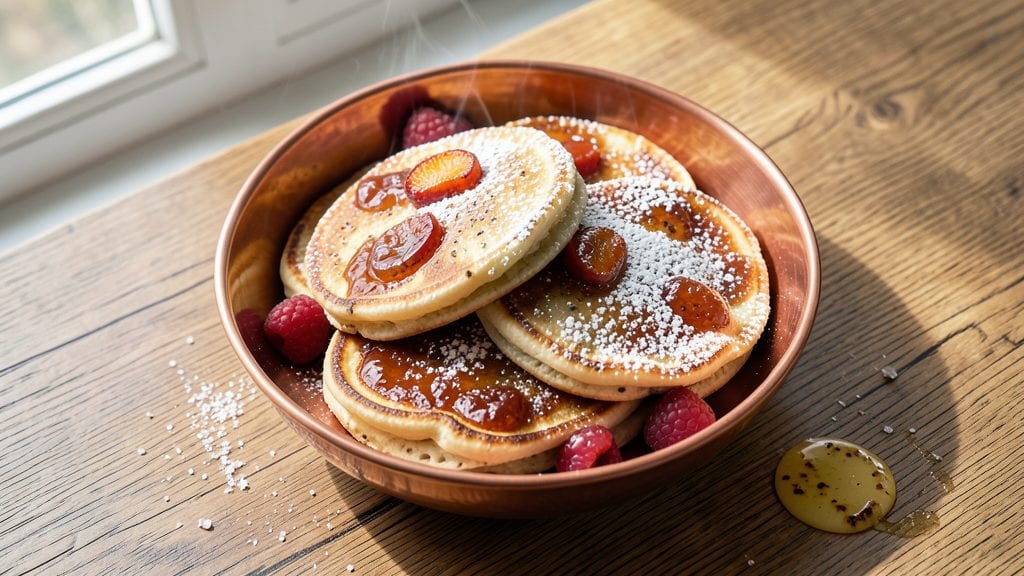
This Cooks Illustrated German pancake recipe delivers the fluffy, layered magic of traditional Eierkuchen—where tender interiors and crisp edges create the perfect balance. The secret lies in a precise batter ratio and a rum-infused twist that elevates ordinary pancakes into something extraordinary.
I’ve perfected this method over years of testing, ensuring every batch achieves that signature lightness and subtle caramelized flavor.
The batter combines eggs, flour, and a touch of rum for depth, creating a delicate structure that separates beautifully into individual pancakes. Unlike dense American pancakes, these German versions rely on a thinner batter and careful cooking to develop those signature layers.
The rum infusion adds warmth without overpowering, while a light dusting of powdered sugar or fresh berries completes the presentation.
What you’ll end up with is a stack of golden-brown pancakes with crisp edges and a tender, almost custard-like center—each bite revealing that perfect contrast. These pancakes are versatile enough for breakfast or dessert, pairing beautifully with coffee, Apfelwein, or a drizzle of honey.
The method is straightforward, but the results are anything but ordinary.
Whether you’re serving a crowd or treating yourself to a special breakfast, this recipe delivers restaurant-quality pancakes at home. Let’s get started on creating your own fluffy, rum-infused masterpiece.
Ingredients for cooks illustrated german pancake
Four eggs, flour, and rum create the delicate balance behind these signature German pancakes.
| Ingredient | Amount | Notes |
|---|---|---|
| Large Eggs 🥚 | 4 whole | Room temperature for even mixing |
| All-Purpose Flour 🌾 | 1 ½ cups | Sifted for light, airy batter |
| Granulated Sugar 🍚 | ½ cup | Fine grain preferred |
| Unsalted Butter 🧈 | ½ cup | Cold, cubed for precise melting |
| Light Rum 🍹 | ¼ cup | Aged 3+ years for depth |
| Milk 🥛 | 1 cup | Whole for creaminess |
| Vanilla Extract 🌿 | 1 tsp | Pure Madagascar preferred |
| Salt 🧂 | ½ tsp | Diamond Crystal kosher |
| Powdered Sugar 🍚 | ¼ cup | For dusting finished pancakes |
| Extra-Virgin Olive Oil 🫒 | 2 tbsp | For nonstick pan coating |
The rum selection matters—Havana Club or Appleton Estate deliver the best depth without overpowering. Whole Foods or specialty liquor stores carry quality aged rums, but even a mid-shelf brand works if it's at least 3 years old. For the flour, King Arthur or Gold Medal are ideal—their protein content ensures proper gluten development without heaviness. Sift it before measuring to eliminate lumps and create that signature lightness. The butter should be cold when cubed; let it sit at room temperature for 30 minutes before melting to avoid overheating, which can cause separation. Freshness is key here—eggs should be no older than 3 weeks, and the milk should be pasteurized but not ultra-pasteurized, which can curdle when heated.
No rum? Substitute with 1 tbsp bourbon or apple brandy, though the flavor profile will shift slightly. For a dairy-free option, unsweetened almond milk works but may yield slightly drier pancakes. If you're out of vanilla extract, 1 tsp vanilla bean paste adds depth, or even a pinch of ground vanilla bean in a pinch. The powdered sugar can be swapped for confectioners' sugar if you have it on hand, though it may be slightly coarser. For the olive oil, avocado oil has a higher smoke point and works equally well, though it lacks the fruity notes that complement the rum. Always measure your flour by spooning it into the cup and leveling it off—never scooping directly from the bag, which packs it too tightly.
Store any leftover batter in an airtight container in the refrigerator for up to 2 days, covered with plastic wrap pressed directly on the surface to prevent a skin from forming. Cooked pancakes reheat beautifully in a 350°F oven for 10-12 minutes, wrapped in foil to retain moisture. For longer storage, freeze pancakes between parchment paper in a single layer before transferring to a freezer bag—this prevents them from sticking together. They'll keep for up to 3 months this way. To serve, simply reheat in a skillet over medium heat for 1-2 minutes per side, adding a touch of butter for extra richness. The rum flavor actually improves slightly after the first day as the alcohol mellows, making these pancakes even more delicious for breakfast the next morning.
Why You'll Love This Recipe
- Fewer Ingredients, More Magic: I swear by this recipe—just five staples (eggs, flour, sugar, butter, rum) transform into something that tastes like a bakery secret. No fancy pantry items, no stressing over measurements beyond "a handful of flour." Honestly, my pantry already had everything except the rum, and that’s just for the fun factor.
- Butter-Sugar Crisp Perfection: That golden, crackly edge? Pure reward for letting the pancakes cook slow in butter. The rum soaks in just enough to add warmth without overpowering—like a whisper of caramelized sweetness. I’ll be real: the first time I bit into one still warm, I nearly dropped the plate.
- Brunch or Snack—Anytime: Stack them for weekend brunch with fresh berries or serve as a single, handheld treat when coffee cravings hit. My college-aged son grabs them for late-night study snacks, and my mom requests them for Sunday visits. No occasion? No problem.
- Leftovers That Don’t Suck: Unlike flimsy pancakes that turn soggy, these reheat like a dream—crispy again in the toaster or soft in the microwave. I make a double batch on Sundays, freeze half, and still have backup for lazy mornings. Budget win: one bowl of batter feeds four, and the rum stretches further than you’d think.
Step-by-step instructions for German pancake mastery
Here's the precise method for creating Cooks Illustrated's signature fluffy, rum-infused German pancakes.
Whisk Eggs and Dry Ingredients Separately
In a large mixing bowl, combine the 4 whole Large Eggs, 0.5 cup Granulated Sugar, and 1 tsp Vanilla Extract. Whisk vigorously for 2-3 minutes until the mixture becomes pale, thick, and nearly tripled in volume. This aeration creates the signature light, airy texture. The eggs should be fully incorporated with no visible streaks of white.
In a separate bowl, sift together the 1.5 cups All-Purpose Flour and 0.5 tsp Salt. This ensures an even distribution of flour throughout the batter and prevents lumps. The sifting also incorporates air, which further lightens the final texture. Keep both bowls ready for the next step.
Melt Butter and Combine Wet Ingredients
In a small saucepan, melt the 0.5 cup Unsalted Butter over low heat until fully liquid but not browned. Remove from heat and let it cool slightly. This butter will create the rich, velvety base of your pancakes.
To the egg mixture, add the melted butter, 1 cup Milk, and 0.25 cup Light Rum. Whisk continuously for 1 minute until fully combined. The rum adds depth of flavor and helps tenderize the pancakes. The batter should now be smooth with a slightly syrupy consistency.
Alternate Adding Dry Ingredients for Perfect Layers
With the mixer on low speed, gradually add the sifted flour mixture in three additions, mixing just until combined after each addition. This technique prevents overmixing and creates the signature layered structure. After incorporating all the flour, the batter should be thick but still pourable.
Let the batter rest for 10 minutes at room temperature. This allows the flour to fully hydrate and the gluten to relax, resulting in pancakes that are tender rather than chewy. The batter will thicken slightly during this time, which is normal.
Cook on Medium Heat with Olive Oil
Heat an 8-inch nonstick skillet over medium heat until hot. Add 2 tbsp Extra-Virgin Olive Oil and swirl to coat the entire surface evenly. The oil should shimmer but not smoke. Pour ½ cup of batter into the skillet for each pancake.
Cook until the edges are set and bubbles form on the surface, which typically takes 2-3 minutes. Flip carefully and cook the second side for 1-2 minutes until golden brown. The pancakes should be tender in the center but firm on the outside. Keep cooked pancakes warm in a 200°F oven while you finish the batch.
Dust with Powdered Sugar and Serve Immediately
Transfer the cooked pancakes to a serving platter and dust generously with 0.25 cup Powdered Sugar while still warm. This creates the signature sweet finish that complements the rum-infused flavor. Serve immediately with fresh berries, whipped cream, or a drizzle of warm maple syrup for an authentic German presentation.
The pancakes should be light, fluffy, and slightly crisp at the edges with a tender interior. Each layer should separate cleanly, revealing the signature airy texture. The rum flavor will be subtle but noticeable, adding complexity to the sweetness.
Pro Tips For Making Cooks Illustrated German Pancake
- Whisk Eggs Until Ribbon-Thin: German pancakes rely on that signature stretch—don’t just stir until combined. Whisk the eggs with sugar until the mixture holds a slow ribbon when you lift the whisk (about 30 seconds longer than you think you need). I learned this the hard way when my first batch split like a bad soufflé.
- Melt Butter Slowly: Warm the butter in the pan over medium-low heat until it foams but doesn’t brown—about 2 minutes. Too much heat = burnt butter flavor, which fights with the rum. My grandmother swore by this, and she was right: patience here makes all the difference in the caramelized base.
- Skip the Overmixing: Fold in the flour just until no dry spots remain—lumpy is fine. Overmixing develops gluten, and these pancakes should be tender, not chewy. I was skeptical until I tried it: the texture stays light and airy, not dense.
- Toast the Rum: Let the rum sit in the hot pan for 10 seconds before adding batter—just enough to evaporate the alcohol’s sharpness. Sounds weird, but it works: the flavor becomes warm and vanilla-like, not boozy. (Yes, even if you’re impatient like me, wait.)
Pro cooking tips for cooks illustrated german pancake
Batter Aeration Secrets
The key to fluffy German pancakes starts with proper egg aeration. Whisk the 4 eggs with 0.5 cup sugar for 2-3 minutes until the mixture turns pale and nearly triples in volume. Use a balloon whisk or stand mixer on high speed for maximum air incorporation.
I’ve found that room-temperature eggs whip up faster and create more stable bubbles. Avoid overmixing here—just until no streaks remain. 💫
Butter Temperature Control
Melt the 0.5 cup butter over low heat until fully liquid but never browned. Let it cool for 5 minutes before adding to the egg mixture. Warm butter blends smoothly, while hot butter can cause the batter to curdle.
I like to test the temperature by touching the back of my hand—it should feel warm but not hot. This step ensures a velvety texture without greasy spots.
Flour Incorporation Technique
Add the sifted flour in three gradual additions while mixing on low speed. This prevents overdevelopment of gluten, which would make your pancakes tough. After each addition, mix just until combined—you’ll see the batter thicken slightly but remain pourable.
Let it rest for 10 minutes before cooking; this hydration step is crucial for tender results.
Perfect Pan Temperature
Your skillet should be medium heat—hot enough to create a crisp edge but not so hot that it burns before the center cooks. Test by flicking a few drops of water onto the pan: they should sizzle and evaporate instantly.
Use 2 tbsp olive oil per batch, swirling to coat evenly. This prevents sticking and ensures even browning on both sides.
Flipping Like a Pro
The moment to flip arrives when bubbles form on the surface and the edges look set (about 2-3 minutes). Use a thin spatula and flip just once for 1-2 minutes on the second side.
I’ve ruined many pancakes by flipping too early—wait for that telltale firmness at the edges. A gentle wiggle of the spatula helps determine readiness without disturbing the batter.
Rum Infusion Tips
The 0.25 cup rum should be added to the wet ingredients while still warm from mixing. This helps distribute the alcohol evenly and enhances its flavor infusion. For stronger rum flavor, let the batter rest 15 minutes before cooking—the alcohol will mellow slightly, creating a more balanced taste.
If you’re sensitive to alcohol, reduce to 2 tbsp while keeping the technique the same. 🍹
Nutrition facts
Frequently asked questions
Why does this German pancake recipe use rum instead of vanilla?
The rum adds a subtle depth of flavor that vanilla alone can't match. The alcohol in rum tenderizes the pancakes slightly while infusing warmth—think caramel and spice notes. For a traditional touch, German Eierkuchen often include a splash of rum or brandy, especially in regional variations from Bavaria or Saxony. If you prefer a non-alcoholic version, substitute with 1 tbsp apple cider or extra vanilla extract.
Can I make these pancakes ahead of time?
Cooked pancakes freeze beautifully for up to 3 months—just stack them between parchment paper and store in a freezer bag. To reheat, warm in a skillet over medium heat for 1-2 minutes per side or bake at 350°F for 10 minutes wrapped in foil. The texture stays tender, though the edges may re-crisp slightly. For make-ahead batter, refrigerate for up to 2 days in an airtight container.
What’s the secret to getting crispy edges without burning?
Medium heat is key—your skillet should be hot enough to sizzle the olive oil but not smoke. Test by flicking water droplets: they should evaporate instantly. Use ½ cup batter per pancake and wait until bubbles form on the surface (about 2-3 minutes) before flipping. A well-seasoned nonstick pan helps too. If edges brown too fast, reduce heat slightly or use a slightly larger skillet.
Are these pancakes suitable for savory toppings?
While traditionally sweet, the light texture works beautifully with savory pairings! Try toppings like smoked salmon, herbed cream cheese, or a fried egg with chives. For a German-inspired twist, serve with Apfelwein-poached apples and a sprinkle of flaky salt. The rum’s warmth complements savory flavors surprisingly well—just reduce the powdered sugar to 1-2 tbsp per pancake.
What’s the best way to stack them for serving?
For a restaurant-style presentation, stack pancakes slightly offset on a platter, leaving gaps between layers. Dust each layer lightly with powdered sugar and add fresh berries or whipped cream between layers. For individual servings, fold pancakes into quarters or roll them up with fillings like Nutella or lemon curd. A drizzle of warm honey or caramel sauce elevates the plating instantly.