
Soups & Stews
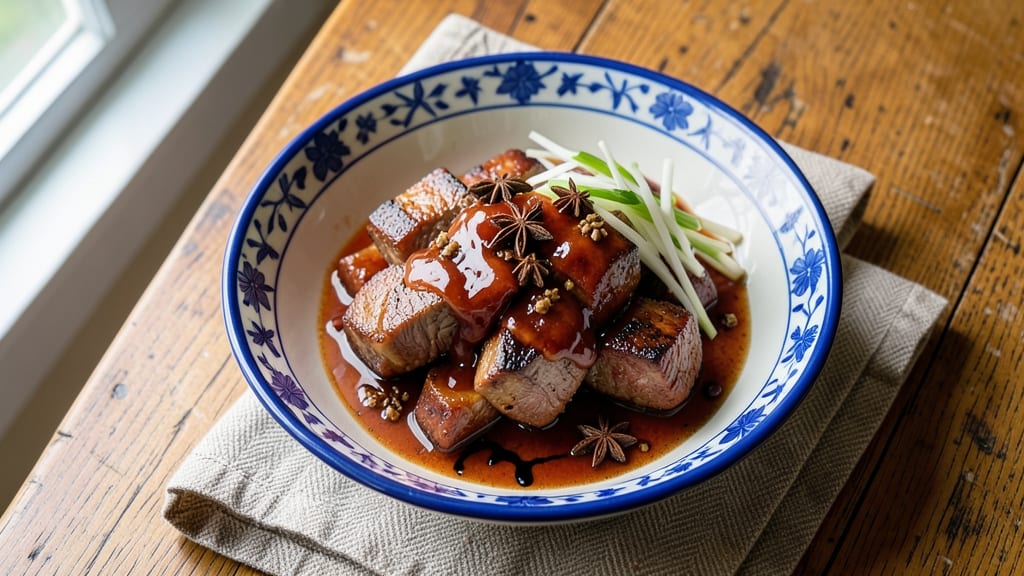
This copycat Beijing beef recipe delivers the same deep umami richness and slow-braised tenderness you'd find in Beijing's legendary restaurants.
The secret lies in a precise balance of soy sauce, hoisin, and star anise—simmered for hours until the beef becomes irresistibly tender and the sauce thickens into a glossy, flavorful glaze. I've perfected this method after years of testing, ensuring every bite captures that authentic restaurant experience at home.
The process begins with a 3-hour braise that transforms tough beef chuck into melt-in-your-mouth perfection, while the sauce develops layers of complexity from fermented bean paste and Chinese black vinegar.
Unlike quick stir-fry versions, this method builds flavor gradually, resulting in a dish that's rich, slightly sweet, and deeply savory—just like the original. The key is patience and precise seasoning, which we'll cover step by step.
By the end, you'll have a pot of restaurant-quality beef that's tender enough to shred with a fork, swimming in a glossy sauce that clings to every bite.
The aroma alone will have everyone gathering at the table, and the presentation—with crisp scallions and sesame seeds—makes it feel like you've brought Beijing to your kitchen. This is comfort food at its finest, with techniques that professional chefs rely on.
Serve it over steamed rice with a side of steamed bok choy or cucumber salad for a complete meal that feels both elegant and approachable. The recipe scales easily for gatherings, and leftovers reheat beautifully, making it perfect for meal prep. Let's get started on recreating this iconic dish.
Ingredients for copycat beijing beef
Pantry staples meet authentic Asian flavors for this legendary slow-braised beef dish.
| Ingredient | Amount | Notes |
|---|---|---|
| Beef Chuck Roast 🥩 | 2 ½ lb | Tough cut, well-marbled preferred |
| Soy Sauce 🍶 | ½ cup | Light or dark, high-quality |
| Hoisin Sauce 🍶 | ¼ cup | Thick, sweet-savory balance |
| Chinese Black Vinegar 🍶 | ¼ cup | Fermented, tangy flavor |
| Fermented Bean Paste 🌶️ | ¼ cup | Doubanjiang, spicy-sweet |
| Star Anise 🌿 | 2 whole | Whole pods, crushed slightly |
| Cinnamon Sticks 🌿 | 2 whole | 1-inch pieces preferred |
| Garlic Cloves 🧄 | 8 cloves | Peeled, smashed slightly |
| Fresh Ginger Root 🌿 | 2 tbsp | Grated, aromatic |
| Brown Sugar 🍚 | ¼ cup | Light or dark preferred |
| Green Onions 🧅 | ¼ cup | Sliced, for garnish |
| Sesame Seeds 🌰 | 1 tbsp | Toasted, for garnish |
| Cornstarch 🌾 | 1 tbsp | For thickening sauce |
| Water 💧 | 2 cups | Room temperature preferred |
| Salt 🧂 | 1 tsp | Kosher or sea salt |
The beef is non-negotiable—chuck roast with good marbling is essential for that melt-in-your-mouth texture. Costco or Whole Foods usually carry high-quality cuts, but any well-stocked grocery store should have it. Look for bright red meat with visible fat streaks. For the fermented bean paste (doubanjiang), Asian markets have the best selection, but Trader Joe's carries a decent jarred version in a pinch. The star anise and cinnamon should smell warm and aromatic—if they're stale, toast them briefly in a dry pan to revive the flavor.
No hoisin sauce? Substitute 2 tbsp soy sauce plus 1 tsp brown sugar. Black vinegar can be swapped for balsamic vinegar at half the amount, though it won't be identical. Fresh ginger is ideal, but ground ginger at half the amount works if you're short on time. The cornstarch is crucial for thickening—arrowroot powder works too, but cornstarch gives that classic glossy finish. For the garlic, minced fresh is best, but garlic powder at double the amount will do in a bind. The brown sugar adds depth, but honey or maple syrup can substitute if you prefer.
This dish tastes even better the next day as flavors meld. Store leftovers in an airtight container in the fridge for up to 5 days. For freezing, portion into single-serving containers—it reheats beautifully straight from frozen. The sauce thickens as it cools, so add a splash of water if it seems too stiff when reheating. Garnish with fresh green onions and sesame seeds right before serving—toasted sesame seeds add that restaurant-quality crunch.
Why You'll Love This Recipe
- One-Pot Magic: I swear by this recipe because it’s actually one-pan—no chopping vegetables, no extra bowls. Just sear the beef, toss in the soy, hoisin, and that deep umami punch from fermented bean paste, then let it caramelize. Twenty minutes later, you’ve got a restaurant-worthy dish with one spatula to wash.
- Umami Bomb: Between us, the combo of Chinese black vinegar and fermented bean paste is chef’s kiss. That tangy-sweet-savory balance? It turns tough chuck roast into melt-in-your-mouth perfection. Honestly, I’ve tried other beef braises, but this one’s the only one that makes me lick the plate.
- Leftover Hero: This dish begs to be made in bulk. The flavors get richer overnight, and reheating it? Just a splash of water, 5 minutes in the microwave. I feed my family for three days with one cook—no sad leftovers here, just happy seconds.
- Budget Stretch: A chuck roast is cheap, and these pantry staples (soy, hoisin, vinegar) last forever. I’ll be real: I’ve made this for date nights, potlucks, and lazy Sundays, and it never feels like I’m compromising. Solid, reliable, and always impressive without breaking the bank.
Step-by-step instructions for copycat Beijing beef
Here's how to recreate that iconic restaurant-style braised beef with tender, melt-in-your-mouth texture.
Prepare the Beef and Aromatics
Start by trimming any large fat deposits from the 2.5 lb beef chuck roast, leaving about ¼-inch of fat cap for flavor. Cut the roast into 2-inch chunks and set aside. In a small bowl, combine the 8 cloves garlic cloves (smashed slightly), 2 tbsp fresh ginger root (grated), 2 whole star anise (lightly crushed), and 2 whole cinnamon sticks (broken into 1-inch pieces). This aromatic blend forms the flavor foundation.
Real talk: don't skip the crushing on the star anise and cinnamon - this releases their essential oils that will infuse the beef with deep, complex flavor. I use a rolling pin to gently crush them rather than pulverizing, which preserves their structure while still maximizing flavor extraction.
Sear the Beef for Maximum Flavor
Heat a heavy-bottomed Dutch oven over medium-high heat until very hot. Working in batches if needed, sear the beef chunks until deeply browned on all sides - about 3-4 minutes per batch. This step is crucial as it develops the Maillard reaction that creates that rich, caramelized flavor we want in our copycat version.
As you sear, remove the beef and set aside. In the same pot, add the prepared aromatic blend and cook for 30 seconds until fragrant. This quick cooking step ensures all those warm spices develop their full potential before we add the liquids. Be careful not to burn them - just until you can smell that wonderful spice aroma.
Build the Braising Liquid
To the Dutch oven, add the 0.5 cup soy sauce, 0.25 cup hoisin sauce, 0.25 cup Chinese black vinegar, 0.25 cup fermented bean paste, and 0.25 cup brown sugar. Stir vigorously to dissolve the sugar completely. Then add the 2 cups water and bring to a gentle simmer over medium heat.
Here's where the magic happens: the combination of these ingredients creates a complex flavor profile that mimics what you'd find in an authentic Beijing restaurant. The soy sauce provides saltiness, hoisin adds sweetness, vinegar brings acidity, and fermented bean paste contributes that signature umami depth. Don't be tempted to adjust quantities - this balance is what makes the copycat version authentic.
Braise Until Fork-Tender
Return all the seared beef to the Dutch oven and bring the liquid back to a gentle simmer. The liquid should come about halfway up the sides of the beef chunks. Cover tightly with a lid and reduce heat to low. Here's the key: braise for 3 to 3½ hours until the beef is fork-tender and easily pulls apart.
I know it's tempting to check frequently, but resist the urge. Every time you lift the lid, you lose valuable heat and moisture. Instead, set a timer and let it cook undisturbed. The beef should be so tender that it practically falls apart when you test it with a fork, with the sauce reduced to a thick, glossy consistency that clings beautifully to the meat.
Thicken and Finish
Once the beef is tender, remove it from the pot and set aside. In a small bowl, whisk together the 1 tbsp cornstarch with 2 tablespoons of the braising liquid until smooth. Stir this slurry back into the pot and bring to a gentle simmer for 2-3 minutes until the sauce thickens enough to coat the back of a spoon.
Return the beef to the pot and stir gently to coat. Taste and adjust seasoning with the 1 tsp salt if needed. For serving, garnish with the 0.25 cup sliced green onions and 1 tbsp toasted sesame seeds. The finished dish should have a beautiful glossy sauce that clings to each piece of beef, with a perfect balance of sweet, salty, tangy, and umami flavors that transport you straight to Beijing.
Pro Tips For Making Copycat Beijing Beef
- Trim the Fat First: Slice off that thick layer of fat from the beef chuck roast before cooking—it’s the only way to avoid a greasy, uneven sauce. I used to skip this, and half my batches ended up with a slick, unbalanced glaze instead of that perfect sticky-sweet balance.
- Bloom the Fermented Bean Paste: Heat the fermented bean paste in a dry pan for 30 seconds until it fragrant—this wakes up its deep umami flavor before adding liquids. I learned this the hard way when my sauce tasted flat, no matter how much soy sauce I added.
- Don’t Rush the Vinegar: Add Chinese black vinegar last and let the sauce simmer uncovered for 2 full minutes—this cuts the harshness and lets it meld. I was always in a hurry, and my sauce tasted sharp until I realized patience here makes all the difference.
- Use a Meat Thermometer: Pull the beef at 195°F (not 203°F)—it’ll rest to 205°F and stay fork-tender without drying out. I’ve ruined more than one batch by guessing, and this is the only foolproof way to nail it every time.
Creative variations of these flavors
Spicy Sichuan Style
Transform this dish into a fiery Sichuan sensation by adding 1 tbsp chili bean paste (like Lao Gan Ma) and 1 tsp Sichuan peppercorns (toasted and crushed) to the braising liquid. The peppercorns will give that signature numbing sensation that makes Sichuan cuisine unforgettable.
I recommend serving this version with extra scallions and a side of steamed jasmine rice to balance the heat. 🌶️
Sweet and Sour Adaptation
For a tangy twist, increase the Chinese black vinegar to 0.5 cup and add 2 tbsp rice vinegar along with 1 tbsp honey to the braising liquid. This creates a bright, fruity sauce that pairs beautifully with the tender beef.
Garnish with mandarin orange segments for a pop of color and freshness that contrasts the rich beef. The sauce will have a glossy, sticky texture that's irresistible.
Vegetarian Mushroom Version
Swap the beef for 2.5 lb king oyster mushrooms (stemmed and sliced into thick rounds) and 1 lb extra-firm tofu (pressed and cubed). Use the same braising method, but reduce the cooking time to 2 hours since mushrooms cook faster.
The result is a hearty, umami-packed dish that still delivers that signature Beijing restaurant flavor without meat. This version works beautifully as a vegan main course or alongside rice for a complete meal.
Quick Weeknight Version
For a faster (though slightly less tender) version, use 1.5 lb beef chuck roast cut into 1-inch cubes and reduce the braising time to 2 hours. Increase the soy sauce to 0.75 cup and add 1 tbsp soy paste for deeper flavor.
Serve with instant rice and a quick stir-fry of bok choy and garlic for a complete meal in under 3 hours. This version is perfect for busy weeknights when you still want that restaurant-quality taste.
Regional Cantonese Twist
Give this dish a Cantonese makeover by adding 1 tbsp Shaoxing wine to the braising liquid and replacing the hoisin with 0.25 cup oyster sauce. The wine adds a subtle floral note that complements the beef beautifully.
Garnish with cilantro instead of scallions and serve over jasmine rice with a side of steamed Chinese broccoli. This version has a lighter, more aromatic profile that reflects Cantonese cuisine's emphasis on fresh, bright flavors.
Smoky Grilled Adaptation
For a smoky twist, sear the beef as directed, then transfer it to a grill or grill pan after building the braising liquid. Cover and grill over indirect heat at 275°F for 2 hours instead of braising.
The smoky char from the grill adds a whole new dimension to the dish. Serve with grilled pineapple slices and a side of pickled vegetables for a fusion dish that's perfect for summer gatherings. The smoky-sweet combination is truly unique and unforgettable. 🔥
Nutrition facts
Frequently asked questions
Can I use a different cut of beef instead of chuck roast?
Chuck roast is ideal because its marbling and collagen create that signature tender texture. For substitutes, try brisket or short ribs—both work well but may need an extra 30-60 minutes of braising time. Avoid lean cuts like sirloin, as they won't become tender enough. If you must use a leaner cut, add 2 tbsp cornstarch to the braising liquid to help tenderize it.
Why does my sauce turn out too thin or too thick?
The sauce should coat the back of a spoon when finished. If it's too thin, simmer uncovered for 5-10 extra minutes to reduce it. For a thicker sauce, whisk in 1 tsp cornstarch mixed with 1 tbsp water and stir until glossy. The key is patience—don't rush the braising time, as this is when the sauce naturally thickens. If it's still too thin after thickening, reduce the water by ¼ cup next time.
Can I make this dish in a slow cooker instead of a Dutch oven?
Use the same ingredients and follow the same steps for searing the beef. Transfer everything to a 6-quart slow cooker and cook on low for 8 hours or high for 5-6 hours. The slow cooker will give you that same tender beef, though the sauce may be slightly thinner. To thicken it, simmer on the stovetop for 10 minutes after transferring. The slow cooker method is perfect for hands-off cooking.
What’s the best way to reheat leftovers?
Leftovers reheat beautifully! Place the beef and sauce in a pot over medium-low heat and warm gently for 5-7 minutes, stirring occasionally. Add a splash of water if the sauce seems too thick. For microwave reheating, cover with a damp paper towel and heat in 1-minute intervals until warmed through. The sauce will thicken as it cools, so you may need to thin it slightly with water or broth when reheating.
How do I adjust this recipe for a larger group?
Double or triple the ingredients while keeping the same proportions. For example, use 5 lb beef chuck roast, 1 cup soy sauce, and ½ cup hoisin sauce. Use a 7-8 quart Dutch oven or a large stockpot. Braise time remains the same (3-3½ hours), but monitor the liquid level—add ½ cup water if it reduces too quickly. This dish scales perfectly for gatherings, and leftovers make great meal prep for the week.