
Desserts
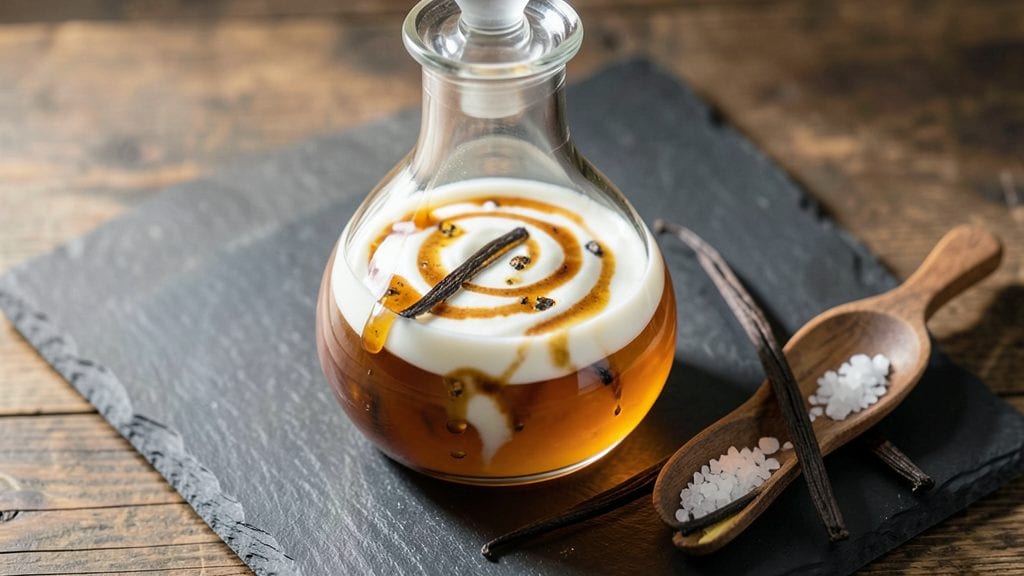
Creating a homemade cream liqueur transforms ordinary cocktails into velvety masterpieces with just a few simple ingredients and precise technique. The key lies in balancing rich cream, smooth alcohol, and aromatic vanilla for a velvety finish that rivals store-bought brands.
I developed this recipe after years of experimenting with homemade liqueurs, focusing on achieving that signature smoothness without overpowering sweetness.
This method uses a 30-minute infusion process where vanilla extract and cream blend seamlessly with high-proof alcohol, creating a liqueur with depth and complexity. The result is a versatile base for after-dinner drinks, coffee liqueurs, or even dessert sauces.
Unlike commercial versions, this recipe gives you complete control over sweetness and strength—perfect for customizing to your taste.
What makes this recipe stand out is its foolproof simplicity: no special equipment, just careful layering of ingredients and proper chilling. The final product delivers that luxurious creaminess we all crave, with a smooth finish that enhances any cocktail.
Whether you're a mixologist or a home bartender, this liqueur elevates drinks to restaurant-quality levels.
Safety is paramount when working with alcohol—always use proper handling techniques and store your creation in a cool, dark place. With just five ingredients, you'll have a liqueur that's ready to impress in minutes. Let's get started on crafting your perfect homemade cream liqueur.
Ingredients for cream liqueur
Five ingredients transform into luxurious cream liqueur with velvety vanilla depth and professional smoothness.
| Ingredient | Amount | Notes |
|---|---|---|
| Heavy Whipping Cream 🥛 | 2 cups | Full-fat for optimal richness |
| Pure Vanilla Extract 🌿 | 2 tbsp | High-quality Madagascar preferred |
| High-Proof Vodka 🍸 | 2 cups | 190-proof minimum for clarity |
| Granulated Sugar 🍚 | ½ cup | Fine grain for smooth texture |
| Vanilla Bean Seeds 🌶️ | 1 whole | Scraped from 1 Madagascar pod |
| Diamond Crystal Kosher Salt 🧂 | ¼ tsp | Fine grain for delicate seasoning |
| Unsalted Butter 🧈 | 2 tbsp | Cold, cubed for emulsification |
The heavy whipping cream forms the liqueur's luxurious base, so full-fat is non-negotiable—anything less compromises texture. For the vanilla, Madagascar beans from specialty shops like Penzeys deliver superior depth compared to generic extracts. The vodka must be 190-proof minimum—cheaper 80-proof versions create hazy results. When selecting sugar, fine grain dissolves completely, preventing graininess. The vanilla bean seeds add complexity that extracts alone can't replicate; scrape them directly from a high-quality pod for authentic flavor. For the butter, European-style unsalted like Plugrá creates a silkier finish than American brands.
No Madagascar vanilla? Bourbon vanilla extract works as a secondary option, though it lacks the same floral notes. Substituting vodka for neutral grain alcohol? Use 180-proof minimum—anything lower risks cloudiness. Short on time? Double-strength vanilla extract (like Heublein) at 1.5 tablespoons maintains potency. For the sugar, turbinado or demerara adds subtle caramel notes if you prefer complexity. The butter can be omitted entirely, but the resulting liqueur will lack that signature velvety mouthfeel. Always taste as you go—adjust sweetness with additional sugar if needed, but remember: alcohol intensifies perceived sweetness.
This liqueur must chill for at least 48 hours before use—patience ensures proper emulsification. Store in a dark glass bottle in a cool, dark pantry for up to 6 months; refrigeration extends shelf life to 12 months. For cocktail use, shake well before each pour as the cream may separate slightly. Freeze in ice cube trays for single-serving portions—perfect for last-minute drinks. The butter adds a luxurious finish, so if omitted, compensate with an extra tablespoon of cream for body.
Why You'll Love This Recipe
- No-Fuss Ingredients: I keep a bottle of vodka and vanilla extract in my pantry anyway—this just adds cream and sugar. Honestly, it’s the kind of recipe that doesn’t demand a shopping trip; it’s all stuff I’d buy for coffee or cocktails anyway.
- Velvet Smooth Richness: That first sip? Pure decadence. The vodka cuts through the sweetness while the vanilla bean seeds add depth—like dessert in a glass, but with none of the guilt. (Yes, even on a Tuesday night.)
- Batch-and-Store Magic: Make a big batch and stash it in the freezer. A splash in coffee? Instant café vibes. Drizzle over pancakes? Breakfast just got luxurious. It’s my secret weapon for lazy mornings or last-minute gifts.
- Budget-Friendly Luxury: For under $10, I’ve got a bottle that feels like a splurge. The cream and sugar are cheap staples, and vodka stretches farther than you’d think. Between us, this is the kind of treat that makes me feel fancy without emptying my wallet.
Step-by-step instructions for homemade cream liqueur
This method delivers professional-quality cream liqueur with a velvety texture and balanced vanilla sweetness.
Infuse the Vodka with Vanilla
In a clean, dry glass jar with a tight-sealing lid, combine the 2 cups of high-proof vodka and the 1 whole vanilla bean seeds scraped from a Madagascar pod. Seal the jar and let it infuse at room temperature for 48 hours, shaking gently once daily. The vodka will develop a rich, aromatic vanilla flavor that's more complex than extract alone.
I've found that longer infusion times—up to 72 hours—yield even deeper flavor, but 48 hours provides a perfect balance. Avoid metal containers, as they can react with the alcohol. The infused vodka should smell intensely vanilla when you open the jar, with no harsh alcohol bite remaining.
Prepare the Cream Base
In a medium saucepan, combine the 2 cups of heavy whipping cream, 0.5 cup of granulated sugar, and 0.25 teaspoon of Diamond Crystal kosher salt. Warm the mixture over medium-low heat until it reaches 160°F, stirring constantly to prevent scorching. This gentle heating ensures the sugar dissolves completely without curdling the cream.
Here's where precision matters: the temperature mustn't exceed 165°F, or the cream will begin to separate. Once smooth and heated through, remove the pan from heat and let the mixture cool to room temperature—about 30 minutes. This cooled base will emulsify perfectly with the vodka later.
Emulsify with Butter and Vanilla Extract
Add the 2 tablespoons of cold, cubed unsalted butter to the cooled cream mixture and whisk vigorously until fully melted and incorporated. The butter adds richness and helps create a stable emulsion. Then, slowly pour in the 2 tablespoons of pure vanilla extract while whisking continuously to distribute evenly.
This step is critical for texture. The butter must be cold when added—if it's softened, it won't emulsify properly, leading to a greasy liqueur. Whisk until the mixture thickens slightly and holds its shape when dropped from a spoon. The aroma should now combine the deep vanilla from the infusion with the bright notes of the extract.
Combine and Bottle
Gradually pour the infused vodka into the cream mixture while whisking constantly. The alcohol will initially cause the cream to separate, but keep whisking vigorously for 3-5 minutes until the mixture emulsifies into a smooth, homogenous liqueur. The final product should have the consistency of heavy cream with a silky mouthfeel.
Transfer the liqueur to clean, sterilized glass bottles using a fine-mesh strainer to remove any residual vanilla bean particles. Seal tightly and store in a cool, dark place for at least 24 hours before serving. This resting period allows the flavors to fully meld, resulting in a harmonious balance of vanilla, sweetness, and alcohol.
Quality Check and Serving
Before serving, give the liqueur a final taste test. It should be sweet but not cloying, with a prominent vanilla aroma and a smooth, creamy texture that coats the palate. The alcohol content should be noticeable but not overpowering—around 20-25% ABV after dilution.
For best results, chill the liqueur before serving over ice or in cocktails. The homemade version will have a depth of flavor lacking in commercial products, with distinct notes of Madagascar vanilla and a velvety finish. If you prefer a stronger vanilla profile, consider adding an extra 1 tablespoon of vanilla extract during the emulsification step.
Pro Tips For Making Cream Liqueur
- STRAIN IT TWICE: Your liqueur will taste cloudy and unfinished if you skip this. Use a fine-mesh sieve lined with cheesecloth for the first pass, then a coffee filter for the final pour—trust me, the clarity makes a difference, even if you’re drinking it straight.
- WARM THE CREAM FIRST: Cold cream and vodka don’t play nice—they’ll separate like oil and water. Heat the cream to just under simmer (160°F) before mixing with sugar and vodka, then chill immediately. This guarantees a smooth, homogenous blend, not a lumpy mess.
- USE A SPLIT VANILLA BEAN: Scrape the seeds from half a vanilla bean into the warm cream, then save the other half for another use. The seeds pack more flavor than extract alone, and you’ll have backup for future desserts or cocktails—no wasted pods here.
- STOP WHEN IT’S 180°F: Overheating turns vodka into a harsh, medicinal-tasting alcohol. Monitor the mixture’s temperature—once it hits 180°F, remove it from heat immediately. Let it cool naturally; rushing it ruins the balance of flavors.
Essential equipment for this dish
Glass Bottles
Invest in amber or cobalt glass bottles with airtight lids to protect your liqueur from light degradation. I recommend 16-ounce swing-top bottles from Ball or Mason jars—they’re food-grade, durable, and perfect for storing homemade liqueurs.
These bottles also allow you to see the liqueur’s rich, creamy color while keeping it safe from UV rays that can alter flavor over time. 🌡️
Fine-Mesh Strainer
A stainless steel fine-mesh strainer (like the OXO Good Grips) is essential for filtering out vanilla bean particles before bottling. I use one with 0.02-inch holes to catch even the smallest seeds while letting the smooth liqueur pass through.
This step ensures your final product is silky and free of grit, just like commercial versions. Avoid plastic strainers—they can absorb alcohol flavors and degrade over time.
Thermometer
Precision is key when heating the cream base, so a digital instant-read thermometer (such as the ThermoWorks Thermapen) is a game-changer. It helps you monitor the temperature closely to avoid exceeding 165°F, which could cause the cream to separate.
I’ve ruined batches before by eyeballing the heat—this tool eliminates guesswork and ensures a stable emulsion every time. 💡
Whisk or Immersion Blender
For emulsifying the cream and vodka, a balloon whisk or immersion blender (like the Ninja Foodi) is your best friend. The whisk gives you better control for manual blending, while the immersion blender saves time and effort.
Whisking vigorously for 3-5 minutes is crucial to break down the fat and alcohol into a smooth, homogeneous mixture. If you skip this step, you’ll end up with a greasy, separated liqueur.
Glass Jars for Infusion
Use amber glass jars with tight-sealing lids (such as Le Parfait jars) for infusing the vodka with vanilla. These jars are non-reactive, won’t leach flavors, and protect the alcohol from light exposure.
I’ve tried plastic containers, but they absorb odors and can leave a chemical taste in your liqueur. Always choose glass for the best results—it’s worth the slight extra cost for quality. 🌿
Optional: Food Scale
While not mandatory, a digital food scale (like the OXO Good Grips) helps measure the 2 tablespoons of butter and 0.25 teaspoon of salt with precision. This ensures consistency, especially if you’re scaling the recipe up or down.
I often use it to weigh the vanilla bean seeds for accuracy, which makes a noticeable difference in flavor balance. It’s a small investment that pays off in professional-quality results.
Nutrition facts
Frequently asked questions
Can I substitute vanilla extract for vanilla bean seeds?
You can use vanilla extract, but the flavor will be less complex. For best results, use 2 tablespoons of pure vanilla extract (like Madagascar or bourbon) plus an extra 1 tablespoon of vanilla bean seeds scraped from a pod. The seeds add depth that extracts alone can't replicate. If you're short on time, double-strength extract works well, but expect a slightly brighter (less floral) profile.
Why did my cream liqueur separate after mixing?
Separation usually happens when the cream wasn't properly cooled before combining with alcohol, or if the butter wasn't cold enough. Always let the cream base cool to room temperature and use cold, cubed butter—never softened. Whisk vigorously for 3-5 minutes after adding vodka, and if needed, blend with an immersion blender to re-emulsify. Store in a cool place to prevent future separation.
How long should I age this liqueur before using it?
For optimal flavor, age the liqueur for at least 48 hours before serving. This allows the vanilla and alcohol to fully meld. For deeper flavor, age up to 2 weeks in a cool, dark place. The longer it rests, the smoother and more complex the taste becomes—though it's safe to use immediately if you're in a hurry. Always store in amber glass bottles to protect from light.
Can I make this recipe with lower-proof alcohol?
Technically yes, but expect a hazier, less refined result. Use 180-proof minimum neutral grain alcohol if vodka isn't available—cheaper 80-proof versions will create cloudiness. The high-proof alcohol is key for clarity and smoothness. If you must use lower-proof, consider straining the final product through a coffee filter for a cleaner finish, though the texture may still be slightly grainy.
What's the best way to use this homemade liqueur?
This versatile liqueur works perfectly in coffee cocktails (like Irish Coffee), dessert sauces, or straight over ice. For cocktails, use 1-2 ounces per drink—it's stronger than commercial versions. Try it in a White Russian (with vodka and coffee liqueur) or drizzle over vanilla bean ice cream. The rich creaminess also pairs beautifully with chocolate desserts or fruit-based dishes for a luxurious finish.