
Appetizers
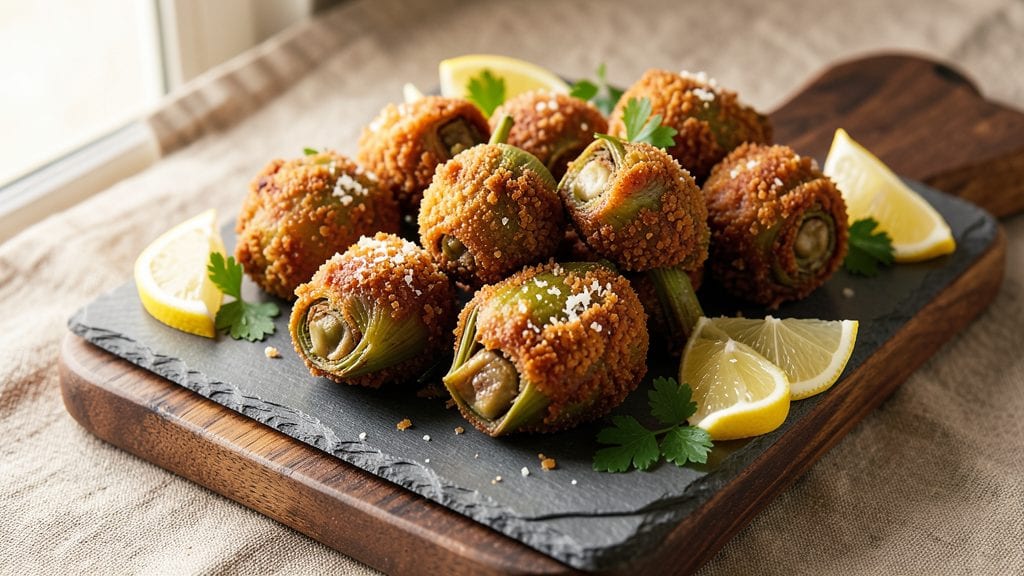
Transforming artichoke hearts into crispy, golden bites in just 10 minutes is easier than you think, and this deep-fried recipe delivers restaurant-quality results every time. The secret lies in a light, crisp batter that locks in moisture while creating that perfect crunch—no soggy bites here.
I’ve perfected this technique over countless batches, ensuring each heart stays tender inside while achieving that irresistible outer crust.
This method starts with a simple batter made from flour, eggs, and a touch of baking powder, seasoned with garlic powder and parmesan for that classic Italian flair.
The key to crispy perfection is frying in 350°F oil for just 2-3 minutes per batch, ensuring even cooking without overcrowding the pan. Safety comes first, so I’ll walk you through proper oil temperature checks and how to handle hot oil like a pro.
Once golden and bubbling, these artichoke hearts are ready to be plated with a squeeze of lemon or a dollop of garlic aioli for dipping. The contrast of crispy exterior and tender heart creates a texture that’s impossible to resist.
Serve them as an appetizer at your next gathering or as a snack for game day—they disappear fast, but the compliments will linger.
Pair with a fresh arugula salad or warm crusty bread to soak up any extra oil, and you’ve got a complete appetizer spread that feels like a gourmet experience. The best part?
This recipe scales effortlessly, so you can fry a single serving or double the batch for a crowd. Let’s get started on those crispy, golden bites!
Ingredients for deep fried artichoke hearts
Simple ingredients for restaurant-style crispy artichoke hearts that disappear fast.
| Ingredient | Amount | Notes |
|---|---|---|
| Marinated Artichoke Hearts 🍃 | 14 oz | Drained and patted dry |
| All-Purpose Flour 🌾 | 1 cup | Light, for crispy coating |
| Large Eggs 🥚 | 1 whole | Room temperature for smooth batter |
| Baking Powder 🍞 | 1 tsp | For light, airy batter |
| Garlic Powder 🧄 | 1 tsp | For classic Italian flavor |
| Grated Parmesan Cheese 🧀 | ¼ cup | Freshly grated for best flavor |
| Salt 🧂 | ½ tsp | Kosher or sea salt preferred |
| Vegetable Oil 🫒 | 2 cups | For deep frying (350°F) |
| Lemon Juice 🍋 | 1 tbsp | Freshly squeezed for serving |
| Black Pepper 🌶️ | ¼ tsp | Freshly ground for heat |
| Garlic Aioli 🍽️ | ½ cup | For dipping (optional) |
The artichoke hearts are the star—look for marinated ones in the produce section (the good stuff, not the jarred kind). Trader Joe's and Whole Foods carry the best quality, but any brand works if they're plump and firm. Drain them well and pat dry with paper towels—this step can't be skipped (wet hearts = soggy frying). I usually grab a 14-ounce jar for a perfect batch. If you're using frozen hearts, thaw and drain them first. The Parmesan adds that classic Italian touch, so grate it fresh—pre-grated tastes like sawdust in comparison.
No garlic powder? Fresh garlic minced and mixed into the batter works even better. Short on Parmesan? Pecorino Romano or Asiago are great swaps. The baking powder is crucial—don't skip it, or your coating won't be crispy. For the oil, vegetable or canola oil are best (they have high smoke points). If you're worried about oil splatter, use a deep fryer thermometer to keep it at 350°F—never exceed 375°F or the batter burns before it cooks. The lemon juice is a must for serving—it cuts through the richness and brightens everything up.
Fry the hearts in batches—overcrowding drops the oil temperature and makes them greasy. Keep the cooked ones on a wire rack (not paper towels) to stay crispy. They reheat beautifully in the oven at 375°F for 5 minutes if you made extras. Store leftovers in an airtight container for 3 days—but honestly, they won't last that long. For a crowd, double the batter and fry in two batches. Serve with that garlic aioli (store-bought or homemade) and watch them disappear.
Why You'll Love This Recipe
- No-Fuss Breading: I swear by that flour-egg-garlic mix—just dump it in a bowl, stir, and dip. The baking powder gives it that perfect lift without fuss, and honestly? My kids think I’m a genius because they can help "coat the artichokes."
- Crispy-Creamy Magic: That first bite—crunchy outside, tender inside—is what makes this worth it. The garlic powder soaks into the hearts while frying, turning them into little flavor bombs that disappear faster than you can say "second round."
- Game for Any Gathering: Serve these as a snack with marinara for game day, toss them into salads for a fancy dinner, or let them cool as a crunchy topping for pasta. Between us, I’ve even sneaked them into charcuterie boards when I’m feeling extra.
- Budget Crunch-Saver: Marinated hearts are cheap at the store, and this recipe stretches them into something restaurant-worthy. Plus, leftovers? Fry them again—yes, really—and they taste even better the second time around. My wallet and my taste buds win.
Step-by-step instructions for crispy deep fried artichoke hearts
Here's how to achieve perfectly golden, crispy artichoke hearts with a light, airy coating.
Prepare the Artichoke Hearts for Frying
Start by draining the 14 oz marinated artichoke hearts thoroughly and pat them completely dry with paper towels. This step is crucial—any moisture left on the hearts will prevent the coating from crisping properly. I like to spread them out on a clean kitchen towel and press gently to remove all excess liquid. You want them to be bone dry before moving to the next step.
While they're drying, crack the 1 whole large egg into a shallow bowl and whisk it lightly with a fork. Add the 0.5 tsp salt and 0.25 tsp black pepper to the egg mixture and stir until fully combined. This seasoned egg wash will add flavor and help the coating adhere better to the artichoke hearts. Let the egg mixture sit at room temperature while you prepare the next components.
Create the Crispy Coating
In a separate bowl, combine the 1 cup all-purpose flour, 1 tsp baking powder, 1 tsp garlic powder, and 0.25 cup freshly grated parmesan cheese. The baking powder will help create a light, airy coating rather than a dense one. Mix these dry ingredients together until well distributed—you should be able to see the garlic powder evenly dispersed throughout the flour.
I always use freshly grated parmesan because it's more flavorful and doesn't clump like pre-shredded cheese. If you're using pre-shredded, make sure it's the kind without anti-caking agents. The parmesan adds a wonderful salty, umami depth to the crispy coating that complements the artichoke hearts beautifully.
Set Up the Deep Fryer
Fill a deep skillet or Dutch oven with 2 cups vegetable oil and heat it to 350°F over medium heat. Use a kitchen thermometer to monitor the temperature—this is critical for even cooking and crispiness. The oil should be hot enough to maintain a steady 350°F without smoking excessively. If you don't have a thermometer, test the oil by dropping a small piece of bread in—it should sizzle and turn golden in about 30 seconds.
While the oil heats, set up your dredging station. Place the bowl with the egg wash next to the bowl with the flour mixture. You'll want to work quickly once the oil reaches temperature to maintain the crispy texture. Keep a wire rack or paper towels nearby for draining the fried artichoke hearts.
Fry the Artichoke Hearts to Golden Perfection
Working in batches to avoid overcrowding, dip each artichoke heart into the seasoned egg wash, letting any excess drip off. Then, immediately roll it in the flour mixture, pressing gently to ensure full coverage. You'll see the flour adhere to the hearts, creating a light, even coating. Place the coated hearts on a plate and let them rest for 30 seconds—this helps the coating set slightly before frying.
Carefully add the coated artichoke hearts to the hot oil, working in small batches to maintain the 350°F temperature. Fry for 2-3 minutes per side until they're golden brown and crispy. You'll know they're done when they float to the surface and maintain their shape without falling apart. Use a slotted spoon to remove them and drain on paper towels.
Serve Immediately with Lemon and Aioli
Transfer the crispy artichoke hearts to a serving platter and immediately drizzle with 1 tablespoon freshly squeezed lemon juice. The acidity cuts through the richness of the fried coating and enhances the natural flavor of the artichoke hearts. I like to serve them while they're still hot and crispy—this is when they're at their absolute best.
For dipping, offer the 0.5 cup garlic aioli on the side. The cool, creamy aioli balances the crispy texture perfectly. You'll want to serve these immediately as they lose their crispiness fairly quickly once removed from the oil. Enjoy them as an appetizer, snack, or even as a side dish for grilled meats or seafood.
Pro Tips For Making Deep Fried Artichoke Hearts
- Drain and Pat Dry: Marinated artichoke hearts cling to moisture like a bad habit—skip this, and your coating turns to soup. Dump them in a colander, give them a good shake, then press between paper towels. Wet hearts = greasy, uneven frying. (I learned this after a batch that looked more like a swamp than crispy perfection.)
- Use Cold Oil: Hot oil loses control fast, and artichokes burn before they brown. Start with oil at 350°F (175°C) and let it stabilize—cold oil heats up slower and keeps things even. A thermometer is worth it here; I used to eyeball it and ended up with charred edges and raw centers.
- Double-Dip for Crust: Flour alone won’t cut it—artichokes are slippery. Whisk the egg with a pinch of garlic powder and baking powder, then dip the hearts in flour first, shake off excess, then dip again in the egg mixture. The double layer sticks better and crisps up like a proper fried snack. (Yes, it’s messy, but worth it.)
- Fry in Batches: Crowd the pan, and you’ll steam the oil, making your coating soggy instead of golden. Keep it to 3-4 hearts at a time, and resist the urge to flip too soon. Let them fry undisturbed for 2-3 minutes per side—patience here guarantees a crispy finish. (I know, I know, but trust the process.)
Pro cooking tips for deep fried artichoke hearts
Oil Temperature Control
A 350°F oil temperature is non-negotiable for perfect results—any lower, and your coating turns greasy; any higher, and it burns before cooking through. I swear by a ThermoWorks Deep Fry Thermometer ($20 on Amazon) for precision.
Test your oil by dropping in a small piece of bread—if it sizzles and turns golden in 30 seconds, you're ready. Keep the oil at this temp between batches by adjusting the heat as needed. Never let it drop below 325°F or above 375°F. 🌡️
Batter Consistency Matters
The perfect batter should coat a fork lightly without dripping—think pancake batter consistency. If it's too thick, whisk in 1 tsp water at a time until smooth. Too thin? Add 1 tbsp more flour. I've ruined batches by skipping this step, so don't!
The egg wash should be seasoned but not too runny—if it pools at the bottom of your bowl, whisk in ½ tsp cornstarch to thicken it slightly. This ensures even coating adhesion. 🥚
Batch Size is Critical
Fry no more than 6-8 hearts at once—overcrowding drops oil temperature and creates greasy results. I use a 10-inch cast iron skillet for this recipe, and it handles 6 hearts perfectly. Work quickly but methodically: dip, coat, fry, drain.
Keep cooked hearts on a wire rack (not paper towels) to maintain crispness while you finish the batch. Timing is everything here—rush, and you'll get uneven cooking. ⏱️
Double-Frying for Extra Crisp
For restaurant-style crispiness, try double-frying: cook once at 350°F for 2 minutes, drain, then fry again at 375°F for 30 seconds. This second fry sets the coating perfectly. I do this when serving a crowd—it's worth the extra effort.
Just be extra careful with the higher temp—watch closely for color changes. The result? A coating that stays crisp even after sitting for 10 minutes. 💫
Seasoning Shortcuts
No fresh garlic powder? Mix ½ tsp minced garlic + ½ tsp onion powder into the flour. Out of parmesan? Pecorino Romano works perfectly—just grate it yourself. For extra flavor, add ½ tsp smoked paprika to the batter.
Pro tip: Toss the fried hearts with ½ tsp lemon zest right after frying for a bright, citrusy finish. These little tweaks elevate the dish without complicating the process. 🧄
Safety First
Always keep a fire extinguisher or baking soda nearby when deep frying—oil fires spread fast. Never leave hot oil unattended, and keep kids/pets away from the stove. I also recommend using a deep fryer basket (like the one from Cuisinart) to reduce splatter.
If oil starts smoking excessively, turn off the heat and let it cool before proceeding. Safety isn't optional—it's how you avoid disasters in the kitchen. 🔥
Nutrition facts
Frequently asked questions
Can I use frozen artichoke hearts for this recipe?
Yes, but you must thaw them completely first! Place frozen hearts in a colander and run cold water over them for 5-10 minutes until fully thawed. Drain thoroughly and pat dry—this step is critical to prevent soggy frying. Never use frozen hearts straight from the freezer, or your coating won't crisp properly.
What's the best way to keep the fried artichoke hearts crispy?
Keep them on a wire rack (not paper towels) after frying to allow air circulation. If storing, place them in a single layer in an airtight container with a paper towel underneath. Reheat in a 375°F oven for 5 minutes—microwaving makes them rubbery. For serving, fry in batches and keep the second batch warm in the oven while finishing.
Can I make this recipe gluten-free?
Swap the all-purpose flour for a 1:1 gluten-free flour blend (like Bob's Red Mill) and add ½ tsp xanthan gum to the batter for crispiness. The baking powder ratio stays the same. For extra crunch, use crushed cornflakes or panko-style gluten-free breadcrumbs mixed into the flour. Test small batches first—some blends absorb oil differently.
Why did my artichoke hearts come out greasy instead of crispy?
This usually happens from one of three issues: oil temperature too low (below 325°F), overcrowding the pan, or hearts not being dry enough. Double-check your thermometer, fry 6-8 hearts max per batch, and pat hearts completely dry before coating. If using pre-marinated hearts, drain them for 10 minutes before patting.
What are the best dipping sauces besides garlic aioli?
Try these crowd-pleasers: Spicy mayo (mix mayo with sriracha), lemon-herb yogurt (Greek yogurt + lemon zest + dill), or marinara sauce (lightly warmed). For a tangy kick, whisk ¼ cup mayo + 2 tbsp hot sauce + 1 tbsp honey**. The key is balancing richness with acidity—lemon juice is your best friend here!