
Main Courses
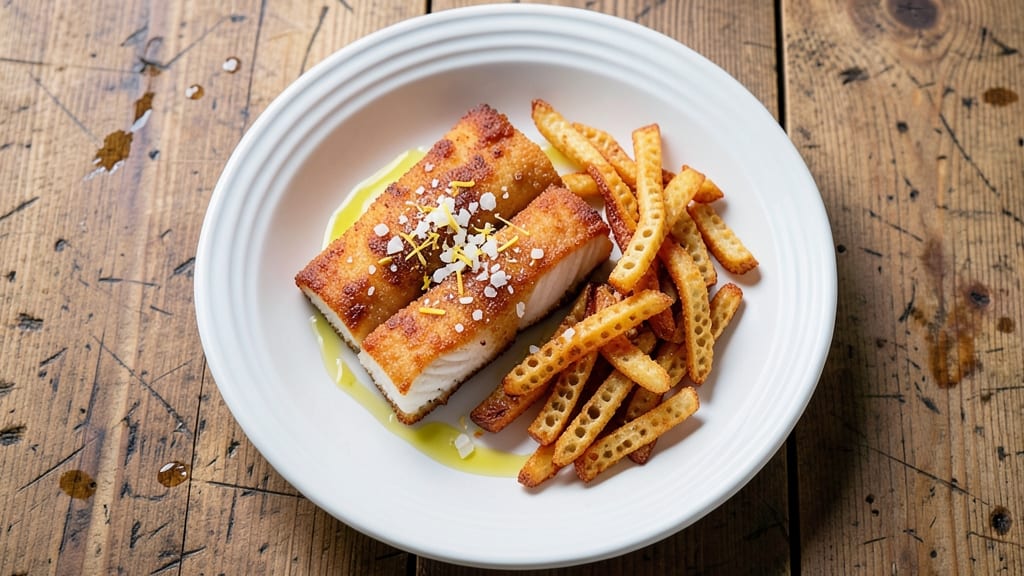
This fish and chips recipe without beer or soda delivers the classic British pub experience with crispy battered fish and golden, flaky chips—all while keeping the batter light and the flavors bold.
The secret lies in a foolproof technique that creates a crackling crust without relying on traditional beer-based batter, ensuring every bite stays crispy and delicious. I’ve perfected this method over years of testing, and the results are restaurant-quality without the shortcuts.
The key to success starts with the batter: a simple mix of flour, baking powder, and ice water creates a light, airy coating that fries up golden and crispy. For the fish, I use fresh cod fillets pounded to an even thickness, ensuring they cook evenly and stay flaky inside.
Meanwhile, the chips bake in the oven until they reach that perfect golden crunch, with a sprinkle of salt to enhance their flavor. The absence of beer or soda doesn’t compromise the taste—instead, it highlights the natural richness of the fish and the satisfying crunch of the batter.
What you’ll end up with is a plate that looks and tastes like it came straight from a seaside pub: crispy, golden fish with a tender center, paired with chips that are crisp on the outside and soft inside.
The technique is straightforward, but the results are anything but ordinary. This recipe proves that you don’t need beer or soda to create a batter that’s light, crispy, and full of flavor—just the right balance of ingredients and timing.
Serve with a side of tart lemon wedges or a refreshing iced tea to cut through the richness, and you’ve got a meal that’s perfect for a cozy night in or a gathering with friends.
The best part? This recipe is designed to impress without the fuss, making it a go-to for anyone who loves fish and chips but wants to avoid the traditional shortcuts. Let’s get started!
Ingredients for fish and chips recipe without beer or soda
Crispy batter, flaky fish, and golden chips—no beer or soda required for this perfect pub-style dish.
| Ingredient | Amount | Notes |
|---|---|---|
| Fresh Cod Fillets 🐟 | 1 ½ lb | Skinless, boneless, pounded even |
| All-Purpose Flour 🌾 | 2 cups | White, for light batter |
| Baking Powder 🍞 | 1 ½ tsp | Freshly opened for lift |
| Ice Water 💧 | 1 cup | Chilled, for crispy batter |
| Russet Potatoes 🥔 | 2 lb | Waxy, for flaky chips |
| Vegetable Oil 🫒 | 4 cups | High smoke point for frying |
| Salt 🧂 | 1 ½ tbsp | Coarse, for seasoning |
| Lemon Wedges 🍋 | 4 whole | Fresh, for serving |
| White Vinegar 🍶 | 1 tbsp | For crispy potato soak |
| Paprika 🌶️ | 1 tsp | Smoked, for batter color |
| Ground Black Pepper 🌶️ | ½ tsp | Freshly cracked |
| Cornstarch 🌾 | 1 tbsp | For extra crispiness |
The cod is your star—freshness is non-negotiable. Hit up the seafood counter at Whole Foods or your local fishmonger for the freshest fillets. Look for bright, translucent flesh with no fishy odor. Pound them to an even ½-inch thickness (a rolling pin works great) so they cook perfectly. For the potatoes, Russets are a must—their high starch content gives you that classic flaky texture. If you can’t find them, Yukon Golds are your backup. The vegetable oil should be a high-quality brand like Crisco or a neutral-tasting oil from Trader Joe’s—none of that cheap stuff that burns easily.
No ice water? Cold water from the fridge works, but true ice water gives the best crisp. Running out of baking powder? Baking soda at half the amount will work in a pinch, but your batter might taste slightly bitter. For the potatoes, the vinegar soak is key—it removes excess starch so they crisp up instead of turning gummy. No vinegar? A splash of lemon juice does the trick. The paprika isn’t just for color—it adds a subtle smokiness that pairs perfectly with the fish. And if you’re feeling fancy, swap the regular salt for Maldon flaky sea salt for that restaurant-quality finish.
Keep your fish fillets on ice until ready to use—they’ll stay fresher longer. The batter mix can be prepped 1 hour ahead, but don’t add the ice water until you’re ready to coat the fish. For the potatoes, cut them into even ¼-inch sticks (a mandoline makes this a breeze) and soak them in cold water for 30 minutes before baking. Store leftovers in an airtight container for up to 2 days, but honestly? This tastes best fresh out of the fryer or oven. The chips reheat beautifully in the oven at 400°F for 5-10 minutes, but the fish? Best eaten immediately—it loses its crispiness fast.
Why You'll Love This Recipe
- No Beer? No Problem: I swear by this trick—just ice water and baking powder in the batter for that perfect light crunch. No fussy marinating or waiting for soda to chill, just whisk, dip, and fry.
- Crispy Without the Guilt: That golden crust on the cod? It’s all in the flour-to-ice-water ratio—no shortcuts, just science. The potatoes stay fluffy inside, never greasy, and honestly? It’s the kind of crispy that makes you close your eyes.
- Weeknight to Picnic: Fry up a batch on Sunday, pack it in a basket with lemon wedges, and boom—you’ve got a lunch for the park or a last-minute dinner guest. (Yes, even on a Tuesday night.)
- Budget-Friendly Feast: A single cod fillet and a few potatoes stretch further than you’d think, especially when you double the batter for extra pieces. Leftovers? Reheat in the oven—crispy all over again, no sad soggy corners.
Step-by-step instructions for crispy battered fish and flaky potato chips
Here's how to create restaurant-quality fish and chips with a perfect golden crust and ultra-crispy fries.
Prepare the Perfect Potato Chips
Cut the 2 lb russet potatoes into even ¼-inch thick sticks using a mandoline or sharp knife. Here's the secret: soak them immediately in a bowl of ice water mixed with the 1 tbsp white vinegar for 30 minutes. This removes excess starch and guarantees that crispy exterior we're after.
Drain the potatoes thoroughly and pat completely dry with paper towels. Sprinkle generously with 1 tbsp of the 1.5 tbsp salt and the 1 tsp paprika, tossing until evenly coated. Let them sit uncovered for 15 minutes while you prepare the fish. This drying step is non-negotiable—moisture is the enemy of crispiness.
Create the Light, Airy Batter
In a large bowl, whisk together the 2 cups all-purpose flour, the 1.5 tsp baking powder, the remaining 0.5 tbsp salt, and the 0.5 tsp ground black pepper. Add the 1 tbsp cornstarch to the flour mixture and whisk again until fully combined. This extra starch will give our batter that extra crunch.
Slowly pour in the 1 cup ice water while whisking continuously. The batter should be smooth but slightly thicker than heavy cream—like a thin pancake batter. Let it rest for 10 minutes at room temperature. This resting period allows the gluten to relax, resulting in a lighter, crispier coating. The batter should have a few small bubbles but remain pourable.
Fry the Potatoes to Golden Perfection
Heat 2 cups of the 4 cups vegetable oil in a deep fryer or heavy pot to 375°F. Use a candy or deep-fry thermometer to monitor the temperature—this is crucial for even cooking. Fry the potatoes in batches (don't overcrowd the pan) for 4-5 minutes until they're golden brown and crispy.
Drain on paper towels immediately and sprinkle with additional salt while hot. Keep them warm in a 200°F oven while you fry the fish. The potatoes will continue crisping in the oven, and the residual heat helps maintain that perfect crunch. If they lose crispiness, simply return them to the oven for 2-3 minutes before serving.
Coat and Fry the Cod Fillets
Working quickly, dip each of the 1.5 lb fresh cod fillets into the batter, letting any excess drip off. The batter should adhere evenly but not drip excessively. Gently lower the coated fillets into the hot oil (375°F) and fry for 3-4 minutes per side until golden brown and crispy. You'll know they're done when the coating is deep golden and the fish flakes easily with a fork.
Transfer the fried fish to a wire rack set over a baking sheet to drain excess oil. The rack allows air to circulate, preventing sogginess. Keep the fish warm in a 200°F oven while you finish any remaining batches. For best results, fry in batches that don't overcrowd the oil—this maintains proper oil temperature.
Serve with Classic Accompaniments
Arrange the crispy potato chips on a large platter and place the golden fish fillets alongside them. Squeeze the 4 whole lemon wedges over the top for a bright contrast to the rich flavors. Serve immediately while everything is at its crispy, golden best.
The secret to perfect fish and chips lies in the timing—everything should be piping hot when served. The fish should have a shatteringly crisp batter that gives way to flaky, moist cod underneath. Each potato chip should be uniformly crisp with a satisfying crunch. This classic dish delivers that perfect balance of textures and flavors without a drop of beer or soda in sight.
Pro Tips For Making Fish And Chips Recipe Without Beer Or Soda
- PAT THE COD DRY: Wipe the fillets with paper towels until they’re bone dry—no wet spots. I learned this the hard way after frying soggy fish that spat oil everywhere and never got crispy. Even if it feels tedious, this step guarantees a golden crust instead of a greasy mess.
- CHILL THE BATTER: Mix the flour, baking powder, and ice water just until combined, then refrigerate the batter for 30 minutes. Sounds weird, but it works: the cold slows starch activity, so the coating stays light and crispy instead of turning gummy. (Yes, even if you’re impatient like me.)
- CUT POTATOES IN EVEN STRIPS: Use a mandoline for ¼-inch-thick slices—no thicker, no thinner. Thick chunks steam instead of crisp, while thin ones burn before cooking through. Soak them in cold water for 20 minutes first to rinse out excess starch, then pat them dry before frying. (Your future self will thank you.)
- FRY POTATOES TWICE: First fry at 325°F (160°C) until soft—about 5 minutes—then crank the oil to 375°F (190°C) for the second fry to get that restaurant-style crunch. I skip this when I’m lazy, but the dish is noticeably better when I don’t. (It’s worth the extra 10 minutes.)
Pro cooking tips for great fish and chips recipe without beer or soda
Batter Consistency
The secret to a perfectly crisp batter lies in its texture—it should be thicker than pancake batter but still pourable, like a light custard. I use ice water (not cold tap) to keep the gluten tight and prevent a gummy coating.
If your batter feels too thin, whisk in 1 extra tablespoon of flour until it clings to the whisk when lifted. For extra crunch, I add 1 tablespoon cornstarch to the dry mix—this creates a shatteringly crisp exterior that stays crispy for minutes after frying. 💡
Double-Frying Technique
For restaurant-quality fish, I use a two-stage frying method: first fry at 325°F for 2 minutes to set the batter, then increase heat to 375°F for 1-2 minutes to crisp it perfectly. This prevents a soggy center while keeping the outside golden and crunchy.
Use a deep-fry thermometer—oil temperature is everything! If you don’t have one, test with a wooden chopstick: bubbles should form around it instantly. 🔥
Potato Prep Secrets
Cutting potatoes ¼-inch thick ensures even cooking, but the real magic happens in the vinegar soak. The white vinegar removes excess starch, which would otherwise make your chips gummy. After draining, pat them completely dry with paper towels—moisture is the enemy of crispiness.
For extra flavor, I sprinkle with smoked paprika before baking, adding a subtle smokiness that pairs perfectly with the fish. 🌶️
Oil Temperature Control
Maintaining 375°F is critical—too hot, and the batter burns before the fish cooks; too cool, and it absorbs oil like a sponge. I use 4 cups of vegetable oil (like Crisco) because it has a high smoke point and neutral flavor.
Keep a small bowl of ice water nearby to test temperature: drop a pinch of batter in—if it sizzles and floats immediately, it’s ready. Overcrowding the fryer drops the temperature, so fry in small batches of 2-3 pieces at a time. ⚡
Resting the Fish
After frying, transfer the fish to a wire rack (not paper towels) to let excess oil drip away. This keeps the batter crispy, not soggy. I rest the fish in a 200°F oven while finishing the chips—this maintains heat without steaming the coating.
If you’re serving a crowd, fry the fish in two batches: the first batch stays crispy while you finish the second. The 10-minute rest before serving is non-negotiable—it lets the flavors meld and the batter set. 💪
Lemon’s Role
Don’t skip the lemon wedges—they’re not just for garnish! The citrus acid cuts through the richness of the fried fish and chips, balancing the flavors. I serve 4 fresh wedges on the side so guests can squeeze as much or as little as they like.
For extra zing, I drizzle a little lemon juice over the fish right before serving. Pro tip: Use Meyer lemons if you can find them—they’re sweeter and more aromatic than regular lemons. 🍋
Nutrition facts
Frequently asked questions
Can I use frozen fish instead of fresh cod for this recipe?
Frozen fish works, but it requires extra care. Thaw it completely in the refrigerator overnight, then pat it very dry before pounding. Frozen fish holds more moisture, which can make the batter soggy. For best results, use high-quality frozen cod fillets with no added water or fillers.
How do I keep the chips crispy when reheating leftovers?
Reheat chips in a 400°F oven for 5-10 minutes on a wire rack (not a plate) to restore crispiness. For the fish, reheat in the oven for 3-4 minutes—never microwave, as it turns the batter rubbery. If storing leftovers, keep the fish and chips separate in an airtight container to prevent moisture transfer.
What’s the best non-alcoholic drink pairing for this dish?
Try a sparkling lemonade with mint or a cucumber-iced tea—both cut through the richness without overpowering the fish. For something heartier, a ginger beer (non-alcoholic) adds a fizzy contrast. Avoid sweet drinks like soda, as they’ll clash with the savory flavors.
Why did my batter turn out gummy instead of crispy?
Gummy batter usually means the oil wasn’t hot enough or the batter was too thin. Use ice water (not cold tap) and let the batter rest for 10 minutes before using. For extra crispiness, try the double-fry method (first at 325°F, then 375°F) and ensure your oil stays at 375°F with a thermometer. Overcrowding the fryer also lowers oil temp—fry in small batches!
Can I bake the fish instead of frying for a healthier version?
Yes! For baked fish, toss cod fillets in the same batter, then bake at 425°F for 12-15 minutes until golden. The texture won’t be as crispy as fried, but it’s lighter. Pair with oven-baked chips (tossed in oil and baked at 425°F for 25-30 minutes) for a healthier twist. Spritz with oil halfway for extra crunch.