
Sauces & Condiments
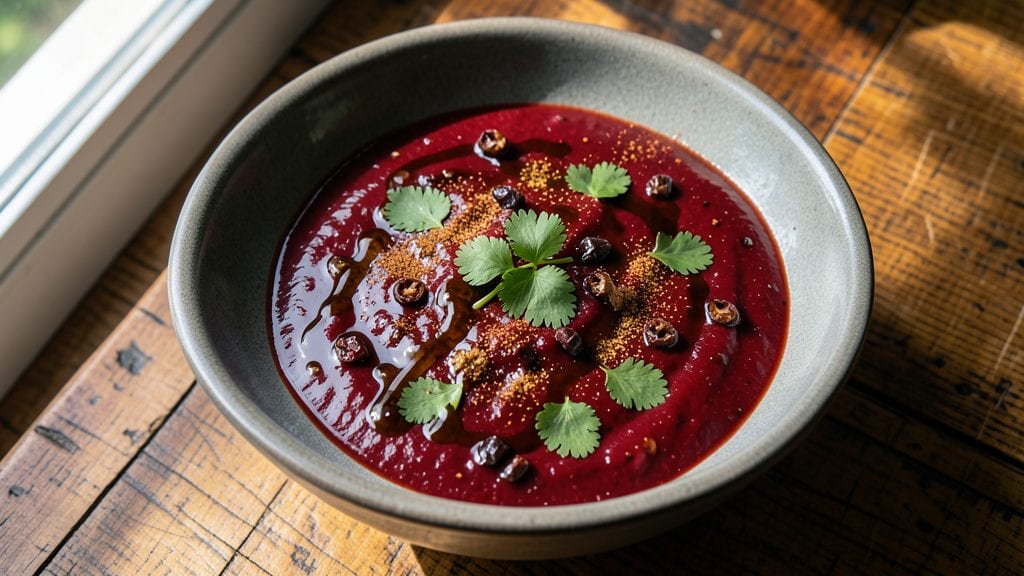
Mastering the Frank’s Red Wing sauce recipe at home unlocks that signature smoky chipotle heat with a velvety tomato base—exactly what makes this sauce a cult favorite.
The balance of cayenne, vinegar, and spices creates a complex flavor profile that's both bold and smooth, perfect for drizzling on wings, tacos, or even eggs. I've refined this recipe over years of testing to ensure every batch delivers that signature tangy, slightly sweet, and fiery kick.
This homemade version requires just 10 minutes of active prep and lets the flavors develop while you cook, making it ideal for meal prep or spontaneous flavor boosts. The secret lies in simmering the sauce until it thickens just enough to cling to food without overwhelming it.
Whether you prefer a smoky depth or extra heat, this recipe adapts easily to your taste—just adjust the cayenne or chipotle levels.
What you'll end up with is a versatile, restaurant-quality sauce that's far superior to store-bought versions. The smoky aroma alone will draw everyone to the table, while the velvety texture ensures every bite is packed with flavor.
Store it in the fridge for up to 2 weeks or freeze for longer shelf life—perfect for keeping on hand whenever you crave that signature Red Wing kick.
The best part? This sauce transforms ordinary dishes into something extraordinary. Drizzle it over wings, mix it into marinades, or even use it as a dip—your taste buds won't know the difference between homemade and the original. Let's get started on making this sauce that's been missing from your kitchen.
Ingredients for frank's red wing sauce
Nine simple ingredients transform into that iconic smoky, tangy Red Wing sauce you crave.
| Ingredient | Amount | Notes |
|---|---|---|
| Canned Tomato Sauce 🍅 | 1 ½ cups | High-quality, no salt added |
| Chipotle Peppers in Adobo Sauce 🌶️ | 3 whole | 2 tbsp sauce reserved for depth |
| Apple Cider Vinegar 🍎 | ½ cup | For signature tanginess |
| Cayenne Pepper 🔥 | 1 ½ tsp | Adjust for heat preference |
| Smoked Paprika 🌶️ | 1 ½ tbsp | For authentic smoky flavor |
| Garlic Powder 🧄 | 1 tsp | Freshly ground preferred |
| Onion Powder 🧅 | 1 tsp | For depth of flavor |
| Granulated Sugar 🍬 | 1 tbsp | Balances heat and acidity |
| Salt 🧂 | 1 tsp | Kosher or sea salt |
| Black Pepper 🌶️ | ½ tsp | Freshly ground preferred |
The chipotle peppers in adobo are the heart of this sauce—don't skip the reserved sauce from the jar. Trader Joe's and Penzeys carry high-quality adobo sauce, but any canned chipotles work. For extra smokiness, toast the peppers in a dry skillet for 30 seconds before blending. The apple cider vinegar is non-negotiable for that signature tang—subbing white vinegar changes the whole vibe. If you're sensitive to heat, start with half the cayenne and adjust to taste. The smoked paprika is what gives it that restaurant-quality depth—regular paprika just won't cut it.
No chipotle peppers? 1 tbsp hot sauce plus 1 tsp smoked paprika gets you close. Short on vinegar? Lemon juice at the same amount works in a pinch, though the flavor shifts slightly. The tomato sauce can be homemade or store-bought—just avoid anything with added sugar or preservatives. For a sweeter version, bump the sugar up to 2 tbsp. This sauce is incredibly forgiving—if you forget a spice, just add a pinch of salt and cayenne to balance. The key is simmering it until it thickens just right—don't rush this part!
This sauce keeps beautifully in the fridge for up to 2 weeks, though it tastes even better the next day as flavors meld. For longer storage, freeze in ice cube trays—perfect for single-use portions. The sauce thickens as it cools, so if it seems too thick when cold, just stir in a splash of water. I make double batches all the time—it disappears faster than you'd think. The leftovers make an amazing marinade for chicken or a dip for veggies. Trust me, you'll want to keep this on hand.
Why You'll Love This Recipe
- Pantry Magic: I swear by this sauce because it lives in my cabinet—no fresh herbs, no fancy gadgets, just a can of tomatoes and a chipotle pepper. The adobo sauce’s smoky depth and that tangy vinegar cut through everything like a knife, yet it still feels intentional.
- Smoky Heat Fix: That first bite? It’s the perfect balance—sweet from the tomatoes, smoldering from the chipotle, and a little kick from cayenne. Honestly, it’s the kind of sauce that makes you pause mid-bite and think, “Why didn’t I make this sooner?” The smoked paprika ties it all together without overpowering.
- Game for Any Meal: Slather it on grilled chicken for a weeknight dinner, toss it with pasta for a lazy Sunday, or even drizzle it over eggs in the morning. I’ve used it in tacos, on burgers, and even as a marinade—it’s the unsung hero that never lets me down.
- Leftovers That Shine: This sauce actually improves the next day. The flavors meld into something richer, and it keeps for weeks in the fridge. Between us, I’ve made a double batch just to have it on hand—because nothing beats pulling a jar from the shelf when inspiration (or hunger) strikes.
Step-by-step instructions for frank's Red Wing sauce
This smoky, velvety sauce delivers bold chipotle heat with perfect balance—here's how to make it shine.
Prepare the Chipotle Peppers
Remove the 3 whole chipotle peppers from their adobo sauce and place them in a small bowl. Reserve 2 tablespoons of the adobo sauce for later—this adds incredible depth of flavor. Finely chop the peppers with a sharp knife or pulse briefly in a food processor. You want them minced but not puréed, so you still get some texture in the sauce.
Here's the thing—don't skip this chopping step. Whole peppers would create uneven heat distribution, while a purée would make the sauce too smooth. These minced peppers will distribute their smoky, spicy goodness perfectly throughout the sauce as it simmers.
Combine All Ingredients in a Saucepan
In a medium saucepan, combine the 1.5 cups canned tomato sauce, minced chipotle peppers, 0.5 cup apple cider vinegar, 1.5 tablespoons smoked paprika, 1.5 teaspoons cayenne pepper, 1 teaspoon garlic powder, 1 teaspoon onion powder, 1 tablespoon granulated sugar, 1 teaspoon salt, and 0.5 teaspoon black pepper. Stir everything together until fully incorporated—you should see the spices begin to bloom and release their aromas.
I like to use a wooden spoon for this step because it helps scrape up any spices that stick to the bottom of the pan. The vinegar will make the sauce bubble slightly as it begins to warm up, so keep your hand away from the steam initially. This combination of ingredients creates an amazing flavor foundation that will develop beautifully as it simmers.
Simmer Until Thick and Flavorful
Bring the sauce to a gentle boil over medium heat, then immediately reduce to low heat. Let it simmer uncovered for 20-25 minutes, stirring occasionally. You're looking for the sauce to reduce by about one-third, until it coats the back of a spoon and has a velvety consistency. The sauce should smell incredible—smoky, slightly sweet, with a hint of tang from the vinegar.
This simmering time is crucial. It allows all the flavors to meld together while reducing the sauce to the perfect consistency. If it reduces too quickly, add 1-2 tablespoons of water to maintain the balance. The sauce should be thick enough to cling to foods but still have a silky texture—not gluey or pasty.
Finish with Reserved Adobo Sauce
Once the sauce reaches your desired consistency, remove it from heat and stir in the reserved 2 tablespoons of adobo sauce. This final addition adds another layer of complexity and depth that you absolutely don't want to miss. Taste the sauce and adjust the seasoning if needed—you might want to add a pinch more salt or cayenne pepper to achieve the perfect balance of heat and flavor.
The sauce should be vibrant red with visible flecks of chipotle pepper, offering both visual appeal and that signature smoky heat. Let it cool slightly before serving—this allows the flavors to settle and intensify. This sauce is amazing on tacos, grilled meats, or even as a dip for chips. The possibilities are endless!
Pro Tips For Making Frank'S Red Wing Sauce
- SIMMER LOW AND SLOW: This sauce isn’t a race—after adding the chipotles and vinegar, drop the heat to a bare simmer and let it work for at least 15 minutes. I used to rush it, and the flavors stayed sharp instead of melding. Low and steady is how you get that deep, smoky harmony.
- STRAIN THE ADOBO: The adobo sauce from the canned chipotles is thick and bitter—skip pouring it all in. Strain out the peppers and reserve just 1-2 tablespoons of the adobo for the sauce. That’s where the real depth lives, not the leftover vinegar sludge.
- TOAST THE PAPRIKA: Smoked paprika loses its punch if you just sprinkle it in. Dry-toast it in a small pan for 30 seconds until it smells like a campfire, then whisk it into the warm sauce. The aroma alone makes the difference—trust me, I’ve tasted both.
- TASTE AS YOU GO: Vinegar and cayenne are sneaky—add them gradually and taste after each step. I’ve ruined batches by dumping in all the vinegar upfront and ending up with a pucker bomb. Start with half, simmer, then adjust. Your taste buds are the best tool here.
Regional styles of this frank's red wing sauce
Texas BBQ Influence
The original Frank's Red Wing sauce was born in Texas, where it became a staple in BBQ joints and food trucks. The smoky chipotle heat reflects classic Texas BBQ traditions, often paired with slow-smoked brisket or ribs.
I've noticed that Texas versions tend to use more smoked paprika—up to 2 tbsp—for that deep, campfire aroma. The apple cider vinegar gives it that signature tang that stands up to rich, fatty meats. 🌶️
Carolina Smokehouse Twist
In the Carolinas, this sauce often gets a vinagrette-style adaptation with extra vinegar and a touch of brown sugar (up to 2 tbsp) to balance the heat. Some pitmasters there add a pinch of mustard powder for a subtle sharpness that complements pulled pork.
I've seen Carolina versions served as a dipping sauce for shrimp—the acidity cuts through the seafood beautifully. The key difference? More vinegar-forward and slightly sweeter.
Midwest Food Truck Favorite
Food trucks across the Midwest have put their own spin on Red Wing sauce, often making it thicker and sweeter to handle cold weather cravings. They'll reduce it longer (up to 30 minutes) and add 1 extra tbsp sugar to balance the heat.
Some even blend in a splash of molasses for depth. I've tasted versions from Chicago food trucks that use liquid smoke (just ½ tsp) to intensify the smokiness without overpowering the chipotle.
California Fusion Adaptation
Out West, chefs blend Red Wing sauce with fresh fruit—like mango or pineapple—to create a sweet-spicy fusion sauce perfect for tacos or grilled fish. They'll add 2 tbsp puréed fruit (strained) and reduce the cayenne to 1 tsp.
The California version also often includes cilantro (about 1 tbsp chopped) for brightness. I tried a version with avocado stirred in at the end—it created a creamy, spicy dip that was pure genius.
Southern Soul Food Pairing
In Southern kitchens, this sauce becomes a gravy-like condiment for fried chicken or biscuits. They'll thicken it with cornstarch slurry (mix 1 tsp cornstarch with 1 tbsp water) and add a dash of Worcestershire sauce for umami depth.
The Southern approach often includes a pinch of cayenne in the batter itself, making the sauce even more essential. I've seen it used as a dipping sauce for green tomatoes—the acidity and heat are a match made in heaven. 💫
Nutrition facts
Frequently asked questions
Can I make this sauce without chipotle peppers?
Yes, but the flavor will differ. For a substitute, blend 1 tbsp hot sauce (like Tabasco) with 1 tsp smoked paprika to mimic the smoky heat. The sauce will lose some depth, but it’ll still deliver that signature tangy kick. If you’re avoiding all peppers, increase cayenne to 2 tsp for extra heat.
How do I adjust the heat level?
Start with the 1.5 tsp cayenne called for, then taste as you go. For milder heat, reduce to 1 tsp cayenne or even ½ tsp. If you want it fiery, add ½ tsp extra cayenne or a pinch of red pepper flakes. Pro tip: Let the sauce sit for 10 minutes after simmering—the heat intensity often mellows slightly as it cools.
Can I use this sauce on seafood?
The tangy, smoky profile works beautifully with seafood. Try it on grilled shrimp, fish tacos, or even as a marinade for salmon. For delicate fish like cod, reduce the cayenne to 1 tsp to avoid overpowering the natural flavor. The vinegar in the sauce helps cut through richness, making it a great pairing.
Why did my sauce turn out too thin?
If your sauce is too thin, it likely didn’t simmer long enough. Simmer uncovered for an extra 5-10 minutes to thicken it naturally. For a quick fix, mix 1 tsp cornstarch with 1 tbsp water, stir into the sauce, and heat for 2 minutes until thickened. Avoid over-simmering, or the sauce may darken or develop a pasty texture.
How long will this sauce keep in the fridge?
Homemade sauce stays fresh for up to 2 weeks in an airtight container. The flavors actually improve as it sits! For longer storage, freeze in ice cube trays—thaw overnight in the fridge before using. The sauce may thicken when refrigerated, so stir in a splash of water if needed before serving.