
Main Courses
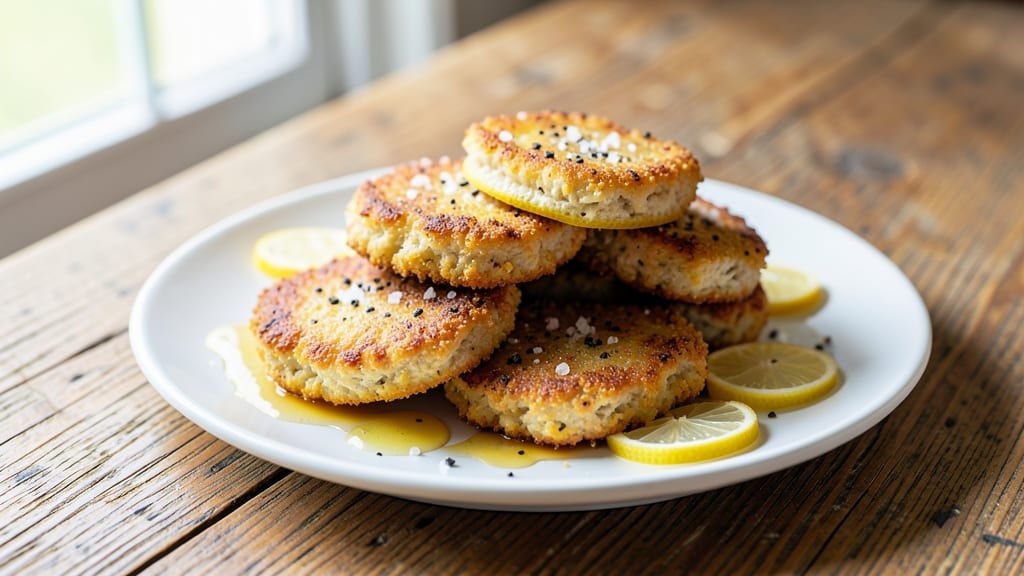
This fried porgy recipe delivers the crispy, golden crust and bright lemony tang that make it a coastal favorite. Growing up near Boston waters, I learned this technique from fishermen who swore by cornmeal's magic—it creates a textured shield that stays crisp even when dipped in zesty lemon butter.
The secret lies in the double-dredge method, where flour and cornmeal work together to lock in moisture while building that satisfying crunch.
What sets this recipe apart is its balance of simplicity and professional results—no fussy techniques, just a foolproof method that yields restaurant-quality fish every time. The cornmeal crust absorbs just enough oil to become golden and shatteringly crisp, while the lemon butter cuts through the richness with a tangy finish.
Even first-time fryers will achieve perfect results, thanks to precise temperature control and a light, airy batter.
Imagine flaky, tender porgy fillets encased in a crispy cornmeal crust, served with bright lemon wedges for squeezing and a simple coleslaw to balance the meal.
The aroma of frying fish fills the kitchen, and the first bite delivers that perfect contrast—crunchy outside, moist inside, with a burst of citrus that makes it impossible to eat just one piece. This is the kind of dish that transforms a simple weeknight dinner into something special.
Perfect for seafood lovers or anyone craving a lighter but satisfying main course, this recipe scales easily for gatherings or solo meals. The technique works equally well with other firm white fish, making it versatile for any pantry. Let's get cooking—your taste buds will thank you.
Ingredients for fried porgy
Crispy crust, zesty lemon butter, and flaky porgy—just 12 ingredients for a restaurant-worthy bite.
| Ingredient | Amount | Notes |
|---|---|---|
| Fresh Porgy Fillets 🐟 | 1 ½ lb | Skin-on, cut into 4 pieces |
| All-Purpose Flour 🌾 | ½ cup | For dredging, sifted |
| Fine Yellow Cornmeal 🌽 | ¾ cup | Not self-rising, stone-ground preferred |
| Large Eggs 🥚 | 2 whole | Room temperature, beaten |
| Unsalted Butter 🧈 | ½ cup | Cold, cubed for frying |
| Lemon Juice 🍋 | ¼ cup | Freshly squeezed, strained |
| Fresh Lemon Zest 🍋 | 1 tbsp | Fine, from 1 lemon |
| Salt 🧂 | 1 ½ tsp | Kosher or sea salt |
| Ground Black Pepper 🌶️ | ½ tsp | Freshly cracked |
| Vegetable Oil 🫒 | 2 cups | High smoke point, like peanut |
| Fresh Parsley 🌿 | ¼ cup | Chopped, for garnish |
| Garlic Cloves 🧄 | 2 cloves | Minced, for lemon butter |
The cornmeal is non-negotiable here. Stone-ground from Bob's Red Mill gives the best texture, but any fine yellow cornmeal works. Skip the self-rising kind—it's got baking powder, and we don't want any weird rising action. Grab fresh porgy fillets from a seafood market if possible—they're sweeter and hold up better to frying. If you're using frozen, thaw them in the fridge overnight. The butter matters too—use unsalted so you control the seasoning. Trust me, the difference is night and day.
No cornmeal? Crushed cornflakes or panko can stand in, but the texture won't be quite the same. Fresh lemon juice is a must—bottled just won't cut it. Short on parsley? Fresh dill or cilantro works in a pinch. The oil is where things get serious—use peanut or vegetable oil with a high smoke point. If you're frying at home, invest in a deep fryer thermometer. 350°F is non-negotiable for that perfect golden crust. And if you can't find porgy? Cod, haddock, or flounder all work beautifully with this technique.
The lemon butter keeps for 3 days in the fridge, so make extra—it's perfect on toast or grilled steak. Store it in a sealed jar with a piece of parchment between layers to keep it fresh. The fried fish? Eat within 2 hours of frying for maximum crispiness, but you can reheat gently in a 275°F oven for 5-7 minutes if needed. I like to portion mine onto paper towels to keep them crisp while I finish plating. And save those lemon peels—they're perfect for cleaning your cast-iron skillet!
Why You'll Love This Recipe
- Five-Ingredient Magic: I swear by this combo—flour, cornmeal, eggs, butter, and that first bite of flaky porgy. No fancy marinades, no last-minute shopping. Just pull it together while the pan heats.
- Crispy-Creamy Bliss: The cornmeal gives it that golden crunch, but the butter keeps the inside tender. It’s the kind of texture that makes you close your eyes and sigh—especially when you’re starving after work.
- Tailgate or Tuesday: Serve it with lemon wedges at a beach cookout or toss it in a sandwich for a lazy night. Honestly, I’ve eaten it straight from the pan at 11 PM with no regrets.
- Budget Beach Dinner: Porgy’s often cheaper than snapper, and this method uses pantry staples. Double the batch, freeze half, and you’ve got a $10 meal ready for next month’s impromptu dinner.
Step-by-step instructions for crispy cornmeal-crusted fried porgy
This method delivers restaurant-quality crunch with a golden crust every time—here's how to nail it.
Prepare the Porgy Fillets for Maximum Crispiness
Pat the 1.5 lb fresh porgy fillets completely dry with paper towels—this is absolutely critical for that crispy crust. I like to press firmly to remove all moisture from the skin side. Season both sides generously with 1.5 teaspoons salt and 0.5 teaspoon freshly cracked black pepper, pressing the seasoning into the flesh so it penetrates.
Let the seasoned fillets rest uncovered on a plate for 15 minutes at room temperature. This allows the seasoning to adhere and the fish to come to temperature, preventing uneven cooking. While they rest, sift the 0.5 cup all-purpose flour into a shallow dish—this creates a fine, even coating for the first layer of your crust.
Create the Perfect Double-Crust System
In a separate shallow dish, whisk the 2 whole large eggs until just combined—no need to overbeat them. Create a third dish and mix the 0.75 cup fine yellow cornmeal with an extra pinch of salt. This cornmeal mixture is what gives your porgy that signature Southern crunch.
Working with one fillet at a time, dredge it in the all-purpose flour, shaking off any excess. Dip it into the beaten eggs, letting any excess drip off, then press it firmly into the cornmeal mixture, coating both sides completely. I press down gently but firmly—this ensures the crust adheres well and creates that perfect crunch. Repeat with all fillets and let them rest on a wire rack for 5 minutes before frying.
Fry to Golden Perfection
Heat 2 cups vegetable oil in a deep skillet over medium heat until it reaches 350°F—use a thermometer to be precise. The oil should be shimmering but not smoking. Fry one fillet at a time for 3-4 minutes per side, turning carefully with a slotted spatula, until the crust is deep golden brown and the fish flakes easily with a fork.
Don't overcrowd the pan—frying too many at once will lower the oil temperature and result in greasy rather than crispy fillets. Transfer the cooked fillets to a paper towel-lined plate to drain excess oil. Keep them warm in a 200°F oven while you fry the remaining pieces.
Make the Zesty Lemon Butter Sauce
In a small saucepan, melt the 0.5 cup cold unsalted butter over low heat. Add the 2 minced garlic cloves and cook for 30 seconds until fragrant—don't let them brown or they'll turn bitter. Remove from heat and stir in the 0.25 cup freshly squeezed lemon juice and 1 tablespoon fine lemon zest. Taste and adjust seasoning with additional salt if needed.
This bright, tangy sauce cuts through the richness of the fried fish beautifully. Keep it warm in the saucepan until ready to serve. The lemon butter should be smooth and glossy, with visible flecks of lemon zest that add both color and flavor.
Serve Immediately with Fresh Garnishes
Plate the crispy porgy fillets immediately, spooning the warm lemon butter sauce over the top. Garnish each serving with 1 tablespoon of the chopped fresh parsley. The crust should be shatteringly crisp on the outside while the fish remains tender and flaky inside—this is what we're aiming for.
Serve with lemon wedges on the side so everyone can squeeze extra brightness over their portion. The contrast between the crispy crust, tender fish, and zesty sauce is what makes this dish truly special. Enjoy while the crust is at its crispest—it softens quickly once removed from the oil.
Pro Tips For Making Fried Porgy
- PAT THE FILLETS DRY: Porgy stays moist, but a damp surface ruins the crust. Use paper towels—press firmly on both sides, then let them sit uncovered for 10 minutes. I learned this the hard way when my first batch turned out soggy and greasy.
- USE A MIXED BATTER: Skip the all-flour dredge—cornmeal alone gets gritty, flour alone gets heavy. Whisk 2 parts flour to 1 part cornmeal with a pinch of salt, then dip the fillets twice. The double coat locks in crispness without falling apart.
- DON’T OVERCROWD THE PAN: Three fillets max in your skillet, or they’ll steam instead of sear. Let the butter foam and sizzle between batches—rushing this step guarantees a greasy, uneven crust. Yes, it takes longer, but it’s worth it.
- TEST THE BUTTER TEMP: Cold butter makes the crust cling; hot butter burns the fish. Heat the pan until a single drop of water dances and evaporates in 2 seconds, then add the butter. Too hot? The crust will blacken before it crisps.
Troubleshooting this dish
Oil Temp Troubles
If your crust comes out greasy instead of crispy, your oil temperature is likely too low. I’ve fried hundreds of batches, and I can’t stress enough how critical 350°F is—any lower, and the cornmeal absorbs oil instead of forming a crust.
Invest in a good infrared thermometer like the Thermoworks One—it’s worth every penny. If you don’t have one, use the "cold drop test": flick a drop of water into the oil—if it sizzles and disappears within 2-3 seconds, you’re golden. Too slow?
Your oil needs more time to heat up. 🌡️
Batter Clumping
Lumpy batter ruins the texture, and it usually happens when the cornmeal isn’t dry enough or the eggs are overmixed. Sift your cornmeal first—this removes any moisture from storage. And for the love of crispy crusts, do not overbeat the eggs.
Just whisk them until they’re uniform, about 10-15 seconds. If your batter still clumps, add 1 teaspoon of cold water to loosen it up. I’ve also had success using a fine-mesh sieve to dust the cornmeal over the fillets instead of pressing it on—this creates an even, clump-free layer.
Fish Too Dry
Overcooking is the #1 reason fried fish turns out dry. Porgy is delicate, so 3-4 minutes per side max—any longer, and you’ll end up with a sad, rubbery mess. Use a meat thermometer to check the internal temp: it should read 145°F at the thickest part.
If your kitchen runs hot, reduce heat to medium-low after the first minute to prevent burning the crust. And here’s a pro tip: Pat the fish dry again right before frying—even a little moisture can steam the fish instead of letting it crisp.
Crust Falling Off
This usually means the crust didn’t adhere properly, often because the fillets weren’t dry enough or the crust layers weren’t pressed firmly. Double-check that you’re pressing the cornmeal crust into the fish—don’t just sprinkle it on. Another trick? Chill the fillets for 10 minutes in the freezer before coating.
The cold firms up the flesh, helping the crust stick better. If you’re in a rush, just make sure your oil is hot enough—a properly heated crust seals itself to the fish as it fries. 💡
Fish Sticking to Pan
This is a classic beginner mistake, and it’s usually because the pan isn’t hot enough or the fish isn’t dry. Heat your oil until it’s shimmering (not smoking) before adding the fillets. And here’s a non-negotiable: Use a well-seasoned cast-iron skillet—I swear by my Lodge 10.25-inch.
If your fish still sticks, add 1 tablespoon of vegetable oil to the pan right before frying—this creates a nonstick barrier. Never, ever try to pry stuck fish loose with a spatula; it’ll tear the crust.
Instead, let it cook a little longer, then gently slide it out with a thin metal spatula.
Lemon Butter Too Thin
If your sauce separates or looks watery, you likely didn’t melt the butter slowly enough. Always melt butter over low heat—never rush it. And here’s a trick I learned from my Nonna: Whisk in the lemon juice off the heat to prevent the butter from breaking.
If it still separates, strain it through a fine-mesh sieve before serving. For extra richness, add 1 teaspoon of heavy cream to the warm butter before stirring in the lemon.
The sauce should coat the back of a spoon—if it’s too thin, simmer it gently for 1-2 minutes to thicken slightly. 🍋
Nutrition facts
Frequently asked questions
Can I use frozen porgy instead of fresh?
Fresh porgy gives the best results, but frozen works in a pinch. Thaw it overnight in the fridge, then pat it completely dry before seasoning. Never thaw at room temperature—this can cause uneven cooking and spoil the texture. For extra insurance, let the thawed fillets rest on paper towels for 10 minutes before coating to remove any lingering moisture.
What's the best oil for frying?
Use high-smoke-point oils like peanut, vegetable, or canola oil. I recommend peanut oil for its neutral flavor and stability at 350°F. Avoid olive oil—it burns too easily and imparts a bitter taste. If you're frying multiple batches, strain the oil through a fine-mesh sieve after each use to remove food particles that can cause smoke or burning.
How do I keep the crust crispy when serving?
The crust loses crispness quickly after frying. Serve immediately on a wire rack set over a baking sheet to allow air circulation. If you need to hold the fish, keep it warm in a 200°F oven for no more than 10 minutes. For extra crunch, place the fried fillets on paper towels to absorb excess oil, then sprinkle with a pinch of salt right before serving.
Can I make this recipe ahead of time?
Prep the coating station (flour, eggs, cornmeal) up to 2 hours ahead and store components separately in the fridge. Fry the fish fresh—it's best served immediately. The lemon butter can be made 1 day ahead and stored in the fridge, but reheat it gently before serving to maintain its silky texture. Keep the sauce covered to prevent a skin from forming.
What other fish works well with this technique?
This method works beautifully with firm white fish like cod, haddock, or flounder. Even snapper or mahi-mahi can handle the cornmeal crust. The key is using fish that's 1-inch thick or less—thicker pieces may cook unevenly. For delicate fish like tilapia, reduce frying time to 2-3 minutes per side to prevent overcooking.