
Main Courses
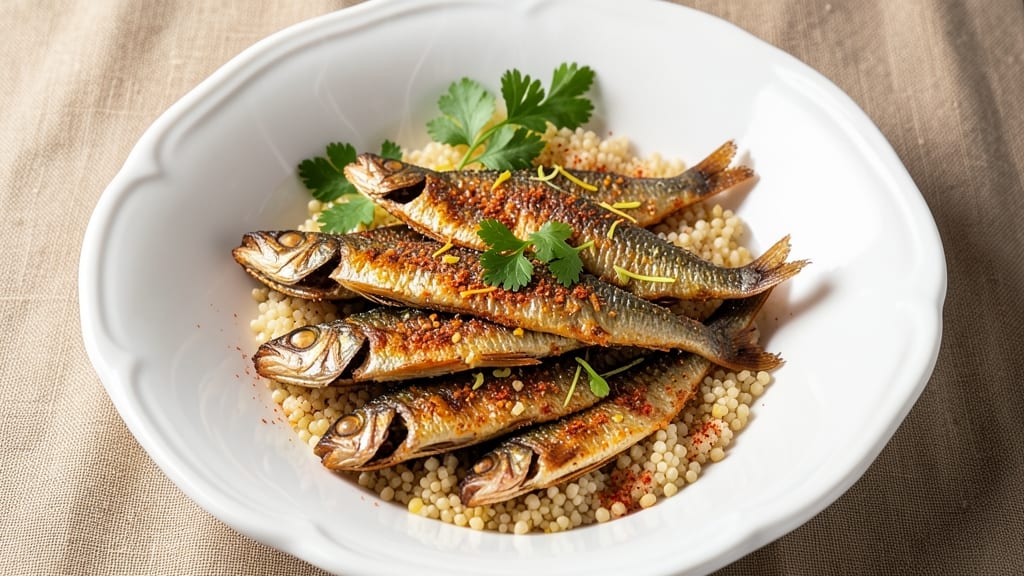
Frying small fish transforms delicate bites into crispy gold with a lemon-zest zing that elevates any meal. The secret lies in proper preparation—cleaning, drying, and choosing the right coating—whether traditional tempura or a quick cornmeal crust.
I’ve perfected this technique after years of trial and error, ensuring every piece emerges with a shatteringly crisp exterior and tender, flaky interior.
This recipe delivers restaurant-quality results in just 15 minutes, from seasoning to serving. The key is maintaining the right oil temperature (350°F) and using a light, crispy batter that clings without overwhelming the fish’s natural flavor.
Whether you’re working with sardines, anchovies, or smelt, the method remains the same—simple yet foolproof for achieving that golden crunch.
The lemon-zest marinade adds a bright, citrusy contrast that cuts through the richness of the fried coating. Serve with a side of tartar sauce, a squeeze of fresh lemon, or a sprinkle of chopped parsley for a finish that feels both elegant and effortless.
This dish is perfect for weeknight dinners, appetizers, or even a quick lunch when you crave something crispy and satisfying.
For those looking to modernize the classic, air-frying is an excellent alternative—just adjust the time and temperature slightly to avoid drying out the fish. The result? A lighter, equally crispy bite with fewer calories. Let’s get started on creating your own golden, zesty masterpiece.
Ingredients for fried small fish
Nine essential ingredients transform delicate fish into crispy, zesty bites with golden perfection.
| Ingredient | Amount | Notes |
|---|---|---|
| Small Fresh Fish Fillets 🐟 | 1 ½ lb | Sardines, anchovies, or smelt preferred |
| All-Purpose Flour 🌾 | ½ cup | For light, crispy batter |
| Cornmeal 🌽 | ¼ cup | Fine-ground for texture |
| Baking Powder 🧂 | 1 tsp | For extra crispiness |
| Salt 🧂 | 1 ½ tsp | Diamond Crystal preferred |
| Ground Black Pepper 🌶️ | ½ tsp | Freshly ground for flavor |
| Vegetable Oil 🫒 | 2 cups | High smoke point required |
| Lemon Zest 🍋 | 1 tbsp | Freshly grated for brightness |
| Fresh Lemon Juice 🍋 | 2 tbsp | For marinade tang |
| Garlic Cloves 🧄 | 2 cloves | Minced for marinade |
| Fresh Parsley 🌿 | ¼ cup | Chopped for garnish |
| Tartar Sauce 🥫 | ¼ cup | Store-bought or homemade |
The quality of your fish makes all the difference. Sardines, anchovies, or smelt work best due to their delicate texture and mild flavor. Purchase from high-quality seafood markets or trusted grocery store seafood counters—look for fish with bright, clear eyes and a fresh, briny aroma. If using frozen, ensure they're completely thawed and patted thoroughly dry before coating. The lemon zest and juice should be freshly prepared; bottled versions lack the aromatic punch needed to complement the crispy exterior. For the oil, vegetable or peanut oil with a high smoke point (350°F) is ideal—avoid olive oil, which burns too easily.
No cornmeal? Substitute with fine breadcrumbs or panko for a similar texture, though the flavor will differ slightly. Short on baking powder? Skip it entirely—the flour and salt will still create a crispy coating, though slightly less airy. If you lack fresh parsley, dried parsley at one-third the amount works in a pinch, though fresh garnishes elevate the dish. For the tartar sauce, homemade versions with capers, pickles, and Dijon mustard provide superior flavor, but quality store-bought brands like Hellmann's or Best Foods are reliable shortcuts. The marinade can be prepped up to 2 hours ahead, allowing the fish to absorb the citrusy flavors.
Proper storage ensures freshness and safety. Fresh fish should be used immediately or stored in the coldest part of your fridge for up to 2 days—wrap tightly in plastic to prevent drying. The lemon zest and juice can be refrigerated in an airtight container for 3 days, though zest loses potency quickly. Pre-mixed batter ingredients (flour, cornmeal, baking powder, salt, and pepper) keep indefinitely in a cool, dry place—combine them ahead of time for convenience. Leftover fried fish reheats poorly, so plan to serve immediately for optimal texture. Garnishes like parsley and tartar sauce can be stored separately and assembled just before serving.
Why You'll Love This Recipe
- No-Fuss Setup: I swear by this recipe because it’s the kind of meal that doesn’t demand perfection—just a bowl, a fork, and 10 minutes of your time. Pat the fillets dry, toss in the flour-cornmeal mix with a pinch of baking powder, and let the oil do the rest. No brining, no marinating, no stress.
- Crispy-Creamy Magic: That golden crust? It’s all in the cornmeal and baking powder—light as a cloud but sturdy enough to hold a fry. The flour keeps it tender inside, so every bite gives you that perfect contrast: crunchy outside, flaky fish underneath. Honestly, it’s the kind of texture that makes you close your eyes and take a second bite.
- Weeknight or Gathering Star: I’ve served this at everything from lazy Tuesdays to backyard BBQs, and it never feels out of place. Double the batch for a crowd—it’s cheap enough to make freely, and the leftovers reheat like a dream (just a quick crisp in the pan). My college friends still ask for it, and now my mom does too.
- Budget-Friendly Catch: Small fish fillets are often cheaper than their bigger cousins, and this recipe stretches them far. A single bag of cornmeal and flour lasts for ages, and you’re not drowning in expensive spices. Between us, this is how I feed my family well without breaking the bank—crispy, satisfying, and guilt-free.
Step-by-step instructions for crispy fried small fish
Master this technique and you'll achieve restaurant-quality crispiness with a perfect golden crunch every time.
Prepare the Marinade and Season the Fish
In a small bowl, combine the 2 tablespoons fresh lemon juice, 2 minced garlic cloves, and 1 tablespoon lemon zest. This bright, aromatic marinade will infuse the fish with flavor while tenderizing the delicate fillets. Place the 1.5 lb small fresh fish fillets in a shallow dish and pour the marinade over them, ensuring each piece is evenly coated. Let the fish marinate for 15-20 minutes at room temperature while you prepare the batter.
After marinating, pat the fillets dry with paper towels—this critical step removes excess moisture that can prevent the batter from adhering properly. The drier the surface, the more likely you are to achieve that perfect crispy crust. Arrange the fillets on a wire rack set over a plate to keep them elevated and prevent sogginess.
Create the Crispy Batter
In a medium bowl, whisk together the 0.5 cup all-purpose flour, 0.25 cup cornmeal, 1 teaspoon baking powder, 1.5 teaspoons salt, and 0.5 teaspoon ground black pepper. The cornmeal adds texture while the baking powder ensures an extra lift in the batter. Gradually whisk in just enough ice water to form a smooth, pourable consistency—about 1 tablespoon at a time—until you achieve a thick batter that coats the back of a spoon.
This batter should be slightly thicker than traditional beer batter but still flow smoothly when poured. If it's too thick, add a splash more water; if too thin, whisk in a bit more flour. The ideal texture allows for even coating while maintaining crispiness. Let the batter rest for 5 minutes while you prepare the frying setup.
Heat the Oil and Fry the Fish
Fill a deep skillet or Dutch oven with 2 cups vegetable oil and heat it over medium-high heat until it reaches 350°F. Use a deep-fry thermometer to monitor the temperature—this precision is crucial for achieving even cooking without burning the batter. The oil should shimmer gently but not smoke excessively.
Working in batches to avoid overcrowding, carefully dip each marinated fish fillet into the batter, allowing any excess to drip off before gently placing it into the hot oil. Fry for 2-3 minutes per side until the batter turns a deep golden brown color and the fish is cooked through. You'll know it's ready when the edges are crisp and the fish flakes easily with a fork. Remove the fried fish to a paper towel-lined plate to drain excess oil.
Rest and Garnish
Let the fried fish rest for 2-3 minutes before serving. This brief rest allows the internal heat to distribute evenly, ensuring each bite is perfectly cooked through. While the fish rests, finely chop the 0.25 cup fresh parsley and set it aside for garnishing.
To serve, arrange the crispy fried fish on a platter and drizzle with any accumulated marinade from the plate. Spoon 0.25 cup tartar sauce alongside for dipping, and sprinkle the chopped parsley over the top for a pop of color and freshness. The contrast of the crispy batter with the tender fish and tangy sauce creates a harmonious balance of textures and flavors.
Pro Tips For Making Fried Small Fish
- Dry the Fillets First: Pat those fish fillets bone-dry with paper towels before dredging—wet skin = soggy crust. I learned this the hard way when my first batch turned out like fish sticks instead of crispy gold.
- Use a 1:1 Flour-to-Cornmeal Mix: Skip the guesswork—equal parts flour and cornmeal (like ½ cup each) gives that perfect crunch without too much bulk. My grandmother swore by this, and she was right: the cornmeal adds texture without stealing all the flavor.
- Fry in Batches, No Crowding: One fillet at a time, or two if they’re tiny—packing the pan drops the oil temp and turns your fish into greasy blobs. I know, I know, you’re impatient like me, but trust the process.
- Add Baking Powder Last: Mix the flour, cornmeal, and salt first, then stir in the baking powder right before dredging—it loses lift if you prep too early. This isn’t the prettiest method, but it’s the tastiest.
Best sauces and condiments for this recipe
Classic Tartar Sauce
This creamy, tangy sauce is a must-have with fried fish. I blend ½ cup mayonnaise (like Hellmann's), 1 tbsp Dijon mustard, 1 tbsp finely chopped capers, 1 tbsp chopped cornichons, 1 tbsp fresh lemon juice, and 1 tbsp chopped parsley.
The capers add briny depth while the mustard cuts through the richness of the fried coating. Serve it chilled in a small bowl for dipping. 🥫
Spicy Aioli Dip
For a kick of heat, mix ½ cup mayonnaise, 1 tbsp sriracha, 1 tsp honey, and 1 tsp grated ginger until smooth. The honey balances the spice while the ginger adds a subtle zing that pairs beautifully with the lemon-marinated fish.
Garnish with a sprinkle of chopped scallions for freshness and color.
Herbed Yogurt Sauce
This lighter alternative uses ½ cup Greek yogurt, 1 tbsp lemon juice, 1 tbsp chopped dill, 1 tbsp chopped chives, and a pinch of salt. The yogurt adds a cool, creamy contrast to the crispy fish, while the herbs brighten the overall flavor profile.
It’s perfect for those watching their fat intake but still craving that tangy dip.
Lemon-Garlic Aioli
Infuse your aioli with bright citrus and aromatic garlic by mixing ½ cup mayonnaise, 1 tbsp lemon zest, 1 minced garlic clove, 1 tsp lemon juice, and a pinch of salt.
The lemon zest elevates the flavor, making it a perfect match for the lemon-marinated fish. This sauce is especially refreshing and pairs wonderfully with the crispy batter. 🍋
Remoulade Sauce
For a more complex flavor, blend ¼ cup mayonnaise, 1 tbsp ketchup, 1 tbsp chopped pickles, 1 tsp Worcestershire sauce, ½ tsp smoked paprika, and a splash of hot sauce.
The smoky, slightly sweet notes complement the fried fish beautifully, while the pickles add a tangy crunch. This sauce is rich and bold, perfect for those who love a deeper flavor experience.
Simple Lemon Aioli
When you want to keep it ultra-simple, whisk together ½ cup mayonnaise, 2 tbsp lemon juice, 1 tbsp lemon zest, and a pinch of salt.
The bright citrus flavor enhances the natural taste of the fish without overpowering it. This sauce is quick, easy, and always a crowd-pleaser. 💛
Nutrition facts
Frequently asked questions
What's the best oil for frying small fish?
Use vegetable or peanut oil with a high smoke point (350°F). These oils maintain stability at high heat without burning, ensuring a crispy coating. Avoid olive oil—it burns too easily and can make the batter greasy. For extra flavor, try avocado oil, which adds a subtle buttery note to the finished dish.
Can I use frozen fish for this recipe?
Yes, but thaw it completely first! Place frozen fish in the fridge overnight or use the cold water thaw method (sealed in a bag). Pat the fillets very dry before coating—any moisture will prevent the batter from sticking. Frozen fish works best when it's fully defrosted and drained.
How do I keep the fish from sticking to the pan?
Ensure your pan is hot enough (350°F) and use enough oil to coat the bottom by 1 inch. A well-seasoned cast-iron skillet works best. If fish sticks, your oil may be too cool—wait a few more minutes for it to reach temperature. Avoid overcrowding the pan, and use tongs to gently place the fish.
What if my batter isn't crispy enough?
Your oil might be too cool or the batter too thin. Check the temperature with a thermometer (350°F is ideal), and adjust the batter by adding 1 extra tablespoon of flour if it's runny. For extra crispiness, add 1 teaspoon cornstarch to the batter mix. Also, ensure your fish is completely dry before dipping.
Can I make this recipe gluten-free?
Swap the flour for gluten-free all-purpose flour and use cornstarch or almond flour instead of cornmeal. The batter will still adhere well, though the texture may be slightly lighter. Ensure all ingredients (like baking powder) are certified gluten-free. This works especially well with delicate fish like smelt or sardines.